

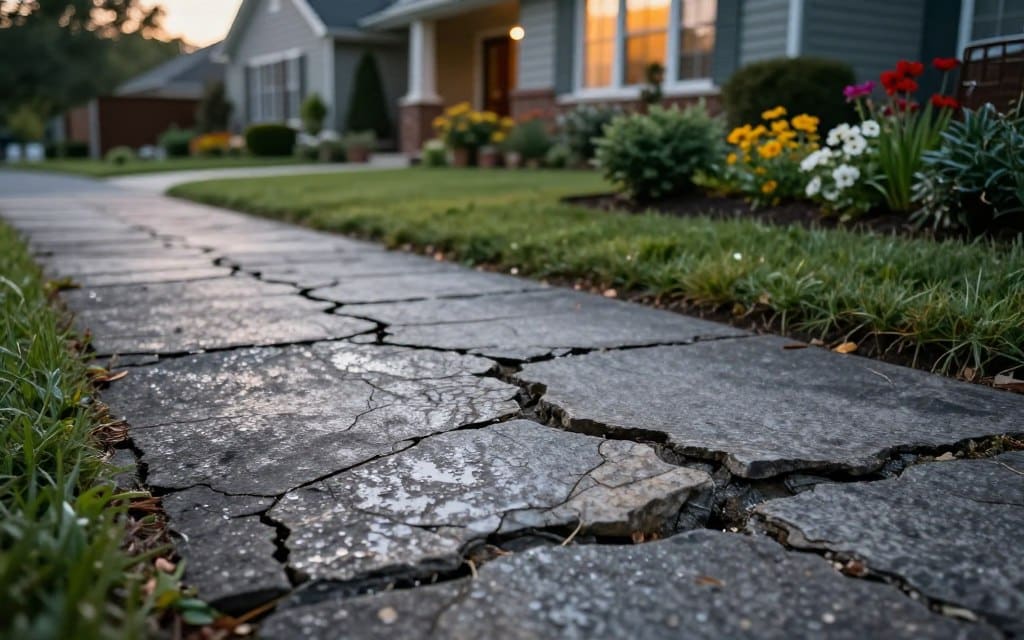
Have you ever wondered if your home’s curb appeal is suffering because of those unsightly cracks in your concrete? Maintaining a pristine walkway and driveway is essential for both the safety of your family and the overall value of your property.
Ignoring small surface damage often leads to deeper structural issues that become much harder to repair later. By taking action now, you can prevent further deterioration of your exterior surfaces.
You do not need to be a professional contractor to achieve a smooth, polished finish. Following a simple, step-by-step process to clean, prep, and seal these areas will keep your home looking its best for years to come. Let us guide you through the necessary preparations to restore your exterior in just a few hours.
Key Takeaways
- Early maintenance prevents costly structural damage to your home’s exterior.
- Cleaning and prepping surfaces is the most critical step for a lasting repair.
- Sealing cracks protects your investment from harsh weather and moisture.
- Professional techniques ensure a smooth, aesthetically pleasing finish.
- Regular care significantly boosts your property’s curb appeal and safety.
Understanding the Problem of Cracked Walkways and Driveways
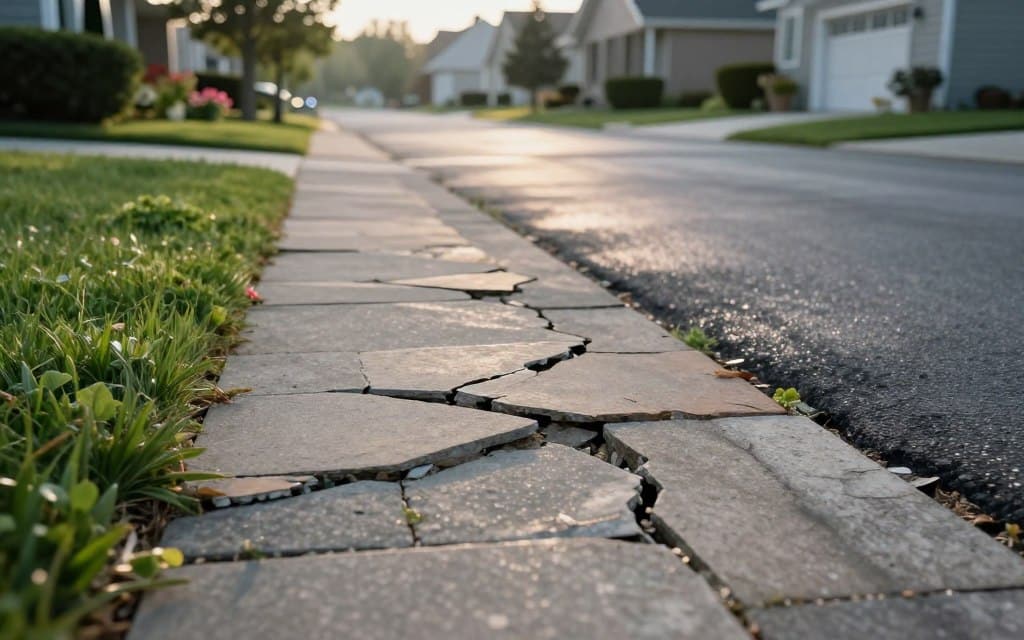
Concrete is a durable material, yet it remains susceptible to various environmental pressures over time. When you notice fissures appearing on your walkway and driveway, it is often a sign that the material is reacting to its surroundings. Recognizing these patterns early can help you determine if the damage is merely cosmetic or a deeper structural issue.
Common Causes of Cracks
Most cracks originate from the natural drying process of concrete or the settling of the soil beneath it. If the subgrade was not properly compacted during the initial installation, the ground may shift, leaving the slab unsupported. You can learn more about identifying these issues by reading about concrete driveway cracks to see when you should worry.
Seasonal Effects on Concrete
Temperature fluctuations play a significant role in the degradation of any concrete pathway. As the mercury drops, moisture trapped within the pores of the concrete freezes and expands, exerting immense pressure from the inside out. This cycle of expansion and contraction eventually leads to visible surface fractures that worsen with every passing winter.
Impact of Heavy Traffic
Beyond environmental factors, the physical load placed on your surfaces matters significantly. Frequent use by heavy vehicles or machinery can accelerate wear and tear, especially if the slab thickness is insufficient for the traffic volume. If you are considering upgrades to your property, exploring professional hardscaping services can provide a more resilient foundation for your walkway and driveway. Proper planning ensures that your exterior surfaces remain functional and attractive for years to come.
Assessing the Damage: How Bad Is It?
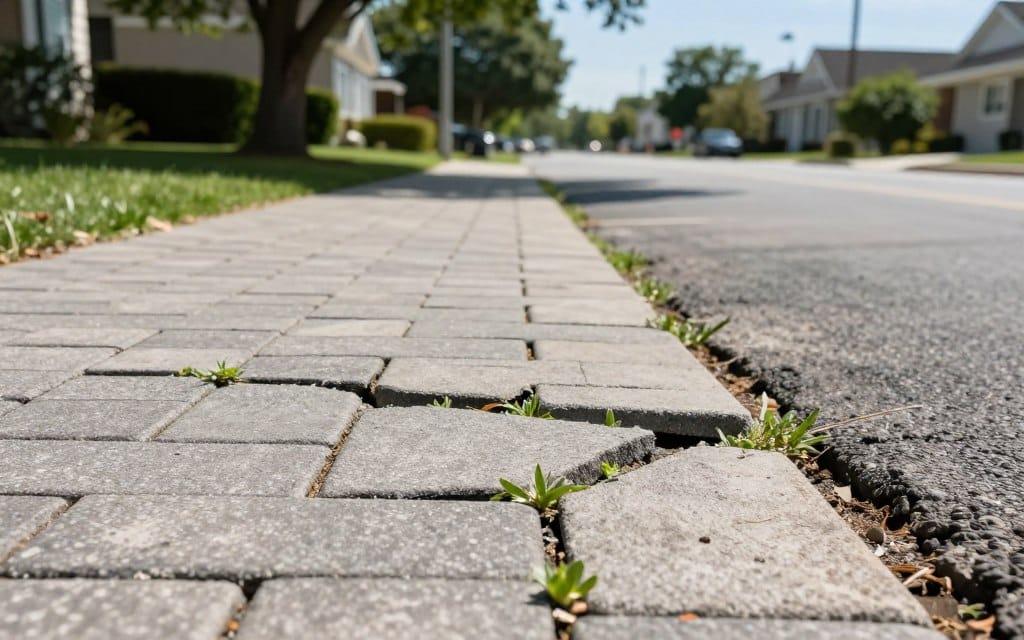
Not all cracks are created equal, and knowing the difference can save you time and money. Before you begin any repair, it is vital to evaluate the condition of your asphalt driveway to determine the appropriate fix. Taking the time to inspect your surfaces ensures you choose the right method for your specific situation.
Visual Inspection Techniques
Start your assessment by cleaning the area thoroughly to see the full extent of the damage. Use a flashlight to check the depth of the cracks, as deeper fissures often indicate underlying issues. Proper paver protection maintaining outdoor surfaces starts with identifying these small gaps early.
When examining your outdoor paving, look for patterns in the cracking. Hairline cracks are often cosmetic and caused by surface shrinkage. However, wider cracks that span across the entire width of the driveway suggest that the base layer may be failing.
Signs of Serious Structural Damage
Some damage goes beyond simple surface wear and requires professional intervention. If you notice large sections of the pavement sinking or shifting, this is a clear sign of foundation movement. You should also look for “alligator cracking,” which looks like a web of interconnected lines and often signals a total failure of the sub-base.
If your asphalt driveway shows signs of crumbling or deep potholes, a simple patch will likely not hold for long. In these cases, it is better to consult a professional to avoid wasting money on temporary fixes. Understanding the severity of your outdoor paving issues helps you plan your budget and repair strategy effectively.
| Crack Type | Severity | Recommended Action |
|---|---|---|
| Hairline Cracks | Low | DIY Sealing |
| Edge Cracking | Medium | Drainage Repair |
| Alligator Cracking | High | Professional Resurfacing |
| Deep Potholes | High | Full Base Replacement |
DIY Solutions for Small Cracks
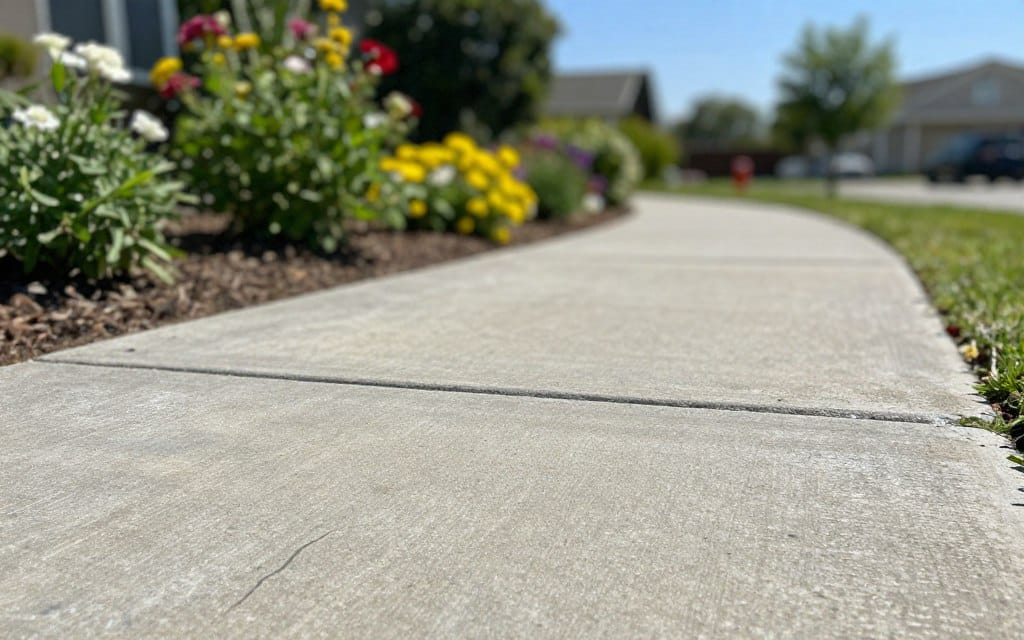
Fixing small cracks in your concrete pathway is a manageable task that can save you money and improve your home’s curb appeal. By addressing these issues early, you prevent moisture from seeping into the base and causing more significant damage. A proactive approach ensures your outdoor surfaces remain safe and attractive for years to come.
Tools and Materials Needed
To achieve professional results, you need the right supplies before you begin. You will need a wire brush, a chisel, a hammer, and a high-quality concrete sealant. Using a backer rod is essential for deep cracks, as it provides a solid foundation for the sealant to bond properly.
Having these items ready makes the process much smoother. Always wear safety glasses and gloves to protect yourself while working with masonry tools. Proper preparation is the hallmark of quality pathway construction.
Step-by-Step Repair Guide
Start by cleaning the crack thoroughly with a wire brush to remove loose debris and dirt. If the crack is narrow, use a chisel to widen it slightly so the sealant can penetrate deeply. Once clean, insert the backer rod into the gap, leaving enough space at the top for your chosen sealant.
Apply the sealant carefully, ensuring it fills the entire void without leaving air pockets. Smooth the surface with a putty knife to match the surrounding concrete texture. Allow the material to cure according to the manufacturer’s instructions before walking on the area.
| Material Type | Best Use Case | Drying Time |
|---|---|---|
| Polyurethane Sealant | Deep cracks | 24-48 hours |
| Concrete Filler | Hairline cracks | 12-24 hours |
| Backer Rod | Gap support | N/A |
When to Call a Professional
While many minor repairs are perfect for DIY enthusiasts, some situations require expert intervention. If you notice large, shifting slabs or deep structural fissures, your walkway installation may have underlying soil issues. These problems often require professional assessment to ensure long-term stability.
Do not hesitate to contact a specialist if the damage spans a large area or continues to widen after you have attempted repairs. Professionals have the equipment to address complex drainage or foundation problems that simple sealants cannot fix. Knowing your limits helps protect your investment in the long run.
Choosing the Right Repair Materials
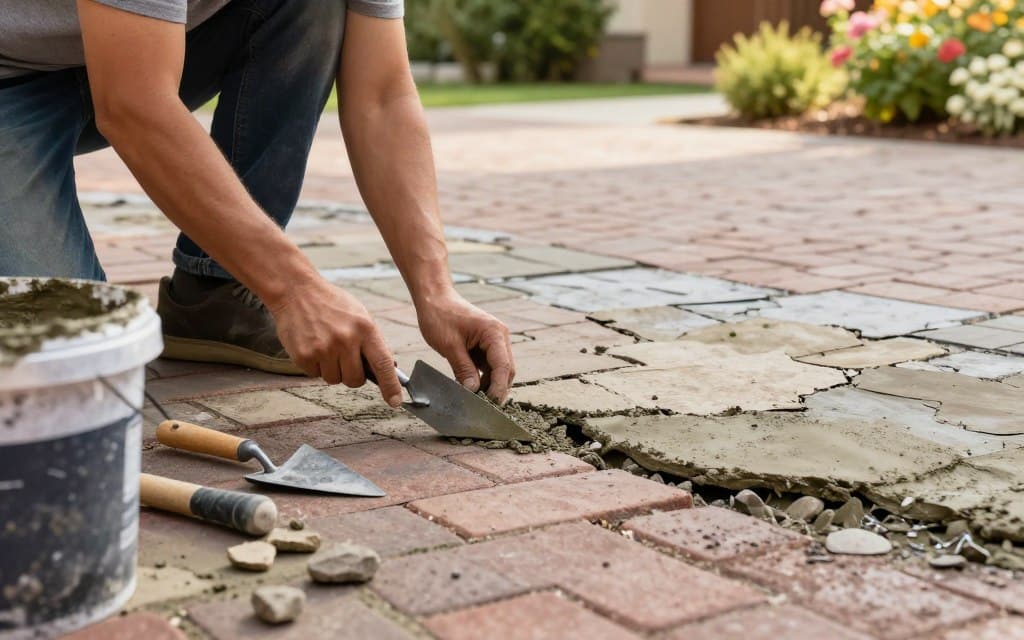
Finding the perfect match for your repair project requires a bit of research into modern materials. Selecting the correct compound ensures that your stone walk remains stable and attractive for years to come.
Overview of Popular Repair Products
For narrow cracks measuring less than 1/4 inch, CrackWeld is an excellent low-viscosity, two-part polyurethane choice. It flows deep into the fissure to create a strong, lasting bond.
When dealing with wider gaps, ElastiPoxy offers the flexibility needed to handle seasonal movement. You might also consider injection kits for deep structural issues or uPLUG to protect joint edges from spalling on your brick driveway.
Weighing Durability vs. Aesthetics
High-strength repairs often prioritize function over visual blending. However, you can find color-matched mortars that help your stone walk repairs disappear into the existing masonry.
Balancing these needs is essential for a professional finish. Always test a small, hidden area before applying a new product to your entire brick driveway surface.
| Product Type | Best Use | Key Benefit |
|---|---|---|
| CrackWeld | Narrow Cracks | Deep Penetration |
| ElastiPoxy | Wide Gaps | High Flexibility |
| uPLUG | Joint Edges | Prevents Spalling |
Eco-Friendly Options
Many homeowners now prefer sustainable repair materials that minimize environmental impact. Look for water-based sealants and natural hydraulic lime mortars that allow the surface to breathe.
These options provide durability without the harsh chemicals found in traditional synthetic fillers. Choosing green products is a smart way to maintain your property while supporting a healthier ecosystem.
Preventative Measures: Keeping Your Walkway and Driveway Crack-Free
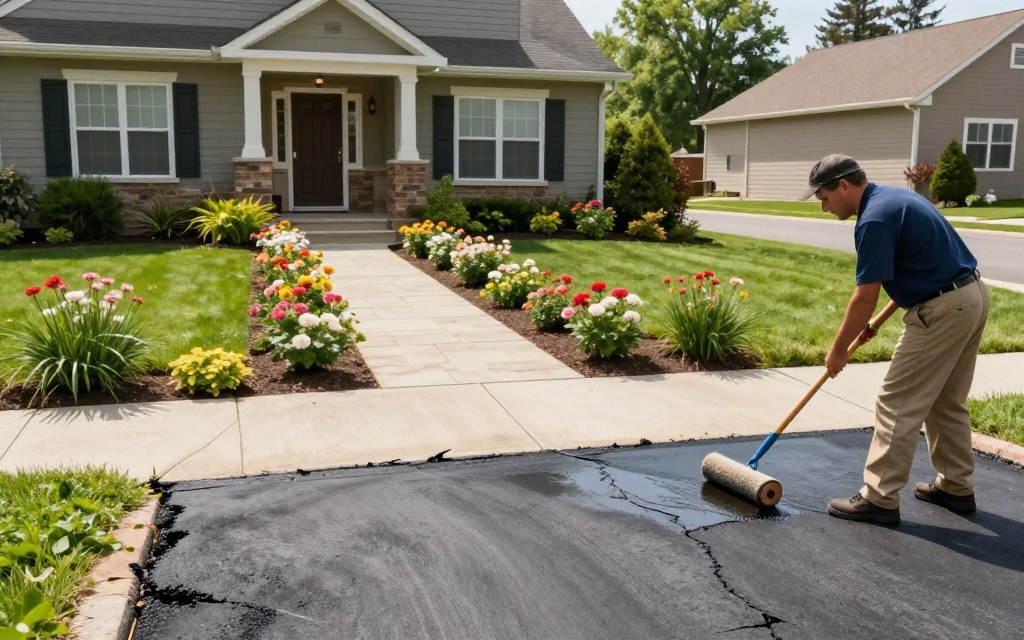
Smart homeowners know that preventing damage is far easier than fixing deep cracks later. By taking a proactive approach, you can protect your investment and keep your outdoor areas looking beautiful for years to come. Focusing on the health of your walkway and driveway is the best way to avoid costly structural repairs down the road.
Proper Drainage Solutions
Water is the primary enemy of any solid surface. When moisture pools near your pavement, it seeps into tiny pores and expands during cold weather, leading to significant cracks. Proper pathway construction must include effective drainage systems that direct runoff away from your foundation.
Consider installing French drains or grading the surrounding soil to ensure water flows toward storm drains. These simple adjustments prevent saturation and protect the integrity of your base layers. Keeping the ground dry is a fundamental step in long-term surface preservation.
Sealing Techniques
Applying a high-quality sealant acts as a protective shield against the elements. Sealants block water, oil, and UV rays from penetrating the surface of your concrete or asphalt. You should aim to reseal your surfaces every two to three years to maintain this barrier.
Choose a product that matches your specific material type for the best results. A well-sealed surface not only resists cracking but also makes cleaning much easier. This simple habit keeps your exterior looking fresh and well-maintained throughout the seasons.
Regular Maintenance Practices
Consistent care is the secret to a long-lasting walkway and driveway. Establish a routine that includes sweeping away debris and clearing away snow promptly during the winter months. These small actions prevent organic matter from decaying on your pavement, which can cause staining and surface degradation.
Effective driveway maintenance also involves inspecting your surfaces for small fissures before they grow. If you notice minor gaps, fill them immediately with a flexible filler to stop water intrusion. By staying ahead of these issues, you ensure your home remains safe and visually appealing for everyone who visits.
Hiring a Professional: When You Need Expert Help
Recognizing when a project exceeds your personal expertise is a sign of a smart homeowner. While small cracks are manageable, certain structural issues require the steady hand of a trained specialist. Knowing when to step back ensures your property remains safe and visually appealing for years to come.
Signs You Should Get Professional Assistance
Complex projects like a damaged brick driveway often involve underlying soil issues that simple fillers cannot fix. If you notice large sections of your path sinking or shifting, this indicates a deeper foundation problem. A professional assessment is necessary to prevent further damage to your home’s exterior.
Additionally, a large-scale walkway installation requires precise grading and material knowledge to ensure proper drainage. If your project involves significant excavation or complex patterns, attempting this alone can lead to costly mistakes. Local experts have the heavy equipment and experience to handle these challenges efficiently.
How to Choose a Reputable Contractor
Finding the right person for the job starts with checking for proper licensing and insurance. You should always ask for references from previous clients to see the quality of their past work. A trustworthy contractor will be happy to provide a clear, written estimate before any work begins.
| Feature | DIY Repair | Professional Service |
|---|---|---|
| Cost | Low | Higher |
| Complexity | Simple/Minor | Structural/Major |
| Time Required | Weekend Project | Scheduled Timeline |
| Expertise | Basic Skills | Licensed Specialist |
When you interview potential candidates, ask about their specific experience with your type of project. Whether you are repairing a brick driveway or planning a new walkway installation, clear communication is vital. Choosing a professional who listens to your needs will result in a much smoother experience and a better final product.
Budgeting for Repairs
A well-planned budget helps you avoid stress while tackling your driveway maintenance projects. By taking the time to calculate your expenses upfront, you ensure that your home improvement goals remain financially manageable. Proper planning prevents unexpected costs from derailing your progress.
Estimating Material and Labor Costs
When you begin your project, you must account for both the supplies and the professional help required. For an asphalt driveway, costs often fluctuate based on the size of the area and the severity of the cracks. You should gather at least three quotes from local contractors to get a realistic baseline for labor fees.
Do not forget to include the price of high-quality fillers, sealants, and cleaning agents in your budget. Creating a spreadsheet can help you track these expenses effectively. This simple step keeps your driveway maintenance on track without any financial surprises.
Long-Term Savings Through Quality Repair
Investing in premium materials might seem expensive at first, but it pays off over time. High-quality products provide better durability, which means you will not have to perform repairs as often. This approach protects your property value and keeps your exterior looking pristine for years.
Choosing cheaper alternatives often leads to recurring issues that require constant attention. By spending a little more now, you reduce the frequency of future maintenance tasks. Quality repairs are a smart financial decision for any homeowner looking to save money in the long run.
| Repair Type | Material Cost | Labor Effort | Longevity |
|---|---|---|---|
| DIY Crack Filler | Low | High | Short-term |
| Professional Patching | Medium | Low | Medium-term |
| Full Resurfacing | High | Professional | Long-term |
Enhancing Curb Appeal with Walkway and Driveway Improvements
Transforming your home’s exterior starts with the ground beneath your feet. Beyond simple repairs, you can significantly boost your home’s curb appeal by incorporating thoughtful design upgrades to your property. These improvements turn functional surfaces into beautiful focal points that increase your home’s market value.
Design Ideas for Aesthetic Upgrades
Consider upgrading your standard concrete to high-quality outdoor paving materials. Using pavers in unique patterns can add texture and visual interest to your entrance. A well-planned stone walk creates a sophisticated look that feels both timeless and durable.
You might also explore stamped concrete or decorative borders to frame your driveway design. These small details make a massive difference in how your home is perceived from the street. Choosing materials that match your home’s architectural style ensures a cohesive and polished appearance.
Landscaping Suggestions That Complement Your Pathway
Strategic landscaping plays a vital role in highlighting your new surfaces. Planting low-maintenance shrubs or colorful perennials along the edges of a stone walk softens the hard lines of the masonry. This natural framing draws the eye toward your front door and creates a welcoming atmosphere.
Lighting is another essential element for a successful driveway design. Installing path lights or solar-powered spotlights can improve safety while highlighting the texture of your paving materials at night. These simple additions make your property look well-cared for and inviting to guests.
Finally, consider the balance between hardscaping and softscaping to maintain a clean look. Keeping your greenery trimmed prevents overgrowth from encroaching on your paths. By combining these design elements, you create an exterior that is both functional and visually stunning.
Conclusion: Enjoy a Safe and Beautiful Walkway and Driveway
Taking proactive steps to repair and maintain your surfaces ensures a safe and beautiful environment for your family and guests. You can prevent minor cracks from becoming major issues by starting your project this week.
Essential Habits for Lasting Results
Consistent care remains the secret to long-term durability. Regular inspections allow you to catch small fissures before they expand. Applying high-quality sealants protects your investment against harsh weather and heavy traffic.
Elevating Your Property Value
Thoughtful driveway design choices significantly boost your home curb appeal. Integrating permeable pavers or decorative edging creates a polished look that stands the test of time. These upgrades provide both functional access and visual harmony for your outdoor space.
Prioritizing proper driveway maintenance keeps your property looking its best throughout every season. You gain peace of mind knowing your walkways are stable and secure. Start your improvements now to enjoy a welcoming entrance that reflects your personal style.