

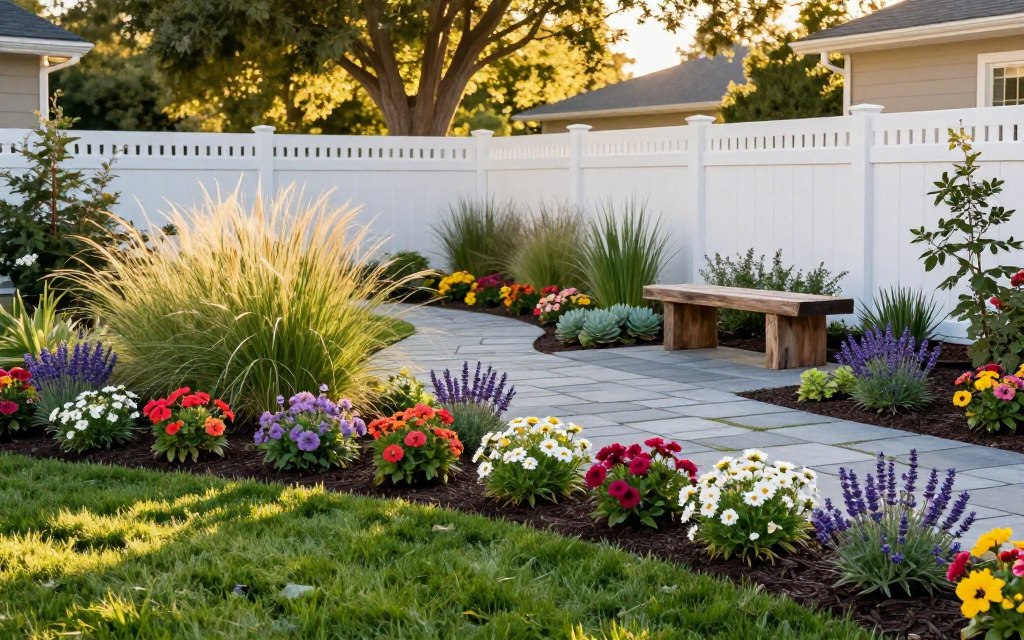
Low maintenance front yard landscaping can transform the curb view of your home without eating weekends. Would you believe a tidy, attractive yard can cut chores and still look designer-made?
Great small-scale landscape design focuses on planning, right-sized lawn areas, and plants that suit your climate. Choose natives, add mulch or gravel, and place shrubs and trees where they thrive. That reduces weekly work while keeping the garden healthy.
No outdoor space is truly work-free, but smart choices limit mowing, weeding, and surprise repairs. This guide walks you through clear steps: set goals, evaluate sun and soil, pick a style, lay out beds, decide on lawn size, choose plants, add durable hardscape, and finish with simple irrigation.
Along the way you’ll solve common headaches like patchy grass, weed-prone beds, overgrown shrubs, and messy planting near walkways. Expect practical, budget-friendly tips that boost curb appeal and bring lasting color to your entry.
Key Takeaways
- Smart planning and right-sized lawn areas cut weekly chores.
- Choose site-appropriate plants, especially native species.
- Durable materials like mulch and gravel reduce routine work.
- Follow a step-by-step process from goals to finishing touches.
- Regional conditions matter—observe sun, soil, and drainage.
- Practical designer tips can fit busy schedules and modest budgets.
Define your front yard goals for function and curb appeal
Start by naming how you’ll use the area so every path and plant has a purpose. Rank priorities—play, relaxing, social spots, a clear route to the porch, or garden beds—so design choices match daily life.
How you want to use the space
Make a simple list of must-haves: kid play area, pet route, seating, flower beds, or easier porch access. Use that list to guide layout; an open space suits play, while a small seating nook supports relaxing.
What you want your yard to communicate
Decide if you want an open, friendly curb feel or more privacy. Waist-high hedges or see-through fencing give gentle screening. Taller hedges or walls create a private refuge for noisy streets.
Set a realistic comfort zone for time and budget
Pick a weekly time target (minutes per week) and a split between install and ongoing costs. Note what you will not do—weekly edging or fussier flowers—so the design fits real life.
| Goal | Design move | Estimated time per week |
|---|---|---|
| Play/Open space | Small lawn or flat turf strip; clear sight lines | 30–45 minutes |
| Relaxing/Seating | Compact seating nook, pavers, and shade planting | 15–25 minutes |
| Welcoming entry | Defined path, symmetric beds, and a pop of color | 10–20 minutes |
| Privacy | Layered plants or partial screening near curb | 20–30 minutes |
Match these goals with curb appeal touches: a clear path, a defined entry moment, and a limited amount of color that won’t need constant replanting. Once goals are set, evaluating sun, soil, and traffic becomes straightforward and avoids costly rework.
Evaluate your site like a landscape designer
Before moving dirt or buying plants, spend time observing the site. Walk the space at morning and afternoon hours to note sun, shade, and cool pockets near the house. This simple audit tells you where seating will stay comfortable and which beds will need sun-loving choices.
Sun and shade patterns that drive plant success
Map areas of full sun, partial sun, and canopy shade across a typical day. Shade from mature trees or the home changes watering and species selection, especially close to the foundation. Place heat-tolerant selections in bright strips and shade-tolerant species where light is limited.
Soil condition and compaction from years of turf
Long-term turf often leaves compacted, nutrient-poor soil. Check for standing water after rain and hard-packed ground underfoot. Build new planting areas where you can add compost and loosen subsoil rather than trying to fix poor soil everywhere.
Traffic flow and “desire paths” from driveway to porch
Watch where feet wear a line across the grass. Worn strips show desire paths to the porch, mailbox, or driveway. Converting those routes to a paved path or mulch walk reduces patching, mud, and repeat reseeding.
| Light | Plant types | Watering needs |
|---|---|---|
| Full sun (6+ hrs) | Perennials, grasses | Moderate |
| Partial sun (3–6 hrs) | Shrubs, mixed perennials | Moderate |
| Shade (<3 hrs) | Hostas, ferns | Lower but regular |
| High traffic | Hardscape or durable groundcover | Minimal |
Choose a front yard landscaping style that matches your home
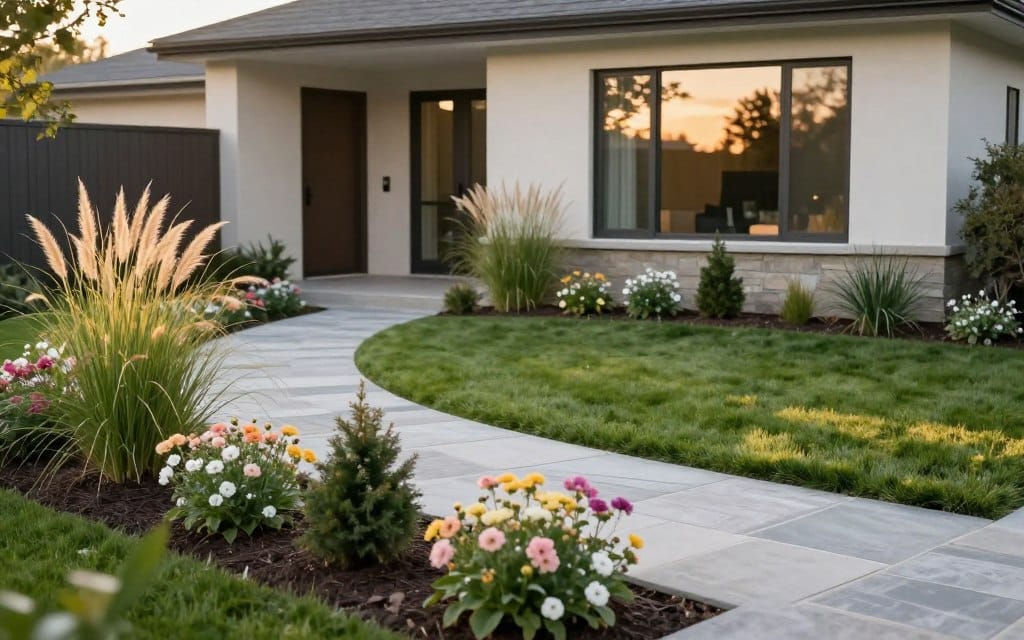
Pick a front yard landscaping style that reflects your home’s architecture so the whole property feels intentional. The right approach ties materials, plant choices, and color into a unified look that boosts curb appeal without feeling random.
Formal and modern
Formal and modern designs favor clean lines, symmetry, and a tight color plan. Use repeated shapes, clipped shrubs, and hard materials like gravel or brick for crisp edges.
Ornamental grasses and restrained plant palettes add texture without cluttering the look.
Cottage and natural
Cottage gardens layer trees, shrubs, perennials, and seasonal flowers for rich texture and long bloom windows. This style feels relaxed and colorful.
Limit fussy varieties to keep the planting practical and aligned with your time budget.
Small-lot strategies
On narrow properties, use containers, window boxes, and scaled beds to add impact without crowding. A single specimen tree or a pair of large pots by the entry can define the space.
| Style | Key cues | Best plant types |
|---|---|---|
| Formal/Modern | Symmetry, minimal palette, hard edges | Grasses, clipped shrubs, a few perennials |
| Cottage/Natural | Layered beds, varied textures, seasonal color | Perennials, flowering shrubs, small trees |
| Small-Lot | Scaled beds, containers, window boxes | Compact shrubs, ornamental grasses, potted flowers |
Build your layout with balance, proportion, unity, and variety
A thoughtful layout makes a small entry feel balanced and intentional from the street. Core design principles—unity, proportion, balance, and variety—give the area a clear, cohesive look. Use them to guide every planting and path choice.
Establish one focal point so the design reads well from the curb. This can be a styled front door, a specimen tree, or an oversized container near the entry. One clear center prevents the view from scattering.
Plan layers: place tallest elements (trees) at the back or focal anchors, then shrubs, then perennials, and finish with groundcovers. This vertical rhythm creates depth and seasonal interest without crowding.
Design for mature size by reading plant tags and spacing per guidelines. Give shrubs and trees room to grow so you avoid frequent pruning, lost specimens, or a cramped look near the home.
Unify the scheme through repetition—repeat a few shapes, textures, or plant types. Add variety selectively: contrasting foliage, staggered bloom times, or a different container to keep the look engaging.
When your layout is sketched, choose where lawn supports the composition and where removing it will simplify care and strengthen the design.
| Element | Placement | Scale | Role in design |
|---|---|---|---|
| Trees | Back or anchor points | Large at maturity | Frame view, provide height |
| Shrubs | Mid-layer near house or path | Medium | Structure and year-round form |
| Perennials / Flowers | Seasonal mid-to-front | Small to medium | Color and seasonal interest |
| Groundcovers | Front edge and slopes | Low | Weed suppression, finished plane |
Decide how much lawn to keep or replace
A clear plan for lawn area starts with its purpose in your design. Is turf for kids to play on, a pet run, or just visual breathing space between beds? Match the green area to real use before you commit to removal or expansion.
When turf makes sense for play or breathing room
Keep lawn where active use happens. A small, well-placed patch supports play and keeps a soft surface for pets.
Why traditional grass raises work and water needs
Conventional lawns require frequent mowing, regular watering, edging, and fertilizing. They often yellow without steady care and can cause fertilizer runoff that harms local plants and wildlife.
Alternatives that improve sustainability and curb appeal
Swap excess turf for planting beds, groundcovers, or defined paths. Rock or gravel areas work in dry climates and pair well with layered plantings for a lush look.
| Approach | Best for | Trade-offs |
|---|---|---|
| Full lawn | Active play, visual green | High mowing, water, fertilizer needs |
| Small lawn + beds | Balance of use and plantings | Less time, more biodiversity |
| Replace with beds/rock | Waterwise design, modern curb appeal | Initial work, lower ongoing time |
Check HOA or city rules before removing turf. Whatever replaces grass, choose plants that need less water and care to simplify future work and support a healthy garden.
low maintenance front yard landscaping starts with smarter plant selection
Smart plant choices set the tone for an easier, healthier entry landscape that needs less fuss over time. Picking species suited to your climate, soil, and sun cuts watering, pest work, and replacements.
Prioritize native plants for your region
Native plants thrive in local conditions and resist common pests. Check county extension resources or reputable nurseries to find proven selections near you.
Natives support pollinators and reduce fertilizer and pesticide needs compared with nonadapted varieties.
Choose perennials for dependable color
Perennials return each season and give repeat blooms without replanting. Care varies, so read plant tags for spacing and light needs.
Add evergreens for year-round structure
Evergreens act as a backbone for borders and foundation beds. They hold form and give winter interest when flowers are gone.
Use ornamental grasses and groundcovers
Ornamental grasses add texture and motion with a simple annual trim. Groundcovers like creeping thyme, vinca minor, creeping phlox, and creeping Jenny suppress weeds on slopes or shady patches.
Drought-tolerant options for waterwise design
In dry regions, favor drought-tolerant plants, group by water needs, and mulch beds to cut evaporation. This creates a resilient garden that still offers color and interest.
| Plant type | Role | Care note |
|---|---|---|
| Native plants | Low input, pollinator-friendly | Choose local varieties via extension or nurseries |
| Perennials | Repeat blooms annually | Divide every few years; check sun needs |
| Evergreens | Structure and winter color | Prune sparingly for shape |
| Ornamental grasses / Groundcovers | Texture, weed suppression | Annual cutback for grasses; select groundcover by site |
Remove and replace high-maintenance or invasive trees and plants
Not all attractive trees are good neighbors—some cause more chores than charm. Look for species that clog gutters, drop messy fruit, or grow too near the house. These issues add frequent work and raise repair costs.
Red flags to watch for
Check for repeated gutter cleanouts, staining fruit, invasive roots near foundations, and branches that crowd rooflines. Trees that outgrow their space force constant pruning and can block light into the entry.
Why invasives increase upkeep
Invasive plants spread fast, choke desirable beds, and are hard to control. Removing them often lowers future upkeep and helps native species thrive, improving local ecology and reducing pest pressure.
| Problem | Why it matters | Action |
|---|---|---|
| Gutter-clogging fruit | Water damage, staining | Replace with low-litter tree |
| Aggressive roots | Sidewalks, foundation risk | Remove and choose smaller canopy |
| Invasive shrubs | Outcompete other plants | Eradicate and replant natives |
Before you remove specimens, check local municipal lists and incentives in the United States. Plan a replacement with a tree or shrub sized for its mature canopy and minimal litter for a safer, simpler yard and a better long-term landscape.
Design low-maintenance foundation beds and borders
Sizing beds to a home’s scale immediately tidies the facade and reduces awkward pruning. Proper bed proportions stop shrubs from crowding windows and give trees room to breathe. This improves curb appeal and makes seasonal care easier.
Bed sizing for one-story versus two-story homes
For one-story houses, choose longer, shallow beds that echo the roofline. They keep scale balanced without tall plantings near the foundation.
Two-story facades can carry deeper beds and taller shrubs or small trees. Layer height so the house still reads from the street.
Classic placement: tall in back, low in front
Place taller shrubs and small trees at the bed’s rear. Mid-size plants go in the middle and low perennials or groundcovers in front. This rule keeps breaklines clean and sight lines open to windows and walkways.
Densely planted versus minimalist beds to reduce weeds
Dense plantings shade the soil and choke out weeds. Minimalist beds rely on a strong mulch layer, a tight plant palette, and periodic pruning.
Repeat a few shrubs and perennials for a cohesive garden. Mix evergreen structure with measured flowering color for year-round interest.
| Approach | Best for | Care note |
|---|---|---|
| Shallow, long bed | One-story homes | Simple trimming, visible foundation |
| Deep, layered bed | Two-story facades | Taller shrubs, staged height |
| Dense planting | Weed suppression | Less weeding once established |
| Minimalist bed | Modern design | Relies on mulch and pruning |
Next: use mulch, gravel, rock, and edging to keep these beds looking finished and cut weeding time.
Use mulch, gravel, and rock to cut weeding and watering
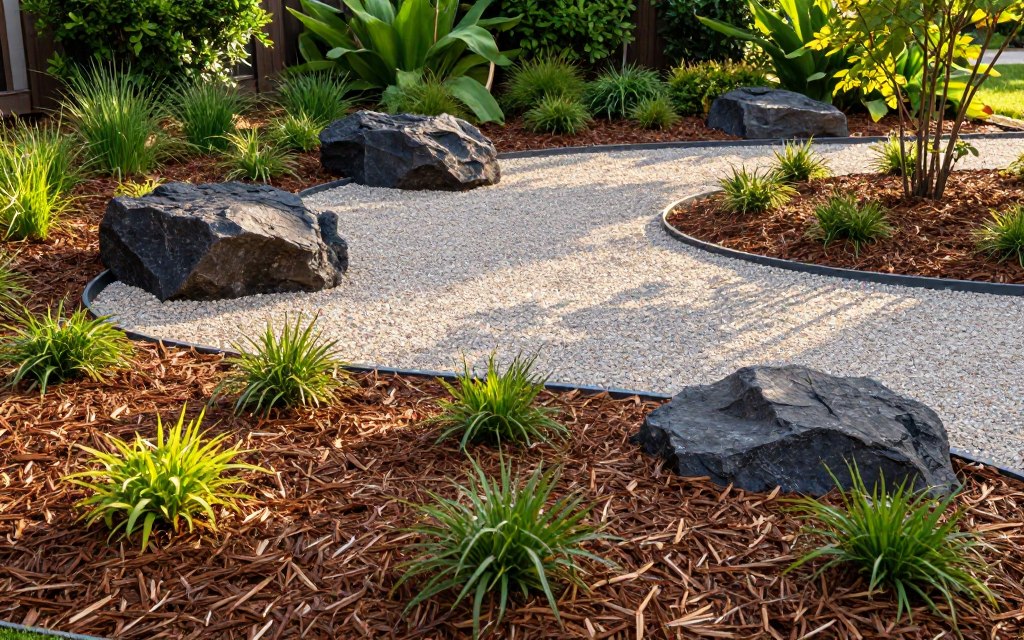
Choosing the right ground cover—mulch, river rock, or gravel—changes how often you weed and water. These materials also give beds a tidy, finished look that lifts curb appeal and ties the design to paths and pavers.
Mulch benefits for planted beds
Mulch blocks light to weed seeds and slows evaporation, so soil stays moist longer and plants need less frequent watering. A three-inch layer around shrubs and perennials dramatically reduces weekly weeding.
Use darker mulch for contrast near light-colored siding, or a natural tone to blend with planting color.
Gravel and river rock for dry or modern sites
Gravel and rock fit arid regions and modern ideas where water needs should be low. They cut mowing and watering compared with grass, and work well in hot exposures or narrow strips beside driveways.
Expect occasional leaf and debris cleanup; gravel is not no-work, but it usually lowers overall effort.
Edging to keep beds crisp
Edging stones or landscape edging stop grass creep, hold mulch in place, and keep bed lines sharp from the street. Choose materials that echo your hardscape so the landscape reads as one cohesive look.
| Material | Best use | Care note |
|---|---|---|
| Organic mulch | Planted beds, moisture support | Replenish yearly; suppresses weeds |
| Gravel / river rock | Dry sites, modern design, narrow strips | Rake leaves; occasional top-up |
| Edging stone | Define beds, stop grass creep | Sets a permanent line; minimal fuss |
Add walkways and hardscape that reduce upkeep and improve access
Well-placed hardscape turns worn tracks into attractive routes that stand up to weather and traffic. Thoughtful paving also replaces awkward patches of lawn and makes entry safer for visitors and deliveries.
Permeable pavers, brick, and concrete: what to choose and why
Permeable pavers let water soak into soil and cut puddles near beds. Brick and concrete are durable choices where heavy use or winter salt is a concern. Match material to climate and drainage needs for the best long-term result.
Gravel and mulch paths for budget-friendly curb appeal
Gravel and mulch are quick fixes for desire paths. They solve worn routes, cost less, and can be installed in a day. Use edging to keep materials tidy and prevent spread into plantings.
Curved vs. straight paths and seating areas
Straight paths work well for direct street-to-door ways. Curved paths feel more welcoming when people come from a driveway or garden gate. Widen main walkways for two-way traffic and add a small patio or porch seating to replace finicky lawn patches.
| Material | Best use | Key benefit |
|---|---|---|
| Permeable pavers | Driveway edges, main walkways | Improves drainage; supports plant health |
| Brick / concrete | High-traffic routes, steps | Durable; easy to clean |
| Gravel | Budget paths, informal routes | Fast install; good for desire paths |
| Mulch / wood chips | Garden paths, soft edges | Affordable; blends with beds |
Consider artificial turf where you want “green” without mowing
Synthetic grass offers a practical green surface where natural grasses struggle to thrive. It bridges the look of a lush lawn and the durability of hardscape for tricky spots around the home.
Synthetic turf works well in narrow side strips, high-traffic runs, and shaded or compacted areas where grass keeps failing. Use it where repeated reseeding and patching have become routine.
Where turf works best
Narrow strips beside driveways or fences hold up to foot traffic better than many grass mixes. It also suits a small lawn replacement near entry paths and stubborn patches with poor light.
What “maintenance-free” really means
Artificial turf removes mowing, watering, and fertilizing schedules, but it still needs care. Expect to remove leaves, rinse accumulated dust, and check edges for settling.
Pair turf with planting beds, pavers, or gravel to keep the landscape from feeling overly synthetic. Consider heat, drainage, and HOA rules before enlarging an artificial lawn area.
Turf is one useful option among many for creating a tidy, attractive space. Once ground surfaces are chosen, planning screens and property-line plantings becomes simpler.
| Use case | Benefits | Care & considerations |
|---|---|---|
| Narrow side strips | Durable, no patching | Edge trimming; good drainage required |
| High-traffic runs | No wear patterns; consistent look | Regular debris cleanup; occasional rinsing |
| Shaded or compacted zones | Green appearance where grass won’t grow | Address base compaction; inspect for heat buildup |
| Small lawn replacements | Reduces watering and mowing chores | Check HOA rules; pair with planting beds |
Plan privacy and property lines without creating extra work
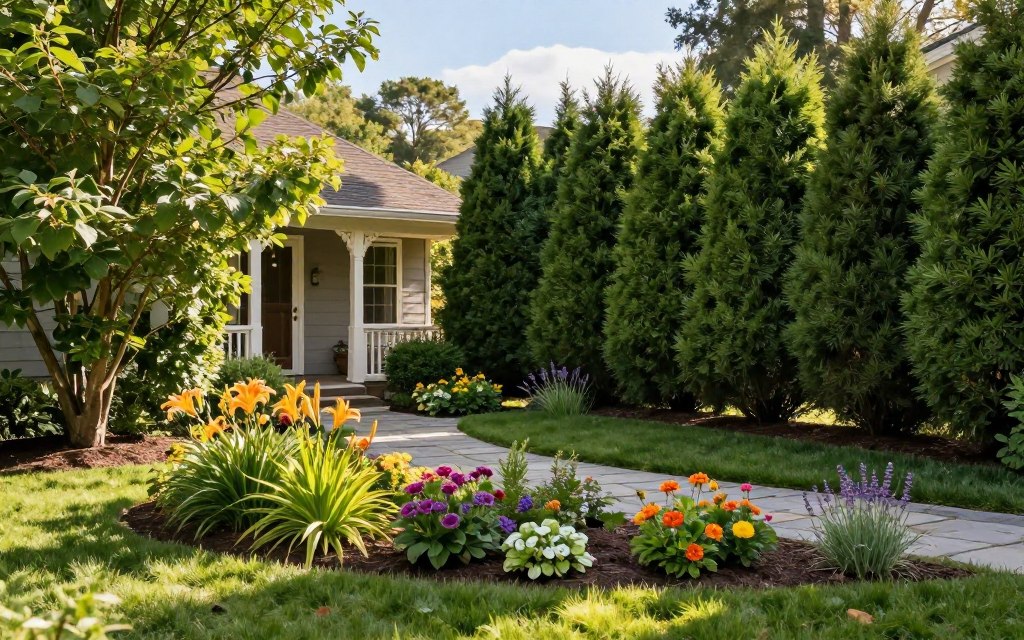
Smart privacy choices protect the home while keeping the street view open and welcoming. Decide whether you want semi-privacy for a friendly curb or stronger screening for noise and security.
Waist-high hedges and see-through fencing
Waist-high hedges or see-through fencing guide foot traffic and keep visibility. They block wandering pets without cutting light to the garden.
For busy roads, a taller layered buffer of shrubs and trees can dampen sound and headlights.
Fence-friendly planting
Leave a service gap of 2–3 feet along fences so you can repair, paint, or replace panels without fighting overgrown roots.
Choose shrubs and plants with narrow habits that won’t engulf posts or gates as they mature.
Noise, security, and style
Match screening to your design so boundaries feel intentional, not defensive. Layered plantings add depth and give extra sound reduction when needed.
Remember: slopes, grading, and drainage often meet at property lines, so plan privacy features with water movement in mind.
| Option | Best for | Pros | Care note |
|---|---|---|---|
| Waist-high hedge | Semi-privacy, friendly look | Guides traffic; keeps views | Periodic pruning; choose compact shrubs |
| See-through fence | Visibility + boundary | Durable; low visual weight | Allow access gap for painting/repairs |
| Layered buffer | Busy streets, noise reduction | Improves sound and security | More planting time up front; pick drought-tolerant plants |
Handle slopes and drainage for a lower-maintenance landscape
A steep slope can turn simple chores into constant repairs unless you plan for soil and water control. Addressing grade and runoff early preserves plantings and reduces erosion on your front yard.
Terracing or well-built retaining walls create flat, usable planting areas. These terraces make beds easier to weed, mulch, and water. They also protect trees and shrubs from washouts and exposed roots.
Stabilize remaining slopes with groundcovers and deep-rooted plants that knit soil together. Choose species suited to your climate so roots hold fast during storms.
Direct water away from the home and high-traffic paths using gentle swales, buried drains, or targeted gravel and rock zones. Rock and gravel reduce mud in drainage-prone spots and protect nearby plants.
Check access and safety: add steps or gradual transitions where people walk. Once slope and drainage are fixed, irrigation becomes more predictable and your front yard landscaping holds up better over time.
| Issue | Solution | Best for | Care note |
|---|---|---|---|
| Erosion / washouts | Terracing or retaining wall | Steep slopes, planting zones | Inspect after storms; repair mortar or anchors |
| Exposed roots / mowing hazard | Flat planting levels with groundcovers | Sloped borders near paths | Choose deep-rooted groundcovers; occasional trimming |
| Puddling and mud | Gravel/rock drains and swales | Drainage-prone channels beside the home | Clear debris; top up rock as needed |
Install efficient watering for healthier plants with less effort
A smart irrigation plan keeps plants healthy while cutting hours spent hand-watering.
Match systems to the layout: underground sprinklers suit any remaining lawn areas while drip lines feed beds, shrubs, and trees. Zoning by exposure—full sun versus shade—prevents overwatering one area and underwatering another.
Underground sprinkler systems to protect your landscape investment
Sprinklers cover turf evenly and save time when paired with a timer. Use adjustable heads and avoid overspray toward the home to protect the foundation and siding.
Drip irrigation with timers for targeted watering in beds
Drip lines deliver water at the root zone. Timers reduce guesswork during heat waves and lower evaporation loss, so plants receive more usable water.
Watering during establishment vs. long-term waterwise habits
Keep young plants moist and consistent while roots form. After establishment, shift to deeper, less frequent cycles to encourage strong roots and reduce pest and disease stress.
| System | Best use | Key benefit |
|---|---|---|
| Underground sprinklers | Small lawn areas | Fast coverage; saves time |
| Drip irrigation | Beds, shrubs, trees | Targeted water; less evaporation |
| Zoned timers | Mixed exposures in a front yard | Custom cycles by sun and soil |
Prep soil and plant correctly to reduce future maintenance
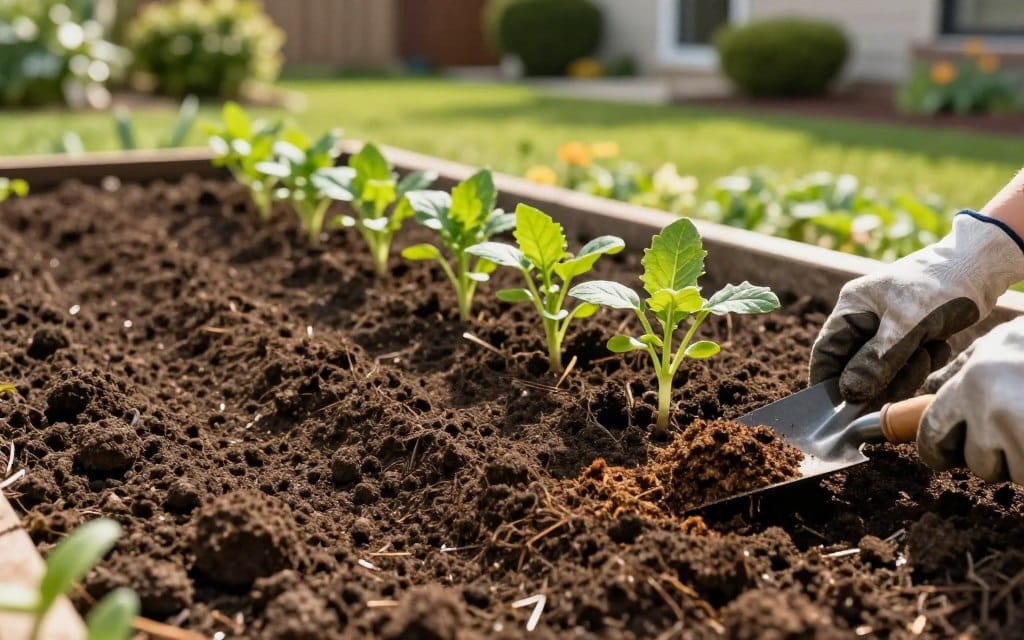
Give plants the right start: loosen compacted ground and add organic matter so roots can thrive. Proper preparation reduces surprise problems and keeps color and form in beds for years.
Loosen soil and add compost for drainage and root growth
Remove turf where the new bed will sit, dig down about 12 inches, and break the subsoil. Mix in compost to improve aeration and drainage so trees, shrubs, and flowers establish faster.
Read plant tags for spacing, light needs, and care
Plant tags tell you spacing, sun exposure, and watering notes. Follow those details to avoid crowding that forces constant pruning or replacements later.
Group plants by water needs to simplify irrigation
Hydrozoning—planting by water requirement—lets timers and drip lines run efficiently. Group thirsty species together and keep drought-tolerant ones in separate beds to cut wasted water and chores.
| Approach | Benefit | Care note |
|---|---|---|
| Dense planting | Shades soil; suppresses weeds | Less weeding once established; needs correct spacing |
| Minimalist bed | Cleaner lines; modern appeal | Relies on mulch; periodic weeding and refill |
| Mulch + compost | Improves soil, retains moisture | Replenish yearly; supports long-term plant health |
Finish with curb appeal details that also improve safety
Simple entry improvements give your home a polished look while making walkways and driveways safer. Small upgrades often stack: they guide guests, add color, and reduce trips or visibility problems.
Entry upgrades that welcome and guide
An arbor or trellis with a climbing vine frames the path and creates a focal point. Two matching containers by the porch add controlled color and are easy to change seasonally.
Finish with a tasteful wreath, a durable doormat, and one or two porch furnishings to form a cozy arrival without extra weekly chores.
Lighting for safety and navigation
Place lights along walkways, at steps, and near the driveway edge to avoid trips after dark. Low-glare fixtures and timers improve security and save energy.
Clear sight lines and visible house numbers
Keep plants below window and vehicle sight heights along driveways to preserve safe views. Choose bold, illuminated house numbers placed near the porch or entry for quick ID by guests and responders.
| Upgrade | Benefit | Upkeep | Best placement |
|---|---|---|---|
| Arbor/trellis | Frames entrance; adds vertical interest | Annual prune; climber check | Over path or at gate |
| Matching containers | Instant color; focal anchors | Seasonal refresh; localized watering | Flanking porch steps |
| Path & step lighting | Reduces trips; boosts curb appeal | Timer checks; bulb replacement | Along walkways and steps |
| Visible house numbers | Quick identification; emergency access | Clean and light as needed | Near main entry or mailbox |
Good front yard decisions pair beauty with function. These small, smart choices improve curb and curb appeal, guide guests naturally, and cut accident risk. The best results come from stacking modest moves, not chasing high-effort perfection.
Conclusion
Small, deliberate moves—one bed, one path, one container—often create the biggest impact at the curb. Use a repeatable process: define goals, map sun/soil/traffic, pick a style, design for mature size, then pare back lawn and favor resilient plants.
Prioritize native plants, perennials, evergreens, and ornamental grasses paired with mulch, crisp edging, and purposeful hardscape. These choices cut ongoing work, save water, and keep color and interest through seasons.
Expect the first season to be the busiest while plants establish and irrigation is tuned. After that, weekly time drops and the garden settles into a simpler routine.
Curb appeal follows clarity: clean lines, healthy planting, and a welcoming entry that fits your home and neighborhood. Revisit the plan each season to refine color and interest without adding heavy upkeep.
Next step: sketch the front yard, list three priorities, and pick one change to implement this month for immediate impact.