by blaze@vaidigitalsolutions.com | Oct 23, 2026 | hardscaping
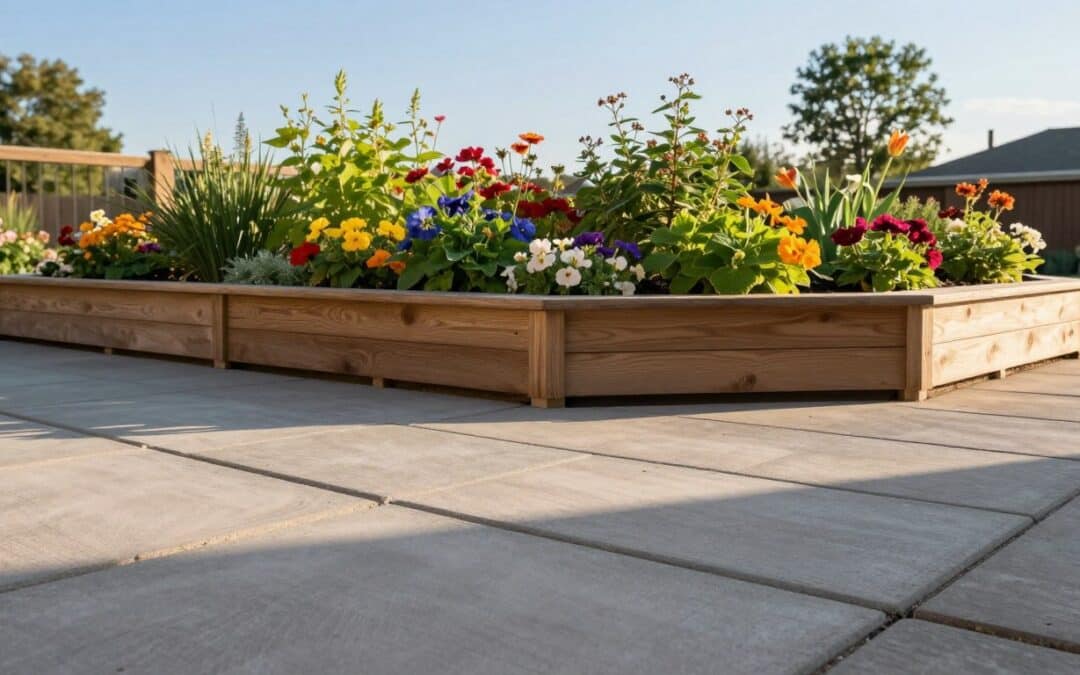
Concrete pavers create walking and patio surfaces, while retaining wall blocks are made to hold back soil. In a Denver yard, pavers could form a patio, while wall blocks could support a raised garden bed. Retaining wall installation also affects whether the chosen...
by blaze@vaidigitalsolutions.com | Oct 22, 2026 | hardscaping
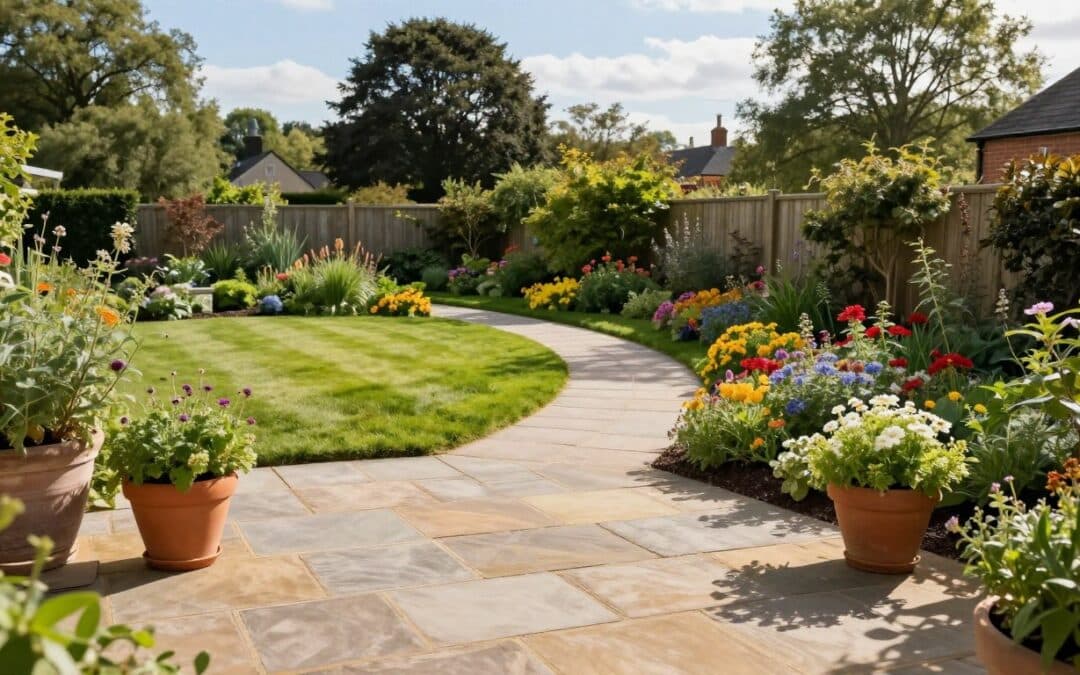
Hardscaping is the nonliving, built framework of an outdoor space: patios, paths, retaining walls, steps, fire pits, and water features made from materials such as stone, brick, concrete, gravel, or wood. In Northampton, MA, it can organize a yard for walking,...
by blaze@vaidigitalsolutions.com | Oct 21, 2026 | hardscaping
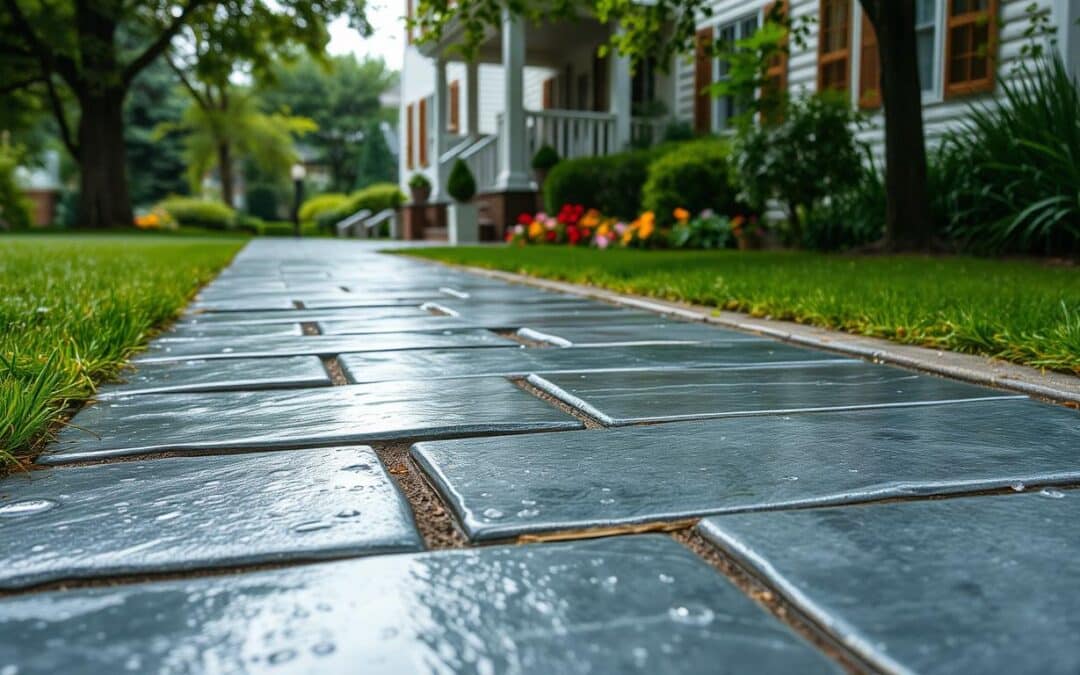
Bluestone is the strongest candidate for the longest-lasting New England walkway when it is laid on a stable, well-drained base and suited to the site. Its natural stone can endure for decades, while pavers offer easier spot repairs and stamped concrete can show...
by hannah@vaidigitalsolutions.com | Sep 23, 2026 | hardscaping
For paver patio base depth new england projects, a 4- to 6-inch compacted base often suits foot traffic. Clay soil, poor drainage, heavy loads, and repeated freeze-thaw cycles can require more depth. The hidden paver base controls movement, settlement, and water flow,...
by Adam | Aug 25, 2026 | hardscaping
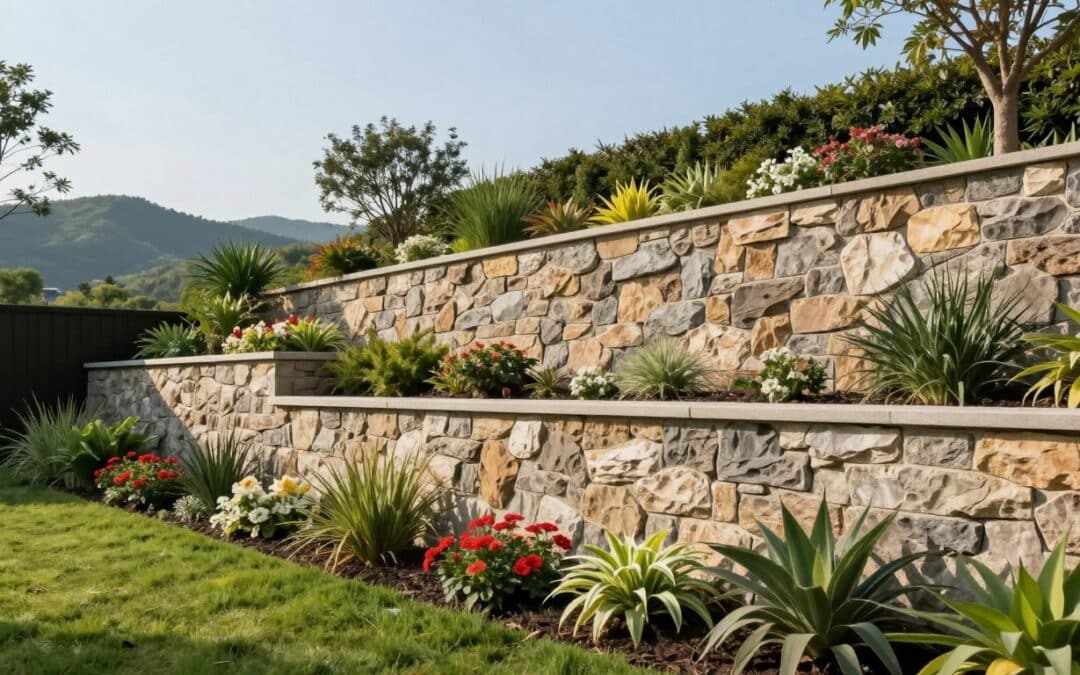
Retaining walls hold back soil or water and create level areas on sloping properties. In Wilbraham, MA, frost-resistant materials, strong drainage, and a stable base help these structures withstand years of seasonal moisture and freeze-thaw cycles. Picture a homeowner...
by hannah@vaidigitalsolutions.com | Aug 23, 2026 | hardscaping
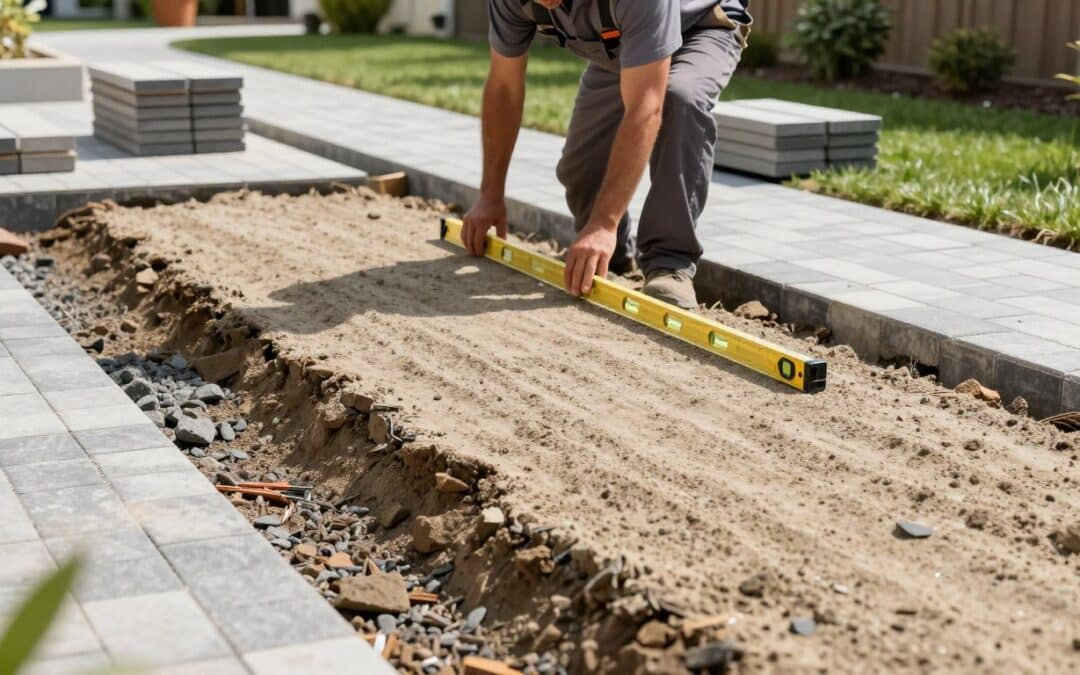
To learn how to install paver walkway surfaces, excavate 6–8 inches, build a firm gravel base, add about 1 inch of bedding sand, place the units, and sweep sand into the joints. In Wilbraham, Massachusetts, strong drainage and careful compaction help limit frost...