

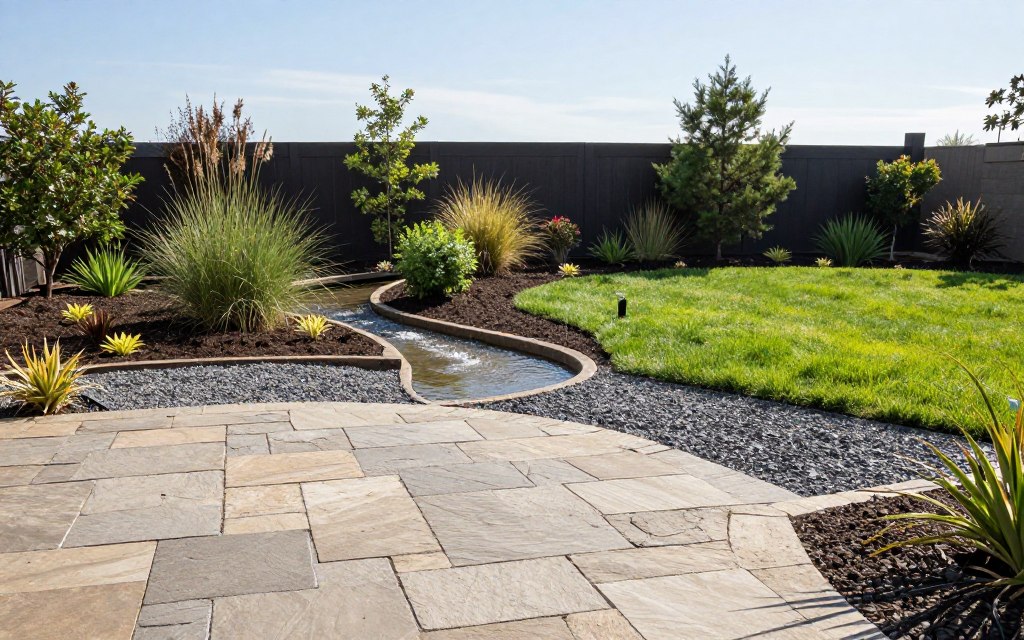
Have you ever wondered why your backyard turns into a muddy swamp every time it rains? Dealing with poor soil quality and standing water can be incredibly frustrating for any homeowner. Fortunately, using hardscaping is an effective way to fix these drainage issues while boosting your property’s overall functionality.
Strategic design choices allow you to manage surface water effectively while protecting your landscape. By understanding the connection between soil health and water runoff, you can create a more resilient outdoor environment. This approach helps you transform a soggy, unusable yard into a beautiful and dry space that you can enjoy year-round.
Key Takeaways
- Identify the root causes of poor drainage in your yard.
- Use stone and pavers to redirect water away from your home.
- Improve soil health by managing moisture levels effectively.
- Create functional outdoor living areas that remain dry.
- Select durable materials that withstand wet conditions.
- Enhance your property value through smart landscape design.
Understanding Hardscaping in Landscaping Design
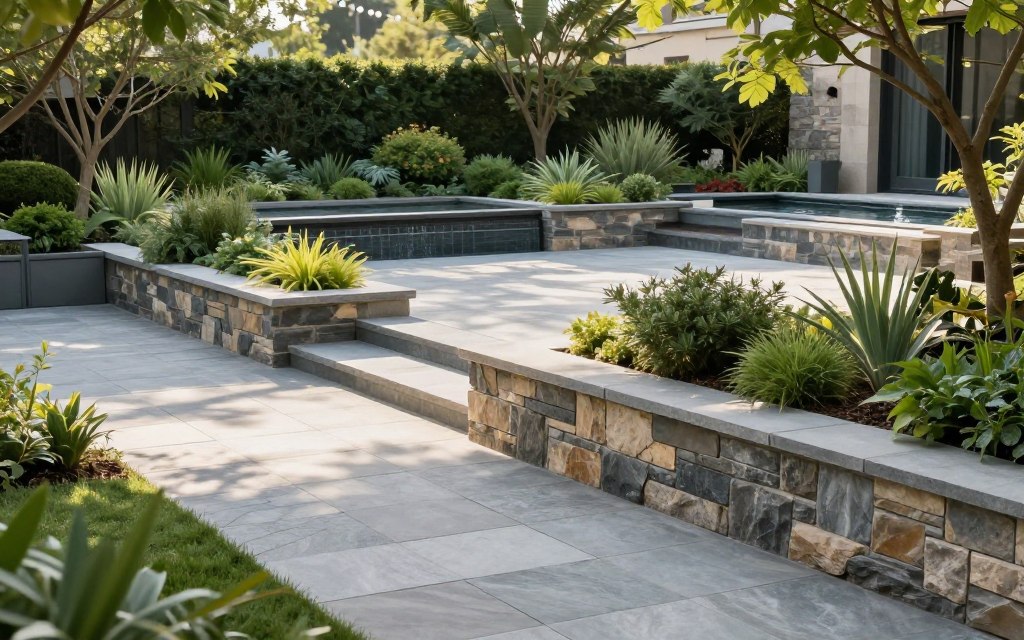
Creating a functional outdoor space involves balancing natural elements with permanent, man-made features. When you begin understanding hardscaping in landscaping, you realize it serves as the skeleton of your garden. These elements provide the necessary framework that allows your yard to remain beautiful and usable throughout the changing seasons.
Definition of Hardscaping
Hardscaping refers to all the non-plant components used in your outdoor environment. This includes materials like stone, brick, concrete, and wood that define the layout of your property. By learning what is hardscaping services, you can better identify which features will improve your home.
These features are essential for creating comfortable outdoor living spaces that extend your home’s square footage. Unlike plants, which grow and change, these structures offer a permanent solution for your design needs. They act as the foundation for every other element in your yard.
Importance in Landscape Architecture
In professional landscape architecture, these features are vital for managing the flow of foot traffic. They guide visitors through your garden while protecting delicate lawn areas from constant wear. A well-planned design ensures that your outdoor living spaces are both accessible and aesthetically pleasing.
| Feature Type | Primary Function | Common Materials |
|---|---|---|
| Hardscaping | Structure and Traffic | Pavers, Stone, Concrete |
| Softscaping | Aesthetics and Ecology | Plants, Trees, Grass |
| Hybrid | Integration | Wood, Gravel, Mulch |
Integrating these components thoughtfully allows you to solve common terrain issues while adding value to your property. Proper placement of these materials ensures that your yard remains functional regardless of the weather. This strategic approach is the hallmark of a truly professional landscape design.
Common Issues Caused by Bad Soil
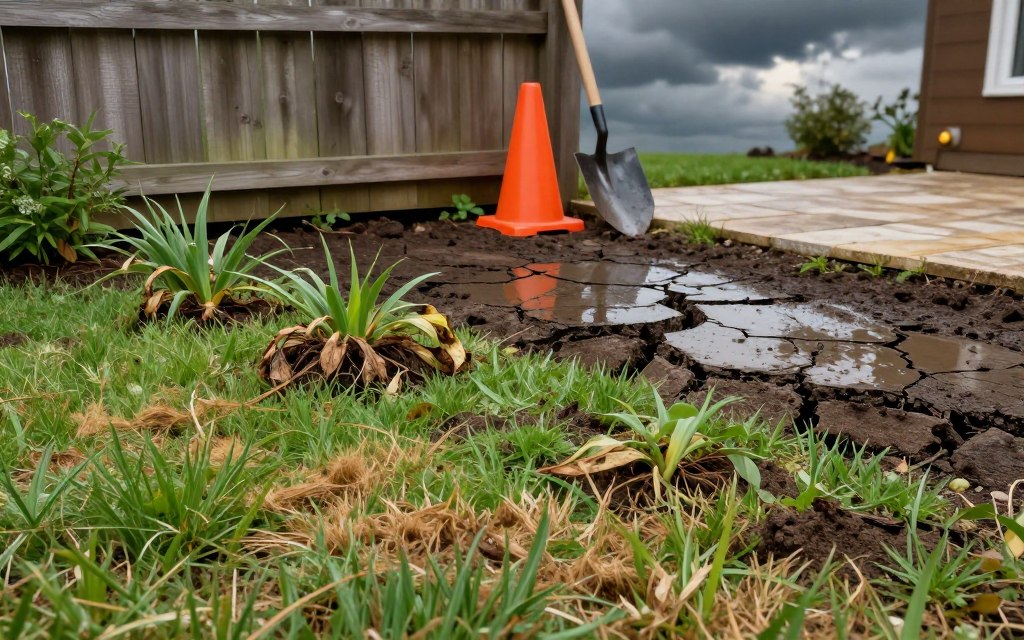
When your soil is unhealthy, it creates a chain reaction of problems for your entire landscape. Many homeowners struggle with their lawns because of hidden issues beneath the surface that prevent proper maintenance. Addressing these underlying conditions is essential for anyone looking for professional hardscaping in Ludlow, Hampden, and Wilbraham.
Drainage Problems
Bad soil conditions, particularly compaction, create significant barriers that prevent water from moving through the ground. When the top layers of soil become too dense, water remains trapped on the surface instead of soaking in. This leads to persistent drainage problems that can quickly ruin your lawn and kill your grass.
Standing water often signals that the earth beneath your feet is unable to absorb moisture effectively. Over time, this saturation can weaken the foundation of your yard. Identifying these drainage bottlenecks early is the first step toward implementing a long-term solution for your property.
Plant Health and Growth
Poor soil health directly impacts plant growth by restricting root development. When soil is too hard or lacks the right texture, roots struggle to push through the ground to find the space they need. This physical barrier prevents plants from establishing a strong, healthy base.
Furthermore, dense or depleted soil limits access to essential nutrients that plants require to thrive. Without proper aeration and nutrient flow, your garden may appear stunted or discolored. Improving your soil quality ensures that your plants have the best environment to grow and flourish throughout the seasons.
The Impact of Pooling Water
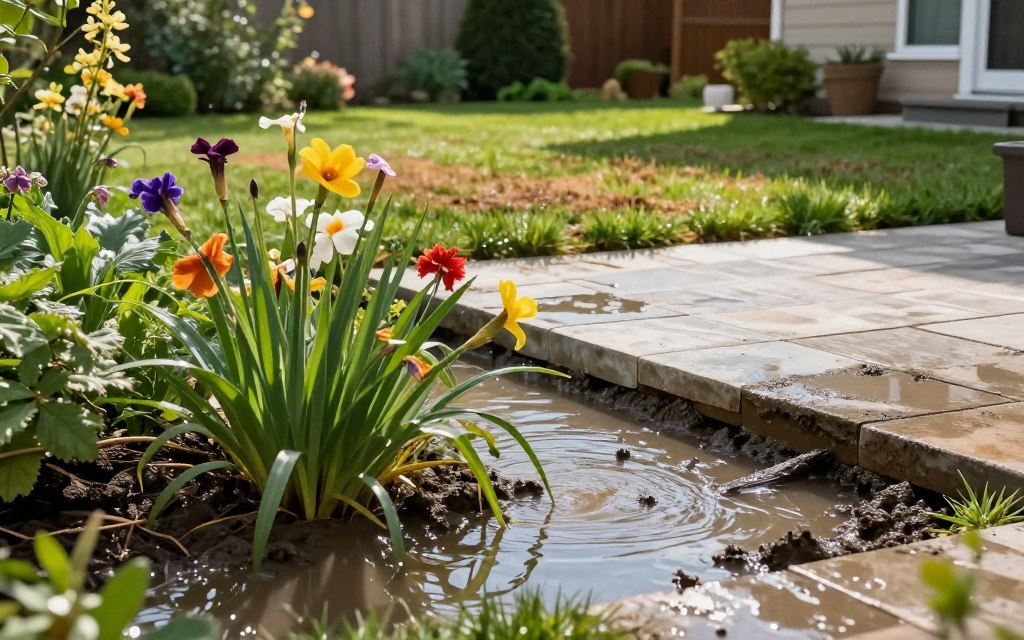
Your outdoor space should be a sanctuary, but pooling water can quickly turn it into a liability. When moisture fails to drain properly, it lingers on the surface and creates a variety of hidden risks. Recognizing these dangers early helps you protect your family and your property investment.
Safety Hazards
Standing water creates immediate physical dangers for anyone walking through your yard. Slick surfaces on walkways or patios often lead to accidental slips and falls. These incidents are especially risky for children and elderly residents who may lose their footing on wet, mossy, or muddy ground.
Beyond physical accidents, stagnant water serves as a breeding ground for unwanted pests. Mosquitoes thrive in these damp environments, which increases the risk of insect-borne illnesses. Keeping your yard dry is a vital step in maintaining a healthy and comfortable living space for your household.
Damage to Surrounding Structures
Water that collects near your home often seeks the path of least resistance. When it pools against your foundation, it can seep into small cracks and compromise the structural integrity of your house. Over time, this moisture leads to basement leaks, mold growth, and expensive repairs.
Hardscaping elements like retaining walls and pavers also suffer when water is not managed correctly. Constant saturation softens the soil beneath these structures, causing them to shift, crack, or sink. The following table outlines the common risks associated with poor drainage in your landscape.
| Risk Factor | Primary Consequence | Long-term Impact |
|---|---|---|
| Foundation Saturation | Structural instability | Costly home repairs |
| Surface Erosion | Loss of topsoil | Damaged garden beds |
| Pest Infestation | Health concerns | Reduced outdoor comfort |
| Hardscape Shifting | Uneven walkways | Trip and fall hazards |
Benefits of Hardscaping
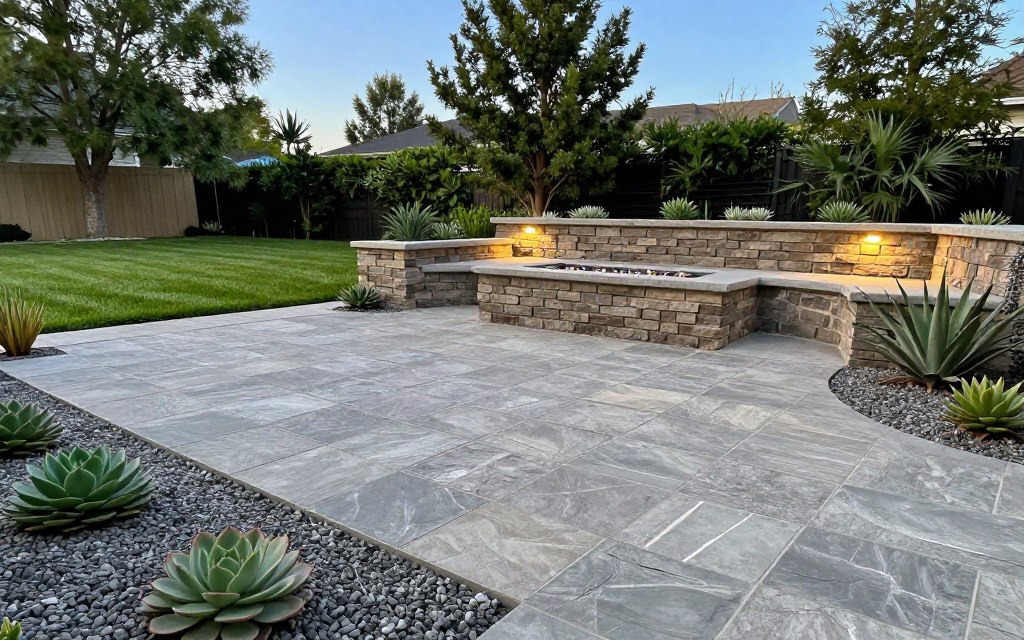
Many homeowners discover that the secret to a thriving yard lies in the strategic use of permanent landscape features. When you learn what is hardscaping, you realize it is more than just stone and concrete. It is a vital tool for balancing the natural elements of your property with modern design needs.
Improved Drainage Solutions
One of the primary advantages of this approach is the ability to manage excess water effectively. By using permeable materials, you allow rainwater to infiltrate the ground rather than pooling on your lawn. This process protects your soil health and prevents water from damaging your home foundation.
Properly installed hardscaping creates a natural path for runoff to follow. This keeps your garden beds dry and prevents the muddy conditions that often plague poorly designed yards. It is a practical way to ensure your landscape remains functional even during heavy rainfall.
Aesthetic Appeal
Beyond the technical advantages, these features provide immense visual value to your property. They help define specific areas, such as seating zones or garden borders, which adds structure to your outdoor space. This organization makes your yard feel intentional and well-planned.
You can also use different materials to add texture and contrast to your landscape design. Whether you choose natural stone or modern pavers, hardscaping elevates the overall look of your home. It turns a simple patch of grass into a beautiful, multi-dimensional living area that you can enjoy throughout the year.
Analyzing Soil Conditions
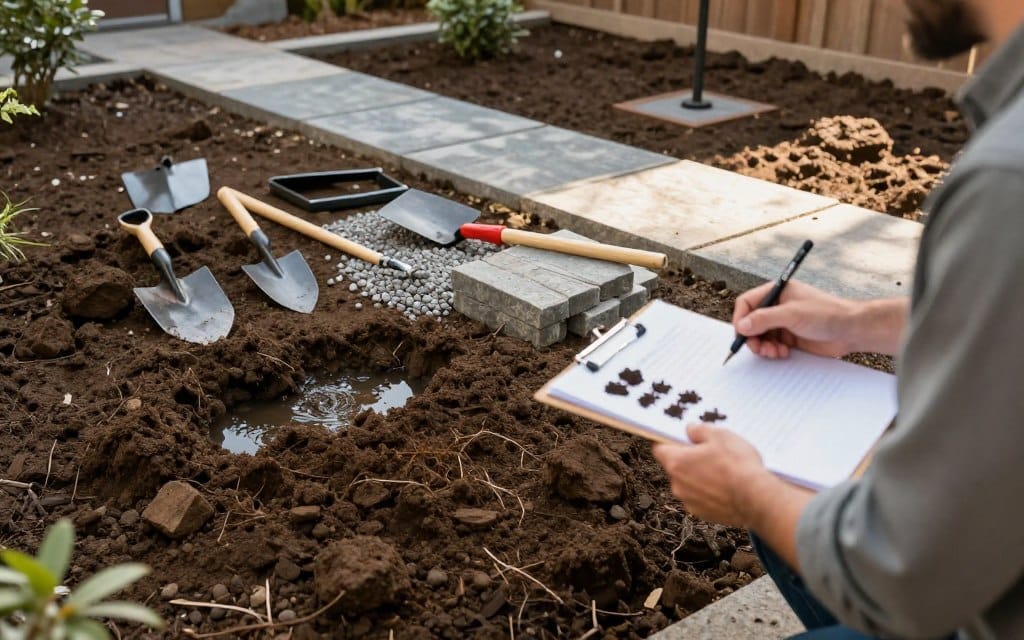
A beautiful landscape starts with healthy soil, so let’s examine how to check yours before starting a backyard renovation. Understanding the quality of your ground is the most important step in any successful project. It ensures that your hardscaping features remain stable and level for years to come.
Signs of Bad Soil
You can often spot poor soil quality just by observing your lawn after a rainstorm. Persistent puddles that refuse to drain are a major red flag for drainage bottlenecks. You might also notice stunted grass growth or patches where nothing seems to thrive.
If the ground feels excessively hard or compacted when you walk on it, your soil likely lacks proper aeration. These conditions make it difficult for roots to grow and for water to move through the earth. Identifying these issues early is a vital part of your backyard renovation planning.
Testing Your Soil
Once you identify potential problems, you should perform a simple soil test to understand the composition. You can use a basic home kit to check the pH levels and nutrient content of your dirt. This data helps you decide if you need to add organic matter or sand to improve the structure.
If the soil is too dense, mechanical aeration can help break up the compaction. Adding compost or mulch can also improve drainage and provide essential nutrients for your plants. Taking these steps creates a solid base for any future construction.
| Soil Issue | Primary Symptom | Recommended Fix |
|---|---|---|
| Compaction | Hard, dense surface | Mechanical aeration |
| Poor Drainage | Standing water | Add organic matter |
| Nutrient Deficiency | Yellowing plants | Apply balanced fertilizer |
Choosing Appropriate Hardscaping Materials
Your choice of materials plays a vital role in how your yard handles water. Selecting the right components for your project ensures both long-term durability and effective moisture management. By making informed decisions, you can prevent future drainage headaches while creating a stunning outdoor environment.
Pavers and Stones
Many homeowners prefer paver patios because they offer a perfect blend of beauty and function. These materials are often installed with small gaps that allow rainwater to seep into the ground naturally. Using custom pavers allows for creative designs that also support better soil health by reducing surface runoff.
Natural stone is another excellent option for your hardscaping needs. It provides a timeless look while maintaining the permeability required to keep your landscape dry. Proper installation is key to ensuring these materials perform well during heavy rain.
Concrete and Wood Options
While concrete is a popular choice for many, it is often non-porous and can lead to pooling if not sloped correctly. If you choose concrete, consider using permeable pavers or gravel borders to help manage water flow. This approach keeps your hardscaping functional without sacrificing your preferred aesthetic.
Wood is a beautiful material for decks and walkways, but it requires careful planning to avoid trapping moisture against the soil. Ensure there is adequate airflow beneath any wooden structures to prevent rot and water buildup. Balancing these materials with smart design choices will keep your outdoor space looking great for years.
| Material Type | Permeability | Best Use |
|---|---|---|
| Pavers | High | Patios and Walkways |
| Concrete | Low | Driveways |
| Wood | Moderate | Decks |
Designing for Drainage
Effective drainage is the hidden foundation of every successful landscape project. When you begin your outdoor renovation, you must look beyond the surface to understand how water behaves on your land. A thoughtful patio design integrates these natural patterns to ensure your yard remains dry and usable throughout the year.
Elevation and Slope Considerations
Every property features a unique topography that dictates how rainwater travels. Before laying a single stone, you should map out the high and low points of your garden. By identifying these natural slopes, you can position your hardscaping to work with gravity rather than against it.
A slight grade is essential for any flat surface installation. Even a subtle tilt helps guide water away from your home’s foundation and toward safer areas. This proactive approach to patio design prevents the common issue of standing water that can damage your investment over time.
Channeling Water Away Effectively
Once you understand your property’s slope, you can implement specific features to manage runoff. Swales and rain gardens serve as excellent natural drainage systems that capture excess moisture. These elements turn potential flooding problems into beautiful, functional landscape features.
Strategic grading ensures that water flows toward these designated zones instead of pooling near your patio. Proper planning during the initial phase of your patio design saves you from costly repairs later. Consider the following methods to keep your outdoor space protected from heavy rainfall:
| Drainage Method | Primary Function | Best Use Case |
|---|---|---|
| Surface Grading | Directs water flow | General yard leveling |
| French Drains | Subsurface collection | High-saturation areas |
| Rain Gardens | Natural absorption | Low-lying collection points |
By combining these techniques, you create a resilient landscape that stands up to the elements. Always prioritize water management to maintain the beauty and longevity of your outdoor living area.
Implementing Retaining Walls
Transforming a sloped yard into a usable space often begins with the strategic placement of retaining walls. These structures act as a powerful backbone for managing difficult terrain while preventing soil erosion. By holding back earth, they allow you to reclaim areas of your property that were previously inaccessible.
Types of Retaining Walls
Gravity walls are the most common choice for smaller slopes, relying on their own weight to hold back the soil. These are often built using heavy stones or interlocking concrete blocks that do not require complex reinforcement.
Cantilever walls use a concrete slab foundation to provide extra stability for taller structures. For even steeper inclines, anchored walls utilize cables or rods driven deep into the soil to provide superior structural support.
| Wall Type | Best Use Case | Material |
|---|---|---|
| Gravity | Small garden beds | Natural Stone |
| Cantilever | Medium slopes | Reinforced Concrete |
| Anchored | High-stress inclines | Steel and Concrete |
When to Use Them
You should consider installing these walls whenever you notice significant soil movement or drainage issues on a slope. They are essential for creating level terraces, which provide the perfect foundation for planting gardens or installing dry wells.
Beyond structural support, these walls add a sophisticated look to your outdoor space. When implemented correctly, they effectively channel water away from your home foundation, protecting your property from long-term water damage.
Enhancements Through Hardscaping Features
Hardscaping offers a brilliant way to turn problematic soil into a beautiful outdoor space. By integrating structural elements, you can effectively manage water runoff while creating stunning outdoor living spaces that add value to your home.
Patios and Walkways
Proper patio installation is essential for ensuring that your new surfaces do not trap water against your home foundation. Using custom pavers allows for better permeability, which helps water filter into the ground rather than pooling on the surface.
Thoughtful patio design can transform a muddy, unusable yard into a clean and inviting area. Whether you choose natural stone or concrete, paver patios provide a durable foundation that stands up to the elements while looking great.
Driveways and Fire Pits
Expanding your hardscaping to include a driveway or a fire pit can significantly improve your outdoor entertainment area. These features serve as focal points that encourage family gatherings and social events throughout the year.
When planning these additions, consider the slope of your land to ensure water flows away from structures. A well-placed fire pit area can act as a dry zone, while permeable driveway materials help manage heavy rainfall effectively.
| Feature | Primary Benefit | Drainage Impact |
|---|---|---|
| Custom Pavers | High Aesthetic Appeal | Excellent Permeability |
| Concrete Patios | Low Maintenance | Requires Proper Slope |
| Stone Walkways | Natural Look | Good Water Absorption |
| Fire Pit Areas | Social Utility | Requires Elevated Base |
Maintenance Tips for Hardscaping
Maintaining your yard after a professional patio installation is easier than you might think. Consistent care keeps your outdoor features looking beautiful while ensuring that your drainage systems function correctly. By staying proactive, you protect your investment and keep your property in top condition throughout the year.
Regular Inspections
You should walk through your landscape at least once a month to check for potential issues. Look closely at your pavers to see if any have shifted or become uneven over time. Catching these small movements early prevents larger, more expensive repairs later.
Check your drainage channels and grates for any buildup of dirt or leaves. If water does not flow freely, you may need to clear the path to prevent pooling. A quick visual check helps you maintain the structural integrity of your hardscaping features.
Seasonal Care Techniques
Each season brings different challenges for your outdoor surfaces. During the autumn months, focus on removing fallen leaves and debris from your walkways to prevent staining and moisture buildup. After a major patio installation, keeping the surface clean is the best way to preserve its original finish.
When winter approaches, ensure that your downspouts are clear and directed away from your foundation. Spring is the perfect time to pressure wash stone surfaces and re-sand the joints between pavers. Following this simple schedule will keep your yard pristine and functional.
| Task | Frequency | Goal |
|---|---|---|
| Surface Cleaning | Monthly | Remove debris and stains |
| Drainage Check | Quarterly | Ensure water flow |
| Joint Sanding | Annually | Stabilize pavers |
| Structural Inspection | Bi-Annually | Identify shifting or cracks |
Conclusion: Transforming Your Landscape
Turning a soggy, unusable yard into a vibrant outdoor entertainment area creates a lasting impact on your home life. This process requires careful planning and a commitment to quality materials that stand the test of time.
A successful backyard renovation changes how you interact with your property every single day. You gain a functional space that invites relaxation and social gatherings regardless of the weather conditions.
Taking the First Steps
Begin your journey by assessing the current drainage patterns in your yard. Identifying low spots allows you to implement smart hardscaping solutions that protect your foundation and improve soil health.
Consult with local experts or visit reputable suppliers like Belgard or Unilock to explore durable stone and paver options. Taking action now prevents future water damage and ensures your investment remains beautiful for years.
Lasting Value for Your Home
Well-designed landscapes provide comfort and utility that grow with your family. You deserve a yard that serves as a peaceful retreat rather than a source of constant maintenance stress.
Prioritize these improvements to boost your property value and overall quality of life. Your dream yard is within reach when you combine smart design with the right structural elements.