

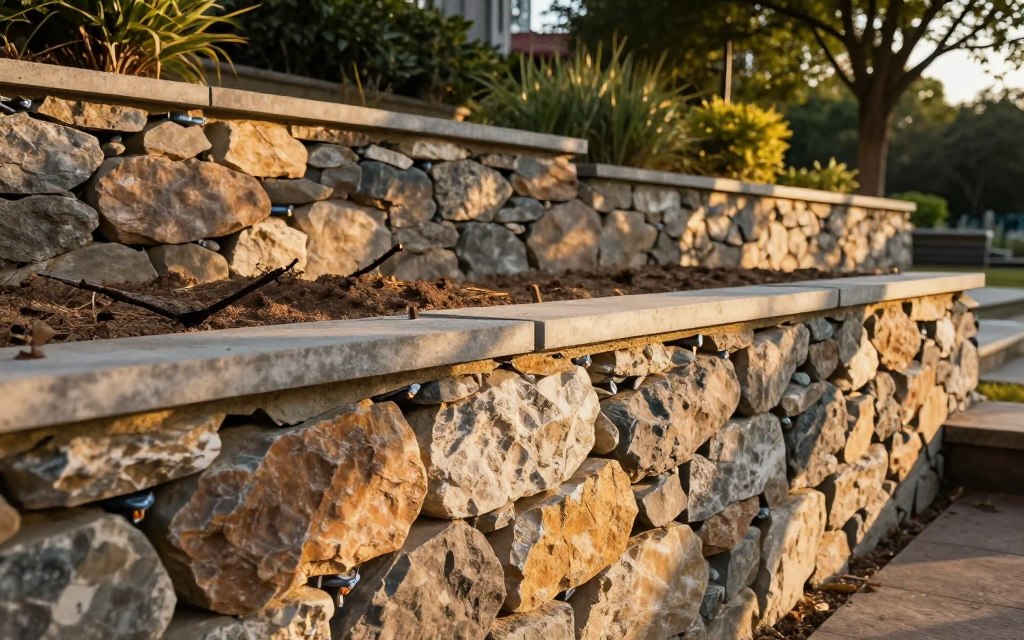
Have you ever wondered if your property’s retaining walls are actually holding up, or if they are secretly hiding a dangerous structural secret? Many homeowners treat these features as simple garden decorations, but they serve as vital engineering assets that protect your land.
Understanding the true condition of these structures is essential for maintaining both the safety and the long-term value of your home. When you ignore minor shifts, you risk a total collapse that could cost thousands of dollars to repair.
These complex systems require careful monitoring to ensure they remain stable over time. By identifying warning signs early, you can address stress before it becomes a major disaster. Let’s look at the critical indicators that your retaining walls might be under extreme pressure.
Key Takeaways
- Recognize that these structures are complex engineering assets, not just aesthetic features.
- Prioritize regular inspections to catch early signs of structural stress.
- Understand that early intervention prevents the high costs of a total collapse.
- Monitor your landscape for shifting soil or visible cracks in the masonry.
- Protect your property value by maintaining the integrity of your outdoor barriers.
Understanding Retaining Walls and Their Purpose
Many homeowners overlook the complex engineering required to hold back tons of earth in their own backyards. These structures are essential assets that require precise retaining walls installation to function safely over many decades. By managing the elevation changes on your property, you protect your home from erosion and soil movement.
What Are Retaining Walls?
At their core, retaining walls are rigid structures designed to contain soil between two different elevations. They are commonly used in areas with steep slopes to create usable, flat ground for gardens or patios. Proper retaining wall design is vital to ensure the wall does not collapse under the weight of the earth it supports.
How Do Retaining Walls Function?
These structures work by resisting the lateral pressure of the soil behind them. When soil becomes saturated with water, this pressure can reach hundreds of tons, putting immense strain on the wall. A well-engineered system includes drainage features to relieve this hydrostatic pressure and prevent structural failure.
Common Materials Used for Retaining Walls
There are several types of retaining walls available to suit different aesthetic and functional needs. Popular choices include poured concrete, natural stone, and treated timber. Each material offers unique benefits regarding durability, cost, and visual appeal for your landscape.
| Material | Durability | Maintenance |
|---|---|---|
| Concrete | High | Low |
| Natural Stone | Very High | Low |
| Timber | Moderate | High |
Sign
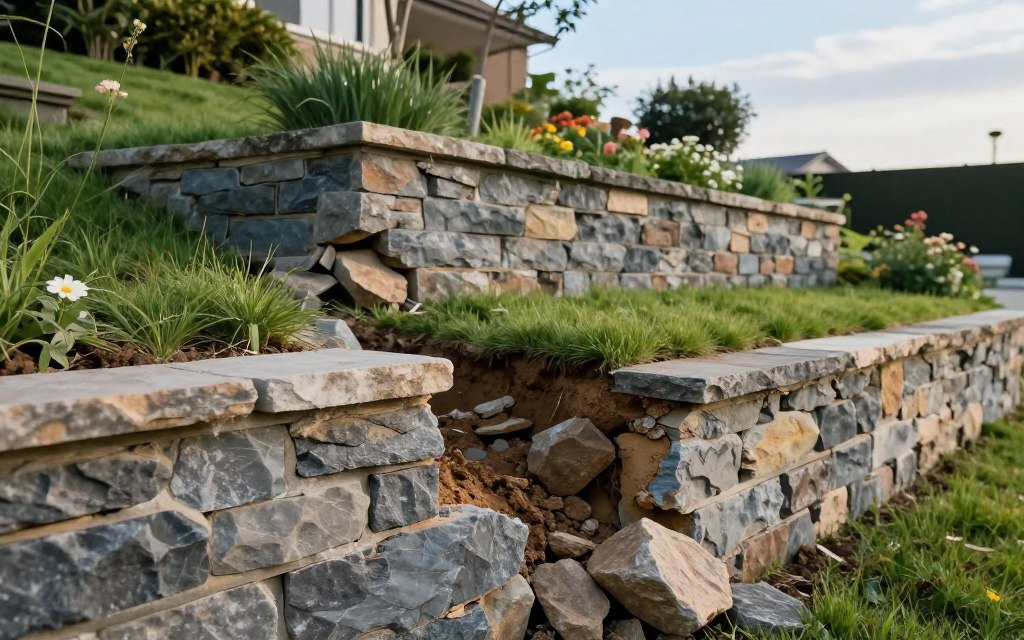
Your outdoor space relies on the stability of your retaining walls to remain secure and functional. While these structures are built to last, they are not immune to the pressures of soil movement and weather. Keeping a close watch on their condition is the most effective way to prevent minor issues from turning into dangerous hazards.
Recognizing visual cues early allows you to address problems before they compromise the entire system. When you inspect your property, look for subtle shifts in the alignment or surface texture of your masonry. These small changes often serve as the first indicator that the structural integrity of your retaining walls is being tested by external forces.
The following table outlines common visual indicators that homeowners should monitor to ensure their landscape remains safe and stable.
| Indicator Type | Minor Warning Sign | Major Structural Concern |
|---|---|---|
| Surface Texture | Hairline surface cracks | Deep, jagged fissures |
| Wall Alignment | Slight vertical deviation | Visible bowing or leaning |
| Drainage Status | Damp patches on stone | Pooling water behind wall |
| Material State | Minor mortar crumbling | Loose or missing blocks |
By staying vigilant, you can protect your investment and maintain the beauty of your yard. Early detection is always better than waiting for a complete failure to occur. If you notice any of these signs, it is time to evaluate the health of your retaining walls more closely.
1: Cracks and Damage in the Structure
Have you ever wondered if a simple crack in your outdoor masonry is actually a silent cry for help from your home’s foundation? When you inspect your retaining walls, it is vital to distinguish between harmless surface weathering and dangerous structural failure.
A horizontal crack is a major red flag that suggests your internal reinforcement is failing or was poorly designed from the start. While thin vertical lines often result from minor soil settlement, horizontal fissures indicate that the structure is buckling under intense pressure.
If you notice concrete flaking or exposed steel, the degradation is likely moving much faster than you think. Ignoring these signs can lead to a total collapse, turning a manageable repair into a costly disaster. Always prioritize professional inspections when you spot these warning signs.
Key Takeaways
- Horizontal cracks are serious indicators of structural failure.
- Vertical cracks are often caused by minor, non-threatening settlement.
- Exposed steel and flaking concrete signal rapid degradation.
- Poor design or failing internal reinforcement often causes buckling.
- Early professional intervention prevents total structural collapse.
Sign

Many homeowners overlook the quiet signs of distress that precede a total collapse of their retaining walls. While deep cracks are alarming, other subtle indicators often suggest that the internal integrity of your structure is compromised. Recognizing these shifts early can save you from expensive repairs or a complete rebuild.
One common, yet often ignored, sign is the appearance of soil buildup or erosion at the base of the structure. When the drainage system fails, water pressure builds up behind the masonry, forcing soil through gaps or over the top. This movement indicates that your hardscaping services may need a professional assessment to restore proper drainage.
You should also watch for vegetation growth that seems to be pushing against the stones or blocks. Roots can exert significant pressure, slowly prying apart the components of your retaining walls. If you notice plants taking root in the joints, it is a clear signal that the mortar or interlocking mechanism is losing its grip.
Finally, pay attention to any changes in the surrounding landscape, such as sinking ground or new depressions near the wall. These shifts often point to hidden voids or soil displacement caused by water movement behind the barrier. Addressing these subtle warnings now ensures that your retaining walls remain a stable and attractive feature of your outdoor space for years to come.
Sign
Identifying the early warning signs of a failing wall can save you significant money and stress. While some issues are glaringly obvious, others develop slowly over time. You can learn more about these indicators by visiting a contractor when do you need a retaining wall signs to watch to ensure your property remains safe and stable.
Many homeowners overlook minor shifts in their landscape until a major collapse occurs. By staying vigilant, you can address small problems before they turn into expensive structural failures. Regular observation is the best tool in your maintenance kit.
The following table outlines common signs of distress and how quickly you should address them to prevent further damage to your yard.
| Indicator | Severity Level | Recommended Action |
|---|---|---|
| Hairline Cracks | Low | Monitor monthly |
| Soil Erosion | Medium | Improve drainage |
| Visible Leaning | High | Consult professional |
| Wall Collapse | Critical | Immediate repair |
Understanding these signs helps you maintain the integrity of your outdoor space. If you notice any of these symptoms, do not wait for the situation to worsen. Taking proactive steps today ensures your retaining wall continues to serve its purpose for years to come.
2: Water Accumulation Issues
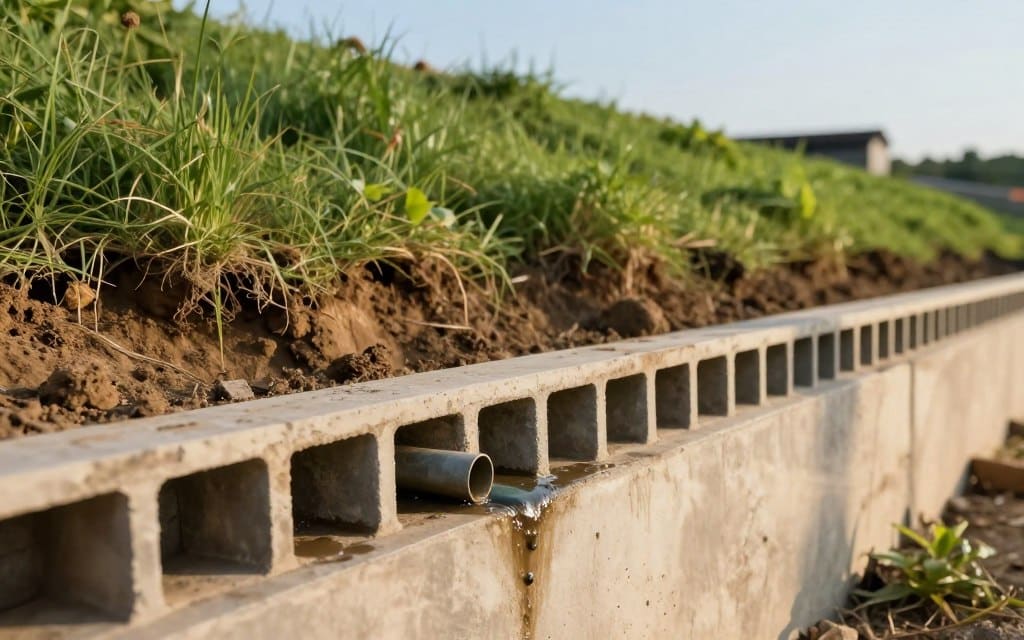
Have you ever wondered why your backyard structure suddenly starts to bulge or lean after a heavy rainstorm? The hidden culprit is often trapped moisture exerting massive force against your landscape features.
Hydrostatic pressure from trapped water is the most common cause of failure for these outdoor barriers. When soil becomes saturated, it expands and pushes against the structure with incredible weight.
If you notice liquid leaking through cracks instead of flowing out of designated weep holes, your system is likely overwhelmed. Proper maintenance of your drainage setup is often more critical to the repair process than the building materials themselves.
Key Takeaways
- Hydrostatic pressure is the primary reason for structural failure in landscape barriers.
- Excessive moisture causes bulging or belly formations in the face of the structure.
- Water leaking through cracks indicates that your current drainage system is clogged or failing.
- Weep holes are essential for relieving pressure behind the soil.
- Prioritizing drainage repairs is more effective than simply replacing surface materials.
Sign
The physical orientation of your wall serves as a primary indicator of its overall health. When you notice that your structure is no longer perfectly vertical, it often suggests that the foundation is struggling to support the weight of the soil. Monitoring these changes in your retaining walls is vital for the safety of your landscape and surrounding structures.
You can easily check for movement by using a simple carpenter’s level or a plumb line. Place the tool against the face of the wall to see if it remains true to the vertical plane. If you observe a gap between the tool and the wall, you are likely witnessing the early stages of a structural shift.
It is important to document these measurements over several weeks to determine if the movement is active. Small shifts can sometimes occur due to seasonal frost heave, but consistent leaning indicates a deeper problem. Professional assessment is recommended if the tilt increases after heavy rainfall or significant temperature changes.
| Observation Type | Severity Level | Action Required |
|---|---|---|
| Minor Leaning | Low | Monitor retaining walls monthly |
| Visible Bulging | Medium | Consult a structural engineer |
| Rapid Tilting | High | Immediate professional repair |
Taking these steps helps you maintain the stability of your property. By keeping a close eye on the orientation of your retaining walls, you can prevent costly collapses and ensure your outdoor space remains secure for years to come.
3: Tilting or Leaning of the Wall
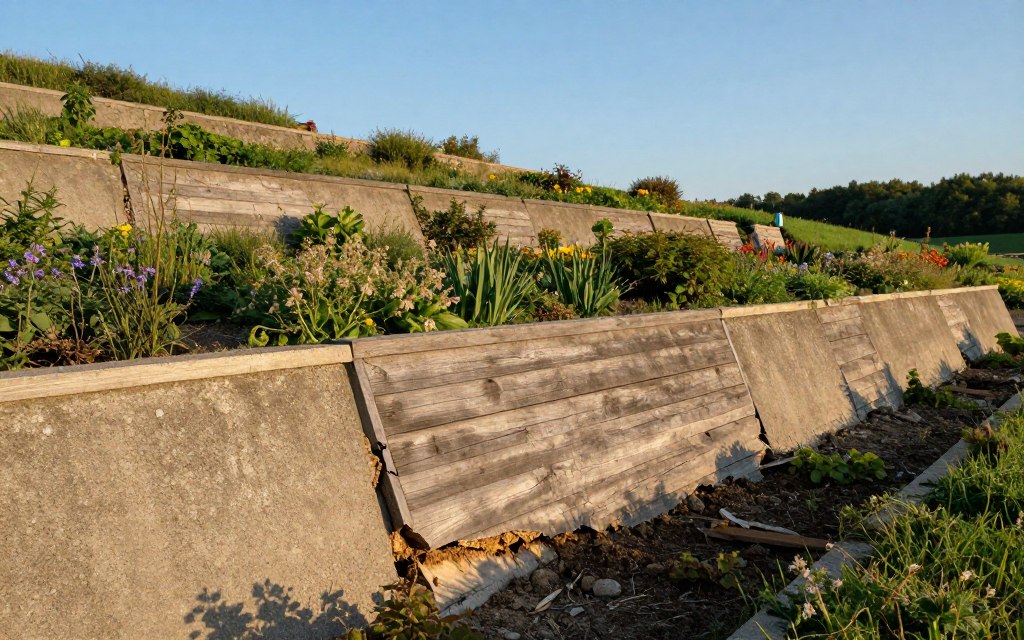
Have you ever wondered if a slight shift in your landscape structure is a sign of impending disaster? When you notice your retaining walls beginning to lean, it often signals a serious issue known as rotational failure.
A tilt of more than one or two inches is a major red flag. It suggests that the foundation is rotating or that the base width is simply inadequate to handle the pressure of the soil behind it.
You can easily check the verticality of your structure using a simple level or a plumb bob. If the center of gravity shifts past the toe of the footing, total overturning becomes an inevitable risk that requires immediate professional attention.
Key Takeaways
- A lean exceeding two inches indicates significant structural instability.
- Rotational failure occurs when the base cannot support the soil load.
- Use a plumb bob to verify if your structure is still vertical.
- Shifting centers of gravity lead to total collapse if left unaddressed.
- Early detection of movement helps prevent costly emergency repairs.
The Importance of Regular Inspections
Routine checkups are the most effective way to ensure your landscape features remain stable and secure. By taking a proactive stance, you can catch minor issues before they turn into expensive repairs or total failures. Consistent monitoring serves as the best insurance policy for your property.
How Often Should You Inspect Your Wall?
We recommend performing a thorough visual assessment of your retaining walls at least once every year. It is especially vital to walk the perimeter of your structure after heavy rain seasons or significant weather events. These periods put the most stress on your landscape, making them the perfect time to verify that everything is holding up as expected.
What to Look for During Inspections
When you examine your wall, pay close attention to the alignment of the retaining wall blocks. They should remain tight and level without any noticeable gaps or shifting. If you see white mineral deposits on the surface, do not panic. This is known as efflorescence, which is a common cosmetic issue that does not indicate structural failure.
While checking the surface, you must also inspect the retaining wall drainage system to ensure it remains clear of debris. Proper water flow is essential to prevent pressure buildup behind the structure. If you notice standing water or clogged pipes, address these concerns immediately to maintain the long-term health of your installation.
DIY vs. Professional Repair: Pros and Cons
When your landscape features show signs of wear, you must weigh the pros and cons of DIY versus professional help. Deciding how to manage retaining walls often comes down to the scale of the damage and your personal comfort level with construction tasks. While a diy retaining wall project might seem appealing for minor aesthetic updates, structural issues require a more cautious approach.
When to Consider DIY Repairs
You might consider handling minor maintenance tasks yourself if the damage is purely cosmetic. For example, if you notice a few loose retaining wall blocks or minor surface weathering, simple cleaning or re-stacking may suffice. These small tasks allow you to keep your landscape looking tidy without the need for heavy machinery or complex engineering.
However, you should only attempt these fixes if the wall remains stable and shows no signs of shifting. Always prioritize safety when working with heavy materials. If you feel unsure about the stability of the structure, it is best to step back and seek expert advice.
Benefits of Hiring a Professional
Structural repairs are a different matter entirely and usually require the expertise of professional retaining wall contractors. Attempting to patch a crack without addressing the underlying soil mechanics or hydraulic loads is often a waste of time and money. Professionals understand that repairing drainage is frequently more critical to the structural fix than the wall material itself.
By hiring a contractor, you ensure that the root cause of the failure is identified and corrected. Experts perform comprehensive site assessments to provide a permanent solution rather than a temporary band-aid. This investment protects your property value and prevents recurring issues that could lead to total wall collapse.
| Feature | DIY Repair | Professional Repair |
|---|---|---|
| Cost | Low (Materials only) | Higher (Labor and expertise) |
| Complexity | Low (Cosmetic only) | High (Structural/Drainage) |
| Longevity | Temporary fix | Permanent solution |
| Risk Level | Moderate to High | Low (Insured/Guaranteed) |
Cost Considerations for Retaining Wall Repairs
Budgeting for home improvements often feels overwhelming, especially when structural integrity is at stake. Understanding the financial commitment required for fixing your outdoor structures is a smart move for any homeowner. By preparing early, you can manage your finances while ensuring your property remains safe and stable.
Factors Affecting Repair Costs
The total price for fixing failing retaining walls depends on several unique variables. The severity of the damage is the primary driver, as minor cracks require far less labor than a complete structural collapse. Site accessibility also plays a major role, as difficult terrain can increase the time and equipment needed for the job.
Drainage issues often hide beneath the surface and contribute to long-term failure. Addressing these water problems early can save you thousands of dollars compared to waiting for a full wall replacement. Additionally, taller walls or those requiring specific engineering permits will naturally incur higher expenses during the repair process.
Budgeting for Repairs
When planning your budget, it is helpful to know the general market rates for professional services. Full wall replacement costs typically range from $50 to $100 or more per square foot of wall face. These figures can fluctuate based on the materials chosen and local labor rates in your area.
| Repair Type | Complexity | Cost Impact |
|---|---|---|
| Drainage Correction | Low | Budget-Friendly |
| Surface Patching | Medium | Moderate |
| Full Reconstruction | High | Significant |
Always set aside a contingency fund for unexpected issues discovered during the excavation phase. Proactive maintenance is the most effective way to keep your total retaining wall cost manageable over time. By acting quickly, you protect your investment and avoid the high price of a total structural failure.
Preventative Measures to Extend Wall Life
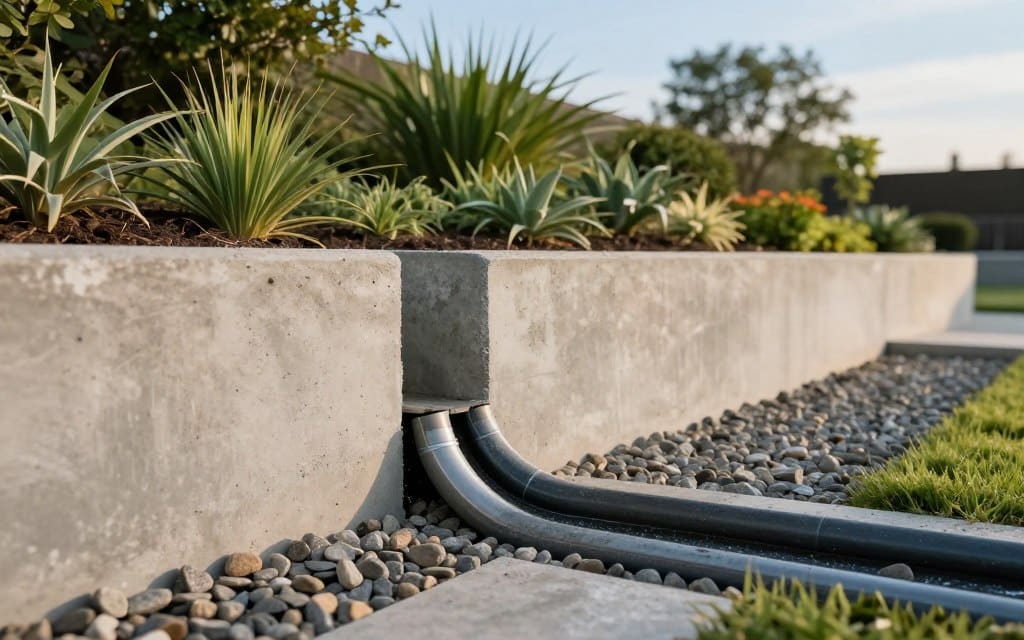
Protecting your investment starts with proactive care for your outdoor structures. By staying ahead of potential issues, you ensure that your landscape remains both beautiful and functional for many years. Consistent attention prevents minor problems from turning into costly repairs.
Tips for Regular Maintenance
Routine inspections are the most effective way to keep your retaining walls in peak condition. You should clear away debris, leaves, and dirt from the base of the wall at least twice a year. This simple habit prevents clogs that can compromise your retaining wall drainage system.
During your seasonal check, look for any signs of shifting or soil erosion near the foundation. If you notice water pooling behind the structure, address it immediately to prevent hydrostatic pressure. Proper retaining wall installation often includes these maintenance steps as part of the initial plan.
Landscaping Considerations to Prevent Failure
Thoughtful planning during the initial phase is vital for long-term success. A high-quality retaining wall design must incorporate clean, angular drain rock as backfill. This material allows water to flow freely, reducing the pressure that often leads to structural failure.
When choosing plants, avoid placing large trees or shrubs too close to the wall. Aggressive root systems can physically push against the structure or clog vital pipes over time. If you are looking for creative retaining wall ideas, opt for shallow-rooted ground covers or ornamental grasses that won’t threaten the integrity of your build.
Conclusion: Acting on the Signs of a Failing Wall
A failing wall acts as a liability that grows with every rainstorm. Prompt action remains essential for your property safety. You can protect your investment for years by recognizing signs of structural distress early.
Addressing these issues now prevents the high costs associated with a total collapse. You should prioritize regular maintenance to keep your landscape stable. Proper care, such as paver protection and maintaining outdoor surfaces, helps prevent water intrusion and surface damage that often compromise retaining walls.
Taking Prompt Action for Repairs
Small cracks or minor leaning often signal deeper problems beneath the surface. Ignoring these warnings leads to expensive structural failures. Contacting a professional allows you to identify the root cause before the damage spreads to other areas of your yard.
Long-Term Benefits of Addressing Issues Early
Proactive repairs save money and provide peace of mind. A well-maintained structure adds value to your home while ensuring the safety of your family. Keep your retaining walls in top shape to enjoy a beautiful and secure outdoor space for many seasons.