


Have you ever wondered if your beautiful yard is actually draining your bank account instead of adding value to your home? Proper landscaping is a vital investment that significantly boosts your property’s curb appeal and overall market worth.
Many homeowners unknowingly commit common errors that lead to expensive repairs and long-term damage. These mistakes often turn a dream outdoor space into a financial burden.
This article explores five critical pitfalls you should avoid to ensure your garden remains a functional asset. By understanding these issues, you can make informed decisions that save you both time and money.
Key Takeaways
- Recognize how poor planning leads to unnecessary financial loss.
- Learn to protect your property value through smart outdoor choices.
- Identify common errors that cause long-term structural damage.
- Discover how to turn your yard into a cost-effective asset.
- Gain actionable tips to avoid expensive maintenance cycles.
Understanding the Importance of Proper Landscaping
A well-planned garden does more than just look good; it changes how you experience your home every single day. When you invest in professional landscaping, you are essentially creating an extension of your indoor environment. This process allows you to maximize your property’s potential by crafting functional outdoor living spaces that serve your specific needs.
Why Landscaping Matters for Your Home
Your yard acts as the first impression for guests and neighbors alike. Quality front yard landscaping sets the tone for the entire property while improving curb appeal. By integrating pathways, lighting, and greenery, you turn a simple lawn into a welcoming entrance.
Beyond the front entrance, your backyard can become a private retreat. Thoughtful design ensures that your outdoor living spaces are usable throughout the year. Whether you want a quiet reading nook or a large patio for hosting friends, proper planning makes it possible.
The Emotional and Financial Value of a Beautiful Yard
Financial growth is a major benefit of maintaining a beautiful landscape. Properties with high-quality, mature gardens often see a significant increase in market value. Buyers are naturally drawn to homes that feel move-in ready and well-cared for from the outside in.
The emotional rewards are equally important for your daily life. A peaceful garden provides a sanctuary where you can escape the stress of a busy schedule. Spending time in nature, even in your own backyard, is proven to boost your mood and overall well-being.
| Benefit Category | Primary Advantage | Long-term Impact |
|---|---|---|
| Financial | Increased Property Value | Higher Resale Potential |
| Functional | Expanded Living Area | Better Lifestyle Quality |
| Emotional | Stress Reduction | Improved Mental Health |
| Aesthetic | Enhanced Curb Appeal | Community Pride |
Mistake
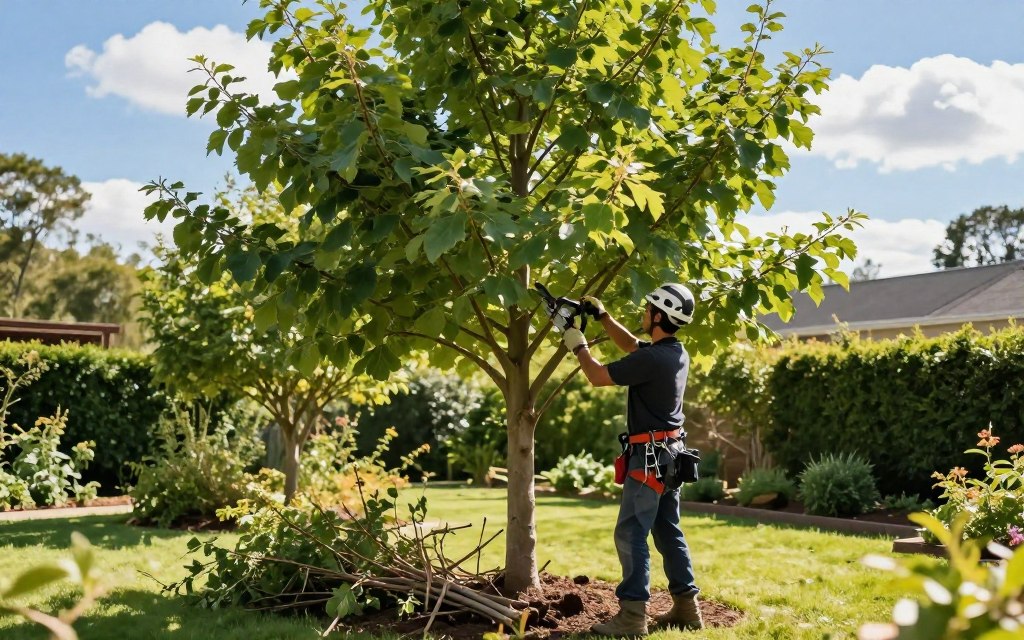
Attempting high-altitude maintenance on your own can turn a simple weekend project into a medical emergency. While it is tempting to handle every yard task yourself, some jobs carry risks that far outweigh the potential savings. Specifically, amateur tree trimming often leads to preventable accidents that could have been avoided with professional oversight.
Climbing ladders is particularly dangerous for older adults who may struggle with stability and balance. A single slip can result in severe or even fatal injuries that change your life forever. Instead of risking your physical well-being, it is much smarter to reach out to a professional landscaper who has the proper safety gear and training.
Professional arborists bring specialized equipment that ensures the job is done correctly without putting anyone in harm’s way. They understand how to navigate complex branches and heavy limbs safely. By hiring an expert for your tree trimming needs, you protect your health and ensure your property remains in top condition.
| Feature | DIY Approach | Professional Service |
|---|---|---|
| Safety Equipment | Limited or None | Full Safety Gear |
| Risk Level | High Injury Risk | Low Risk |
| Task Quality | Often Inconsistent | Expert Results |
| Tree Trimming | Dangerous/Unsafe | Efficient/Safe |
1: Ignoring Your Climate and Soil Type
Have you ever wondered why your neighbor’s garden flourishes while your own plants seem to struggle despite your best efforts? Ignoring your climate and soil type is a common mistake that often leads to wasted time and money. When you choose vegetation that does not naturally fit your local environment, you set yourself up for a difficult gardening experience.
Plants that are not suited to your specific region will demand excessive water, constant fertilization, and endless attention just to survive. This creates a cycle of frustration that takes the joy out of your outdoor space. Instead, you should research your local hardiness zone and test your soil pH before you buy anything new.
Selecting plants that thrive in your natural conditions allows your garden to grow with minimal intervention. This proactive approach ensures your landscape remains vibrant, healthy, and sustainable throughout the changing seasons.
Key Takeaways
- Research your specific hardiness zone to ensure plant survival.
- Test your soil pH to understand the nutrients available in your garden.
- Avoid choosing plants that require excessive water or constant chemical fertilizers.
- Select native or adapted species that thrive naturally in your local climate.
- Save money and effort by matching your plant choices to your environment.
- Create a sustainable garden that stays healthy with less manual labor.
Mistake
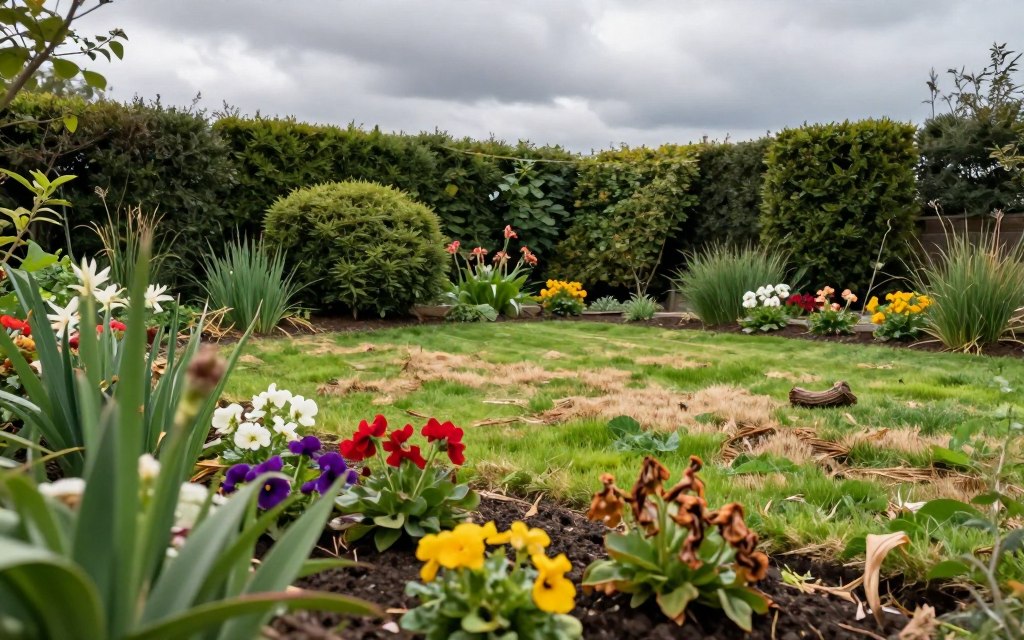
Buying nursery stock without considering your local climate often leads to a cycle of expensive plant replacement. Many homeowners head to the garden center with a vision in mind, only to ignore the specific environmental variables that dictate whether a plant will actually thrive. When you overlook the unique needs of your local ecosystem, you set yourself up for a frustrating and costly experience.
This cycle of failure usually begins when a plant struggles to adapt to your soil type or moisture levels. Instead of enjoying a lush, growing landscape, you find yourself constantly digging up dead vegetation and purchasing replacements. This repetitive process drains your bank account and turns what should be a relaxing hobby into a source of stress.
Learning to work with your environment rather than against it is the true foundation of a successful garden. By researching which species are native to your region, you can choose plants that are naturally suited to your area’s rainfall and temperature patterns. Making these smart, informed choices early on will save you significant money and effort in the long run.
2: Overplanting or Underplanting
Have you ever wondered if your garden is struggling because you gave your plants too much love or perhaps not enough room to breathe? Achieving the perfect balance between overplanting or underplanting is a common challenge for every gardener.
When you crowd your garden beds, you create a dense environment that restricts airflow. This lack of circulation often encourages the rapid spread of diseases among your greenery. Conversely, underplanting can leave your yard looking sparse and unfinished, failing to provide the lush visual impact you desire.
Finding the right balance requires careful planning and a solid understanding of how plants grow to their mature size. Proper spacing ensures that every plant has the room it needs to flourish and contribute to a cohesive design. If you want to maximize your harvest without the risks of overcrowding, you can grow more using easy intercropping techniques to fill gaps efficiently. By mastering these spacing strategies, you create a healthy, productive, and beautiful landscape that thrives throughout the entire season.
Key Takeaways
- Overcrowding restricts essential airflow and increases the risk of plant diseases.
- Underplanting often results in a sparse appearance that lacks visual appeal.
- Always research the mature size of your plants before placing them in the ground.
- Strategic spacing allows each plant to access the nutrients and sunlight it needs to thrive.
- Intercropping can help you utilize empty space effectively without causing competition between plants.
Mistake
A common mistake involves prioritizing immediate visual appeal over the long-term growth habits of your plants. Many homeowners design their gardens to look perfect on the day of installation, failing to account for how large those shrubs or trees will eventually become. This short-sighted approach often leads to crowded flower beds that lose their charm within just a few seasons.
When you ignore the mature dimensions of your greenery, you create a landscape that requires constant thinning and pruning just to remain manageable. What starts as a tidy, well-spaced garden can quickly turn into an overgrown jungle that blocks windows or crowds out smaller perennials. This cycle of excessive maintenance is both time-consuming and frustrating for any busy homeowner.
Planning for the future growth of your garden is a hallmark of a smart and efficient homeowner. By researching the expected height and width of every species before you dig, you can ensure that each plant has enough room to thrive without overwhelming its neighbors. This thoughtful strategy saves you money on replacement costs and keeps your outdoor space looking professional for years to come.
3: Choosing the Wrong Plants
Have you ever wondered why your garden feels like a constant battle against nature instead of a peaceful retreat? Selecting the wrong plants often leads to high maintenance costs and poor performance throughout the growing season. While you might focus on regular tree trimming to keep your yard tidy, the real issue often starts with the initial choice of vegetation.
Some species are invasive, while others are highly susceptible to local pests or diseases. If you pick the wrong variety, you will likely spend more time and money trying to fix the problem than enjoying your outdoor space.
It is vital to research the specific requirements of every plant before adding it to your landscaping design. Making the right choices early on saves you from the regret of having to remove and replace unsuitable plants later. Proper planning ensures your garden thrives for years to come.
Key Takeaways
- Research plant needs before purchasing to avoid future maintenance headaches.
- Avoid invasive species that can quickly take over your garden beds.
- Select plants that are naturally resistant to local pests and common diseases.
- Consider the long-term growth of trees to prevent overcrowding.
- Proper initial selection reduces the need for frequent professional intervention.
Mistake

Choosing the wrong plants for your yard can quickly turn a dream garden into a financial nightmare. Many homeowners select beautiful species without considering the long-term care they require. This oversight often leads to a cycle of frustration and unnecessary spending.
When you pick high-maintenance plants that do not align with your lifestyle, you commit to a level of labor that becomes overwhelming. You might find yourself spending significant money on soil amendments, fertilizers, and specialized tools just to keep these plants alive. These hidden costs add up quickly, turning your outdoor space into a constant financial drain.
It is vital to assess your actual capacity for maintenance before heading to the nursery. If you have a busy schedule, opting for low-maintenance, hardy varieties is a much smarter investment. This approach ensures that your garden remains a source of joy and relaxation rather than a chore that demands your entire weekend.
Making informed plant selections is the best way to protect your budget. By matching your greenery to your local environment and your personal availability, you avoid the trap of expensive upkeep. A well-planned landscape should enhance your home value without requiring a constant stream of extra cash.
4: Skipping the Landscape Design Phase
Have you ever wondered why some outdoor spaces feel like a cohesive retreat while others look like a collection of random, disconnected parts? Many homeowners make the mistake of skipping the professional landscape design phase, assuming they can just figure it out as they go. This oversight is often the primary reason why projects fail to meet expectations or exceed budgets.
A detailed plan allows you to visualize your entire yard, including essential hardscaping elements like patios and walkways, before a single shovel hits the dirt. Without a clear blueprint, you risk creating a disjointed area that lacks both flow and daily functionality. Investing time in the planning stage ensures that every dollar you spend contributes to a beautiful, unified final result.
Key Takeaways
- Skipping the design phase often leads to costly mistakes and project failure.
- A professional plan helps you visualize the layout of your yard before construction begins.
- Hardscaping elements like patios require careful placement to ensure proper flow.
- Without a blueprint, you risk creating a disjointed space that lacks utility.
- Investing in design ensures your budget is spent on a cohesive, high-quality outcome.
Mistake
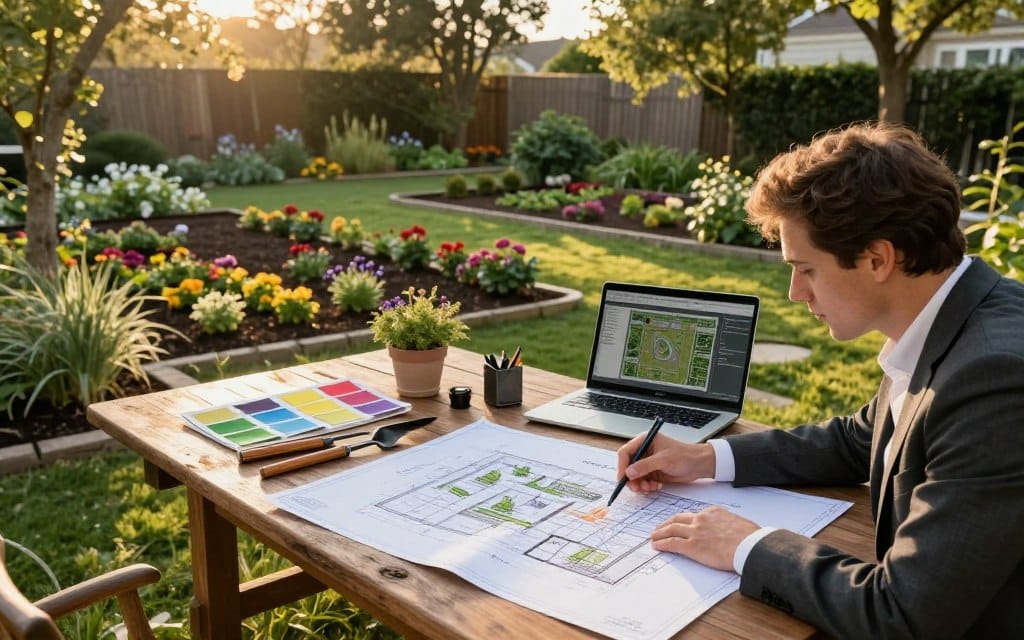
Jumping into a landscaping project without a blueprint is a recipe for financial disaster. Many homeowners feel tempted to start digging immediately, but this impulsive approach often leads to expensive revisions later. Without a clear vision, you may find that your hardscaping features do not align with your property’s natural drainage needs.
Poorly placed planting beds can also create significant headaches once the installation is complete. Moving mature shrubs or tearing out stone walkways is far more costly than adjusting a drawing on paper. These errors are difficult to correct once the physical work is already finished.
A well-thought-out design acts as a vital roadmap for your entire project. It keeps your construction on track and ensures that every dollar spent serves a specific purpose. By investing time in the planning phase, you protect your budget and ensure your yard looks exactly how you imagined.
5: Neglecting Maintenance Requirements
Have you ever wondered if your beautiful outdoor space is slowly turning into a liability because of simple oversights? Consistent garden maintenance is the secret to preserving the value of your property, yet many homeowners let these tasks slide until they become overwhelming.
When you ignore routine lawn care, small issues like weeds or dry patches quickly spiral into expensive problems. Protecting your initial investment requires a proactive approach to pruning, weeding, and proper hydration.
Physical labor can be challenging, especially for older adults who should avoid lifting heavy items or reaching overhead. If the work feels too demanding, it is wise to seek professional help rather than risking injury or property damage.
Always remember that staying ahead of these chores prevents major repairs later on. You can learn more about how professional support protects your investment by reviewing our specific service warranties to ensure your yard remains in top condition.
Key Takeaways
- Routine garden maintenance prevents minor yard issues from becoming costly professional repairs.
- Consistent lawn care is essential for protecting the long-term value of your outdoor investment.
- Older adults should prioritize safety by avoiding heavy lifting or overhead reaching during yard work.
- Knowing your physical limitations allows you to seek help before small tasks become overwhelming.
- Professional oversight ensures that your irrigation and plant health remain covered under standard service agreements.
Solutions to Avoiding These Mistakes
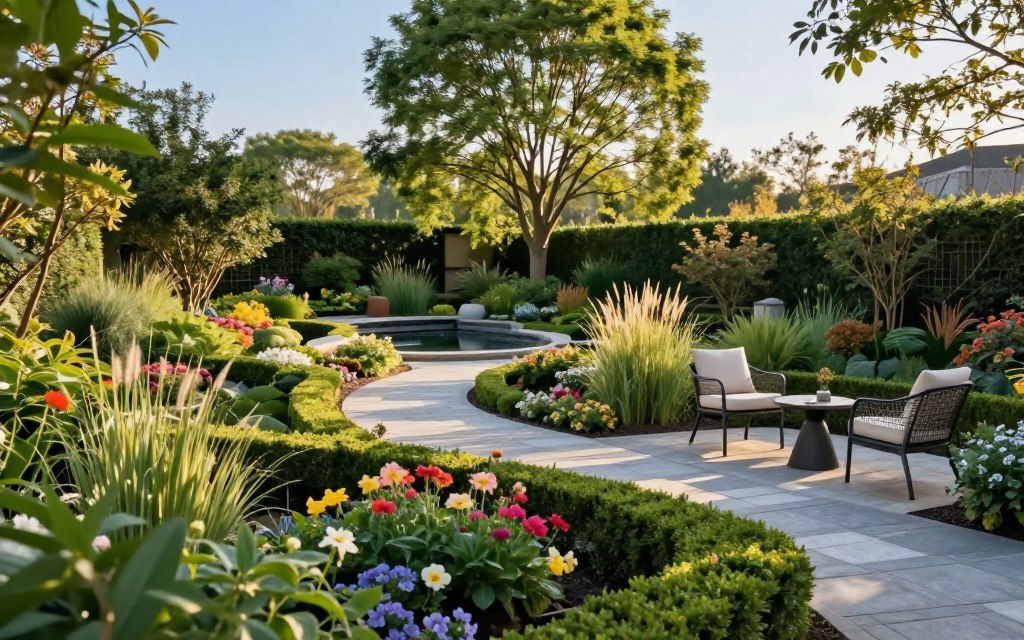
Transforming your outdoor space requires more than just a shovel and some seeds. Avoiding common errors starts with a solid plan and the right guidance. By focusing on thoughtful landscaping, you can ensure your yard remains a beautiful asset for years to come.
Expert Tips for Smart Landscaping Choices
Successful projects often begin with a clear vision for your landscape design. You should prioritize native plants that thrive in your specific region to reduce maintenance needs. Always consider the mature size of trees and shrubs before you dig to prevent overcrowding later.
Creating a long-term care schedule helps you stay ahead of seasonal changes. Simple tasks like mulching and proper watering techniques make a significant difference in plant health. Taking these small steps early prevents costly replacements down the road.
Incorporating Professional Help When Needed
Sometimes, the best decision is to bring in a professional to handle complex tasks. A qualified expert can refine your landscape design to ensure it is both functional and sustainable. This investment protects your property value and saves you from the stress of trial and error.
Professional landscaping services offer insights that go beyond basic gardening. They understand soil chemistry, drainage issues, and local zoning laws that might affect your yard. Relying on their expertise ensures that your outdoor environment flourishes beautifully.
Sustainable Landscaping Practices
You can transform your yard into a thriving ecosystem by adopting a few simple, eco-friendly habits. Moving toward a greener approach helps you protect your local environment while creating a beautiful space for your family to enjoy. These methods often require less effort over time, making your outdoor chores much more manageable.
Benefits of Eco-Friendly Landscaping
Many traditional lawn care products contain harsh chemicals that can be dangerous to your health. Pesticides, in particular, may have carcinogenic properties and have been linked to cognitive impairment in some studies. By choosing organic or natural alternatives, you create a safer sanctuary for your children and pets.
Reducing chemical use also protects the local water supply and soil health. When you stop relying on synthetic fertilizers, you encourage beneficial insects and birds to return to your yard. This natural balance helps keep pests in check without the need for toxic sprays.
Choosing Native Plants for Your Garden
Native plants are the backbone of a sustainable landscape because they are already adapted to your local climate. They require far less water and fertilizer than exotic species, which significantly simplifies your routine garden maintenance. Once established, these plants thrive with minimal intervention.
To further improve your efficiency, consider upgrading your irrigation systems to include smart timers or drip lines. You can also install energy-efficient landscape lighting to highlight your garden features without wasting electricity. For professional help with these upgrades, you can explore irrigation services in Ludlow, Hampden, and Wilbraham to ensure your system is set up for success.
| Feature | Traditional Landscaping | Sustainable Landscaping |
|---|---|---|
| Chemical Use | High (Pesticides/Herbicides) | Low or None |
| Water Usage | High (Frequent Watering) | Low (Native Drought-Tolerant) |
| Maintenance | High (Constant Trimming) | Low (Natural Growth) |
| Wildlife Impact | Minimal | High (Supports Pollinators) |
Budgeting for Your Landscaping Projects
Managing your landscaping budget is the secret to achieving a beautiful outdoor space without breaking the bank. A well-planned financial strategy prevents stress and allows you to complete your vision in manageable phases. Whether you are planning extensive hardscaping or simple garden beds, knowing your limits is the first step toward success.
Estimating Costs Accurately
Accurate estimates are vital when dealing with complex features like irrigation systems. You must account for both the initial installation price and the long-term maintenance requirements. Neglecting these hidden costs often leads to budget overruns later in the process.
When you incorporate elements such as hardscaping, remember to factor in material quality and labor fees. Similarly, high-quality landscape lighting adds value to your home but requires a dedicated portion of your budget for both the fixtures and the electrical work. Always set aside a small contingency fund for unexpected site conditions.
Finding Discounts and Deals
You can stretch your dollars further by researching local suppliers before you commit to a purchase. Many nurseries and stone yards offer seasonal discounts that can significantly lower your total expenses. Buying materials during the off-season is a smart way to save on big-ticket items.
Consider completing your project in phases to keep your cash flow steady. You might install your landscape lighting during one season and focus on planting or pathways in the next. This approach makes large-scale improvements feel much more affordable while ensuring you never sacrifice the quality of your final result.
Seasonal Landscaping Considerations
A truly vibrant landscape requires a thoughtful approach that embraces the natural rhythm of the changing seasons. By anticipating the needs of your garden throughout the year, you ensure that your property remains a source of pride and relaxation regardless of the weather.
Planning for Four Seasons
To achieve a landscape that looks beautiful year-round, you must select plants that offer diverse textures and colors. Incorporating evergreens provides structure during the winter, while deciduous trees offer shade in the summer and vibrant foliage in the fall.
You should also consider adding hardscape elements to enhance your outdoor living spaces. Features like fire pits or stone pathways ensure that your yard remains functional and inviting even when the temperatures drop.
How to Adjust Your Landscape with the Seasons
Consistent lawn care is essential for maintaining the health of your turf as the climate shifts. You should adjust your mowing height and fertilization schedule to match the specific growth patterns of your grass during spring, summer, and autumn.
As winter approaches, focus on protecting your plants from frost and clearing debris to prevent disease. Adapting your maintenance routine ensures that your garden stays resilient and ready to bloom when the warmer weather returns.
Conclusion: Making Smart Landscaping Decisions
Creating a vibrant outdoor environment requires a blend of creativity and strategic planning. Your yard serves as an extension of your living space, offering a unique opportunity to express your personal style while boosting your home’s market appeal.
Synthesizing Your Landscaping Vision
Every choice you make, from selecting native plants to installing energy-efficient lighting, shapes the long-term character of your property. By focusing on durable materials and sustainable practices, you protect your investment against the elements. You can learn more about how smart house landscape design increases home by prioritizing functionality alongside aesthetic beauty.
Committing to Long-Term Growth
Professional guidance helps you navigate complex soil conditions and drainage challenges that often derail DIY projects. Partnering with experts ensures your garden remains a healthy, welcoming retreat for your family. A well-maintained exterior signals care and intention to potential buyers, making your home stand out in any market. Start planning your next project today to enjoy the lasting financial and emotional rewards of a thoughtfully curated landscape.