

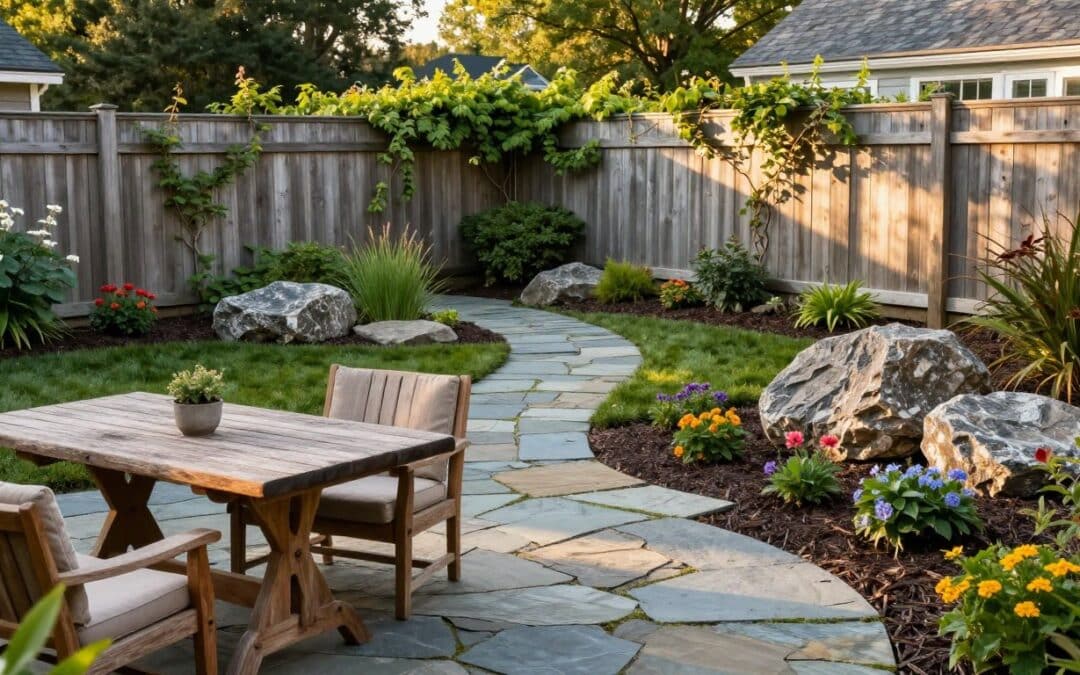
Hardscaping vs softscaping describes two parts of landscape design. Hardscaping uses non-living materials, such as stone, brick, concrete, metal, wood, tile, pavers, and loose stone. Softscaping brings living features, including soil, grass, trees, shrubs, vines, groundcover, and flowering plants.
Why does a successful yard need both structure and life? A hardscape can guide movement, support drainage, provide seating, and control changes in grade. Plants add seasonal beauty, shade, texture, and color. Together, these elements create balance instead of leaving one category to carry the entire landscape.
New England weather also shapes each design choice. Soil conditions, irrigation needs, maintenance, and outdoor living goals can affect the best materials and planting plan. The right design should serve your home while improving comfort and curb appeal over time.
St. Clair Landscaping & Irrigation in Ludlow, Massachusetts, has served Hampden and Hampshire County for more than 40 years. Its experienced team understands how to balance hardscaping and planting for practical, attractive results.
Key Takeaways
- Hardscape features provide structure and useful access.
- Softscape features add living color and seasonal interest.
- Plants and durable materials work best as a unified plan.
- Drainage and grade control influence material choices.
- Regional weather affects irrigation and maintenance needs.
- St. Clair Landscaping & Irrigation serves local Massachusetts properties.
Hardscaping vs Softscaping: Clear Definitions for Your Landscape
A useful landscape combines built structure with living growth. In simple terms, hardscaping uses non-living materials, while softscaping adds plants, soil, and other natural elements. This balance supports beauty, function, and outdoor living around the home.
How Hardscape and Softscape Elements Differ
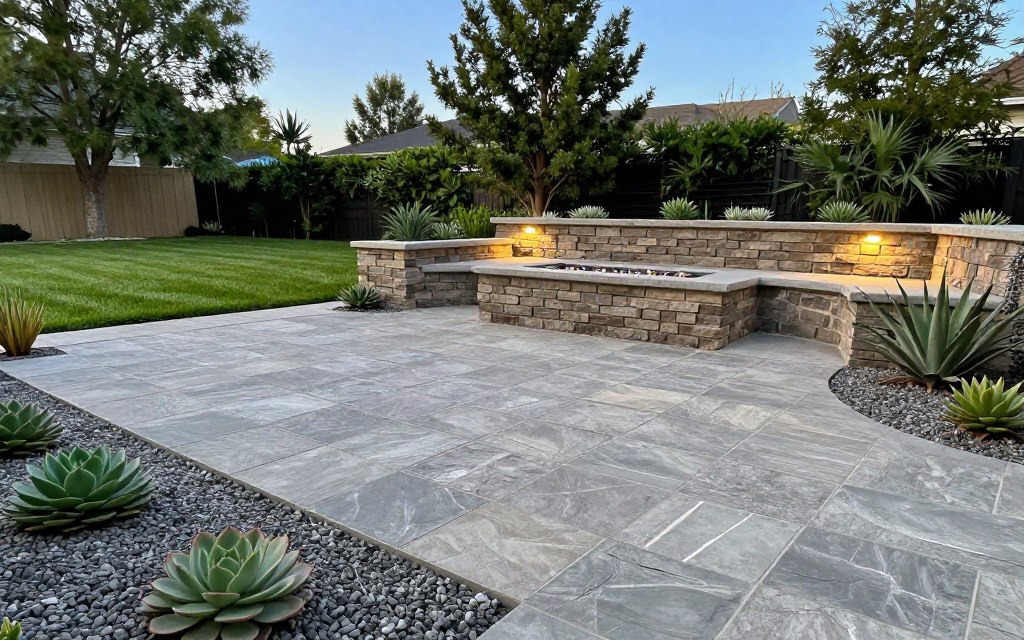
Hardscape features shape movement and define spaces. Softscape features bring seasonal color, shade, and life. Together, these elements create a practical landscape design.
| Feature | Main material | Purpose |
|---|---|---|
| Patios and walkways | Stone or concrete | Access and outdoor living |
| Retaining walls | Block or stone | Usable areas and erosion control |
| Fences and fire pits | Wood or masonry | Privacy and gathering |
| Plants and lawn | Soil and living growth | Color, shade, and habitat |
Plants, Soil, Lawn, and Seasonal Color
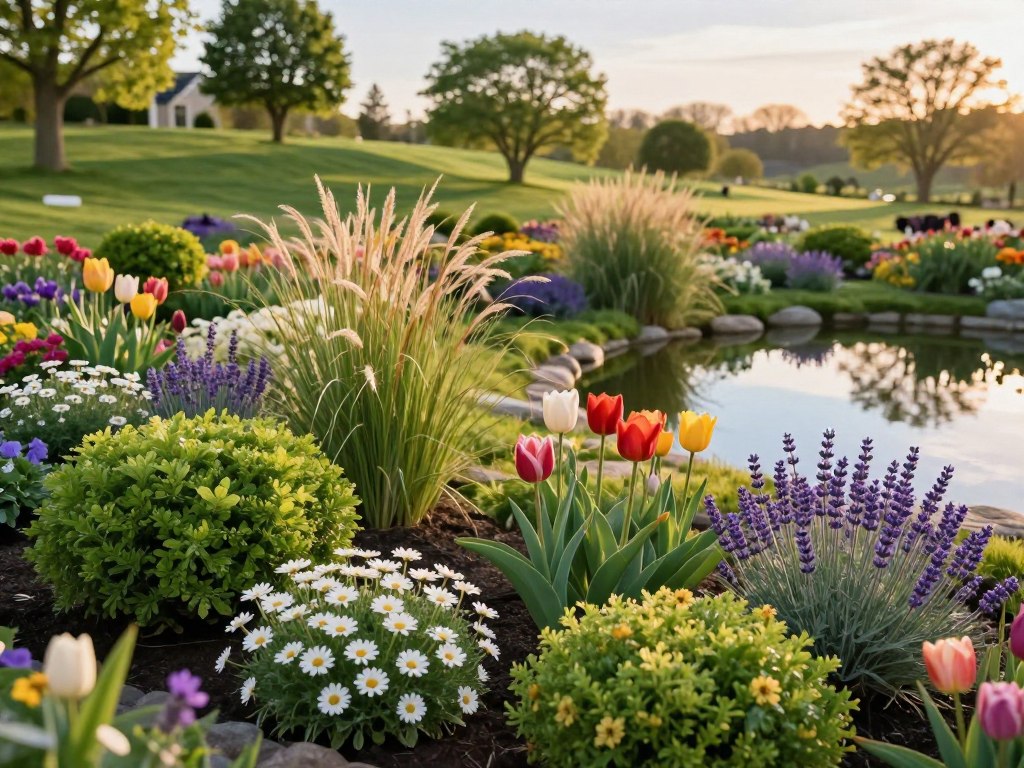
Softscaping includes grass, lawn, trees, shrubs, vines, groundcover, and flowering plants. Maple, oak, birch, and dogwood trees can add shade and appeal. Routine care includes watering, mowing, pruning, fertilizing, planting, and weed removal. Many hardscape features need less regular maintenance, but both categories require thoughtful care to retain property value.
Hardscaping vs. Softscaping in a New England Yard
New England weather can shape every landscape design decision. A strong hardscaping softscaping plan responds to frost, heat, clay soil, and road salt. These conditions affect materials, plants, drainage, and maintenance around the home.
Freeze-Thaw Cycles, Clay Soil, and Road Salt
Freeze-thaw cycles can shift pavers, open joints, and stress concrete. Clay soil holds water, which may increase movement beneath walkways and other hardscape features. Road salt can also harm nearby lawn, shrubs, flowers, and stone surfaces. Proper grading and durable materials help limit these issues over time.
Retaining Walls, Drainage, and Massachusetts Rules
Walls can manage elevation changes, reduce erosion, and create planting areas. Water should move away from foundations, walkways, and planting areas under the MassDEP Stormwater Standards. Under the provided 780 CMR guidance, walls over 4 feet need a permit. Confirm current requirements with local officials before work begins.
UMass Extension Timing for Planting and Landscape Work
UMass Extension guidance supports timing work around frost and heat, not one fixed date. This approach helps living elements establish well. Maple, oak, birch, and dogwood trees can add shade and seasonal color to a Massachusetts yard.
How to Balance Hardscape and Softscape Features
A thoughtful yard plan starts with use, access, and long-term care. A balance of hardscaping and softscaping gives the property structure while keeping it welcoming and alive. Learn more about balancing landscape features and hardscaping services.
Why Hardscaping Usually Comes Before Planting
Crews usually install patios, walkways, walls, drainage, and low-voltage lighting before adding plants. This order limits damage to new beds and protects roots. It also creates clear routes around the home and supports safe access during future maintenance.
Coordinating Design, Irrigation, and Outdoor Living Areas
Good landscape design connects irrigation lines with planting beds, lawn, and outdoor living spaces. Consistent watering can simplify plant care. Patios, decks, pergolas, and gazebos add useful spaces for sitting, entertaining, and enjoying shade.
For example, a patio framed by shrubs, flowering plants, lawn, and shade trees can add color and beauty without blocking movement. One cited finding reports that 67% of homeowners spend more time outside after a landscaping project. With careful planning, hardscape elements and living features support comfort, function, and lasting balance.
Planning Landscape Improvements in Hampden and Hampshire County
Local planning helps a landscape fit the home, property, and changing seasons. St. Clair Landscaping & Irrigation brings more than 40 years of experience to projects across Hampden and Hampshire County. The team can connect landscape design with practical hardscaping, softscaping, irrigation, and outdoor living needs.
One Team for Year-Round Property Care
St. Clair can plan patios, stone paths, retaining walls, and other hardscape elements. Drainage and waterproofing also guide the placement of concrete, soil, plants, trees, and planting areas. These steps help direct water away from the home while supporting a useful yard.
Low-voltage lighting can improve outdoor spaces after sunset. Irrigation supports grass, lawn, shrubs, flowers, and trees through changing weather. Ongoing maintenance includes planting, pruning, mowing, and watering. The company also provides tick and mosquito services, commercial irrigation, and snow work.
St. Clair serves Ludlow, Wilbraham, Belchertown, East Longmeadow, Chicopee, and Palmer. Property owners can call 413-566-8866 or request an estimate to discuss design goals, living spaces, and seasonal features. A clear plan can improve comfort, function, and long-term value.
Conclusion
A balanced landscape pairs useful structure with living appeal. Hardscaping creates walkways, patios, walls, drainage, and outdoor living areas. Softscaping adds lawn, trees, shrubs, flowers, color, shade, and ecological benefits. Together, these elements improve a yard’s beauty, function, and property value.
Should hardscape work come before planting? Yes. Crews usually build major features first, then add plants to protect new beds and keep access clear.
Which category needs more maintenance? Plant care often requires more regular watering, mowing, pruning, and seasonal attention than a hardscape.
How do New England conditions affect design? Freeze-thaw cycles, clay soil, road salt, drainage, and planting timing all guide material and plant choices.
For a plan that brings balance to your home, call St. Clair Landscaping & Irrigation at 413-566-8866 or request an estimate for your property.