
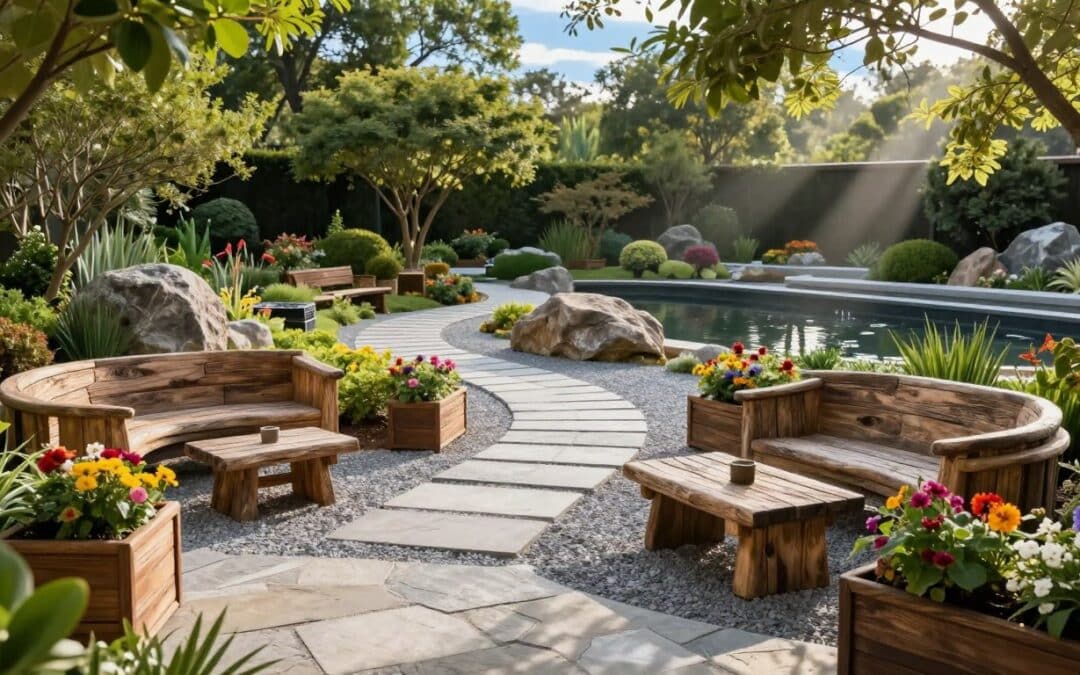
Have you ever wondered how to transform your backyard into a stunning outdoor space that requires minimal upkeep? Hardscaping might just be the answer you’re looking for. This essential element of landscaping focuses on the non-living features of your yard, such as patios, walkways, and retaining walls. By incorporating durable materials like stone, concrete, and wood, hardscaping provides both functionality and beauty.
In this ultimate guide, we will explore the many aspects of hardscaping, from basic definitions to advanced design strategies. You’ll discover how these structural components can enhance your outdoor living areas, boost your property value, and create inviting spaces for gatherings. Whether you’re planning a small patio upgrade or a complete backyard overhaul, our expert insights and practical advice will equip you with everything you need to know.
Join us as we delve into the transformative power of hardscaping and uncover how it differs from softscaping. Ready to redefine your outdoor space? Let’s get started!
Key Takeaways
- Hardscaping involves non-living elements that shape your outdoor space.
- It enhances the functionality and aesthetics of your backyard.
- Durable materials reduce maintenance needs over time.
- Well-planned designs can improve property value and curb appeal.
- This guide offers expert insights and practical advice for all project sizes.
Introduction to Hardscaping
Interested in discovering how non-living elements can transform your landscape? Hardscaping refers to all the non-living, structural elements in a landscape. This includes patios, walkways, retaining walls, driveways, decks, pergolas, and any surface made from hard materials like stone, concrete, brick, or wood.
The term “hardscape” comes from the durability and permanence of these features. They contrast sharply with the soft, living components of a garden. Essentially, hardscaping forms the literal foundation upon which the rest of the landscape is built. Think of it like the architecture of a house: just as walls and floors define interior rooms, hardscaping defines outdoor rooms and zones. It gives a yard structure, flow, and purpose before a single plant goes into the ground.
Definition and Overview
Hardscape elements include everything from a simple gravel path to an elaborate outdoor kitchen with concrete countertops. Softscape, on the other hand, encompasses all living horticultural elements—trees, shrubs, flowers, grass, and ground covers. Neither hardscape nor softscape exists in isolation; the most successful landscapes strike a balance between the two. Hardscaping provides the bones, while softscaping adds texture, color, and seasonal interest.
Typically, hardscaping comes first in the construction timeline. It involves excavation, grading, and foundation work that would damage existing plantings. This makes it the essential first step in any major landscape transformation. For example, consider a flagstone patio surrounded by ornamental grasses or a retaining wall that creates planting terraces on a sloped yard. These examples illustrate the symbiotic relationship between hardscape and softscape.
There’s a common misconception that hardscaping makes a yard feel cold or uninviting. However, thoughtful material choices, integrated planting beds, and warm lighting can make hardscaped spaces feel just as welcoming as lush gardens.
Difference Between Hardscape and Softscape
Understanding the distinction between hardscape and softscape is crucial for effective landscaping. Hardscape elements are the durable, non-living materials that form the framework of your outdoor space. In contrast, softscape elements are the living plants that bring life and color to your garden. By integrating both, you can create a harmonious and inviting outdoor environment.
The Importance of Hardscaping in Landscaping
The backbone of any well-designed outdoor space lies in its hardscaping elements. These features establish the groundwork that shapes how people interact with and enjoy their yard. Just as interior walls define the flow of a house, hardscaping creates a structured environment for outdoor activities.
Structural Role in Outdoor Spaces
Hardscaping plays a vital role in addressing practical challenges. For instance:
- Retaining walls effectively hold back soil on sloped properties.
- Patios provide level surfaces for furniture, even on uneven ground.
- Walkways guide foot traffic, preventing wear patterns on lawns.
These elements enhance usability and safety, making the entire yard more functional. Additionally, hardscaping introduces the concept of outdoor rooms. Features like pergolas, decks, and seating walls define distinct zones for dining, lounging, and entertaining. This transformation turns a vague backyard into a cohesive, multi-purpose living area.
Benefits for Usability and Aesthetics
A well-designed hardscape extends the functional square footage of a home. It effectively creates additional living space that can be enjoyed for three seasons or even year-round in milder climates. This aspect significantly enhances home enjoyment.
Moreover, hardscaping offers a low-maintenance advantage. Unlike traditional lawns that require regular mowing, watering, and fertilizing, a thoughtfully designed area with integrated planting beds reduces upkeep time and costs while maintaining a polished look.
Aesthetically, hardscaping introduces texture, color, and architectural interest. Materials like natural stone, stained concrete, and warm wood create visual anchors that elevate the overall landscape design. This enhancement goes beyond a simple patch of grass.
Safety and accessibility also improve with hardscaping. Stable, slip-resistant surfaces for walking eliminate muddy patches and provide gentle transitions between different elevations. This ensures the yard is enjoyable for all ages and abilities.
In conclusion, usability and aesthetics are intertwined. A beautiful patio that no one uses due to poor positioning is a missed opportunity. Conversely, a strategically placed hardscape feature that looks stunning and serves a daily function exemplifies great landscape design.
Key Materials Used in Hardscaping
Choosing the right materials is essential for creating a stunning outdoor space. The materials you select will influence the look, feel, and functionality of your hardscape. Below, we explore some of the most popular options, each with unique characteristics and benefits.
Stone and Flagstone
Natural stone is often the premier choice for homeowners seeking timeless elegance. Flagstone, in particular, is prized for its irregular shapes and earthy color variations. This creates patios and walkways with an organic, old-world charm.
Options range from bluestone and limestone to slate and fieldstone. Each type has distinct color palettes and textures. While natural stone may carry a higher upfront cost, its unmatched durability and classic appearance often justify the investment for permanent features.
| Foundation Type | Best Use | Cost Level | Maintenance |
|---|---|---|---|
| Flagstone / Natural Stone | Rustic patios, walks | Medium–High | Durable; check freeze–thaw; may require resealing |
Concrete and Pavers
Concrete is the chameleon of hardscaping materials. It can be poured into any shape, stamped with patterns that mimic stone or brick, and stained in countless colors. This offers design flexibility at a more accessible price point.
Concrete pavers, on the other hand, are individual units that provide easier repair options. If a piece gets damaged, you can simply replace it without disturbing the surrounding area. Pavers also accommodate ground movement without cracking, making them ideal for regions with freeze-thaw cycles.
Wood and Composite Decking
Wood decks exude warmth and natural beauty, but they come with maintenance demands. Traditional lumber requires annual sealing and staining, plus it is vulnerable to rot and insects. Composite decking offers a low-maintenance alternative that resists fading, staining, and warping.
Popular wood species include cedar, redwood, and pressure-treated pine. In contrast, composite brands like Trex and TimberTech provide longevity with less upkeep. Consider these options carefully when planning your deck.
Gravel and Decomposed Granite
Gravel and decomposed granite are budget-friendly, permeable solutions that excel in casual, rustic, or drought-tolerant designs. Decomposed granite compacts to form a stable surface, making it ideal for pathways and seating areas while allowing rainwater to percolate into the soil.
However, gravel requires edging to contain the material and may need occasional replenishment. It might not be ideal for barefoot traffic, but its crunching sound underfoot and textural contrast against plants make it a beloved choice for cottage gardens and Mediterranean-inspired spaces.
When selecting materials, consider your home’s architectural style, local climate, and intended use. A cohesive material palette that complements your house creates a seamless visual transition between indoors and out. For more guidance on designing outdoor living spaces, check out this helpful resource.
Popular Hardscape Features and Structures
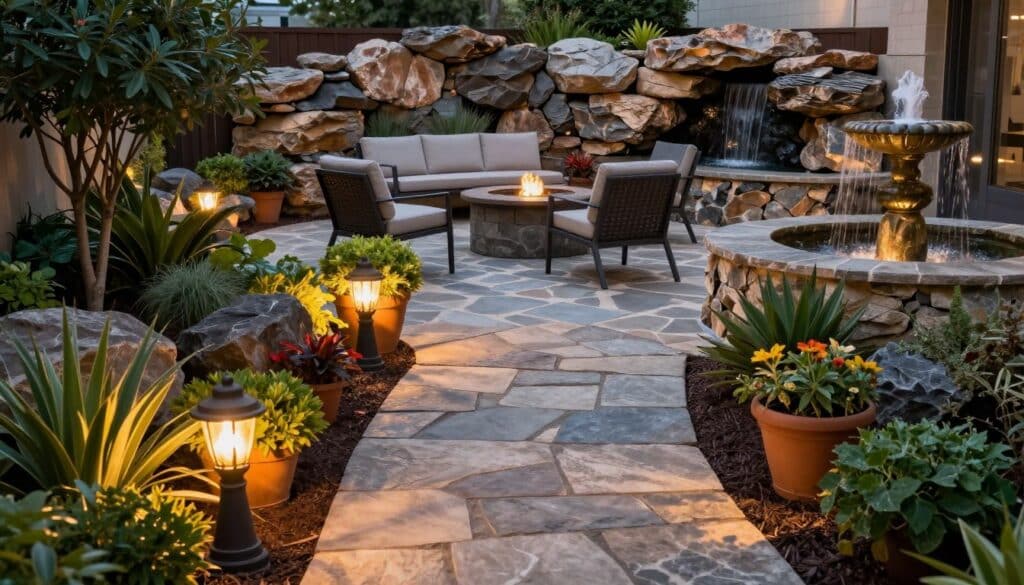
Imagine stepping into your backyard and being greeted by beautifully designed outdoor spaces that invite relaxation and entertainment. Hardscape features can transform your landscape into a functional and aesthetically pleasing environment. From patios to fire pits, these elements not only enhance your outdoor experience but also create areas for gathering and enjoyment.
Patios and Walkways
The patio serves as the heart of outdoor living. It provides a flat, stable surface that anchors furniture, grills, and gatherings. Material choices range from classic brick and flagstone to modern stamped concrete and large-format pavers. Each option sets a distinct tone for your space, allowing you to create an inviting atmosphere.
Walkways act as the connective tissue of your landscape. They guide guests from the driveway to the front door or link the patio to a garden bench. Curved paths create a sense of discovery, while straight paths convey formality. Materials like gravel, stepping stones, and concrete pavers offer various aesthetic and budgetary options.
Driveways and Retaining Walls
A well-designed driveway makes a powerful first impression. It must balance aesthetics with the engineering demands of supporting vehicle weight. Common choices for durability and drainage include concrete, asphalt, and permeable pavers.
Retaining walls serve both functional and aesthetic roles. They hold back soil on sloped properties, creating usable flat areas while adding vertical interest. These walls can incorporate integrated planting beds, seating, or built-in lighting, with materials ranging from natural stone and poured concrete to timber and modular block systems.
Decks, Pergolas, and Outdoor Kitchens
Decks are elevated platforms that extend your living space into the landscape. They are particularly valuable on uneven terrain where a patio would require extensive grading. Pergolas add architectural presence and partial shade, defining an outdoor room without fully enclosing it.
Outdoor kitchens represent the ultimate expression of hardscape potential. Built-in grills, concrete countertops, stone pizza ovens, and weatherproof cabinetry transform a simple patio into a fully functional cooking and dining environment. These features rival indoor kitchens in capability and exceed them in atmosphere.
Seating Areas and Fire Pits
Built-in seating walls, bench swings, and conversation nooks create intimate gathering spots that encourage people to linger outdoors longer. Fire pits serve as natural focal points, extending the usability of a backyard into cooler evenings and seasons.
Water features like fountains and small ponds also fall under hardscaping. They require impermeable barriers to retain water, adding sensory richness through the sound of moving water. This makes any outdoor space feel more tranquil and resort-like.
Consider how these features can be combined. A patio flowing into a pergola-covered outdoor kitchen adjacent to a fire pit seating area creates a cohesive outdoor living environment. This design supports multiple activities simultaneously, making your backyard a true extension of your home.
| Feature | Materials | Functionality |
|---|---|---|
| Patio | Brick, Flagstone, Concrete | Gathering and dining area |
| Walkway | Gravel, Stepping Stones, Pavers | Guides foot traffic |
| Driveway | Concrete, Asphalt, Pavers | Vehicle access |
| Retaining Wall | Stone, Concrete, Timber | Soil retention and planting |
| Deck | Wood, Composite | Extended living space |
| Pergola | Wood, Metal | Shade and structure |
| Outdoor Kitchen | Concrete, Stone | Cooking and dining |
| Fire Pit | Stone, Metal | Heat and ambiance |
Hardscaping vs. Softscaping: Creating Balance in Your Landscape
The harmony between hardscaping and softscaping can transform your outdoor space into a thriving ecosystem. Many people mistakenly believe that hardscaping competes with plants, but in reality, these elements work together to enhance your garden’s beauty and functionality.
How Hardscaping Supports Plant Life
Hardscaping can actually improve growing conditions in several ways:
- Retaining walls create planting terraces, maximizing space and improving soil drainage.
- Raised beds allow for better soil management, helping plants thrive.
- Permeable pavers let water and air reach tree roots, even in high-traffic areas.
Additionally, hardscaping can define planting zones with the right soil, provide shade structures for delicate plants, and incorporate irrigation channels for efficient water delivery. These features not only support plant life but also create microclimates that can extend the growing season for various plants.
Combining Both for Visual Appeal
When it comes to design, hardscaping provides the permanent framework while softscaping adds seasonal change and color. The most captivating landscapes alternate between the two, creating rhythm and contrast. Here are some effective pairings:
- A crisp concrete patio softened by billowing ornamental grasses along its edges.
- A gravel path lined with fragrant lavender that releases scent when brushed against.
- A wooden deck surrounded by layered plantings that make it feel nestled into the garden.
However, be cautious of over-hardscaping. Too much pavement can create a hot, sterile environment. Aim for a balance where planted areas comprise at least 30 to 40 percent of your landscape. This ensures a living, breathing feel in your yard.
Finally, color coordination between hardscape materials and plant selections can create a cohesive look. For example, warm-toned flagstone pairs beautifully with burgundy foliage, while cool gray concrete complements silvery artemisia and blue fescue.
In conclusion, the goal is not to choose between hardscaping and softscaping but to design them in concert. Each element enhances the other, creating an outdoor space that feels both architecturally intentional and naturally abundant.
Designing Your Outdoor Space with Hardscaping
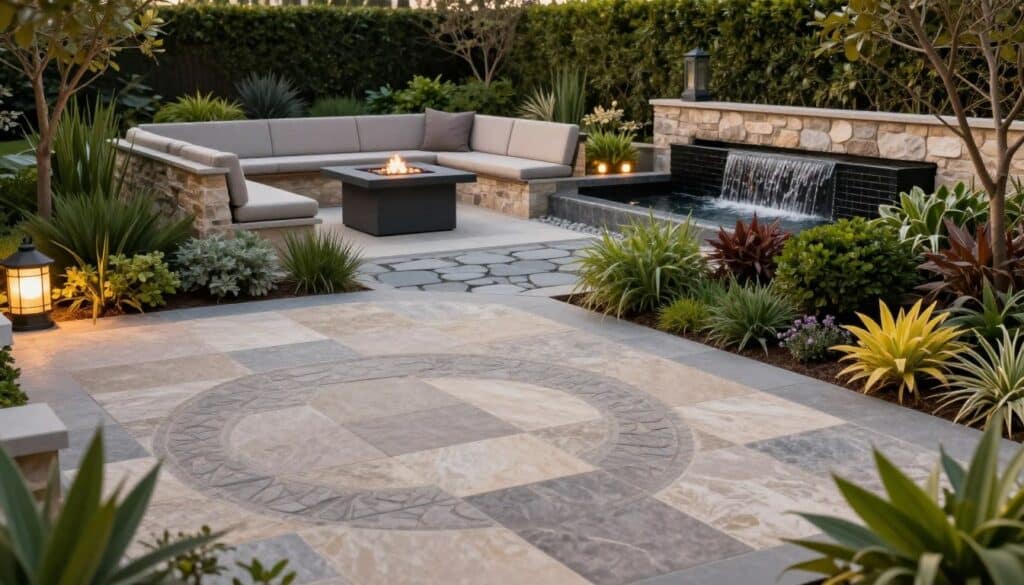
Transforming your outdoor space into a functional and stylish retreat can be an exciting project. A well-designed yard should have clearly defined areas for different activities, just like the rooms in your home. By zoning your backyard, you can create distinct spaces for dining, lounging, cooking, and playing, all while ensuring a cohesive look.
Incorporating Style and Functional Zones
Begin by identifying how you want to use your yard. Sketch a rough layout where each function gets its own dedicated space connected by walkways. For example:
- Designate a patio for dining.
- Create a gravel fire pit area for cozy gatherings.
- Establish a lounge space near the house for relaxation.
- Include a small lawn for pets or play.
- Surround the perimeter with planting beds for beauty.
This intentional zoning not only enhances the look of your yard but also reduces maintenance, as each area serves a specific purpose.
When choosing hardscape materials, ensure they reflect your home’s architecture. Clean-lined concrete and steel suit modern designs, while rustic stone and timber complement craftsman styles. Ornate brickwork aligns with traditional aesthetics, creating a seamless visual relationship between your house and landscape.
Using Colors and Textures to Enhance Design
Hardscape materials bring inherent color palettes to your landscape. From the warm ochres of natural stone to the cool grays of concrete, these colors should harmonize with your home’s exterior. Think about texture as a design tool; smooth surfaces like honed concrete feel contemporary, while rough-hewn stone adds a rustic touch.
Consider the principle of repetition and consistency. Limiting your hardscape material palette to two or three complementary materials throughout the property creates a cohesive look, avoiding a disjointed appearance.
Integrating Lighting and Shade Structures
Outdoor lighting is the secret ingredient that extends the usability of your hardscaped space. Path lights ensure safe navigation, uplights highlight trees and architectural features, and string lights create a magical ambiance for evening gatherings.
Shade structures like pergolas and retractable awnings are essential for making patios comfortable during peak summer heat. These structures not only provide relief from the sun but also add vertical interest and can support climbing plants for a living canopy effect.
In conclusion, great hardscape design is about making intentional choices that align with your lifestyle. Ensure every square foot of your outdoor space earns its place through beauty, function, or ideally both.
Hardscaping Ideas to Elevate Your Backyard
Elevating your backyard into a captivating outdoor haven can be both exciting and rewarding. With the right ideas, you can create an inviting space that reflects your style and meets your needs. Let’s explore some inspiring hardscape concepts that can transform your outdoor area.
Stone and Concrete Patio Inspirations
Consider a sprawling flagstone patio set in a random ashlar pattern. This design features creeping thyme planted in the joints, creating a living tapestry underfoot. The fragrant thyme releases a delightful scent when stepped on and changes with the seasons, making it perfect for a cottage or Mediterranean-style home.
For a modern twist, imagine a sleek concrete patio with a smooth, burnished finish in a warm charcoal tone. Furnished with minimalist outdoor sofas and a linear gas fire table, this space demonstrates how a functional element can express radically different aesthetics based on material and finish choices.
Another mid-range inspiration is a circular patio made of tumbled concrete pavers in a warm sandstone color. Bordered by a low seating wall, it doubles as extra seating during parties, with a central fire pit that naturally gathers family and friends.
Creative Use of Pavers and Gravel
Pavers offer incredible versatility. Picture a herringbone-pattern brick walkway leading from the driveway to the front porch. Its classic pattern adds old-world charm, while permeable sand joints allow rainwater to drain naturally.
Gravel can also be a design element rather than a budget compromise. Imagine a Mediterranean-inspired courtyard where pea gravel forms the ground plane, punctuated by large concrete stepping stones. This space is planted with drought-tolerant olive trees and lavender, creating a feel that transports you to a European villa.
Mixing materials can add visual dynamism. For instance, envision a patio where large flagstone slabs float in a sea of smooth river rock gravel. Alternatively, a driveway could feature two strips of concrete pavers running parallel with grass or gravel between them, reducing the visual mass of pavement while maintaining full functionality.
Building Multi-purpose Outdoor Rooms
Consider the concept of a pavilion-style outdoor room that combines a dining area with a built-in grill station. A pergola overhead provides dappled shade, while a nearby seating area with a fire pit creates a cozy gathering spot. All these zones can be connected by consistent paving that unifies the design.
For those with a pool, a poolside hardscape design can seamlessly transition from a concrete pool deck into a raised patio with a shade sail overhead. This setup creates distinct areas for sunbathing, dining, and lounging without visual barriers. Integrated planting beds soften the hard edges, enhancing the overall look.
Finally, think about a backyard that functions as multiple rooms. You could have a morning coffee nook on a small stone patio off the kitchen, a central lawn for play, a gravel fire pit circle for evening gatherings, and a secluded deck tucked behind ornamental grasses for reading. All these areas can be linked by meandering paths that invite exploration.
Low-Maintenance Hardscaping Solutions
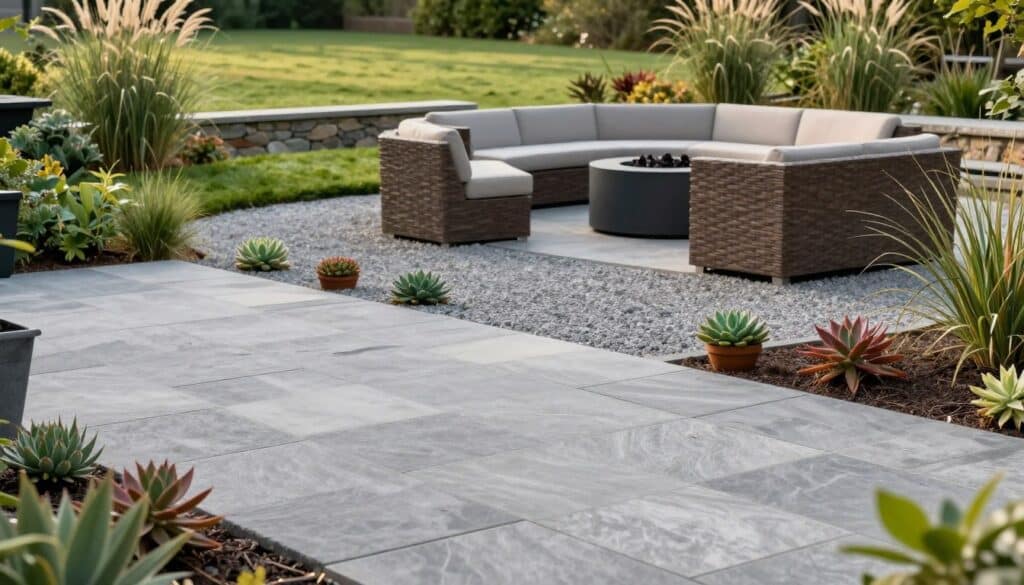
Creating a beautiful yard doesn’t have to mean endless upkeep. Homeowners often struggle to balance aesthetics with their busy lives. Fortunately, low-maintenance hardscaping solutions can help you achieve a stunning outdoor space without becoming overwhelmed by constant labor.
To start, the foundation of a low-maintenance landscape lies in selecting durable materials. Choosing materials that improve with age, such as natural stone, quality concrete, and composite decking, ensures your yard withstands weather and traffic without demanding frequent attention.
When selecting materials, consider your local climate. For example:
- Freeze-thaw resistant concrete pavers work well in northern regions.
- UV-stable composite decking is ideal for sunny southern areas.
- Naturally rot-resistant woods like cedar or ipe suit humid environments.
Minimizing Plant Care with Smart Design
Hardscaping can reduce maintenance by organizing plants within defined borders. This makes care more efficient. For instance, integrating raised beds and planting pockets into patios and retaining walls creates manageable gardening zones instead of sprawling, weedy beds.
Employing the principle of “right plant, right place” is also essential. Hardscape features like shade structures and wind-blocking walls create microclimates, allowing plants to thrive with minimal intervention. This reduces the need for supplemental watering and winter protection.
Additionally, consider installing automated irrigation systems. Drip lines can run beneath pavers to planting beds, and pop-up sprinklers can be set flush into lawns. This eliminates the chore of hand-watering while delivering water more efficiently than traditional hoses.
Effective Ground Cover Options
When it comes to ground cover, traditional lawns require significant upkeep. Replacing even a portion of your high-maintenance lawn with gravel, decomposed granite, or low-growing ground cover plants can dramatically reduce weekend yard work hours.
For example, consider:
- Gravel and river rock as budget-friendly, low-maintenance options.
- Mulch to suppress weeds and retain moisture, ideally applied in a three-inch layer around shrubs.
- Low-growing plants like creeping jenny or sedum that help suppress weeds while adding texture.
Properly installed hardscape with quality landscape fabric and edge restraints can also help maintain tidy spaces with less effort. This prevents open soil beds from inviting weed invasion.
Lastly, low-maintenance doesn’t mean boring. Stunning xeriscape designs, featuring sculptural agaves and ornamental grasses amidst decorative gravel, prove that intentionality can create beautiful landscapes.
In conclusion, embracing low-maintenance hardscaping is not a compromise but a smart design philosophy. It respects your time, aligns with local climate conditions, and supports the natural environment. This approach results in a yard that looks great and promotes relaxation instead of demanding constant labor.
The Role of Hardscaping in Water Management
Water management is a crucial yet often overlooked aspect of outdoor design. Effective strategies can help protect your property and maintain a healthy yard. By integrating proper drainage and irrigation systems, you can ensure that your landscape remains functional and visually appealing.
Drainage and Irrigation Integration
Every hardscape project must begin with a water management plan. Impervious surfaces like patios, driveways, and walkways prevent rainwater from soaking into the ground. This creates runoff that must be deliberately directed to avoid property damage.
- Proper grading is essential. Hardscape surfaces should be pitched at a subtle slope—typically 1 to 2 percent, or a quarter-inch drop per foot. This channels water away from the house foundation and toward designated drainage areas like swales, rain gardens, or street gutters.
- Consider permeable hardscaping options. Permeable concrete pavers, gravel-filled grids, and porous asphalt allow water to pass through the surface and infiltrate the soil below. This reduces runoff volume and recharges groundwater.
- Integrate subsurface drainage systems. French drains, channel drains, and catch basins work invisibly beneath or alongside hardscape features to collect and redirect excess water. This prevents puddling, ice formation, and surface deterioration.
Preventing Soil Erosion and Water Damage
Retaining walls and terracing on sloped properties are not merely aesthetic choices. They are essential erosion-control structures that hold soil in place, slow water movement, and create flat, usable spaces. Neglecting drainage can lead to catastrophic consequences.
- Water pooling against foundations can cause cracking and basement flooding.
- Saturated soil may lead to retaining wall failure.
- Unchecked runoff can carve gullies through planted areas, destroying years of landscape investment in a single storm season.
Hardscaping can be designed to work with nature. For example, dry creek beds made of river rock can channel runoff beautifully through the landscape. Rain gardens planted with water-tolerant species capture and filter runoff, while infiltration basins allow water to slowly percolate into the aquifer.
Properties with high water tables, clay soils, or proximity to bodies of water face unique challenges. Hardscape design must account for hydrostatic pressure, seasonal flooding, and local environmental regulations that may restrict impervious surface coverage.
Investing in proper drainage during the hardscape installation phase is exponentially cheaper and less disruptive than retrofitting solutions after problems emerge. Therefore, water management is one of the highest-return aspects of thoughtful hardscape design.
How to Choose the Right Hardscaping Materials for Your Home
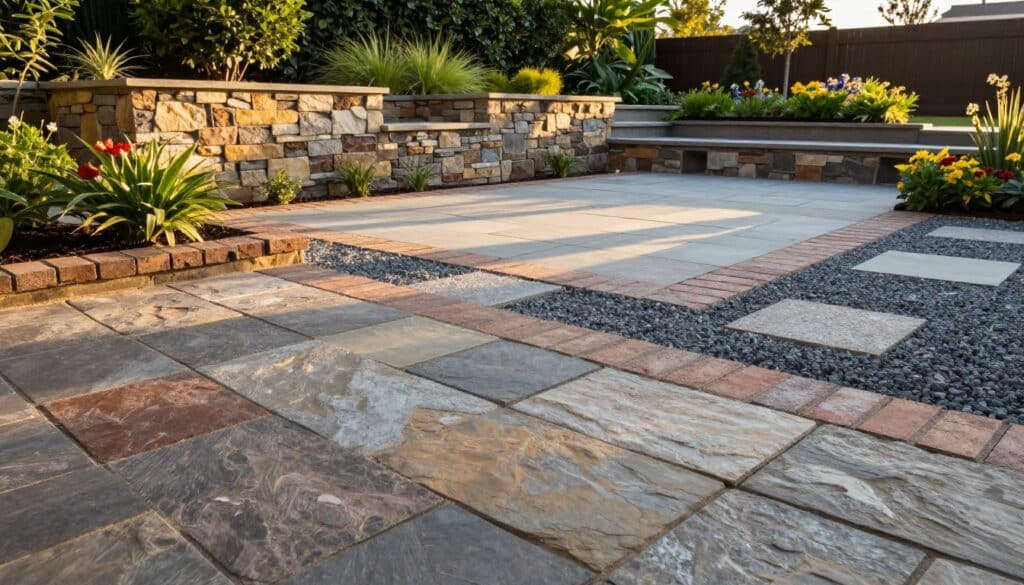
Choosing the right materials for your outdoor space can feel overwhelming. However, understanding how to match these materials to your home’s architecture and climate can simplify the decision-making process. This guide will help you evaluate your options based on style, durability, and maintenance needs.
Matching Materials to Architecture and Climate
Hardscape materials should feel like a natural extension of your home. The architectural style of your house provides a clear directive for material selection. For example:
- A mid-century modern ranch looks stunning with smooth concrete, large-format pavers, and ipe wood decking.
- Colonial or traditional homes benefit from brick walkways and bluestone patios.
- A craftsman bungalow pairs beautifully with natural flagstone and warm cedar.
- A Mediterranean villa demands terra cotta tiles and stuccoed walls.
Climate is also a critical factor. Materials must withstand local weather extremes:
- In the Northeast, freeze-thaw cycles require dense, low-absorption materials like porcelain pavers or high-quality concrete.
- The intense sun in the Southwest calls for UV-resistant composites and light-colored surfaces that reflect heat.
- Coastal areas need rot-resistant woods and corrosion-proof metals.
Considering Durability and Maintenance
When selecting materials, consider their lifespan and upkeep requirements. Natural stone can last a century with minimal maintenance, needing only occasional cleaning. In contrast, wood decking may require replacement every 10 to 15 years and annual sealing to maintain its appearance.
It’s also essential to understand the total cost of ownership. A higher upfront investment in premium materials, such as quarried stone or high-density concrete, often pays off over time. These materials tend to reduce repair, replacement, and maintenance expenses compared to cheaper alternatives that degrade faster.
Whenever possible, request samples and view materials in person. Colors and textures can look dramatically different under natural light than they do online or in a showroom. Observing how materials weather in your local area can also provide valuable insights.
Safety is another consideration. Slip resistance is crucial, especially around pools or in regions with frequent rain or snow. Textured finishes, tumbled pavers, or naturally grippy materials like flagstone are excellent choices for high-traffic and wet areas.
Lastly, think about future flexibility. Modular systems like concrete pavers allow for easier repairs and modifications than monolithic poured concrete. This can be a deciding factor for homeowners who anticipate future landscape changes or utility access needs.
To summarize, ask yourself three key questions when selecting materials:
- Does this material complement my home’s architecture?
- Can it survive my local climate for decades?
- Am I willing to perform the maintenance it requires?
If you can answer “yes” to all three, you’re likely on the right track to choosing the perfect material for your outdoor space.
| Material | Best Use | Durability | Maintenance |
|---|---|---|---|
| Natural Stone | Patios, Walkways | 100+ years | Minimal, occasional cleaning |
| Concrete | Driveways, Patios | 30-50 years | Periodic sealing |
| Wood Decking | Decks | 10-15 years | Annual sealing, replacement |
| Pavers | Walkways, Patios | 50+ years | Low, easy repairs |
Installation Considerations and Best Practices for Hardscaping
Before you dive into hardscape installation, it’s important to grasp the essential steps and considerations. Hardscaping projects can significantly enhance your outdoor space, but they require careful planning and execution. The foundation you lay will determine the longevity and functionality of your hardscape features.
Site Preparation and Foundation Work
What happens beneath the surface is critical. Proper excavation, compaction, and base material installation are non-negotiable steps. These elements separate a hardscape that lasts decades from one that fails in a few years.
For a standard patio or walkway, follow these steps:
- Excavate to a depth of 7 to 9 inches below the finished surface.
- Compact the subgrade soil to create a stable base.
- Install a 4- to 6-inch layer of compacted crushed stone base.
- Add a 1-inch layer of bedding sand.
- Lay the surface material, ensuring careful leveling and compaction.
Driveways require even deeper foundations—typically 10 to 12 inches of base material—to support vehicle weight without cracking. Retaining walls over 3 feet tall need engineered footings, drainage gravel behind the wall, and often geogrid reinforcement to resist the immense lateral pressure of retained soil.
Hiring Professionals vs. DIY
Deciding whether to hire a professional or tackle the project yourself can be daunting. Simple gravel paths, small paver patios, and prefabricated fire pit kits are suitable for skilled homeowners. However, large retaining walls, complex drainage systems, and outdoor kitchens with gas and electrical lines should be left to licensed contractors.
When hiring a contractor, consider these tips:
- Verify licensing and insurance.
- Ask for a portfolio of completed projects similar in scope.
- Request and call references.
- Get at least three detailed written quotes.
- Ensure the contract specifies materials, timeline, payment schedule, and warranty terms.
Avoid the temptation to choose the lowest bid. Poor installation can lead to costly repairs, making quality contractors worth the investment.
Permitting and Local Regulations
Many hardscape projects require building permits, especially those involving structures over a certain height or significant changes to drainage patterns. Proceeding without permits can result in fines and complications when selling your home.
Common regulatory triggers include:
- Retaining walls over 3 or 4 feet typically require an engineered design and permit.
- Outdoor kitchens with gas lines need plumbing and electrical permits.
- Municipalities often enforce maximum lot coverage limits for impervious surfaces to manage stormwater runoff.
Contact your local building department early in the planning process to understand requirements. Reputable contractors will handle permitting as part of their service, ensuring compliance with all applicable codes and regulations.
Enhancing Outdoor Living with Hardscaping Features
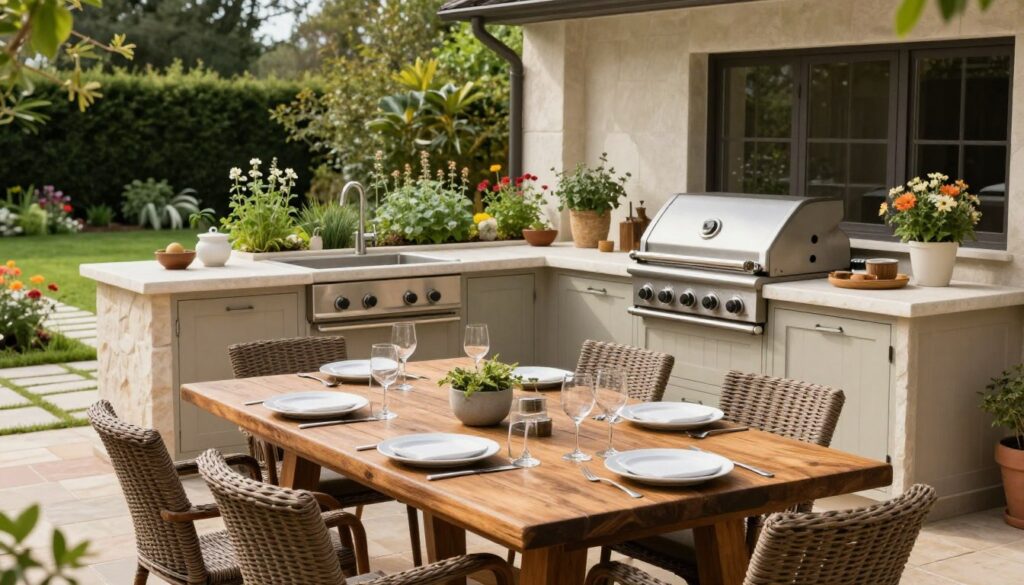
Transforming your backyard into a luxurious outdoor living area is not just about aesthetics; it’s about creating functional spaces that rival your indoor rooms. With the right hardscaping features, you can elevate your outdoor experience to new heights. Imagine a beautifully designed outdoor kitchen where cooking becomes a joy, a comfortable seating area that invites relaxation, and lighting that sets the perfect mood for any occasion.
Designing Outdoor Kitchens and Dining Areas
Picture the ultimate outdoor culinary experience: a built-in gas grill and smoker set into a stone-topped island, paired with a concrete countertop for food prep. A wood-fired pizza oven radiates warmth, while a dining table nestled under a pergola strung with café lights invites gatherings. All of this sits on a level patio that easily handles spills and foot traffic.
When planning your outdoor kitchen, consider the classic work triangle between the grill, sink, and refrigerator for efficiency. Position the cooking zone downwind of the dining area, allowing smoke to drift away from your guests. Choose hardscape surfaces that are grease-resistant and easy to clean, ensuring your outdoor kitchen remains as inviting as your indoor one.
For materials, granite and concrete countertops withstand weather and heat, while stainless steel cabinetry resists rust. Porcelain pavers provide slip resistance and stain resistance, making them ideal for cooking and dining zones.
Comfortable Seating and Shade Structures
Creating a comfortable seating area can significantly enhance your outdoor experience. Explore built-in seating options, such as curved retaining walls topped with stone caps that double as casual perching spots. Alternatively, consider upholstered outdoor sectionals arranged on a deck under a motorized retractable awning, providing shade at the touch of a button.
The transformative effect of a pergola or pavilion over a seating area cannot be overstated. These structures define the space vertically, offering dappled or solid shade depending on the design. They create a sense of enclosure, making your outdoor room feel as intimate and protected as an indoor living room. For a modern touch, shade sails provide a budget-friendly alternative, their tensile fabric creating dramatic geometric shapes overhead while blocking UV rays.
Lighting for Ambiance and Functionality
Layering your lighting plan is essential for creating a warm and inviting atmosphere. Think of task lighting for cooking and dining surfaces, ambient lighting from string lights or lanterns, and accent lighting to highlight specimen trees or water features. Safety lighting along steps and path edges is crucial to prevent trips and falls after dark.
Low-voltage LED systems are an excellent choice for their energy efficiency and long lifespan. They offer warm color temperature options that flatter both hardscape materials and human skin tones. Additionally, smart lighting controls allow homeowners to adjust scenes from their smartphones, making it easy to set the mood for any occasion.
Ultimately, the goal of these features is to make the outdoors so comfortable and inviting that it becomes the default setting for daily life. From morning coffee on the patio to evening cocktails by the fire, your outdoor space can extend your home’s living area into the landscape.
Maintenance Tips for Hardscapes
Maintaining your outdoor hardscape is essential for ensuring its longevity and beauty. Regular upkeep can prevent minor issues from becoming major repairs, allowing you to enjoy your outdoor space for years to come. Here’s a clear, actionable roadmap to help you care for your hardscape investment.
Cleaning and Sealing Surfaces
Establish a seasonal cleaning rhythm to keep your hardscape looking fresh:
- Start with a thorough spring power washing to remove winter grime, mold, and mildew from patios, walkways, and driveways.
- Perform spot cleaning throughout the summer as needed to maintain appearance.
- Conduct a final fall cleanup to clear leaves and debris before they stain surfaces over winter.
Each material has specific cleaning needs:
- Natural stone requires pH-neutral cleaners to avoid etching.
- Concrete can handle mild pressure washing but may need resealing afterward.
- Wood decks benefit from oxygen bleach rather than chlorine bleach to avoid damaging wood fibers.
- Composite decking typically needs only soap and water.
Sealing porous hardscape materials like concrete pavers, natural stone, and brick is crucial. Sealers penetrate the surface to repel water, resist stains from oil and food spills, inhibit moss and algae growth, and protect against freeze-thaw damage. Depending on the material, climate, and traffic, reapplication may be necessary every 2 to 3 years. Always test the sealer on an inconspicuous area first to ensure it does not alter the material’s color or sheen.
Repairing Cracks and Wear
All hardscape materials eventually show signs of age. Addressing small issues promptly can prevent them from becoming large, expensive problems. For example, a hairline crack in concrete can widen with freeze-thaw cycles, and a loose paver can destabilize its neighbors.
Here are some DIY repair techniques:
- Fill concrete cracks with elastomeric caulk or epoxy injection.
- Replace individual damaged pavers by prying them out and resetting them in fresh bedding sand.
- Sanding and resealing weathered wood deck boards can restore their look.
- Repoint mortar joints in brick or stone walls that have crumbled over time.
Seasonal Care Advice
Follow this year-round maintenance calendar to keep your hardscape in top shape:
- Spring: Clean, seal, and inspect for winter damage.
- Summer: Control weeds in joints, spot clean, and monitor drainage performance during heavy rains.
- Fall: Remove leaves, check and clean drainage systems, and winterize outdoor kitchens.
- Winter: Promptly remove snow and ice using calcium chloride instead of rock salt, which can damage concrete and stone surfaces.
Weed and moss growth in paver joints can be challenging. Consider using polymeric sand as a long-term solution. It hardens when wet to block weed germination while remaining flexible enough to accommodate minor ground movement.
In conclusion, think of maintenance not as a chore but as stewardship of an investment. A well-maintained hardscape can look beautiful for decades, and the modest effort required is dwarfed by the years of enjoyment it returns to you.
Hardscaping and Property Value: What You Need to Know
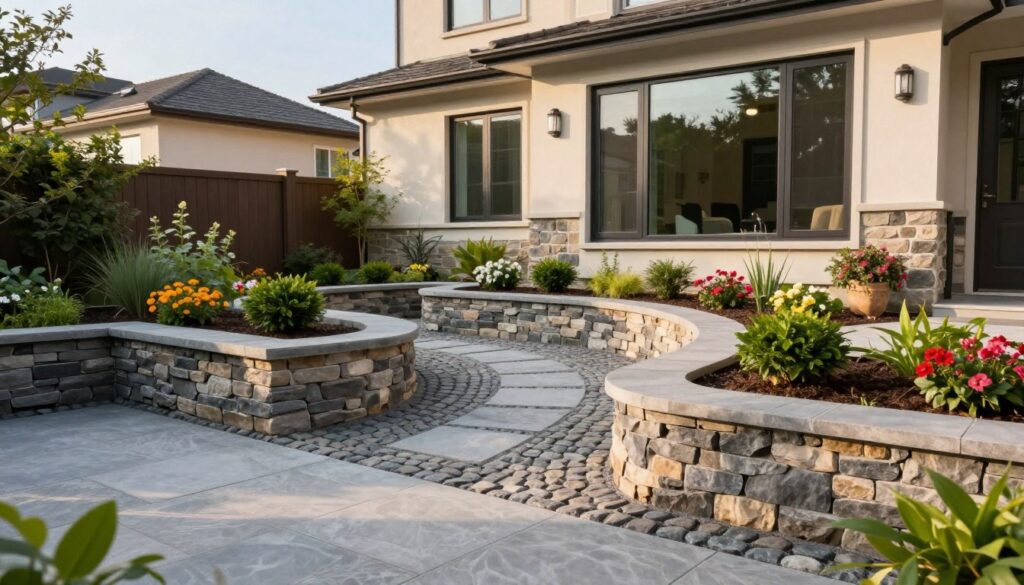
Investing in thoughtful hardscaping can transform your outdoor space into a valuable asset. The right hardscape features not only enhance your backyard but also significantly boost your property’s overall value. This section explores how intentional hardscaping impacts curb appeal and sale price, and which features add the most value.
First impressions matter. Real estate experts emphasize that buyers form opinions within seconds of arriving at a property. A beautifully hardscaped front entry, complete with a paver walkway, stone retaining walls, and well-defined planting beds, signals to potential buyers that the entire home has been meticulously maintained. This can lead to higher offers and quicker sales.
Impact on Curb Appeal and Sale Price
Real estate appraisers and buyers assign tangible value to hardscape improvements. For instance, industry data suggests that a well-designed patio can recoup 50 to 80 percent of its installation cost at resale. An outdoor kitchen may return 50 to 70 percent, while a new driveway or front walkway can significantly enhance curb appeal and perceived home value.
Moreover, buyers increasingly view outdoor living spaces as essential extensions of a home’s square footage. Features like patios, decks, and outdoor kitchens are no longer seen as optional luxuries. Properties lacking these elements may feel incomplete or dated in competitive markets.
Choosing Features That Add the Most Value
When considering hardscape investments, prioritize features that appeal to a broad range of buyers. Here are some valuable additions:
- A classic stone or paver patio with a fire pit.
- A well-built front walkway and entry landing.
- An attached deck with sturdy railings.
- A driveway in excellent condition.
These features are universally appreciated and unlikely to polarize buyer tastes. However, be cautious of over-improvement for your neighborhood. For example, a lavish outdoor kitchen with top-of-the-line appliances may not recoup its cost in a modest subdivision where comparable homes have simple grills on concrete slabs. It’s wise to calibrate your hardscape investments to the expectations of your local market.
Low-maintenance hardscaping can also attract buyers who lack the time or inclination for intensive yard work. A thoughtfully hardscaped property can be seen as a turnkey lifestyle upgrade, commanding a premium over homes with high-maintenance lawns and neglected landscapes.
Additionally, hardscaping plays a crucial role in creating privacy—often a top priority for homebuyers. Features like strategically placed walls, fences integrated with planting beds, and pergolas with screening elements can make a backyard feel like a secluded retreat, even in dense suburban settings.
While highly personalized hardscape features like elaborate water features or themed structures may appeal to some, they can also be viewed as liabilities by others. Homeowners planning to sell within a few years should stick to broadly appealing, classic designs to ensure their investment pays off.
In conclusion, while hardscaping should primarily serve the current homeowner’s enjoyment, making value-conscious choices ensures that the investment pays dividends in both daily quality of life and eventual resale value. This creates a rare win-win in home improvement.
Common Challenges and Solutions in Hardscaping Projects
Navigating the complexities of hardscaping projects can be challenging, but understanding common obstacles can lead to successful outcomes. Without proper planning, these challenges can derail your project, resulting in costly repairs and wasted time. Here, we will explore key issues and provide effective solutions to ensure your hardscape stands the test of time.
Managing Drainage and Water Runoff
Water is the number one enemy of hardscape longevity. The most common project failures—sinking pavers, cracked concrete, leaning walls, and flooded basements—can almost always be traced back to inadequate drainage planning during the design and installation phases. To prevent these issues, consider the following hierarchy of drainage solutions:
- Surface grading: Direct water away from structures.
- Permeable surfaces: Allow infiltration to reduce runoff.
- Channel drains and catch basins: Capture and redirect excess water.
- French drains: Move subsurface water effectively.
- Dry wells or rain gardens: Retain water on-site for gradual absorption.
Dealing with Soil and Climate Constraints
Soil type and climate can significantly impact hardscape foundations. For example, expansive clay soils swell when wet and shrink when dry, wreaking havoc on stability. Solutions include:
- Over-excavation and replacement with engineered fill.
- Installation of geotextile fabrics to stabilize the base.
In freeze-thaw climates, water that penetrates cracks can freeze and expand, leading to structural failures. Using air-entrained concrete and dense natural stone with low absorption rates can help mitigate these risks. Coastal environments present unique challenges as well, such as:
- Corrosion from salt spray.
- High winds requiring robust anchoring for structures.
- Sandy soils needing deep, compacted footings.
Keeping Design Practical and Sustainable
While aesthetics are important, functionality should never be compromised. For instance, a stunning patio facing west without shade may become unusable. Here are some practical design tips:
- Ensure proper drainage gravel and weep holes in retaining walls.
- Utilize recycled materials like crushed concrete as base aggregate.
- Choose locally sourced stone to reduce transportation emissions.
- Incorporate permeable paving to support groundwater recharge.
Consider phasing large projects over multiple seasons to avoid compromising quality. Start with essential foundation work like drainage and grading, then add features like outdoor kitchens and pergolas as funds allow.
Ultimately, reframing challenges as opportunities can lead to innovative designs. A sloped yard can become an asset with terraced retaining walls, and poor drainage can transform into a beautiful dry creek bed that enhances your landscape while solving practical problems.
Conclusion
Designing an inviting outdoor space can enhance your lifestyle and home. This guide has shown that hardscaping is more than just installing patios and pathways; it’s about creating environments that foster connection and functionality. The essence of successful landscaping lies in thoughtful planning, understanding your site, and designing for your everyday life.
Remember to balance hardscape and softscape elements, choose materials that complement your home, and prioritize drainage and installation quality. Begin your journey by observing how you use your yard and considering the activities you want to support.
Hardscaping is a long-term investment that pays off in quality of life and property value. Whether you opt for professional help or a DIY approach, the insights from this guide will empower you to make informed decisions and avoid common pitfalls.
Imagine a backyard that welcomes you home with a warm, well-lit patio, hosts gatherings around a fire pit, and provides safe play areas for children and pets—all while requiring minimal maintenance. Take the first step today by sketching a layout or visiting a local stone yard. Your dream outdoor space awaits!