

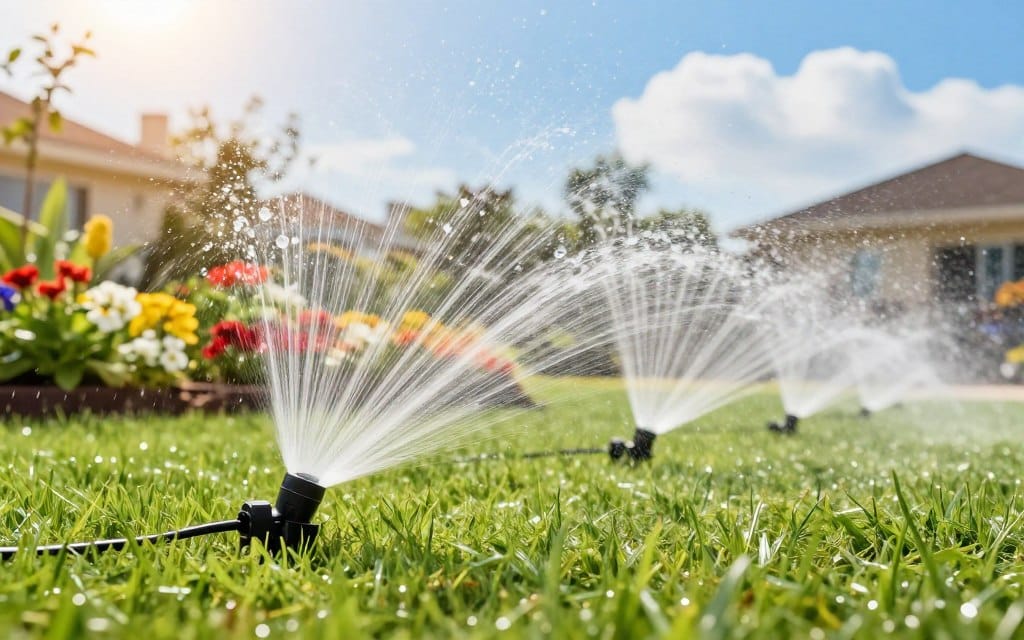
Have you ever wondered if your grass is truly getting the hydration it needs to thrive during the hottest months of the year? Maintaining a lush, green landscape requires more than just luck; it demands a consistent and reliable strategy. Implementing an automatic irrigation setup is the most effective way to ensure your property stays vibrant throughout every season.
These modern systems follow a custom or weather-determined schedule to keep your soil perfectly moist. By automating the process, you eliminate the guesswork often associated with manual watering routines and unpredictable environmental fluctuations. This upgrade not only saves you valuable time but also protects your long-term investment in your home’s exterior.
Key Takeaways
- Automated systems provide consistent hydration tailored to your specific landscape needs.
- Smart technology removes the stress of manual watering schedules and human error.
- Custom designs ensure that every corner of your yard receives precise water coverage.
- Upgrading your system helps conserve water resources while lowering monthly utility bills.
- Professional installation ensures your lawn remains healthy and vibrant all year long.
1. Understanding Irrigation Systems
Maintaining a vibrant landscape requires more than just occasional rain. To keep your plants healthy, you must provide a steady, well-regulated schedule of water and nutrients. This process is known as what is irrigation, and it serves as the backbone of professional lawn care.
What is Irrigation?
At its core, irrigation is the artificial application of water to land or soil. It helps sustain plant growth, especially during dry spells or in regions with low rainfall. By controlling the moisture levels in your soil, you ensure that your lawn remains resilient and lush throughout the year.
Types of Irrigation Systems
There are several ways to deliver water to your landscape, ranging from simple tools to complex technology. Manual methods involve using hoses or portable sprinklers, which require your constant attention. In contrast, modern irrigation systems offer automated solutions that handle the work for you.
| System Type | Control Level | Water Efficiency |
|---|---|---|
| Manual Hose | High (Manual) | Low |
| Drip Irrigation | High (Automated) | Very High |
| Sprinkler System | Medium (Automated) | Moderate |
Benefits of Using Irrigation
Investing in reliable irrigation systems provides significant advantages for any homeowner. These setups save you time by removing the need for daily manual watering. Furthermore, they promote deeper root growth by delivering water directly to the soil at the right time.
Consistent moisture prevents stress on your grass, which helps keep weeds and pests at bay. When you automate your watering, you also reduce water waste by preventing over-saturation. This creates a healthier, more sustainable environment for your entire garden.
2. The Importance of Lawn Health
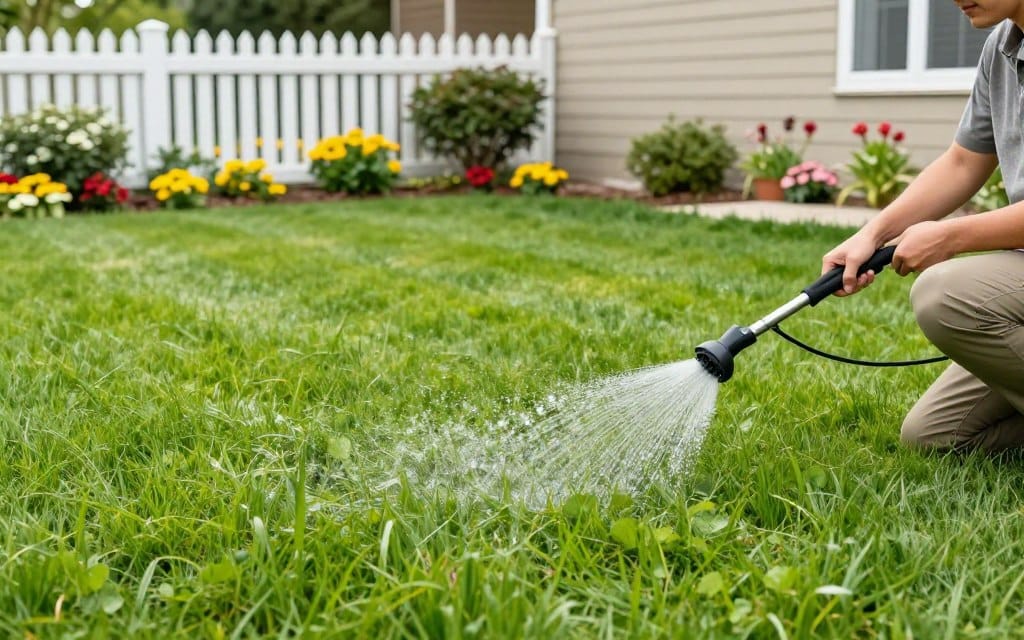
Achieving a picture-perfect yard is a goal for many homeowners, but it starts beneath the surface. A truly healthy lawn requires more than just adequate sunlight; it demands a consistent and reliable supply of moisture to thrive. When you prioritize the needs of your turf, you improve its density, color, and overall root strength.
Investing in professional care ensures that your outdoor space remains resilient throughout the year. You can explore various service warranties to protect your investment and ensure long-term success. By focusing on these foundational elements, you create a landscape that stands the test of time.
Key Factors for a Healthy Lawn
Several variables determine the vitality of your grass. Soil quality is the primary foundation, as it provides the essential nutrients required for deep root growth. Proper aeration and fertilization also play significant roles in maintaining a lush appearance.
Sunlight exposure must be balanced with adequate shade to prevent heat stress. When these factors align, your lawn becomes much more resistant to pests and common diseases. Consistent monitoring allows you to address minor issues before they escalate into costly problems.
Role of Watering in Lawn Maintenance
Watering is perhaps the most critical component of a successful maintenance routine. Dry seasons can cause significant lawn damage after just a few days without adequate moisture. If the soil dries out completely, the grass may enter a dormant state or even die off entirely.
Establishing a reliable watering schedule prevents the stress that occurs during unexpected dry periods. Deep, infrequent watering encourages roots to grow deeper into the soil, which increases drought tolerance. This simple habit ensures your lawn stays vibrant even when the weather turns harsh.
| Health Indicator | Signs of Good Health | Signs of Stress |
|---|---|---|
| Grass Color | Deep, vibrant green | Yellowing or brown patches |
| Root Depth | Strong, deep anchors | Shallow, weak roots |
| Turf Density | Thick, uniform coverage | Thinning or bare spots |
| Soil Moisture | Consistent dampness | Cracked, dry surface |
3. Automatic vs. Manual Irrigation
Understanding the differences between manual and automated systems can transform your lawn care routine. While many people start with a simple hose, upgrading to automatic irrigation offers a superior way to manage your landscape. This shift allows you to move away from guesswork and toward a more scientific approach to plant health.
Advantages of Automatic Systems
sprinkler systems provide unmatched precision for your yard. These setups ensure that every corner of your lawn receives the exact amount of water it needs to thrive. By operating on set timers, they eliminate the risk of forgetting to water during dry spells.
Drawbacks of Manual Watering
Manual watering is often inefficient and labor-intensive for the average homeowner. It frequently leads to significant water waste because it is difficult to monitor the exact volume applied to specific areas. Furthermore, hand-watering often results in uneven coverage, leaving some patches dry while others become oversaturated.
Long-Term Cost Efficiency
Investing in high-quality sprinkler systems pays off by reducing your monthly utility bills. These systems save thousands of gallons of water by turning off at the right time, preventing unnecessary runoff. Over time, the initial cost is offset by lower water usage and the protection of your valuable landscape investment.
| Feature | Manual Watering | Automatic System |
|---|---|---|
| Labor Required | High | Minimal |
| Water Accuracy | Low | High |
| Cost Efficiency | Poor | Excellent |
4. How Automatic Irrigation Works
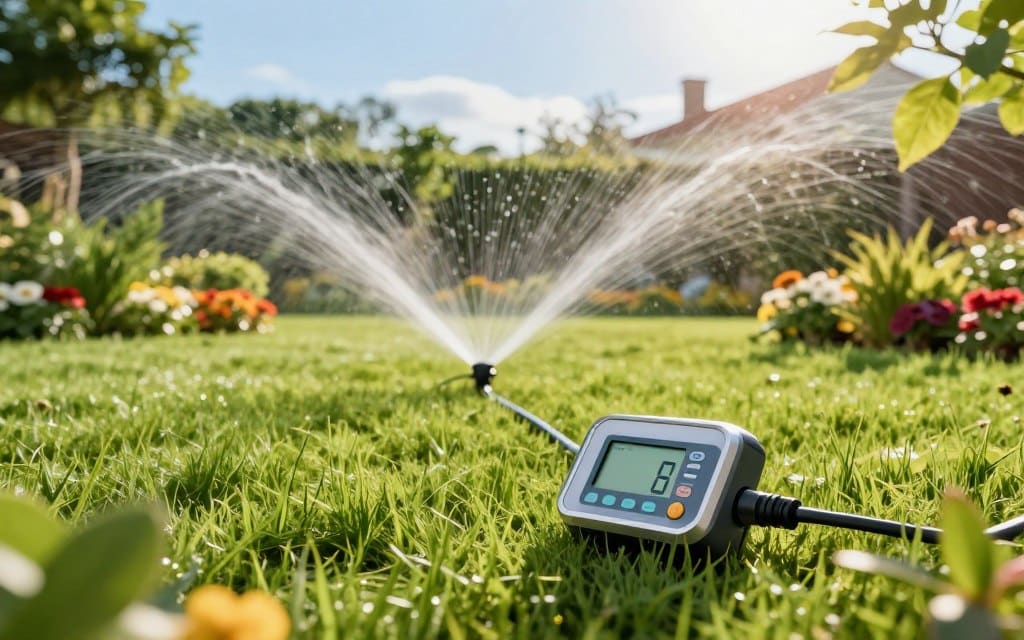
An automatic irrigation system functions like a well-oiled machine, ensuring every plant gets exactly what it needs. By integrating various mechanical parts, these systems remove the guesswork from your daily lawn maintenance routine. You can enjoy a vibrant yard while the system handles the heavy lifting behind the scenes.
Components of an Automatic System
At the heart of every setup is a network of underground pipes and specialized valves. These valves act as gates, opening and closing to direct water flow to specific areas of your property. Advanced irrigation controllers serve as the brain of the operation, sending electrical signals to these valves to start or stop the watering process.
Water Timing and Scheduling
Modern irrigation controllers have evolved significantly to offer better efficiency for homeowners. Many current models feature WiFi connectivity, allowing them to adjust water use based on real-time weather data. By monitoring forecasted and actual rainfall, these smart devices prevent overwatering during wet spells and ensure your lawn stays hydrated during dry heat.
Irrigation Zones and Coverage
Professional installers divide your landscape into distinct zones to account for different plant requirements. For instance, your flower beds might need a different watering frequency than your turf grass. Using targeted methods like drip irrigation allows you to deliver water directly to the roots of your plants, which minimizes evaporation and reduces waste.
Properly configured zones ensure that every corner of your yard receives the exact amount of moisture required for optimal growth. This level of precision keeps your landscape healthy while saving you time and money on your monthly utility bills.
5. Environmental Benefits of Irrigation
Responsible water management is a cornerstone of modern landscaping, especially when utilizing water-efficient irrigation techniques. By adopting these methods, homeowners can maintain lush lawns while significantly reducing their overall environmental impact. Proper irrigation ensures that every drop of water serves a purpose, preventing unnecessary waste in our local ecosystems.
Water Conservation Techniques
Modern systems prioritize precision by delivering water directly to the root zone of your grass. This targeted approach minimizes evaporation that often occurs with traditional sprinklers or manual hose watering. By using advanced irrigation techniques, you ensure that moisture reaches the soil where it is needed most.
These systems often include sensors that prevent watering during rain or high humidity. This smart technology prevents over-saturation and keeps your water usage within sustainable limits. Conserving water not only lowers your utility bills but also preserves a vital natural resource for the entire community.
Reducing Chemical Runoff
A healthy, well-irrigated lawn acts as a natural filter for the environment. When grass is properly hydrated, it thrives and develops a dense root system that holds soil in place. This density prevents fertilizers and other lawn chemicals from washing away into storm drains during heavy rain.
Furthermore, a vibrant lawn actively contributes to air quality through photosynthesis. Plants consume harmful carbon dioxide and convert it into fresh oxygen, creating a cleaner atmosphere around your home. Using water-efficient irrigation helps maintain this cycle, ensuring your landscape remains a productive part of the local ecosystem.
| Method | Water Efficiency | Runoff Risk | Environmental Impact |
|---|---|---|---|
| Manual Hose | Low | High | Negative |
| Standard Sprinkler | Medium | Moderate | Neutral |
| Smart Irrigation | High | Low | Positive |
6. Choosing the Right Automatic System
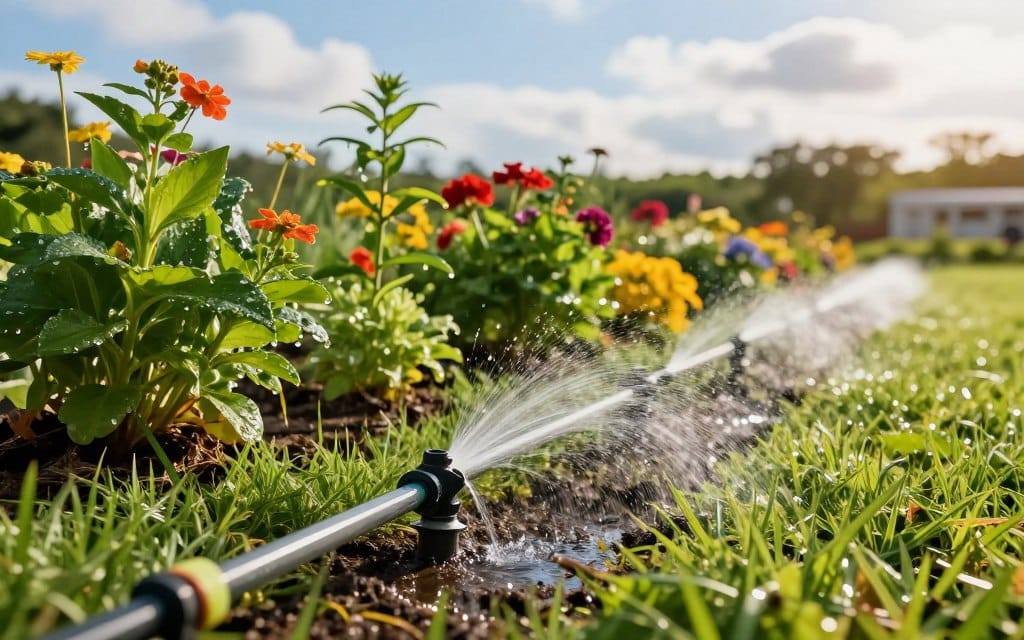
Selecting the right watering hardware requires a careful look at your soil, plants, and local climate. Every property has unique needs that dictate which equipment will perform best over time. By evaluating these elements early, you ensure your front yard landscaping remains vibrant and healthy.
Factors to Consider
Start by analyzing your soil composition, as sandy soil drains quickly while clay holds moisture for longer periods. You should also group plants with similar water requirements together to prevent overwatering or underwatering specific areas. Local weather patterns play a major role in how often your system needs to run to maintain optimal growth.
Consider the layout of your garden beds versus your open turf areas. A well-planned system accounts for these differences to maximize efficiency and reduce waste. Taking the time to map out your landscape ensures that every corner receives the precise amount of hydration it needs.
System Features to Look For
Modern technology offers several specialized tools to improve your watering routine. For garden beds and delicate shrubs, drip irrigation is an excellent choice because it delivers water directly to the root zone. This method minimizes evaporation and keeps foliage dry, which helps prevent common plant diseases.
For your lawn, look for high-efficiency nozzles that provide uniform coverage across the grass. Underground systems are a popular choice because they are virtually invisible and prevent the clutter of unsightly hoses. Integrating these features creates a durable, low-maintenance setup that keeps your property looking professional throughout the seasons.
7. Setting Up Your Automatic Irrigation
Building a reliable irrigation network starts long before you dig the first hole in your soil. Proper planning is the most critical phase of installing a new system to ensure long-term reliability and performance. By focusing on effective irrigation management, you can create a foundation that keeps your landscape vibrant for years to come.
Planning Your Setup
Start by sketching a detailed map of your property to identify different plant types and their specific water requirements. Grouping plants with similar needs into distinct zones allows for more precise control over your water usage. This strategic approach prevents overwatering in some areas while ensuring that thirsty sections receive adequate moisture.
Consider your local water pressure and flow rate before purchasing any components. These factors dictate the number of sprinkler heads you can place on a single circuit. Taking the time to calculate these metrics early on will save you from significant headaches during the actual assembly phase.
Installation Process Overview
Once your plan is finalized, the physical work begins with trenching. You will need to dig narrow channels to house your pipes, typically at a depth that protects them from lawn mowers and foot traffic. After the pipes are laid, you will connect them to your main water supply, ensuring all joints are sealed tightly to prevent leaks.
Professional installation often safeguards the time and money invested in a landscape. If you are not comfortable with plumbing or electrical wiring, hiring a pro is a wise choice to ensure your automatic irrigation system functions perfectly. A structured approach to installation guarantees that your system provides uniform coverage across your entire lawn.
After the components are in place, test each zone to verify that the spray patterns overlap correctly. This final check is a vital part of ongoing irrigation management. Once you confirm that every corner of your yard is covered, you can backfill the trenches and enjoy the convenience of your new setup.
8. Maintenance Tips for Irrigation Systems
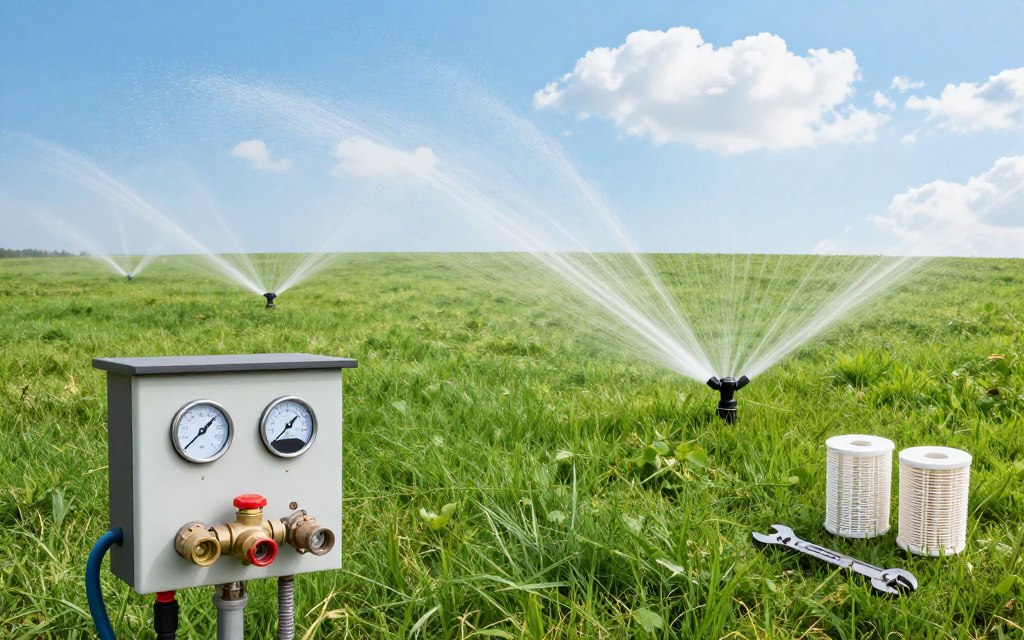
Even the most advanced irrigation systems need a little love to stay in top shape. While these setups are designed to automate your lawn care, they are not entirely maintenance-free. Taking a proactive approach ensures your equipment runs efficiently and saves you from dealing with unexpected breakdowns.
Regular System Checks
You should inspect your hardware at least once a month during the active growing season. Walk through your yard while the water is running to spot any uneven spray patterns or clogged nozzles. If you notice a sprinkler head that is tilted or blocked by overgrown grass, clear the area immediately to maintain proper coverage.
Keep an eye out for wet spots or puddles that appear even when the system is off. These are often telltale signs of a hidden leak in your irrigation systems. Addressing these small issues early prevents water waste and protects your lawn from potential root rot or soil erosion.
Seasonal Maintenance Guidelines
Your maintenance routine should shift as the weather changes throughout the year. In the spring, perform a full system startup to check for damage caused by winter frost. This is the perfect time to test your timer settings and ensure your zones are watering the correct areas.
As summer heat peaks, adjust your controller to account for higher evaporation rates. When autumn arrives, prepare for winter by blowing out the lines to prevent pipes from freezing and cracking. Following this schedule keeps your investment performing at its best for many years.
| Season | Primary Task | Goal |
|---|---|---|
| Spring | System Startup | Verify coverage and fix leaks |
| Summer | Timer Adjustment | Optimize water for heat |
| Autumn | Winterization | Prevent pipe damage |
| Winter | Equipment Storage | Protect sensitive components |
9. Common Issues with Irrigation Systems
Proactive irrigation management is the secret to avoiding costly lawn repairs. By keeping a close watch on your equipment, you ensure that your soil maintains the perfect moisture balance for healthy growth. Identifying minor problems early prevents plant stress and keeps your landscape looking vibrant throughout the season.
Troubleshooting Tips
Many homeowners find that simple maintenance solves most performance concerns. If you notice uneven coverage, start by inspecting the nozzles for debris or mineral buildup. Cleaning these parts often restores proper flow and pressure immediately.
You should also check your valves and timers for electrical faults. Sometimes, a loose wire or a dead battery in the controller is the only reason your system fails to activate. Regularly testing your sprinkler systems ensures that every zone receives the water it needs to thrive.
Recognizing Signs of Malfunction
Your lawn often acts as the first indicator that something is wrong with your setup. Look for patches of yellow or brown grass, which often signal that a specific area is not getting enough water. Conversely, standing water or muddy puddles suggest a broken pipe or a leaking head that requires urgent attention.
Sudden spikes in your monthly water bill are another red flag for poor irrigation management. This usually points to a hidden leak that wastes resources while failing to hydrate your plants. Staying alert to these subtle changes allows you to fix issues before they cause significant damage to your yard.
| Common Issue | Primary Symptom | Quick Fix |
|---|---|---|
| Clogged Nozzle | Uneven spray pattern | Clean with a soft brush |
| Broken Pipe | Soggy, muddy patches | Locate leak and replace pipe |
| Low Water Pressure | Weak, short spray | Check main valve settings |
| Timer Failure | System won’t start | Replace batteries or reset |
10. Watering Guidelines for Different Lawn Types
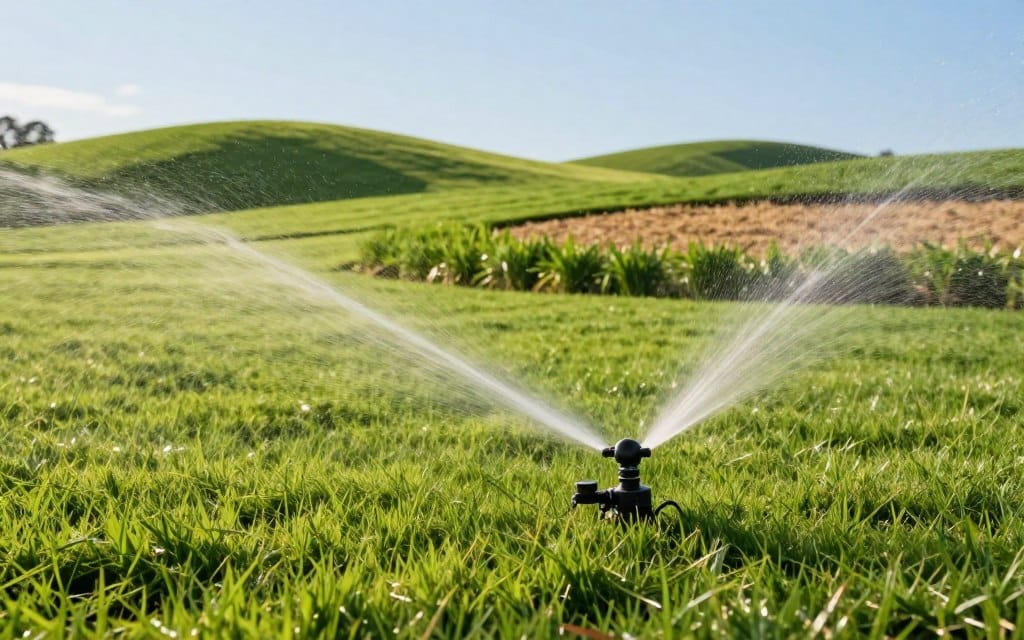
Every lawn has a unique personality that requires a tailored approach to hydration. By understanding the specific needs of your grass species, you can implement effective irrigation techniques that promote deep root growth and overall health. Regardless of the variety, early morning remains the optimal time for watering to allow moisture to soak into the cool soil before the sun evaporates it.
Cool-Season Grass
Cool-season grasses, such as Kentucky Bluegrass and Fescue, thrive in the northern United States. These varieties prefer consistent moisture during the spring and fall when temperatures are moderate. During the heat of summer, they may enter a dormant state, requiring careful monitoring to prevent stress.
Warm-Season Grass
Warm-season grasses like Bermuda, Zoysia, and St. Augustine love the heat and grow most vigorously during the summer months. These types often require less frequent but deeper watering sessions to encourage roots to reach further into the ground. Utilizing water-efficient irrigation helps maintain their vibrant color without wasting resources during peak heat.
Drought-Resistant Grass Options
Homeowners looking to reduce their environmental footprint often turn to drought-resistant grass varieties. These plants are naturally adapted to survive with minimal supplemental water once they are established. Choosing these options is a smart way to ensure your landscape remains beautiful while practicing sustainable lawn care.
| Grass Category | Peak Growth Season | Watering Frequency |
|---|---|---|
| Cool-Season | Spring/Fall | Moderate/Consistent |
| Warm-Season | Summer | Deep/Infrequent |
| Drought-Resistant | Variable | Low/Minimal |
11. Enhancing Your Lawn with Smart Technology
Upgrading to smart irrigation systems offers a new level of control for homeowners. These modern tools take the guesswork out of maintaining a lush, healthy landscape throughout the year.
Smart Controllers and Sensors
Advanced irrigation controllers allow you to manage your watering schedule from anywhere in the world. By using a dedicated app on your smartphone or tablet, you can start, stop, or adjust zones with just a few taps.
These devices connect directly to your home Wi-Fi network for seamless operation. You no longer need to walk to the garage or basement to manually change your settings during a dry spell.
Weather-Based Adjustments
The true power of smart irrigation lies in its ability to react to the environment. These systems utilize local weather data to automatically pause watering if rain is in the forecast.
By integrating real-time information, these irrigation controllers prevent overwatering during humid or wet periods. This technology ensures your grass receives exactly what it needs while significantly reducing your monthly water bill.
Investing in this technology is a smart move for any eco-conscious homeowner. You will save time and resources while keeping your lawn looking its absolute best.
12. Conclusion: Invest in Your Lawn’s Future
A lush, vibrant lawn serves as the heart of your home’s exterior. Investing in modern irrigation systems provides a reliable way to maintain that beauty while protecting your long-term property value.
You gain more than just a green yard when you choose to upgrade. You reclaim your weekends and ensure your landscape thrives regardless of the weather. Our team provides professional landscaping and irrigation services in Northern to help you achieve these goals with ease.
The Value of Modern Water Management
Smart irrigation technology offers a sustainable path forward for every homeowner. These systems adjust to real-time conditions, which saves water and lowers your monthly utility bills. You create a resilient environment that stands up to seasonal changes without constant manual effort.
Taking the Next Step
Your property deserves a tailored approach that balances aesthetics with efficiency. Reach out to experts who understand the local climate and soil needs of your specific region. Bringing your vision to life starts with a commitment to quality care and the right equipment for the job.