
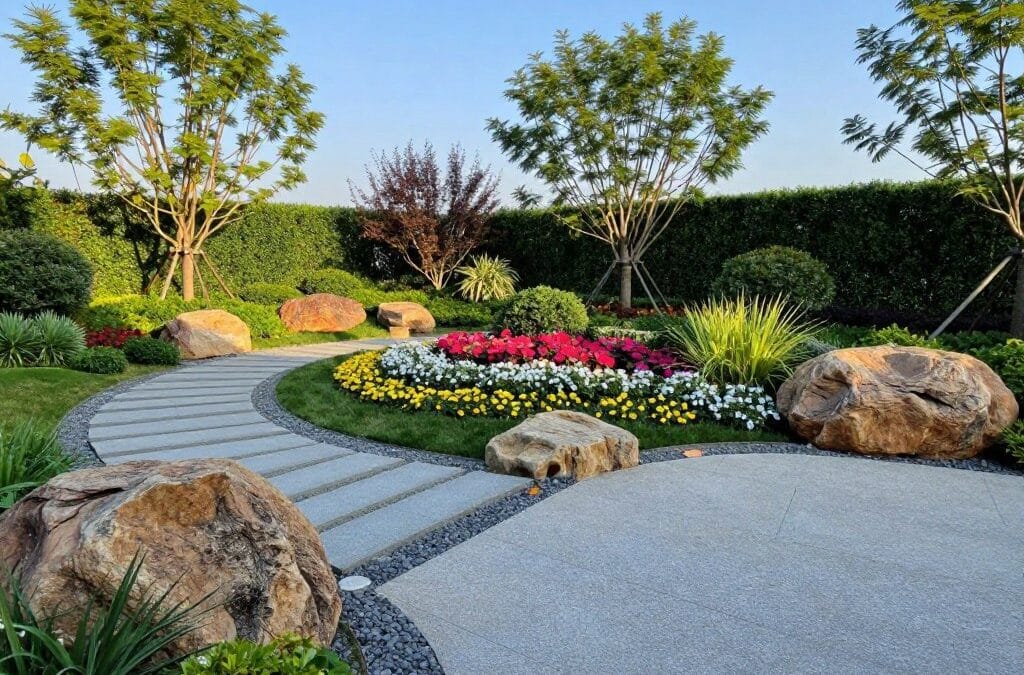
Have you ever wondered why some yards look like a professional masterpiece while others feel completely unfinished? The answer often comes down to the expertise of a hardscaping contractor and the balance of your overall landscape. To create a perfect yard, you need to understand the difference between hardscape and softscape—and how a skilled hardscaping contractor can bring both elements together seamlessly.
When planning your landscaping project, you should view these as two separate but equal pillars. One provides the structure, while the other brings life and color. Together, they transform a simple outdoor area into a functional living space.
Hardscape refers to the non-living, structural parts of your yard. This includes stone pathways, concrete patios, and wooden fences. These features help with drainage and define the shape of your design.
In contrast, softscape includes all the living elements like trees, flowers, and grass. A smart landscaping strategy blends these soft textures with solid hardscape features. This balance makes your property more valuable and enjoyable for your family.
Understanding these foundational concepts helps property owners make informed decisions. A well-planned landscape design ensures your yard is both beautiful and easy to manage. Let’s dive deeper into how these two components work together.
- Hardscape consists of non-living, structural elements like stone, concrete, and wood.
- Softscape involves all living components such as plants, trees, flowers, and grass.
- A professional design integrates both elements to improve property value and usability.
Understanding the Two Essential Elements of Landscape Design
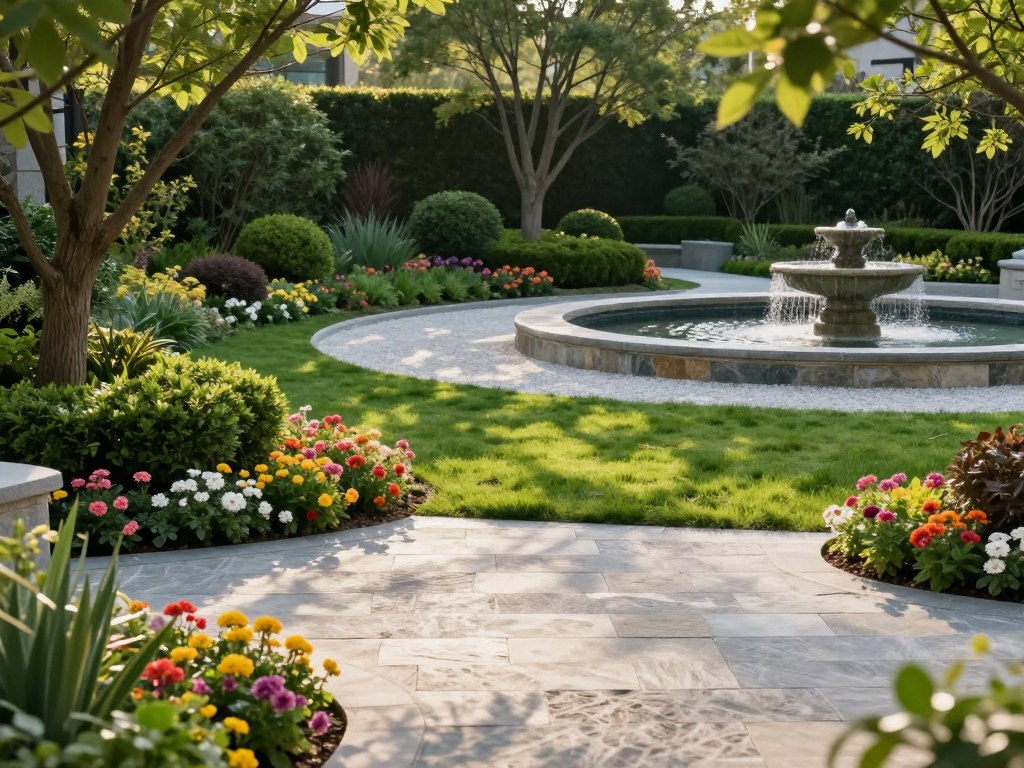
Creating a functional outdoor space requires a delicate balance between permanent structures and natural greenery. This foundational concept in landscape design ensures that every property looks beautiful and remains practical. Without this harmony, a yard may feel cluttered or lack a clear purpose.
Successful outdoor environments rely on the thoughtful integration of two distinct categories. A professional landscape design uses hardscape to provide the framework and structure for the land. These features include patios, walls, and walkways that define how people use the area throughout the year.
In contrast, softscape components add color, texture, and natural beauty to the environment. These living, growing parts of the yard change with the seasons and offer a refreshing atmosphere. Mastering this design principle allows owners to achieve both practical and aesthetic goals simultaneously.
Understanding these roles helps owners communicate more effectively with local contractors during a project. It also leads to better decisions regarding long-term investments and maintenance needs. Whether planning a small renovation or a complete transformation, recognizing these elements is the first step toward success.
| Feature Category | Hardscape Characteristics | Softscape Characteristics |
|---|---|---|
| Core Composition | Non-living materials like stone and wood | Living biological elements like plants |
| Primary Purpose | Provides a structural framework and utility | Adds visual softness and seasonal color |
| Visual Change | Remains static and permanent | Evolves and grows over time |
What Is Hardscape: The Structural Foundation of Your Property
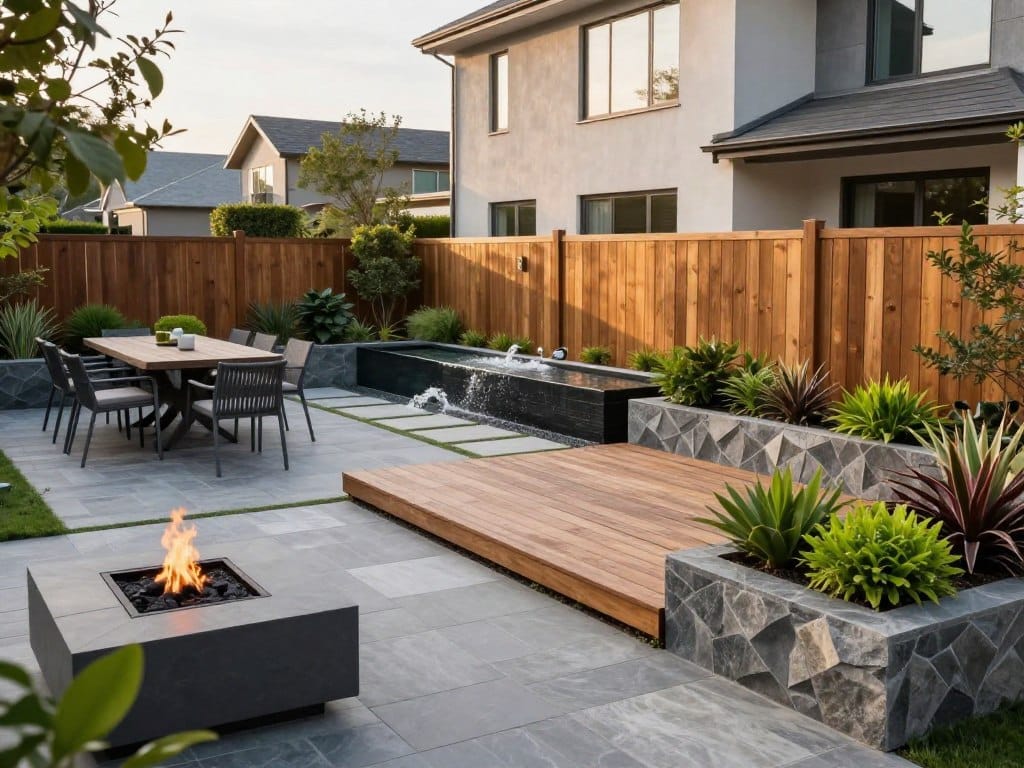
Every beautiful outdoor space starts with a solid foundation built from durable, non-living components. These elements give your space shape and purpose. They provide a stable base that supports all other structures on your property.
Defining Hardscape Elements
This hardscape consists of the inanimate, non-living parts of a landscape design. These structural components consist of solid, durable substances. Unlike plants, these features do not grow or change with the seasons.
They remain stable for many years. Think of these elements as the “bones” of your yard. They organize the space and make it usable for people.
From a simple garden wall to a complex patio, these installations create the floor and walls of your outdoor rooms. They guide movement and define where different activities happen. This layer of design ensures your yard stays functional even in harsh weather.
Common Hardscape Features for Residential and Commercial Properties
Outdoor spaces often include several key features to improve functionality. Pathways and walkways are popular choices for both homes and businesses. These paths prevent soil compaction and keep feet clean during rainy weather.
Decorative borders and retaining walls are also vital features. Retaining walls help manage uneven terrain and prevent soil erosion. For those who love to host, outdoor kitchens and fire pits provide great entertainment areas.
Commercial sites often use these structures to create accessible entrances and organized parking areas. They ensure the space is safe and easy to navigate for everyone. This hardscape also helps manage water runoff and protects the surrounding soil.
Materials Used in Hardscaping Projects
Builders choose materials based on durability and look. Concrete is a very common choice because it is versatile and strong. Many people prefer natural stone for a more classic or high-end appearance.
Interlocking pavers offer a great mix of style and strength. They resist cracking and handle heavy loads well. Other popular materials include limestone, travertine, and flagstone.
Each type of stone has a unique texture and color. Using high-quality pavers ensures your walkways stay level and weed-free. Pouring concrete can also provide a smooth, cost-effective surface for large areas.
| Hardscape Material | Durability Level | Typical Application | Maintenance Needs |
|---|---|---|---|
| Concrete | High | Driveways and large slabs | Low (occasional sealing) |
| Natural Stone | Excellent | Walkways and garden accents | Very Low |
| Pavers | High | Patios and pool decks | Moderate (sand refills) |
| Brick | Moderate | Traditional paths and borders | Low to Moderate |
What Is Softscape: The Living, Growing Elements of Your Yard
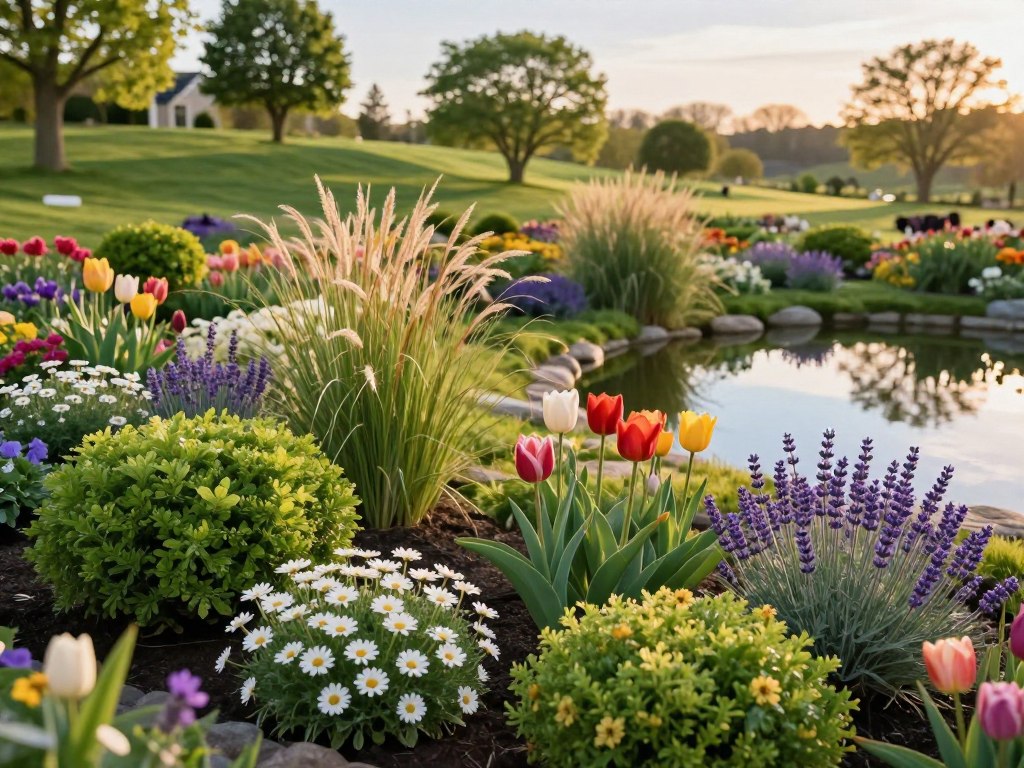
The term softscape refers to the horticultural features of a landscape that add texture, movement, and natural beauty to your home.
It includes all the living, organic elements like lush grass, vibrant flowers, and sturdy trees.
These components contrast with the permanent structures to create a balanced environment.
| Feature Type | Common Examples | Primary Benefit |
|---|---|---|
| Groundcovers | Turf grass, clover | Soil stabilization |
| Ornamentals | Shrubs, perennials | Seasonal color |
| Canopy | Shade trees, evergreens | Energy efficiency |
Understanding Softscape Components
When most people think of professional landscaping, they are actually picturing softscape.
These living elements are the parts of your yard that grow and change as the seasons pass.
Unlike stone or wood, these plants require regular care to stay healthy and beautiful.
Beyond looking good, softscape offers many environmental benefits for your backyard.
It produces fresh oxygen and helps regulate the local temperature.
This organic layer also creates a natural sound barrier and provides a safe habitat for local wildlife.
How Softscape Enhances Property Aesthetics
A well-planned landscape design uses softscape to add sensory appeal through various colors and scents.
Flowers provide seasonal pops of brightness, while trees offer a sense of permanence.
This dynamic growth ensures your property looks different and exciting throughout the year.
Strategic plantings can soften the sharp edges of a house or a concrete wall.
This creates a more inviting and comfortable space for relaxation in any yard.
By choosing plants that fit your local climate, you ensure long-term beauty and health.
Thoughtful landscaping ensures that every plant has enough room to reach its mature size.
Proper placement in your backyard helps frame views and creates privacy where it is needed most.
This careful planning significantly increases the overall livability and value of your home.
Key Differences Between Hardscape and Softscape
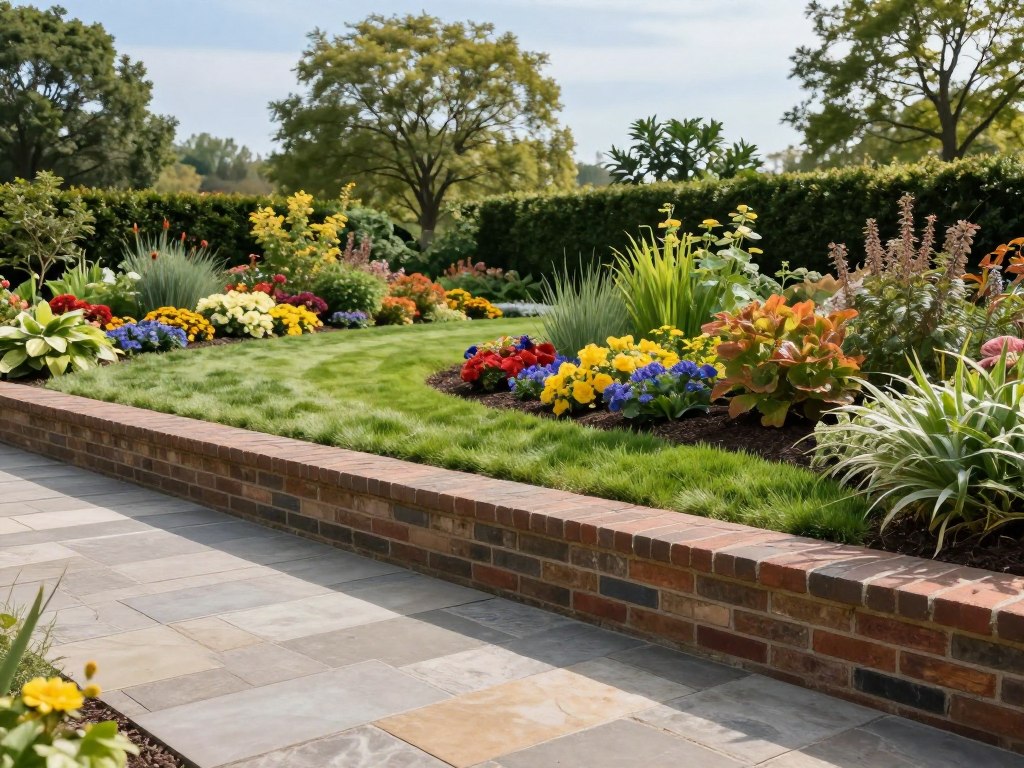
When planning a landscape, comparing these two distinct categories across four major dimensions is crucial for success. This detailed comparison affects your budgeting and long-term satisfaction with outdoor improvements. Understanding how these elements interact helps you create a balanced and functional yard.
Material Composition and Longevity
Hardscape construction utilizes permanent, inorganic materials such as stone, brick, or concrete. These features resist deterioration and often last for several decades with minimal change. They provide the solid structure that defines your outdoor living space.
In contrast, softscape consists of living, organic components like grass, flowers, and shrubs. While hardscape provides a stable foundation, softscape elements continuously grow and change. Eventually, living plants complete their life cycles and require replacement to maintain the design.
Maintenance and Upkeep Requirements
Hardscape surfaces significantly reduce the amount of ongoing work needed in your yard. These solid areas resist weeds and weather damage, usually requiring only occasional cleaning or power washing. This makes them ideal for property owners who want a low-maintenance lifestyle.
Softscape demands much more attention to thrive and look its best over time. You must commit to regular watering, pruning, and fertilizing to keep plants healthy. Furthermore, living elements often need pest control and seasonal adjustments to survive changing weather conditions.
Installation Complexity and Timeline
The installation of hardscape is often an intensive process that requires excavation and base preparation. This project phase demands skilled expertise to ensure proper drainage and material placement. Proper site preparation prevents shifting and cracking as the ground settles.
Conversely, softscape planting is generally simpler and faster to complete initially. However, while a patio is ready for use immediately, plants need years to reach their mature appearance. Hardscape offers instant functional results through a short but vigorous construction period.
Cost and Investment Considerations
Choosing high-quality materials for your hardscape usually requires a higher upfront investment. However, this project often results in lower lifetime costs due to its extreme durability. You spend more now to save on repairs and replacements later.
Softscape may cost less during the initial installation phase of your yard. Over time, the cumulative expenses for water, fertilizer, and professional lawn work can add up. Property owners should balance their immediate budget with the long-term financial commitment each element requires.
| Feature | Hardscape | Softscape |
|---|---|---|
| Material Type | Inorganic (Stone, Brick, Wood) | Organic (Trees, Flowers, Soil) |
| Maintenance Level | Low (Sweeping and Cleaning) | High (Watering and Truning) |
| Primary Lifespan | Decades (Long-Term) | Seasonal to Years (Variable) |
| Initial Investment | Higher Upfront Costs | Lower Upfront Costs |
Popular Hardscaping Projects That Transform Outdoor Spaces
Many homeowners search for hardscaping services to find expert ways to upgrade their property. These permanent hardscaping projects add incredible value and functionality to your landscape. They provide a structural skeleton that supports both daily activities and the surrounding softscape areas.
Patios and Outdoor Living Areas
Custom patios serve as the heart of most outdoor living spaces. You can expect to pay between $15 and $40 per square foot for professional patio installations. Budget-friendly concrete pavers offer durability, while premium materials like travertine provide a high-end look.
Many property owners choose to include built-in seating or weather-resistant elements. These additions transform a basic patio into a year-round retreat for the family. Creating dedicated zones for relaxation helps bridge the gap between your indoor and outdoor rooms.
Walkways and Driveways
Well-designed walkways guide guests through your yard while protecting your grass from heavy foot traffic. Driveways also play a huge role in curb appeal while supporting heavy vehicle weight. These circulation projects usually cost between $8 and $25 per square foot.
Using high-quality pavers ensures these paths remain both beautiful and functional for years. Properly placed walkways prevent lawn damage and create clear paths between different entrances. They offer a polished look that ties the entire property together.
Retaining Walls for Erosion Control
On sloped properties, retaining walls provide critical structural support to manage soil erosion and drainage. These retaining walls create level areas that allow for tiered gardens and better land use. While concrete blocks are affordable, natural stone offers a much more timeless aesthetic.
Installation typically ranges from $25 to $75 per square foot for a wall or stone patio base. Sturdy retaining walls represent a smart investment for hilly terrain. They turn difficult slopes into beautiful, usable landscape features.
Outdoor Kitchens and Fire Features
High-end outdoor kitchens turn a basic backyard into a luxury resort destination. These kitchens range from $8,000 to over $35,000, depending on your choice of appliances and countertops. An outdoor kitchen project extends your living space and is perfect for hosting large groups.
Adding a custom fire feature allows you to enjoy stunning patios even during the cooler months. These luxury kitchens and fire pits dramatically improve your quality of life. Investing in a professional outdoor kitchen ensures your home remains the top spot for entertainment.
How Hardscape and Softscape Work Together in Landscape Design
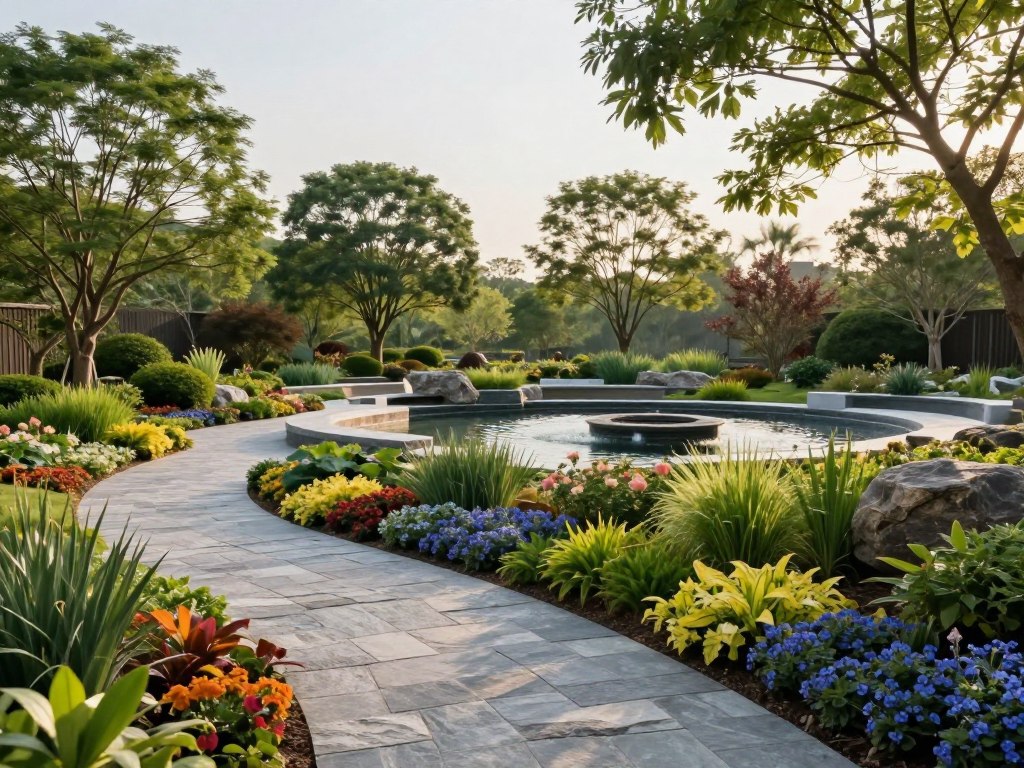
A truly great backyard relies on the synergy between structural builds and organic growth. These two components should never exist in isolation. Instead, they form a partnership that defines your outdoor environment.
Hardscaping provides the essential skeleton for the property. Meanwhile, landscaping adds the necessary skin and spirit to the space. When you integrate these elements, you create a cohesive and functional outdoor living area.
Creating Visual Balance and Curb Appeal
Successful landscape design uses stone paths and walls to guide the eye through waves of color. These features give the property a polished and intentional appearance. They organize plantings into coherent arrangements that feel professional.
The contrast between permanent stone and living plants creates a dynamic visual appeal. While flowers may fade in the winter, the architectural design maintains its beauty throughout the year. This consistency ensures your home looks inviting in every season.
Achieving this balance significantly boosts the curb appeal of any residence. Hardscape features like borders and pathways provide the structure that makes soft greenery pop. This thoughtful integration creates a harmonious composition that maximizes the value of your property.
Solving Drainage and Soil Erosion Issues
Strategic integration also solves practical problems like excess water and muddy patches. Retaining walls are essential for managing steep slopes and preventing soil loss. They provide the stability needed for gardens to thrive on uneven terrain.
These structures create stable terraces where plants can grow safely. They also direct water away from the foundation of the home. This protection prevents long-term damage caused by poor drainage or unstable soil.
Strategic placement of stone features allows for better management of runoff in your backyard. Combined with plants that absorb moisture, these tools keep your landscaping healthy. Integrated solutions ensure your yard remains both beautiful and structurally sound for years.
| Integration Element | Functional Role | Primary Benefit |
|---|---|---|
| Retaining Walls | Soil Stabilization | Prevents Erosion |
| Paver Walkways | Traffic Management | Protects Turf |
| Stone Borders | Plant Organization | Polished Appearance |
| Permeable Patios | Water Runoff Control | Reduces Flooding |
Why Hire a Professional Hardscaping Contractor
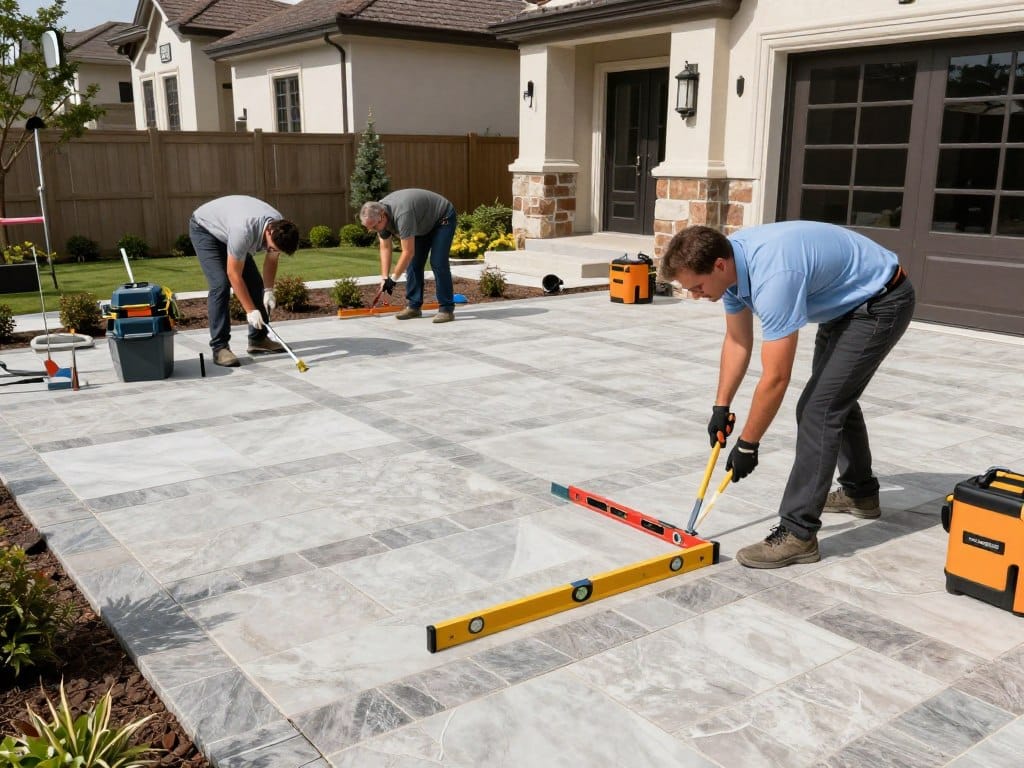
Hiring a professional hardscaping contractor ensures your outdoor project is handled with precision and local expertise. While DIY might seem tempting, the complexity of structural work requires a specialized team. These experts bring years of industry experience to every job, ensuring that your residential and commercial properties look their best.
Expert Knowledge of Materials and Design
An expert understands which materials suit your specific climate and soil conditions. They provide comprehensive hardscaping services that go beyond simple aesthetics. A seasoned team has spent years learning how various stones and pavers react to local weather patterns. This expert design helps you avoid costly mistakes during the planning phase.
By utilizing professional services, you get a vision that balances beauty with functional longevity for your properties. This level of insight ensures the final result functions well on various properties. Choosing the right materials early prevents future degradation and saves money.
Proper Installation Techniques and Craftsmanship
True craftsmanship is the difference between a patio that lasts and one that cracks within a year. A skilled contractor focuses on the critical details of every installation job. This includes correct base preparation, precise grading, and integrated drainage solutions. A professional team ensures that the work remains level and stable for decades.
Quality hardscaping services prevent future issues like settling or water damage through superior craftsmanship. A quality installation requires technical knowledge that amateurs often lack. Using the right equipment ensures the hardscaping remains safe for everyone to use.
Long-Term Value for Residential and Commercial Properties
Investing in professional hardscaping services provides lasting value for residential and commercial properties. A high-quality hardscaping job significantly boosts curb appeal and increases overall property value. Reputable contractors stand behind their work with proper licensing and insurance.
This accountability protects your investment and ensures a successful job completion. Choosing a dedicated team for your needs results in a beautiful space that will function for years. These service options ensure that both residential and commercial properties remain attractive, safe, and valuable for a long time.
Conclusion
Achieving the perfect look for your backyard involves blending durable hardscaping with vibrant plantings. A successful project requires a solid understanding of structural features and living elements. Whether you need a new patio installation or a sturdy retaining wall, these choices shape your outdoor space for years.
When planning your projects, consider your budget and maintenance goals. Professional hardscaping services ensure your design maintains its curb appeal and functionality. A skilled contractor brings technical knowledge to every job, from building a stone wall to managing water drainage.
Working with an expert team makes a significant difference in the final result. They offer reliable service while handling complex tasks for various projects. Before starting your next project, ask a professional team for a detailed quote.
Check hardscaping contractor credentials to ensure they are right for the job. Investing in hardscaping and professional services now creates outdoor living areas you will enjoy. Request a quote today to start transforming your patio and other space features into a cohesive masterpiece.