

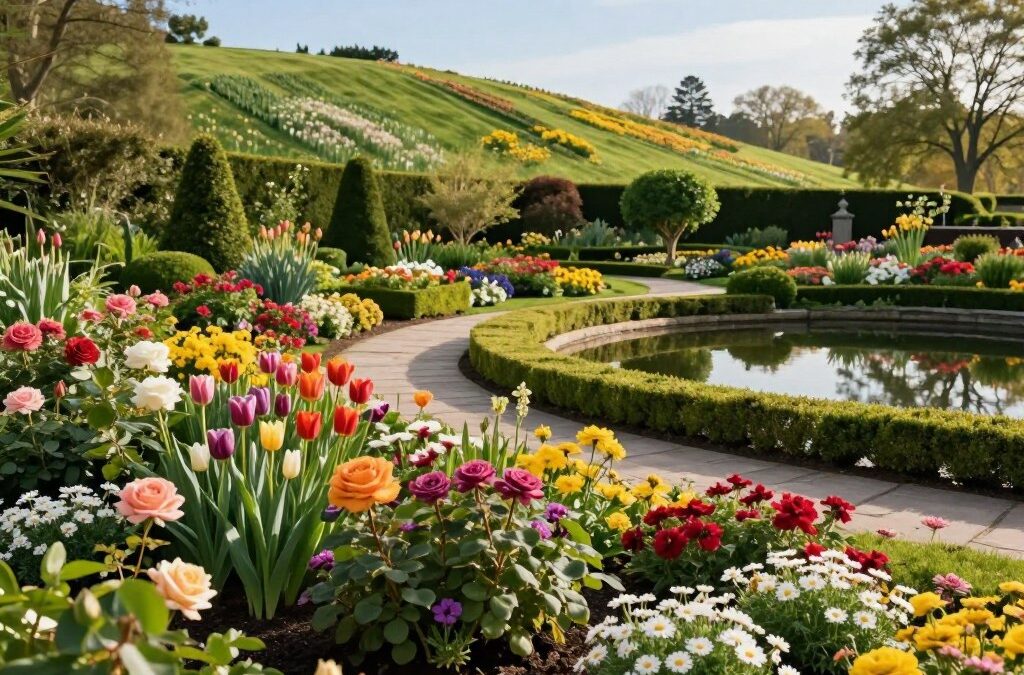
If you’ve ever wondered what is landscaping and how it can transform your property, it comes down to the thoughtful planning, design, and modification of outdoor areas to build inviting, functional environments.
Landscaping encompasses a wide range of activities, including planting, building, and maintaining various elements like trees, shrubs, and water features. This practice not only improves the aesthetic appeal but also adds value to your property. It extends your usable living space, providing areas for dining, relaxing, and entertaining.
This article will explore the essential aspects of landscaping, including the roles of professional landscapers, the differences between softscape and hardscape, and typical costs associated with these services. Understanding these elements can help you make informed decisions for your outdoor projects.
Key Takeaways
- Landscaping enhances outdoor areas through design and maintenance.
- It includes both softscape (plants) and hardscape (built features).
- Professional services can improve curb appeal and property value.
- Outdoor spaces can be customized for various activities.
- Costs depend on project size, materials, and labor.
Understanding Landscaping: Definition and Core Elements
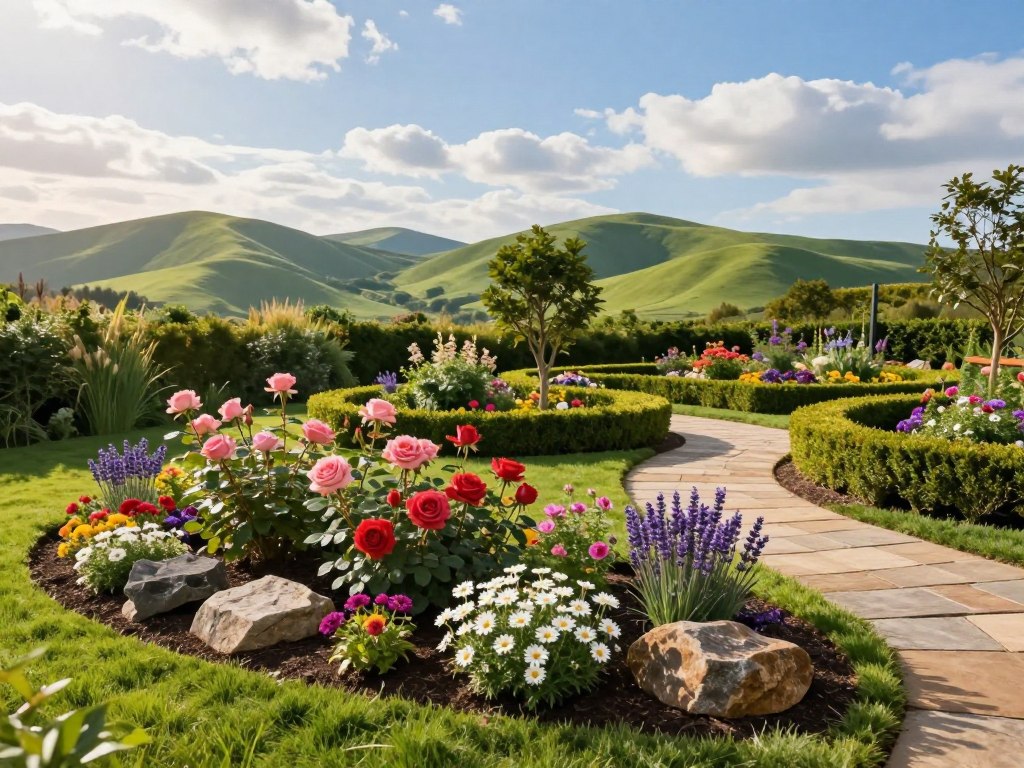
Landscaping involves the thoughtful integration of natural and built elements to create functional and attractive outdoor spaces. It’s not just about planting flowers or trimming bushes; it’s a coordinated effort that combines various features to enhance a property’s appeal and usability.
Two primary components define landscaping: softscape and hardscape. Understanding the differences between these elements is essential for effective outdoor design.
Softscape vs. Hardscape
Softscape refers to the living components of a landscape. This includes a variety of plants such as trees, shrubs, flowers, and ornamental grasses. Soil and mulch are also part of this category, as they support the growth of these plants. The choice of plants should consider local climate, sunlight, and soil conditions to ensure a thriving garden.
In contrast, hardscape encompasses the nonliving structures within a landscape. This includes patios, walkways, fences, and retaining walls. Hardscape features provide functionality and define spaces in a yard. Selecting durable materials is crucial for these installations, as they must withstand weather and wear over time.
Interestingly, water features can blend both softscape and hardscape. They are built installations that interact with living plants, enhancing the ecosystem while serving as focal points in the design.
Factors Influencing Landscape Decisions
Several factors affect landscaping choices, including:
- Climate: Local weather patterns influence plant selection and hardscape materials.
- Soil Quality: Testing soil helps determine the best plants and amendments needed for growth.
- Drainage: Proper drainage is vital to prevent waterlogging and ensure plant health.
- Mature Plant Size: Understanding how large plants will grow helps maintain balance in the design.
- Intended Use: Knowing how the space will be used informs both softscape and hardscape decisions.
A successful landscape design achieves a harmonious balance between softscape and hardscape elements. For those interested in a more detailed comparison, visit our comprehensive guide on softscape versus hardscape.
In conclusion, landscaping is a multifaceted process that combines living and nonliving elements to create beautiful and functional outdoor spaces. Understanding the roles of softscape and hardscape, along with the various factors that influence design, is essential for any successful landscaping project.
What Professional Landscapers Do (and Don’t Do)
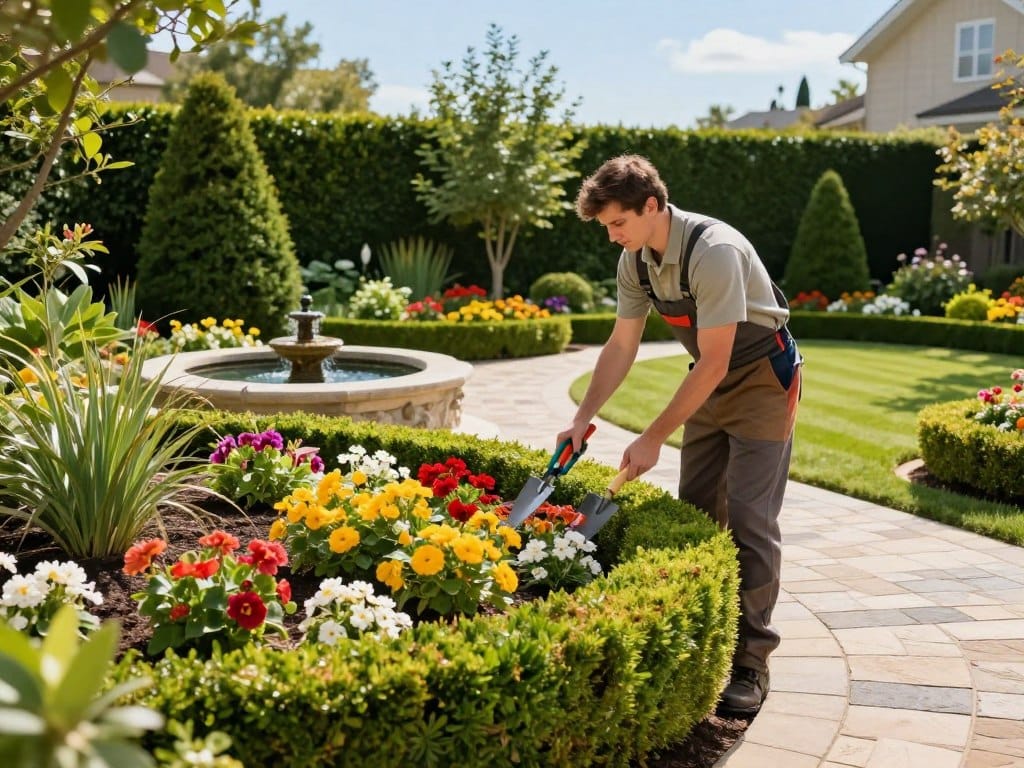
Hiring a professional landscaper can ensure your outdoor space is both appealing and practical. These experts handle a variety of tasks to create beautiful gardens and functional areas. However, it’s essential to understand what services they provide and where their expertise ends.
Services Provided by Landscapers
Professional landscapers offer a wide range of services. Their work typically begins with a thorough site assessment. This involves evaluating soil quality, sunlight exposure, drainage, and other factors. They discuss the client’s goals and identify any constraints that may affect the project.
Common services include:
- Garden design and planting of trees, shrubs, and flowers.
- Turfing and laying down sod for a lush lawn.
- Paving pathways, patios, and other hardscape features.
- Fencing and constructing retaining walls.
- Grading and improving drainage systems.
- Installing irrigation systems and landscape lighting.
- Ongoing maintenance such as mowing, pruning, and seasonal cleanup.
Landscapers often coordinate multiple trades, ensuring that every aspect of the project runs smoothly. Below is a summary of typical services:
| Service | Description |
|---|---|
| Site Assessment | Evaluating soil, sunlight, and drainage conditions. |
| Planting | Installing trees, shrubs, flowers, and turf. |
| Hardscape Installation | Building patios, walkways, and fences. |
| Irrigation | Setting up watering systems for plants. |
| Maintenance | Regular care including mowing and weeding. |
Tasks Outside a Landscaper’s Scope
While landscapers provide many valuable services, some tasks require specialists. For instance, electrical work, plumbing, and structural engineering often fall outside their expertise. Large projects like drainage systems or retaining walls may need permits and should be handled by licensed contractors.
It’s crucial to request a written scope of work from your landscaper. This document should outline the design, materials, installation, and maintenance responsibilities. By understanding what to expect, you can ensure the quality and long-term value of your landscaping project.
Where Design Ends and Build Begins: Designers vs Installers
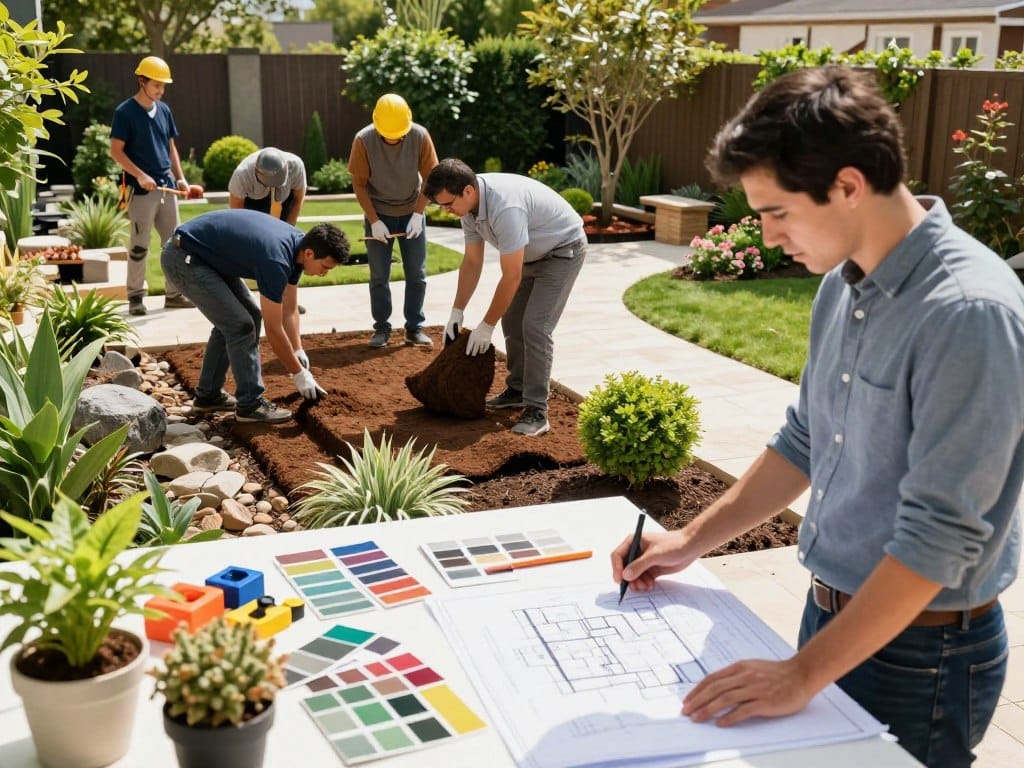
Understanding the division between design and installation can streamline your landscaping project. Each phase requires different skills and expertise. Knowing these roles helps homeowners make informed decisions.
Role of Landscape Designers
Landscape designers translate your goals, site conditions, and lifestyle needs into a clear concept. They consider various elements such as space, circulation, and focal points. Good designs also account for local conditions and the quality of materials.
Typical deliverables from designers include:
- Measured site plans
- Planting plans
- Grading or drainage concepts
- Material schedules
- Lighting layouts
- Estimates and installation notes
Designers focus on how the outdoor space will function over time. They create areas for relaxation, entertainment, and other activities, ensuring harmony with your property.
Role of Installers and Contractors
Installers are the professionals who bring the design to life. They prepare the site, coordinate materials, and construct hardscape features. This includes installing irrigation systems, lighting, and planting vegetation.
Installation typically follows a sequence, starting with grading and moving through to planting and cleanup. It’s essential to ensure that all elements are properly integrated for a cohesive look.
How to Identify a Designer vs an Installer
Identifying the right professional can be straightforward. Designers usually showcase plans and portfolios. They ask detailed questions about your site and lifestyle, often charging design fees.
In contrast, installers emphasize their crews, equipment, and construction schedules. They provide labor estimates and focus on the practical aspects of the project.
Before hiring, homeowners should ask about:
- Design revisions
- Permit support
- Engineering and construction drawings
- Plant sourcing and warranties
- Project supervision and post-installation maintenance
Comparing portfolios for similar property sizes and styles is crucial. This approach helps ensure that the chosen professional aligns with your vision, rather than simply opting for the lowest price.
Typical Costs of Landscaping Projects
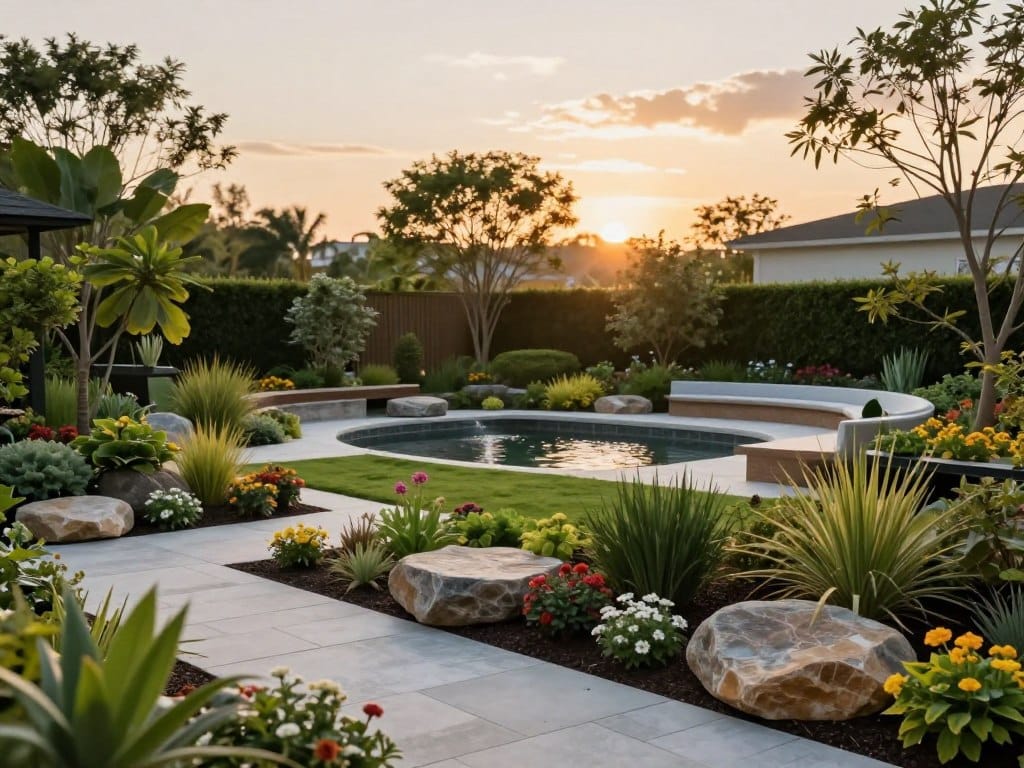
Understanding the financial aspects of landscaping can help homeowners plan their projects effectively. Costs can vary significantly based on location, project scope, and materials used. It’s essential to view these costs as a range rather than a fixed quote.
Several factors influence the total expense of landscaping. Key elements include project size, site preparation, grading, drainage, and the types of plants selected. Additionally, the choice of hardscape materials and features like water installations or lighting can impact overall costs.
Common Cost Factors
When planning a landscaping project, consider the following factors:
- Labor: Labor rates vary by region and complexity of the work.
- Square Footage: Larger areas generally require more materials and labor.
- Soil Condition: Poor soil may need amendments, increasing costs.
- Plant Maturity: Larger, more established plants often cost more.
- Permits: Some projects may require permits, adding to expenses.
- Access: Difficult access to the site can raise labor costs.
Average Price Ranges in the U.S.
Price ranges for landscaping projects can vary widely. Here are some indicative costs:
- Standalone design services: approximately $500-$5,000.
- Smaller planting or lawn improvements: $2,000-$10,000.
- Broader residential landscape installations: $5,000-$50,000 or more.
Extensive projects that include hardscaping, drainage systems, or outdoor kitchens can exceed these ranges. Basic maintenance costs typically range from $100-$300 per month, with larger properties or specialized services costing more.
It’s crucial to request itemized estimates from contractors. This ensures transparency regarding costs for design, materials, labor, and ongoing maintenance. A lower quote might overlook essential elements like drainage or soil preparation, which can affect the project’s long-term success.
Comparing at least two or three detailed proposals will help you make an informed decision. Ensure that each contractor is pricing the same scope of work to get an accurate comparison.
Key Components of Landscaping: Softscape and Hardscape Explained
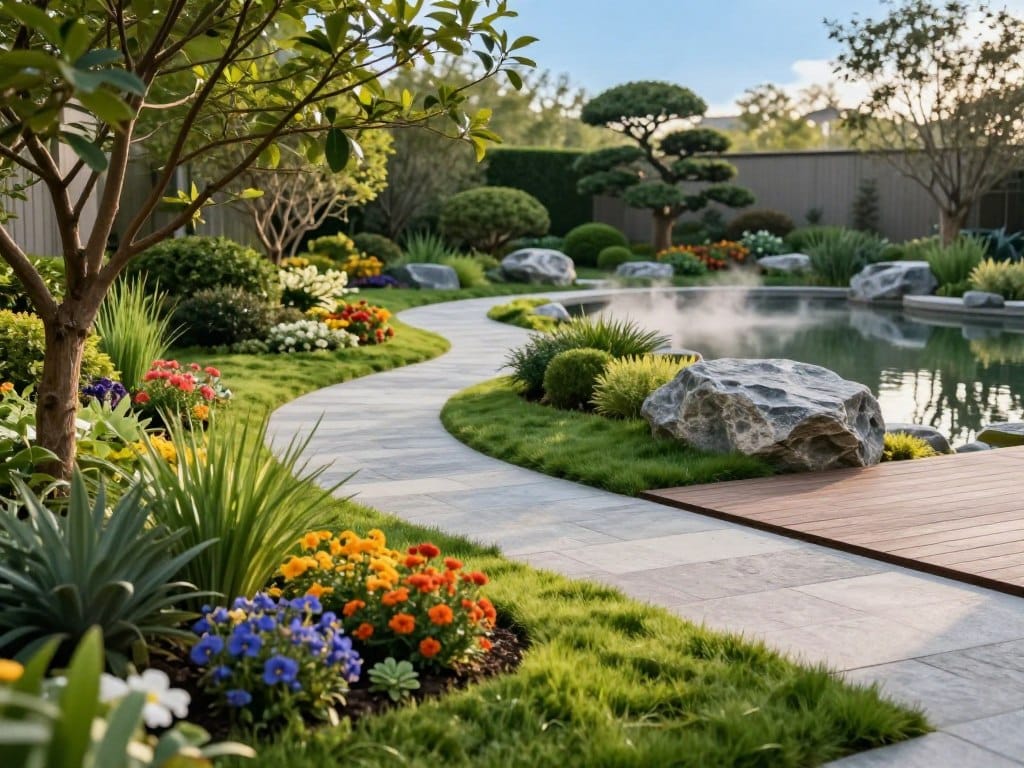
A successful outdoor design relies on understanding the key components that shape a landscape. Two main categories define these components: softscape and hardscape. Each plays a crucial role in creating an inviting and functional outdoor space.
Softscape Elements: Plants, Soil, and Living Features
Softscape refers to the living layer of your landscape. This includes plants, soil, and other horticultural features. The selection and arrangement of these elements change with growth, weather, and seasons. Effective planning involves:
- Plant Selection: Choose plants suited to your climate and soil conditions.
- Soil Preparation: Ensure the soil is rich and well-draining to support healthy growth.
- Drainage: Proper drainage prevents waterlogging, which can harm plants.
- Spacing: Allow enough room for plants to grow to their mature size.
- Sun Exposure: Consider how much sunlight different areas receive.
- Water Needs: Group plants with similar watering requirements together.
- Seasonal Performance: Plan for year-round interest with seasonal blooms and foliage.
Examples of softscape elements include:
- Trees
- Shrubs
- Flowers
- Ornamental grasses
- Lawns
- Ground covers
- Vegetable beds
- Mulch
- Rain gardens
Hardscape Elements: Structures, Patios, and Water Features
Hard landscaping involves the planning, construction, and arrangement of nonliving outdoor features. These structures provide essential functions like access, drainage, and privacy. Key examples include:
- Patios and walkways
- Driveways and steps
- Retaining walls
- Fences and pergolas
- Outdoor kitchens and seating walls
- Edging and lighting
- Ponds, fountains, and waterfalls
When selecting hardscape materials, ensure they are durable, appropriately graded, and slip-resistant. They should also harmonize with your home’s style and include suitable drainage solutions.
Landscape Maintenance Basics
Regular maintenance is vital for preserving the beauty and health of your landscape. Basic tasks include:
- Mowing and trimming
- Weeding and mulching
- Pruning plants for shape and health
- Checking irrigation systems
- Fertilizing when necessary
- Inspecting plant health
- Cleaning hardscape features
- Seasonal cleanup
Incorporating sustainable practices can enhance your landscape’s resilience. Consider using native plants, drip irrigation, permeable paving, rainwater collection, organic mulch, and shade trees to promote a healthy ecosystem.
Professional Landscaping and Landscape Maintenance Overview
Professional landscaping is a comprehensive service that enhances outdoor environments. It combines planning, horticulture, construction, and maintenance to create beautiful and functional spaces. Unlike occasional gardening or lawn care, professional landscaping involves a structured approach tailored to the specific needs of each property.
Professional Landscaping Defined
This service begins with a thorough site assessment. Professionals evaluate the landscape’s drainage, climate, soil, and access. They connect the client’s goals with practical solutions, ensuring that the design meets both aesthetic and functional requirements.
Key elements of professional landscaping include:
- Planning and design tailored to the property.
- Selection of appropriate plants and materials.
- Installation of features like irrigation systems and lighting.
- Long-term care and maintenance strategies.
Understanding Landscape Maintenance
Landscape maintenance is essential for preserving the beauty and health of outdoor spaces. It involves regular activities such as weeding, pruning, and irrigation inspection. This care protects the appearance and longevity of plants and built features.
Routine maintenance tasks can be categorized as follows:
- Weekly: Mowing, trimming, and basic cleaning.
- Monthly: Inspecting irrigation systems and pest monitoring.
- Seasonal: Mulching, pruning, and preparing plants for winter.
Effective maintenance schedules should consider plant species, climate, and property size. This ensures that the landscape remains vibrant and healthy throughout the year.
Exploring Outdoor Living
Outdoor living refers to the intentional design of exterior areas as extensions of the home. These spaces can be used for dining, relaxing, and entertaining. Common features include:
- Patios and decks for social gatherings.
- Outdoor kitchens for cooking and dining.
- Seating areas and fire features for relaxation.
- Shade structures and lighting for comfort and ambiance.
Creating functional outdoor living spaces requires careful attention to layout, drainage, and material selection. By integrating these elements, homeowners can enhance their property’s value and usability.
In summary, professional landscaping and regular maintenance are crucial for achieving a thriving outdoor environment. These services not only improve the aesthetic appeal but also contribute to the overall health and functionality of the landscape.
| Service Type | Description |
|---|---|
| Professional Landscaping | Comprehensive planning and installation of outdoor features. |
| Landscape Maintenance | Regular care to keep plants healthy and the property attractive. |
| Outdoor Living Design | Creating functional outdoor spaces for various activities. |
Conclusion
In conclusion, the art of transforming outdoor areas involves more than just planting flowers or maintaining grass. It requires a thoughtful approach that combines softscape elements, like living plants, with hardscape features that provide structure and usability. Understanding the differences between landscape designers, installers, and maintenance providers is essential for any successful project.
Cost factors can vary widely based on site conditions, project scope, and materials. A thorough site assessment can help clarify intended uses, budget, and sustainability goals. A well-planned outdoor space not only enhances curb appeal but also adds value to your property.
Here are some frequently asked questions:
- What is landscaping? Landscaping is the planned modification and care of an outdoor area using plants, soil, grading, hardscape, water, lighting, and other features to improve its function, appearance, and sustainability.
- What is hard landscaping? Hard landscaping is the construction and arrangement of nonliving outdoor features such as patios, paths, walls, fences, steps, paving, lighting, and water-feature structures.
- What is landscape maintenance? Landscape maintenance is the ongoing care of plants, lawns, irrigation, soil, hardscape, and outdoor features through tasks such as mowing, pruning, weeding, watering, fertilizing, mulching, and seasonal cleanup.
- What is professional landscaping? Professional landscaping is the planned design, installation, improvement, and care of outdoor spaces by trained specialists who may handle planting, grading, drainage, hardscape, irrigation, lighting, and maintenance.
- What is outdoor living? Outdoor living is the use of exterior areas as functional extensions of a home for activities such as dining, cooking, entertaining, relaxing, recreation, and socializing.
- How much does landscaping cost? Landscaping costs vary by location, property size, site conditions, design, labor, materials, hardscape, planting, drainage, irrigation, and maintenance; smaller projects may cost a few thousand dollars, while comprehensive installations can cost tens of thousands or more.