

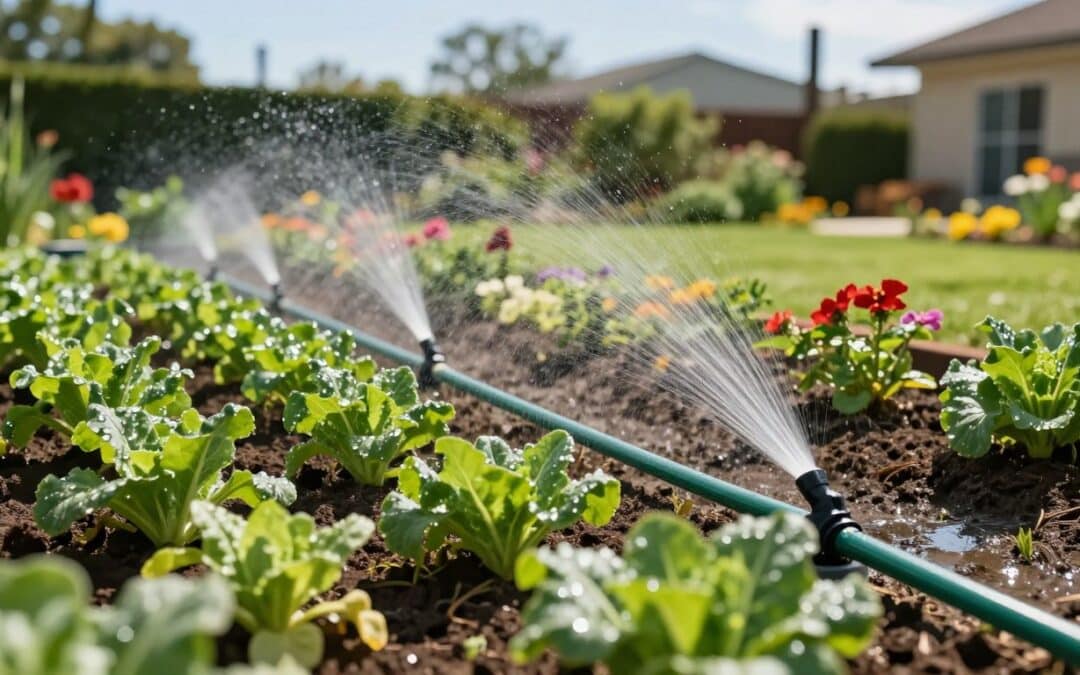
Have you ever wondered why some gardens thrive during a dry summer while others perish? Knowing what is a drip irrigation method helps you understand modern garden care. This professional irrigation technique delivers water directly to the soil where your plants need it most. By using a specialized system, homeowners can maintain a lush landscape without wasting resources.
Modern landscaping requires efficiency and precision to combat rising utility costs. Many homeowners now choose a professional irrigation system to automate their garden maintenance. A drip layout ensures that every drop of moisture serves a purpose. This system has transformed agriculture since the 1930s and now offers a professional solution for residential yards.
Using a drip irrigation setup allows you to target specific plants with low-pressure water flow. This system minimizes evaporation and runoff, which are common problems with traditional sprinklers. A well-designed drip network supports deep root growth and prevents common leaf diseases. It is an accessible technology that works for both small raised beds and expansive commercial landscapes.
Implementing a drip irrigation strategy can save up to 70% of your typical water usage. This professional irrigation approach provides consistent moisture even during strict local watering bans. Whether you are a DIY enthusiast or seeking expert help, a drip setup ensures long-term garden health. Our guide covers everything you need to know about this revolutionary watering method.
Key Takeaways
- Drip irrigation delivers moisture directly to the root zone for maximum efficiency.
- Advanced irrigation techniques reduce water waste by up to 70%.
- A drip setup prevents soil erosion and minimizes weed growth between rows.
- The drip method is highly adaptable to various garden sizes and soil types.
- Automated water delivery lowers utility bills and saves significant time.
- Precise nutrient delivery is possible through integrated fertigation features.
What Is a Drip Irrigation
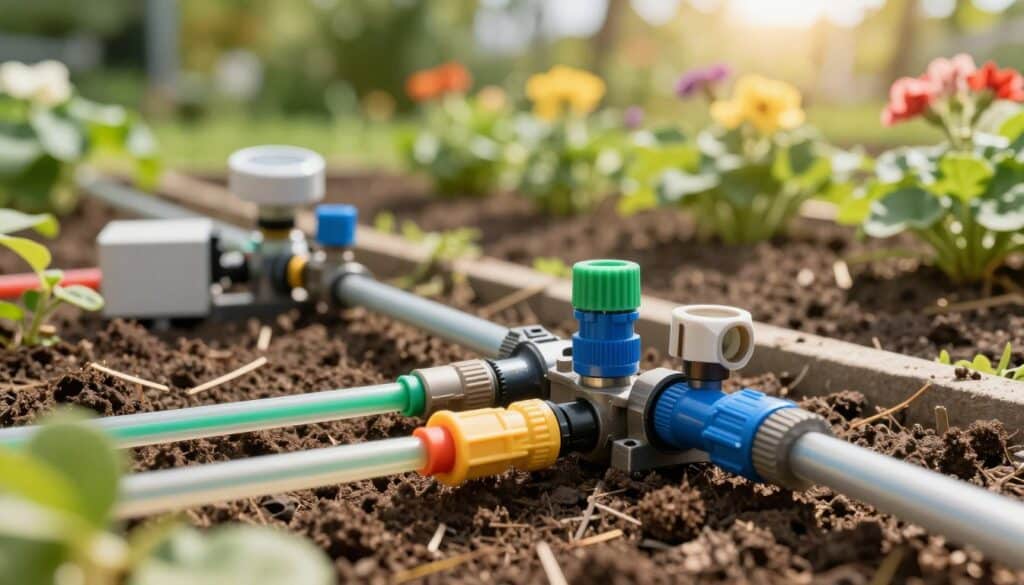
To truly appreciate a drip system, one must explore its transformation from primitive clay pots to modern precision emitters. This method has evolved over centuries to become a cornerstone of sustainable gardening. It represents the perfect harmony between historical methods and today’s materials science.
Definition and Basic Concept
Drip irrigation is a micro-irrigation system that delivers water slowly and directly to plant root zones. It uses a network of valves, pipes, and tubing to ensure moisture reaches the soil exactly where it is needed most. This targeted approach prevents the common waste associated with traditional sprinklers.
The basic concept relies on low-pressure delivery to minimize evaporation and runoff. By placing water precisely at the root systems of plants, the setup prevents foliage from getting wet. This direct application keeps the surrounding area dry and focuses resources on growth.
- Low-pressure operation for efficiency
- Direct-to-root delivery method
- Minimized evaporation and surface runoff
- Placement either above or below the soil surface
History and Development of Drip Irrigation Technology
The origins of this technology date back to first-century BCE China. The ancient text “Fan Shengzhi shu” describes using buried, unglazed clay pots, known as Ollas, filled with water to provide slow, localized irrigation. In 1860, German researchers pushed the concept further by experimenting with subsurface clay pipes.
| Period | Region | Innovation | Key Impact |
|---|---|---|---|
| 1st Century BCE | China | Unglazed Clay Pots | Localized delivery |
| 1860s | Germany | Subsurface Pipes | Early soil moisture control |
| 1960s | Israel | Friction Emitters | Solved clogging issues |
| 1987 | Global | Modern T-Tape | Flexible large-scale use |
Modern breakthroughs occurred in the 1960s when Simcha Blass and his son Yeshayahu developed the plastic emitter system in Israel. They solved the clogging problem by using friction to slow water inside longer passageways. This design was far more reliable than relying on tiny holes that easily blocked with debris.
Hannis Thill in Australia pioneered the use of plastic to hold and distribute moisture during this same era. Later, the formation of Netafim in 1964 helped commercialize this technology for farmers worldwide. In the United States, Richard Chapin introduced the first drip tape, known as the “Dew Hose.” These advancements fundamentally changed water management practices and remain the most valued agricultural innovations of the modern age.
How Drip Irrigation Systems Work
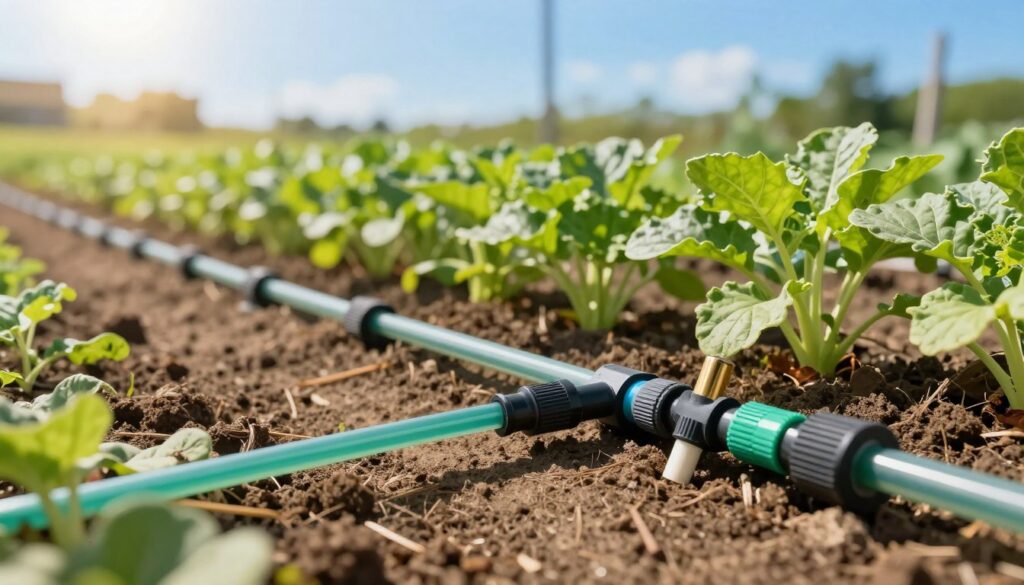
Understanding how a drip irrigation system works involves looking at how hydraulic pressure is controlled through a network of pipes. This setup transports water directly to the garden to ensure maximum efficiency. It allows plants to receive the moisture they need without wasting any precious resources.
The Mechanics of Slow Water Delivery
Emitters act as precision flow restrictors within the tubing to create internal friction. This turbulence slows the water flow significantly to create a steady, gentle droplet. This process ensures that the liquid is released slowly enough for the soil to absorb it completely.
Typical flow rates for these components range from 0.125 to 1.00 gallons per hour. This slow release rate prevents the ground from becoming oversaturated or muddy. It mimics a very light rain that focuses only on the specific areas where your garden needs it most.
Water Flow and Pressure Control
Managing the internal flow is vital to maintain a consistent drip across the entire irrigation zone. Regulators and valves work together within the system to keep the movement steady. Without these controls, the output would be uneven between the start and the end of the line.
The mechanical design effectively reduces high line pressure down to atmospheric levels. This protect the delicate tubing and ensures that each outlet performs as expected. Consistent delivery is the key to preventing dry spots in a large landscape.
Root Zone Watering Principles
The primary goal of this drip irrigation setup is to target the root zone where absorption is most effective. Placing water in the ground at depths of 4 to 12 inches helps plants grow deep and strong. This placement depends on your specific crop type and the current environment.
Moisture moves through the soil via capillary action and gravity once it leaves the emitter. This natural process prevents surface runoff and deep drainage that can waste expensive nutrients. By feeding the root directly, you reduce evaporation and keep the surrounding foliage dry to prevent disease.
| Component | Mechanical Role | Irrigation Benefit |
|---|---|---|
| Emitters | Regulate water flow | Prevents soil erosion |
| Pressure Regulator | Maintains steady flow | Ensures drip uniformity |
| Control Valve | Directs the irrigation | Automates the schedule |
A well-designed setup makes it easy to manage your garden health throughout the year. You can study more about drip irrigation to see how these hydraulic principles apply to different landscapes. This method keeps the soil moist while using less water than traditional sprinkler methods.
Types of Drip Irrigation Systems
Gardeners can choose from several drip irrigation systems, each offering unique benefits for specific landscaping goals. You can select between surface and subsurface water delivery methods. Both options provide precise moisture control for your plants.
Surface Drip Irrigation
Surface setups represent the most common and visible irrigation type for home gardens. The tubing and emitters stay accessible on top of the soil for easy maintenance. This makes it simple to modify the layout as your garden grows.
Point-Source Emitters
Point-source emitters are individual devices that plug directly into the supply tubing. They offer great flexibility by delivering water to specific plant locations. You can even customize flow rates to match the needs of different shrubs.
In-Line Drip Emitters
An in-line drip emitter is a pre-built component integrated into the tubing at set intervals. This design provides uniform spacing and a consistent water flow throughout the line. It is an excellent choice for watering long rows of vegetables.
Micro Spray Heads
A micro spray head acts as a specialized emitter that creates small spray patterns. These are ideal for trees and plants with wider root systems that need broader coverage. They help maintain moisture across the soil without wasting resources.
Subsurface Drip Irrigation (SDI)
Subsurface drip irrigation involves burying narrow tubes about 8 to 20 inches deep. This permanent system offers superior efficiency by stopping evaporation from the surface. Because you bury the hardware, you protect it from physical damage and sun exposure.
SDI requires careful planning based on your specific plant root depth. Another option is the basin bubbler, which creates a small flooding zone around a tree. These combine the precision of drip with the saturation pattern of flood irrigation.
Your final selection depends on your crop type, budget, and water quality. Understanding these different irrigation systems ensures that every drop of water supports a healthy garden. Proper planning helps you maximize the life of your hardware and your modern drip irrigation setup.
Key Benefits of Drip Irrigation for Your Garden
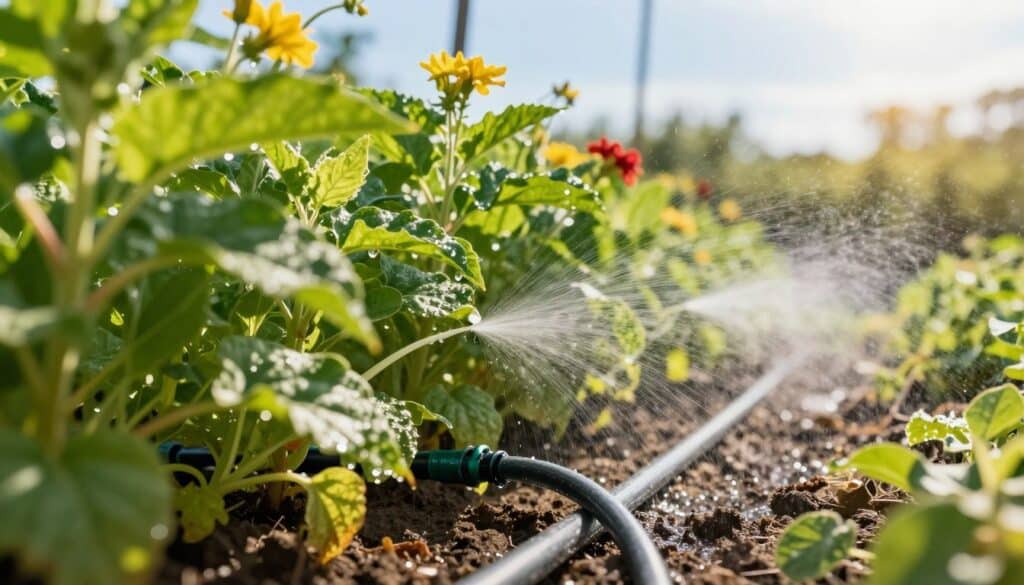
Implementing a modern drip irrigation setup transforms how your garden uses resources while boosting overall plant productivity. This method offers a scientific approach to maintaining life in your landscape without wasting effort or money. It focuses on precision to ensure every drop serves a specific purpose in your garden.
Water Conservation and Efficiency
Standard sprinklers often lose 30% to 50% of their water to evaporation or wind drift. A well-designed drip system delivers moisture directly into the soil at the root zone. This localized application prevents runoff and deep percolation losses entirely.
By focusing on the base of trees and shrubs, you maximize your water use efficiency. Subsurface setups are particularly effective because they eliminate surface evaporation. These systems help you achieve significant conservation goals while maintaining a lush environment.
Improved Plant Health and Growth
Consistent moisture levels keep plants at optimal field capacity. This prevents the stress caused by the wet-dry cycles common with manual watering. Modern drip irrigation encourages steady growth and deeper hydration for various plant species.
Research shows incredible yield improvements for high-value crops like onions, tomatoes, and melons. You can even see these results with your garden trees and vegetable patches. Healthy plants are also more resilient against environmental changes and seasonal heat.
Reduced Weed Growth and Disease Prevention
Keeping soil surfaces dry between rows naturally inhibits weed seed germination. This reduces the need for heavy herbicide use or hours of manual labor. Because the drip emitters only target specific areas, weeds struggle to find the water they need to survive.
Furthermore, keeping foliage dry reduces the risk of fungal and bacterial infections. Many diseases thrive on wet leaves and standing water. This targeted irrigation approach creates a cleaner environment for your garden and lowers pest problems.
Nutrient Retention and Fertigation Benefits
The application of liquid fertilizer through irrigation lines is known as fertigation. University field tests report fertilizer savings of up to 95% compared to broadcast methods. This method delivers nutrients exactly where they are needed most.
This precise system also prevents nitrogen from leaching into groundwater. It keeps essential nutrients within the active reach of your plants. In large-scale rice production, this technology can even reduce greenhouse gas emissions by up to 85%.
| Benefit Category | Drip System Performance | Traditional Sprinklers |
|---|---|---|
| Resource Savings | Loses virtually zero water | Loses 30-50% to runoff |
| Disease Control | Keeps foliage dry and safe | Promotes fungal growth |
| Weed Management | Dries soil between rows | Waters entire surface area |
| Crop Yields | Increases up to 33% | Lower average productivity |
Essential Components of a Drip Irrigation System
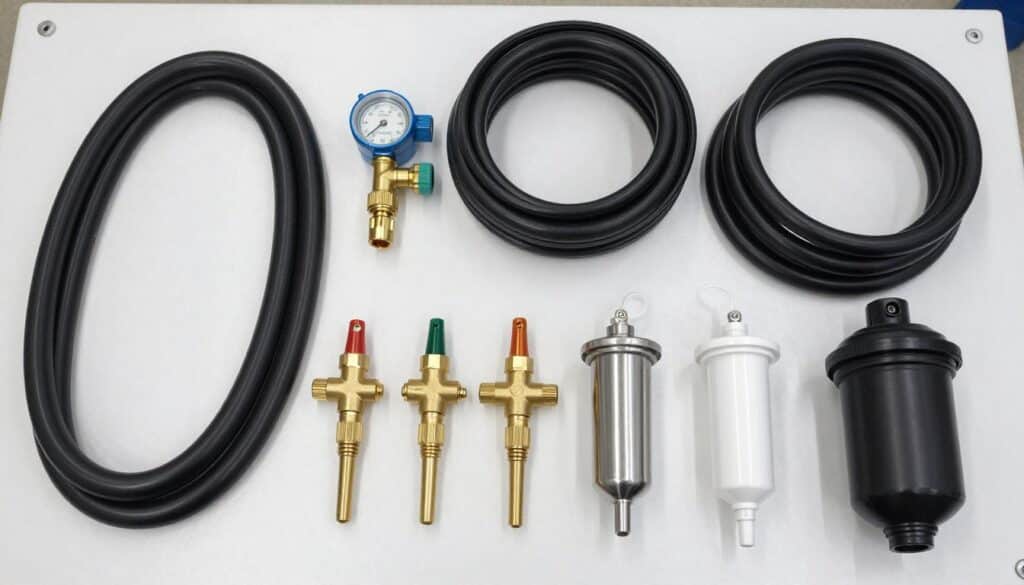
A high-performing irrigation layout relies on the synergy of high-quality components and precise engineering. Selecting the right supply ensures that your garden receives consistent moisture while minimizing waste. You need to understand how each part fits into the larger system.
Water Source and Pump Systems
Your water source dictates how you design your drip system. Common options include municipal connections, private wells, or rainwater collection barrels. You can also pull from surface water like ponds or canals.
Most setups require a specific pump to pressurize the flow to optimal levels. You should aim for a range between 15 and 30 PSI for most residential gardens. Proper sizing calculations must account for elevation changes and total flow demand.
Filtration Systems and Backflow Prevention
Proper filtration is essential for the longevity of your hardware. Virtually all manufacturers require filters to maintain warranty coverage for their products. Emitter clogging from unfiltered particles is the primary cause of system failure.
Sand media filters provide 200-mesh filtration, which is necessary for surface water sources. Screen filters and disk filters serve as excellent secondary protection or pre-filtration tools. These devices catch organic matter and fine sand before they enter the laterals.
You must also include backflow prevention devices in your layout. This hardware protects your clean drinking water from potential contamination. This is especially critical if you use fertigation to inject nutrients into the lines.
Pressure Controllers and Valves
A pressure regulator maintains a consistent operating level throughout the network. It prevents high-pressure surges from damaging delicate tape or blowing off emitters. This ensures that every plant gets the same amount of moisture regardless of source fluctuations.
Control valves act as the gatekeepers for your different garden zones. You can choose from manual, electronic, or hydraulic valves to manage your schedule. Safety valves are also used to release air and prevent pipe collapse.
Drip Tubing vs Drip Tape
Drip tubing features thicker walls, typically ranging from 0.035 to 0.060 inches. It is a permanent installation that lasts between 10 and 15 years. This durable polyethylene tubing handles higher PSI and withstands harsh weather conditions.
Drip tape is a more affordable, seasonal alternative for row crops. It features thin walls from 4 to 20 mils and typically lasts 1 to 5 years. It stores flat on reels and works best for temporary agricultural applications.
Emitters and Their Flow Rates
The emitter is the device that releases water directly to the soil. You can select pressure-compensating models to maintain constant flow rates across uneven terrain. Non-compensating varieties work well for flat garden beds.
Flow rates generally range from 0.125 to 1.00 gallon per hour. Manufacturers offer spacing options from 4 to 24 inches to match specific plant needs. Main lines often use PVC or HDPE, while laterals consist of smaller diameter poly pipes.
Designing Your Drip Irrigation System
Professional-grade drip irrigation design relies on analyzing your land’s unique layout and soil characteristics. Experts start with precise measurements of your garden while noting sun exposure and elevation changes. These physical factors dictate how moisture moves through your landscape and how much pressure you need.
Assessing Your Garden Layout and Irrigation Zones
Divide your landscape into specific zones based on topography and plant needs. Grouping vegetation with similar requirements ensures your irrigation system operates with high efficiency. You must account for the filter capacity and the maximum run length of your tubing.
The land contour significantly impacts pressure and flow requirements for your layout. Use computer programs to analyze these hydraulic variables for a more accurate map. Plan for periodic flushing to keep your drip lines clear of debris and sediment.
Calculating Water Requirements for Different Plants
Calculating the exact amount of water needed involves looking at local climate data and crop evapotranspiration rates. Different growth stages change how much moisture your plants require on a daily basis. Ensure your source can handle the total flow by adding up the rates of every emitter in a zone.
Your design must balance the available pressure with the total area coverage. Professional water testing helps identify minerals that might cause a clogging hazard in the system. High water quality prevents expensive maintenance and ensures a steady capacity over time.
| Soil Type | Emitter Spacing | Flow Rate | Focus Depth |
|---|---|---|---|
| Sandy | 8 – 12 inches | High | Top 12 inches |
| Loamy | 12 – 18 inches | Medium | 12 – 24 inches |
| Clay | 18 – 24 inches | Low | Root Zone |
Emitter Spacing and Placement Considerations
Soil texture is a major factor in how you place each drip emitter to avoid dry spots. Sandy soil needs closer spacing to ensure the wetting pattern reaches the roots effectively. For shallow-rooted vegetables, only replace the moisture deficit in the top 12 inches of soil.
Placement strategies vary based on the type of plants you are growing. Use single emitters for small items and multiple units in a ring for large trees. This method ensures the right amount of water reaches the entire root zone without waste.
Installation Process and Best Practices
A professional landscape contractor installing a complex drip irrigation system in a large residential garden, showing high-quality tubing, pressure regulators, and precision emitter placement, bright daylight, realistic style, 8k resolution.
Success in modern gardening often starts with the correct assembly of your hydration network. Whether you choose a hands-on approach or hire help, the goal remains the same. You want a durable system that delivers water exactly where it is needed most.
DIY Installation vs Professional Setup
Small gardens under 1,000 square feet are often perfect for a DIY drip irrigation project. Homeowners can save money by using pre-made kits for simple layouts. However, professional irrigation services are better for larger properties or complex terrains.
A pro setup usually costs between $2,000 and $5,000. This price includes expert flow rate calculations and selecting the right components for specific plants. Pros also use advanced computer programs to ensure the irrigation system works perfectly from day one.
Step-by-Step Installation Overview
Start by connecting your drip irrigation to a water source using a backflow preventer. Next, install the filtration unit and a pressure control valve to protect your tubing. These parts are vital for maintaining the right pressure before water enters the lines.
Lay out your main and lateral lines according to your garden map. Secure the lines with stakes to prevent movement over time. Finally, install your emitters but keep the line ends open to flush the drip system.
Run irrigation water to clear debris before sealing the ends and testing for leaks. This ensures every drip emitter provides a steady flow. A final irrigation system check confirms the drip coverage is adequate for your plants.
Common Installation Mistakes to Avoid
One major error is forgetting a vacuum relief valve or air vent. These parts prevent the system from sucking soil into the drip emitters when it shuts off. Proper emitter spacing is also critical to avoid under-watering certain irrigation zones.
Avoid kinking the tubing during the layout process, as this restricts flow. Proper drip irrigation requires smooth curves to keep water moving. Take the time to document your work with photos and diagrams of the valve positions.
This simple step saves hours of frustration during future drip maintenance or garden changes. A well-documented drip irrigation setup is much easier to repair later.
Maintenance and System Management
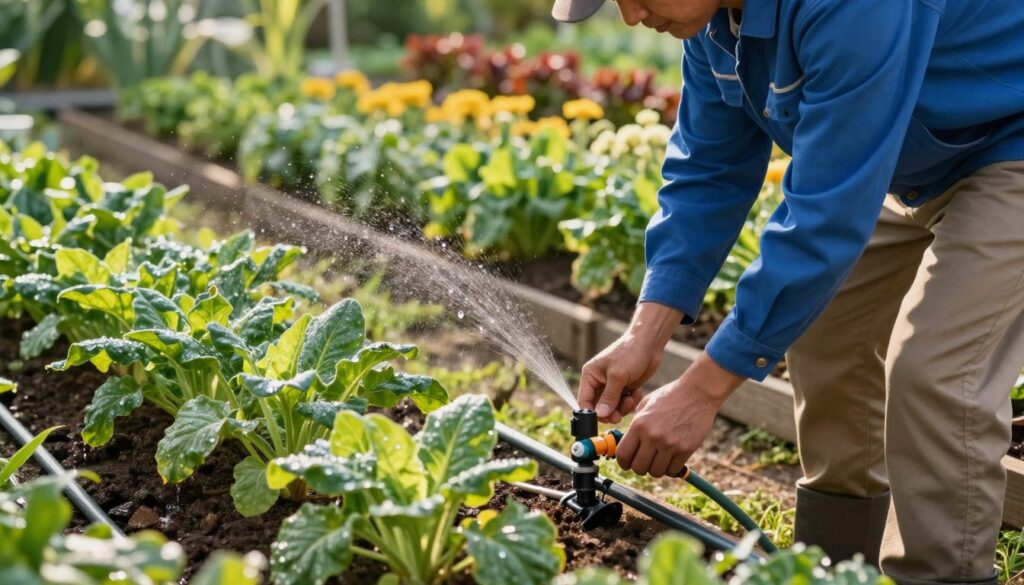
Professional irrigation managers know that consistent upkeep is what separates a failing system from a high-performance one. Maintaining your drip irrigation setup ensures that your garden thrives for a long time. A proactive approach prevents costly repairs and preserves water efficiency.
Regular Inspection and Leak Detection
Monitor the flow of water by placing a flow meter between the solenoid valve and each zone. Record these readings daily to detect any deviations caused by leaks or a clogged line. Finding these issues early prevents uneven irrigation across your garden beds.
Unexpected damage from insects, animals, or tools can cause a leak at any time. Perform weekly visual checks for wet spots to keep your drip setup running smoothly. A well-monitored system uses less energy and protects plant health.
Cleaning and Flushing Drip Lines
Flushing your tubes regularly is the best way to minimize sediment buildup. Once a month, open the end caps and let the water rush out at a high velocity. This clears out silt and organic debris that can compromise your drip irrigation efficiency.
Regular flushing prevents physical particles from settling in the low points of your network. Professional managers use this technique to ensure that every plant gets a consistent supply. It is a simple step that extends the life of your entire setup.
Preventing and Clearing Clogged Emitters
Apply chlorine through the line every two weeks during the summer to kill algae. This treatment prevents biological growth from blocking your emitters. In areas with hard water, you may need acid to dissolve mineral deposits inside each emitter.
Check your emitters for uniform flow patterns and physical damage from the sun. If an emitter fails, replace it immediately to avoid dry spots in your irrigation zones. Keeping these emitters clean is vital for a functional drip network.
Seasonal Maintenance Requirements
Your filters must be managed and cleaned to maintain proper pressure throughout the system. Check the filter regularly and replace the mesh or disc if it shows signs of wear. Good irrigation management requires clean filters to protect the internal tubes.
Before winter, drain the drip irrigation network to prevent pipes from bursting in the cold. Keep a maintenance log to track all repairs and treatments for your drip system. This record helps you troubleshoot future irrigation problems with ease.
| Maintenance Task | Frequency | Primary Benefit |
|---|---|---|
| Flushing Lateral Lines | Monthly | Removes sediment and silt buildup |
| Chlorine Injection | Every 2 Weeks (Warm Months) | Prevents algae and bacterial growth |
| Filter Cleaning | Weekly or As Needed | Maintains system pressure and flow |
| Emitter Inspection | Weekly | Ensures uniform water distribution |
| System Winterization | Annually (Cold Climates) | Prevents freeze damage to components |
Drip Irrigation Timers and Automation
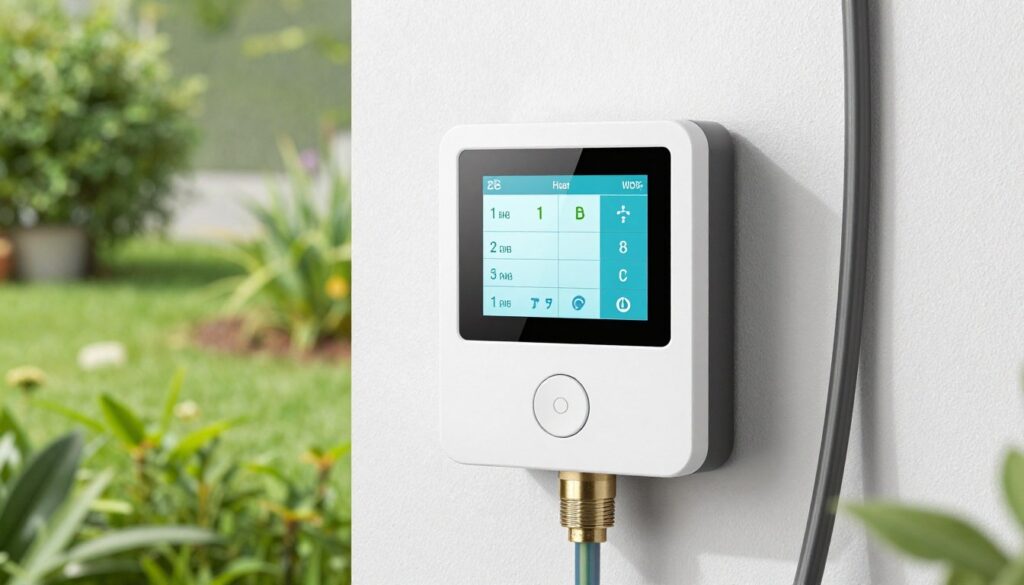
Precision water management reaches a new level when you automate your drip system with smart timers. These advanced tools allow you to manage your garden from a smartphone app. You can ensure your landscape stays healthy without lifting a finger.
Benefits of Automated Watering Schedules
Programmable timers stop the need for manual valve operation every day. This technology ensures your plants receive moisture even when you are away from home. You can set specific duration and frequency controls for various garden zones to meet unique needs.
Modern irrigation setups often use soil moisture sensors in the root zones. These sensors trigger a watering cycle only when the soil moisture drops below a set level. This precise method improves health and maintains a steady growth rate for all your vegetation.
Automation also makes it easier to manage a complex irrigation system across large properties. By setting a specific time for each zone, you prevent water pressure drops. This keeps the flow constant so every plant gets the same amount of moisture.
Smart Controllers with Weather Detection
Smart controllers use real-time weather data to adjust your drip irrigation automatically. They calculate evaporation rates and detect rainfall to prevent accidental overwatering during storms. Studies show these tools can save 20% to 40% more water compared to manual use.
Many Wi-Fi models let you monitor the status of your drip lines and change settings instantly. This automated irrigation system technology also works with fertigation to deliver nutrients at the perfect time. Precision delivery ensures that nutrients reach the roots at the best absorption rate.
Investing in modern irrigation technology reduces labor and protects your landscape. It prevents water stress from forgotten cycles and stops oversaturation. High-tech automation provides a great return on investment through lower utility bills and thriving plants.
Cost Analysis: Investment and Long-Term Savings
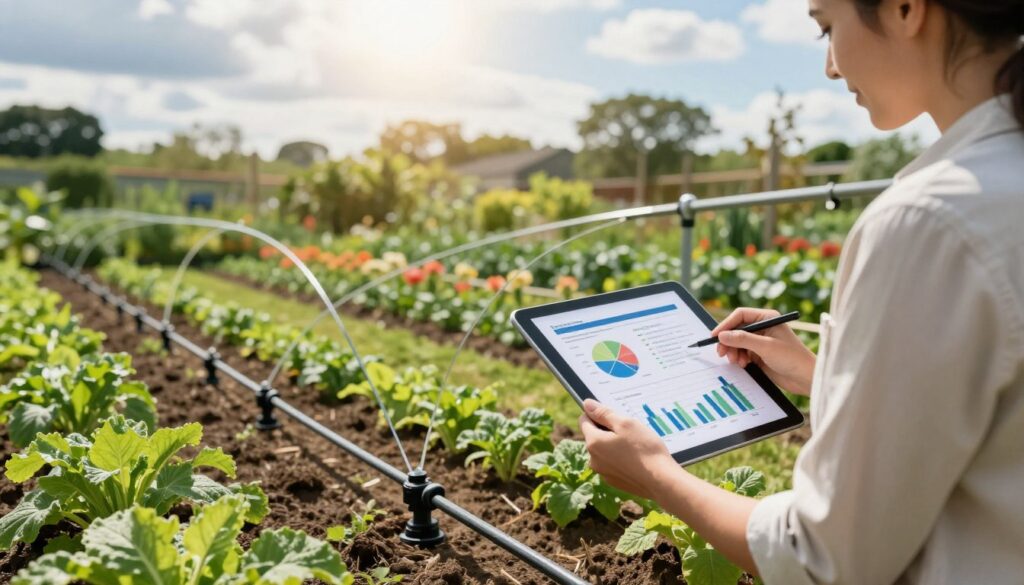
Understanding the financial side of a drip irrigation setup helps you make a smart choice for your garden’s future. While the initial price might seem higher than traditional methods, the long-term gains are significant. You should look at the total lifecycle to see the true value of this system.
Initial Installation Costs
Installing a home drip system usually ranges from $2,000 to $5,000. This price includes a professional assessment, all necessary parts, and labor. The number of plants and the size of your lot will change the final price.
Small gardens under 1,000 square feet might only cost $500 to $1,500 for a drip setup. For large-scale projects, drip irrigation systems typically cost $500 to $1,200 per acre. Factors like terrain and component quality will impact your total irrigation investment.
- Design and consultation: $200 – $500
- Components and materials: $800 – $2,500
- Professional labor: $1,000 – $2,000
Operational Costs and Water Bill Savings
A smart setup reduces water use significantly compared to surface flooding. Traditional furrow irrigation uses about 4 acre-feet of water per acre. By contrast, drip irrigation only needs 14 to 32 acre-inches for the same crops.
| Method | Water Usage (Per Acre) | Efficiency Level |
|---|---|---|
| Furrow Flooding | 4 Acre-Feet | Low |
| Drip Setup | 14-32 Acre-Inches | High |
Expect to save 30% to 70% on your monthly water bill with high efficiency technology. You will have small annual costs for filter changes and pump electricity. Proper maintenance prevents the number of repairs from growing over time.
Return on Investment Timeline
Most residential owners see a return on their irrigation system investment within two to five years. In commercial settings, high utility rates can lead to a payback in just one to three years. These setups also save money through better nutrient delivery and lower labor costs.
Using a drip method helps you reduce disease treatment costs and improve plant health. If you use a high-quality irrigation system, you turn a high upfront cost into a profitable asset. Conserving water remains the best way to ensure your irrigation budget stays under control.
Drip Irrigation vs Sprinkler Systems
Understanding the differences between drip and sprinkler setups helps you maximize your garden’s health and water budget. Each irrigation system serves a specific purpose depending on your landscape design. Comparing drip irrigation versus traditional methods reveals why water conservation matters for expert irrigation.
Efficiency Comparison
Drip irrigation systems achieve 85-95% efficiency by delivering water directly to the root zone. This slow flow rate prevents pooling and wind loss that often plague other methods. It ensures that the soil absorbs every drop before it can run off.
Standard sprinkler irrigation usually reaches only 60-75% performance. Much of that water is lost through wind drift and evaporation before reaching the soil. This spray method often misses the target area, leading to significant waste.
Cost-Effectiveness Analysis
A sprinkler often costs less to install upfront, typically ranging from $1,000 to $3,000 for residential properties. These irrigation systems use standard materials that are easy to find and set up. However, the high water consumption can lead to expensive monthly utility bills.
| Comparison Factor | Drip Method | Sprinkler Method |
|---|---|---|
| Upfront Investment | Moderate to High | Low to Moderate |
| Long-term Savings | Very High | Lower Savings |
| Labor Requirements | Low Maintenance | Frequent Adjustments |
In contrast, drip irrigation is more affordable to operate over several seasons. It uses significantly less water and can even integrate recycled sources effectively. Property owners find that the drip method saves substantial money in the long run.
Environmental Impact Differences
Using drip irrigation systems reduces your overall environmental footprint by saving thousands of gallons annually. These setups use less energy for pumping smaller volumes of irrigation. This makes them much more sustainable than high-pressure alternatives.
Overhead spray setups can cause runoff pollution by wetting hardscapes like driveways or sidewalks. Drip irrigation keeps liquid contained within the garden beds. This drip technique also protects local irrigation from chemical runoff by keeping fertilizers in the soil.
Best Applications for Each System
A drip system is perfect for vegetable gardens, orchards, and individual plants. It keeps the foliage dry, which prevents fungal diseases from developing on the leaves. This targeted application is ideal for high-value crops and permanent garden rows.
A sprinkler is much better for watering lawns, ground cover, and large turf areas. Sprinkler irrigation also provides a cooling effect for plants during extreme heat waves. Many homeowners use a combination application by choosing drip for beds and sprinkler irrigation for the grass.
Common Challenges and Solutions
While drip irrigation offers many benefits, growers often face specific maintenance hurdles that can hinder performance. Maintaining a steady flow of water to your soil needs a proactive troubleshooting plan. Even a high-quality system requires regular care to prevent technical failures.
Dealing with Clogging Issues
Physical particles like silt, sand, or organic debris are the main causes of clogged emitters. Biological growth, such as algae or bacterial slime, also creates blockages within the drip setup. Chemical deposits like calcium or iron can further restrict water flow over time.
Install high-quality filters that catch particles four times smaller than your emitter openings. You can use chlorine treatments to clear out biological slime or acid injection for mineral buildup. Regular flushing of the lines is essential to remove sediment before it causes permanent damage.
Managing Sun Damage to Tubing
Direct exposure to the sun causes polymer degradation in standard polyethylene tubing. This process makes the material brittle and leads to cracks after a few years. Surface installations are most vulnerable to high-intensity UV rays in warmer climates.
Protect your investment by burying the tubing or covering it with a layer of mulch. Choose UV-resistant products to extend the lifespan of your irrigation components. Proper protection ensures your drip setup remains functional for its intended seven-year lifespan.
Addressing Uneven Water Distribution
Elevation changes often cause pressure variations, leading to uneven water application across the garden. If run lengths are too long, plants at the end may suffer from lower flow rates. This imbalance prevents the soil from receiving the moisture it needs.
Use pressure-compensating emitters to ensure every plant receives the same amount of water. Properly design your zones to stay within the recommended maximum run lengths. Frequent inspections help catch partial clogs that alter distribution rates across the entire system.
Rodent and Physical Damage Prevention
Rodents frequently chew through buried pipes or thin tape, resulting in major leaks. Surface damage from lawn mowers or heavy foot traffic also threatens the integrity of the irrigation. Drip irrigation might be unsatisfactory if certain herbicides need sprinkler activation.
Bury your pipes at least 12 inches deep to keep them away from burrowing pests. These simple steps safeguard your drip irrigation investment from unexpected physical harm. Using a robust irrigation system helps manage the cleanup costs and drip tape disposal.
| Common Problem | Root Cause | Expert Solution |
|---|---|---|
| Emitters Clogging | Silt, Algae, or Minerals | Filtration and Flushing |
| UV Degradation | Direct Sun Exposure | Mulching or Burial |
| Uneven Flow | Pressure Variations | Compensating Emitters |
| Rodent Damage | Burrowing Animals | Deep Burial (12″+) |
Conclusion
Choosing a drip irrigation setup represents a significant commitment to both plant health and environmental stewardship. This drip application remains the most valued innovation in the field since the impact sprinkler of the 1930s. It delivers water precisely to the root zones of your plants to minimize waste. By stopping runoff and evaporation, this system ensures every drop serves a specific purpose.
Current data shows only 3% of the world’s farmers use these advanced irrigation systems. However, the potential for growth is massive as water becomes more scarce globally. Modern drip irrigation systems can reduce greenhouse gases by up to 85% in some settings. They also offer a way to save 70% of the water used in traditional crop growth.
While a professional drip irrigation setup might cost between $500 and $5,000, the savings are clear. Most homeowners see a full return on their investment within two to five years. These irrigation systems lower monthly bills and prevent costly plant loss from disease. Proper design and regular maintenance keep the drip lines working at peak efficiency.
Modern irrigation technology continues to advance with smart automation and better materials. Investing in a drip system today protects your landscape for the future. Whether you are an informed homeowner or a professional, this technology provides the best results for healthy plants. This irrigation approach remains the best way to manage your outdoor resources responsibly.
| Benefit Category | Impact Details | ROI Potential |
|---|---|---|
| Resource Savings | Saves up to 70% of water | 2 – 5 Year Return |
| Plant Health | Direct root zone delivery | Reduced disease costs |
| Environmental | Up to 85% GHG reduction | Long-term sustainability |