

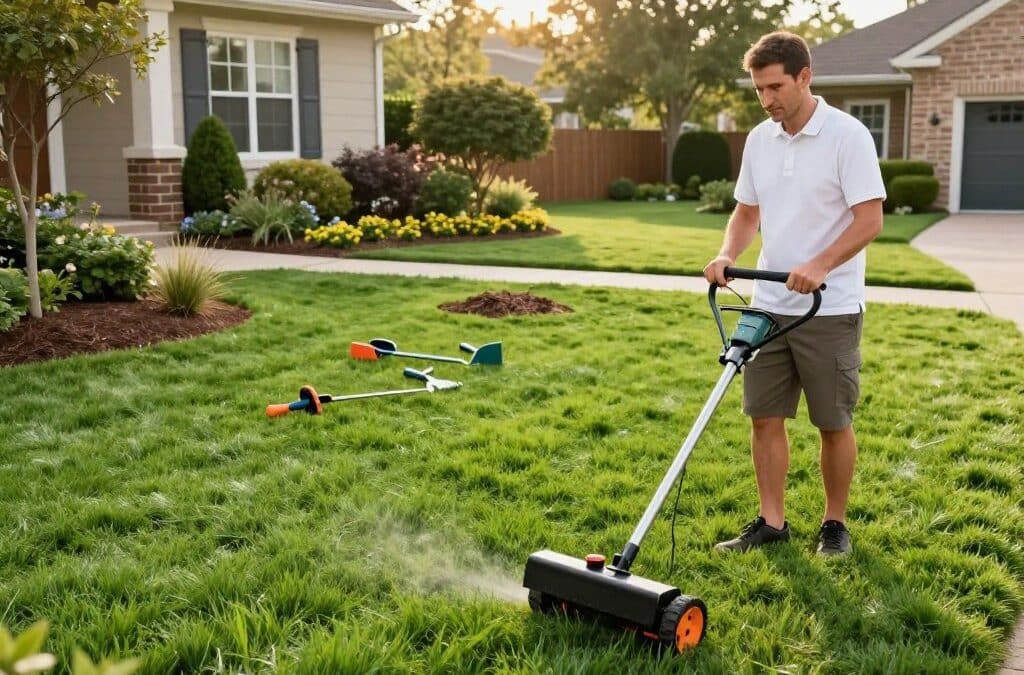
Is your yard merely a patch of green, or is it a thriving sanctuary that reflects your home’s potential? Professional residential lawn care helps property owners achieve this dream without the stress of trial and error.
Expert care services ensure your outdoor space gets the specialized attention it needs to thrive. These professional services save significant time and deliver better results than standard DIY methods.
Project costs vary by region and site dimensions. Typical grounds range from 4,450 to 8,830 square feet, requiring a systematic process to address soil issues and establish fresh grass.
Renovations often take several weeks and require perfect timing based on your local climate. Choosing the right steps for your yard makes the difference between a temporary fix and a sustainable landscape.
Homeowners can finally stop guessing and start following a proven roadmap to success. This guide details every phase of the journey toward a lush, healthy outdoor environment.
Understanding Lawn Renovation and When You Need It
Identifying when your yard requires a deep refresh rather than simple upkeep is the first step to achieving a perfect outdoor space. Many homeowners struggle to decide if their grass needs a light touch or a total makeover.
Understanding the current health of your property helps you choose the right path for your landscape. Proper evaluation ensures you spend your budget wisely while getting the green results you desire.
What the Process Involves
This revitalization is a detailed process that brings life back to struggling turf. It focuses on fixing underlying issues while keeping the healthy plants you already have on your lawn.
This method works best when at least 50% to 60% of your lawns are still in good shape. It allows for a fresh start without the high cost or labor of starting over from scratch.
Signs Your Yard Requires Attention
You might notice clear warning signs that your yard needs professional care. Common issues include bare patches covering nearly half of the area or weeds that keep coming back despite treatment.
Thin grass that stays sparse even after you fertilize is another major red flag for homeowners. Look for standing water or heavy soil compaction that prevents new growth from taking root.
Excessive thatch buildup can also choke out healthy plants and block nutrients. If your green space feels spongy or looks brown despite watering, it is likely time for care.
Comparing Renovation and Replacement
Choosing between renovation and replacement depends on the level of damage your turf has suffered. Renovation preserves your existing lawn and typically costs about 40% to 60% less than a full lawn replacement.
This approach requires much less time for the new growth to become fully established and strong. Replacement is usually a last resort when the soil is completely bare or the vegetation is dead.
Professional assessment helps identify if simple care can fix the issue or if you need to overhaul your renovated lawn. Timing is also vital, as fall is best for cool-season types while spring suits warm-season varieties.
| Feature | Lawn Renovation | Complete Replacement |
|---|---|---|
| Estimated Cost | 40-60% Lower | Full Market Price |
| Growth Speed | Faster Results | Slow Establishment |
| Material Focus | Soil and Seed | Sod or Total Reseed |
Benefits of Professional Residential Lawn Care

Investing in expert care services provides numerous advantages that go far beyond simple grass cutting. While DIY projects are popular, some tasks require a level of precision that only specialists can provide. These benefits ensure your outdoor space remains healthy and vibrant throughout the year.
Time and Effort Savings
Maintaining a beautiful lawn takes a significant amount of time. Most homeowners report saving between three to five hours every week when they outsource their yard work. This shift allows you to focus on family or hobbies instead of labor-intensive maintenance.
Hiring professional lawn care services eliminates the heavy lifting required for a pristine yard. You no longer have to spend your weekends researching fertilizers or hauling heavy bags of seed. Expert teams handle the difficult tasks while you enjoy the results.
Access to Professional Equipment and Expertise
High-quality results often depend on using the right tools. Most residents cannot justify the cost of buying core aerators, slit seeders, or commercial-grade spreaders. Professional lawn care services utilize this specialized equipment to achieve a level of thickness that standard mowers cannot match.
Beyond tools, specialists bring deep knowledge to your property. They understand local soil conditions and know which grass varieties thrive in your specific climate. This experience ensures that every treatment applied to your property is necessary and effective.
Better Results and Long-Term Value
Trained pros bring years of knowledge to every job. They can quickly diagnose soil issues or pest problems that the average person might miss. This proactive approach saves money by preventing expensive lawn damage before it starts.
Consistent care services build a resilient lawn that survives harsh weather and heavy foot traffic. By choosing professional services, you extend the life of your landscape investment. These services also follow proven scientific methodologies for better turf health.
| Benefit Category | DIY Approach | Professional Service |
|---|---|---|
| Equipment Used | Consumer Grade | Commercial Grade |
| Weekly Time Cost | 3-5 Hours | 0 Hours |
| Long-Term Results | Inconsistent | Highly Resilient |
Step 1: Lawn Assessment and Soil Testing
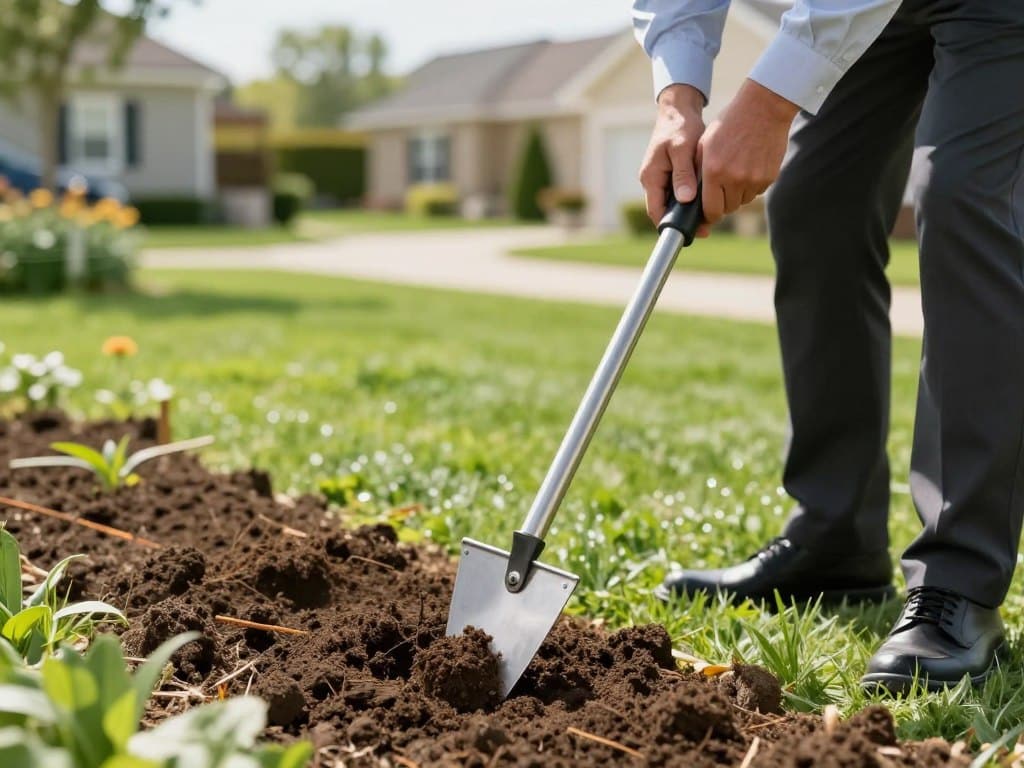
Before you dig or plant, you must understand exactly what is happening beneath the surface of your yard. A professional assessment identifies hidden problems before the physical renovation work starts. This essential step helps you calculate the exact size of the project to avoid wasting expensive materials.
Comprehensive Lawn Condition Evaluation
An expert evaluation serves as the foundation for your entire renovation project. Professionals look at shade patterns and high-traffic zones that dictate your future maintenance needs. This process creates a detailed roadmap to guide every decision you make later.
During the walkthrough, experts measure the area to determine how much product you will need. They also check the health of existing plants to see what can be saved. Proper planning ensures that your lawn renovation provides the best possible results for your home.
Professional Soil pH and Nutrient Testing
Professional soil testing analyzes nutrient levels and organic matter content within the dirt. Most grass types thrive best when the soil pH sits between 6.0 and 7.0. Knowing these numbers helps you choose the right amendments to create a healthy growing environment.
Standard testing prevents you from spending money on treatments that your ground does not actually require. These results reveal specific deficiencies in nitrogen, phosphorus, or potassium. With this data, you can apply the exact nutrients needed for a lush, green landscape.
Identifying Drainage and Compaction Issues
Bad drainage and hard ground often cause previous lawn care efforts to fail. You can detect compaction using a simple screwdriver test or a professional penetrometer tool. Fixing these structural issues allows roots to access the oxygen and moisture they need to grow deep.
Experts also look for low spots where water collects after a heavy rain. Solving these drainage problems is vital for long-term turf health. This part of the care routine ensures your renovation survives the changing seasons without rotting or thinning out.
Determining Best Grass Types for Your Climate
Selecting the right grass depends on your local climate zone and daily sun exposure. Popular choices include Bermudagrass at 27% and Buffalograss at 17% for warmer American regions. These varieties handle heat well and require less water during the peak of summer.
Other homeowners might choose Perennial Ryegrass (15%), Zoysiagrass (13%), or Kentucky Bluegrass (11%). Matching the species to your specific environment ensures the lawn remains resilient against pests and diseases. This careful selection process is the final piece of a successful assessment plan.
Step 2: Removing Old Grass and Weeds
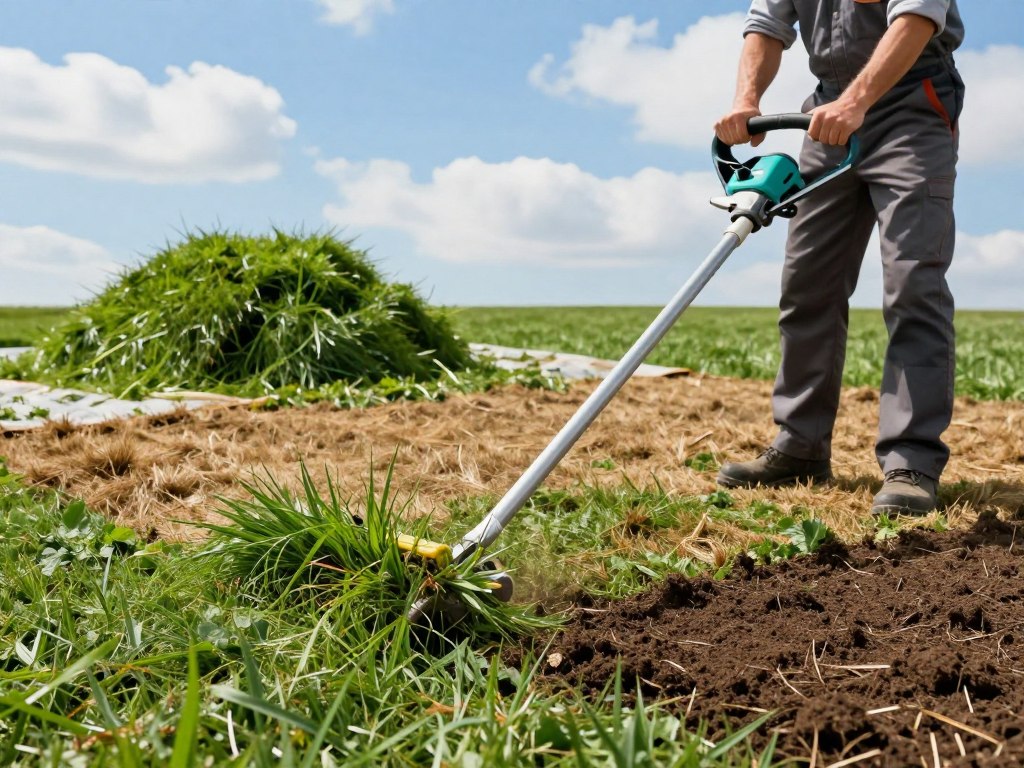
Successful renovation hinges on the complete eradication of old turf and invasive plants before any new growth can take hold. This phase is critical because it prevents existing issues from returning to choke out your new investment. You want a clean slate to ensure your fresh grass has the best chance to thrive.
Herbicide Application for Vegetation Removal
Applying a non-selective herbicide is a common way to handle total vegetation removal. These products kill all plant life in the treated zone within one to two weeks. It is a highly effective way to ensure a tough weed does not return to the surface later.
You must wait the full 7 to 14 days for the chemicals to work through the roots. Rushing this step might leave behind live sections that will compete with your new seeds. Proper timing ensures the removal work is permanent and successful for the long term.
Mechanical Removal and Dethatching
Some projects require mechanical methods like using a sod cutter for a fast lawn exit. This tool slices under the roots to lift away the old surface entirely. It is the quickest way to strip a lawn down to the bare soil for immediate grading.
Dethatching is another option for less severe cases of lawn damage. It removes the thick layer of dead organic matter between the grass blades and the soil. This allows water and air to reach the ground much better than before the renovation began.
Clearing Debris and Preparing the Site
Once the plants are dead or cut, you must clear away all remaining debris. This includes dead stems, rocks, and sticks that might block seed-to-soil contact. This thorough removal process ensures the weed roots are gone and the ground is ready for nutrients.
Thorough clearing helps your new sprouts establish themselves quickly. If you leave dead material behind, it can create a barrier for moisture. Taking the time to prep the lawn properly leads to a much healthier and more beautiful result.
| Method | Timeframe | Best Use Case |
|---|---|---|
| Herbicide Spraying | 7 – 14 Days | Total eradication of invasive species and roots. |
| Sod Cutting | Immediate | Complete surface replacement and fast clearing. |
| Dethatching | 1 – 2 Days | Partial renovation to remove organic buildup. |
| Manual Raking | Variable | Clearing small debris and smoothing the surface. |
Step 3: Soil Preparation and Grading
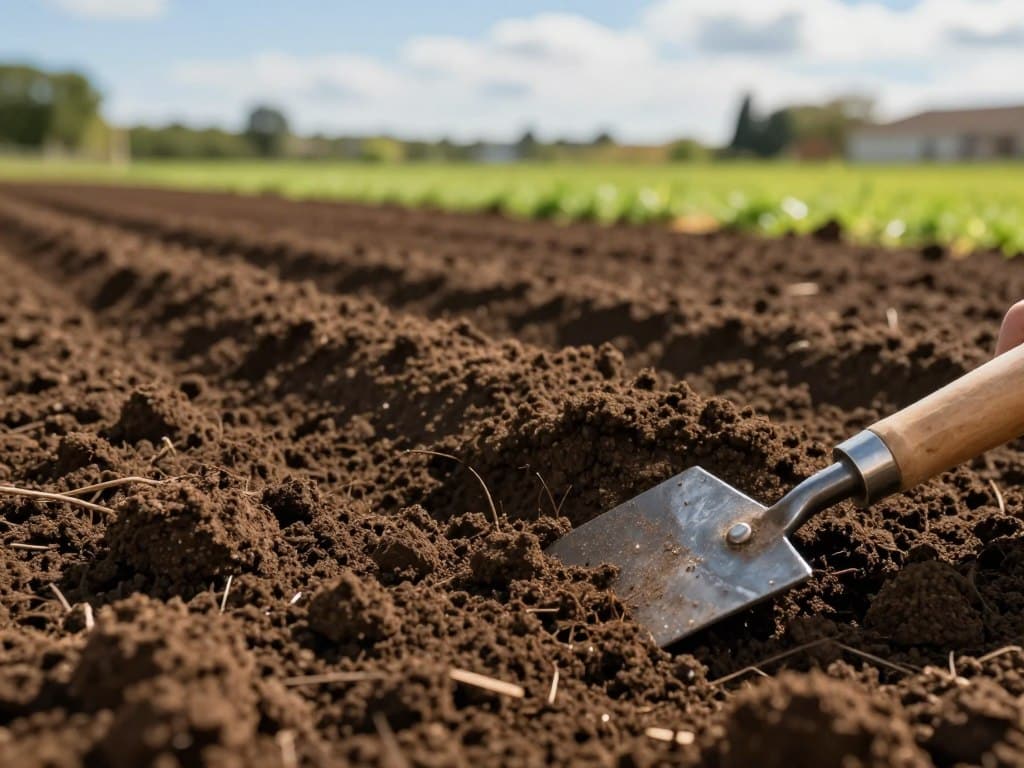
Successful renovation hinges on the quality of your soil preparation and the precision of the land’s slope. This stage creates the well-draining foundation that every healthy lawn requires to thrive over time. Skipping these steps often leads to ongoing problems like standing water or patchy growth.
The size of your project determines the tools needed for the job. While small areas might only require manual rakes, larger sections often benefit from professional grading equipment. This machinery allows for precise control to ensure a smooth, bump-free surface across your entire yard.
Leveling Low Spots and High Areas
Leveling is essential to eliminate low spots where water pools and high areas that suffer from “scalping” during mowing. A flat surface ensures that your mower cuts the grass at a uniform height. This consistency helps maintain the health and appearance of the turf across the yard.
If you find deep low spots requiring more than 2 inches of fill, correct them gradually. Apply the fill over multiple sessions to prevent the ground from settling unevenly later. This careful approach prevents future depressions and keeps your lawn safe for walking and recreation.
Correcting Drainage and Slope Issues
Proper grading establishes an adequate slope to direct water away from foundations, patios, and other structures. You should maintain a minimum 2% slope to prevent moisture damage to your home. This subtle pitch is often invisible to the eye but vital for effective drainage.
| Topsoil Component | Ideal Percentage | Primary Function |
|---|---|---|
| Sand | 40-60% | Enhances drainage and aeration |
| Silt | 30-50% | Provides texture and nutrient retention |
| Clay | 10-25% | Holds moisture and essential minerals |
| Organic Matter | 3-5% | Feeds microbes and boosts fertility |
Correcting complex drainage issues may involve more than just surface work. Some yards require the installation of French drains or the creation of subtle swales to guide runoff. These methods eliminate soggy areas and protect the root systems of your new grass from drowning.
Adding Quality Topsoil
Adding quality topsoil improves the growing medium, especially in areas where the native dirt is packed with clay or rocks. The ideal soil depth for a new lawn is between 4 and 6 inches. This depth provides enough room for roots to grow deep and strong.
Your grading work must also account for the final height of the grass relative to your sidewalks and driveways. Keeping the soil slightly below hardscaping ensures proper transitions and prevents dirt from washing onto your paths. This attention to detail makes future mowing and edging much easier for any homeowner.
Step 4: Aeration and Soil Amendment
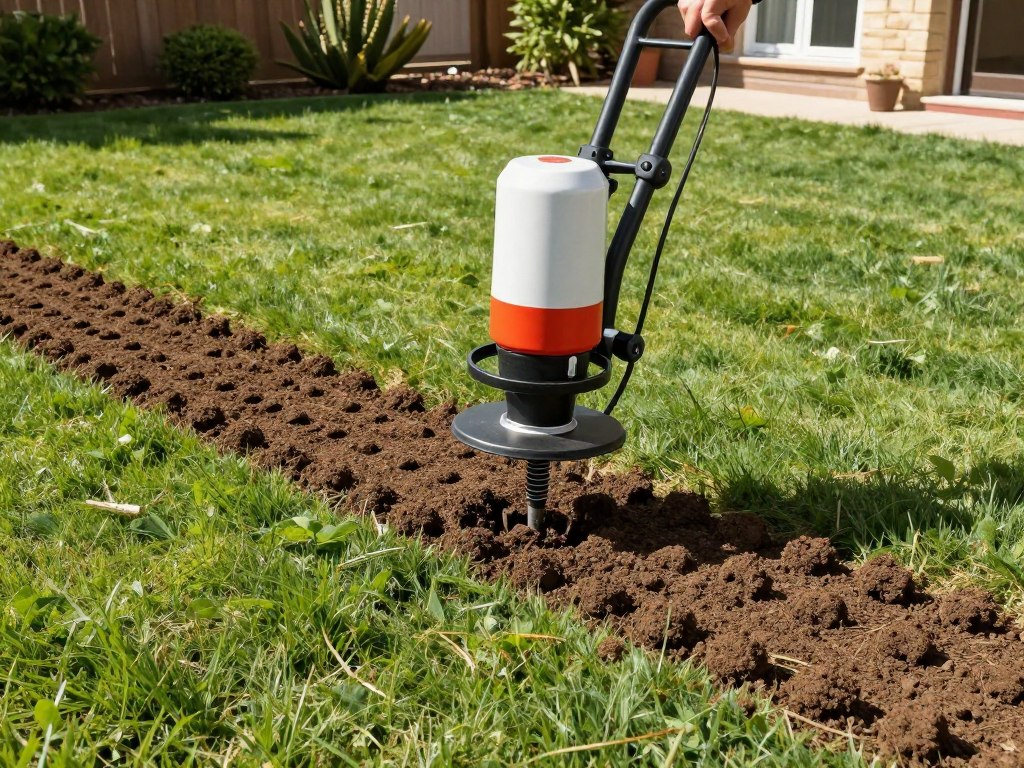
Strategic physical intervention in the ground structure sets the foundation for all future growth. This stage ensures your yard can breathe and absorb the vital nutrients necessary for a full recovery.
Core Aeration Process and Benefits
The mechanical aeration process involves pulling thousands of small plugs from the ground per 1,000 square feet. Professional equipment removes cores that are 2 to 3 inches deep and 0.5 to 0.75 inches in diameter.
This method relieves heavy compaction by creating channels for air and water to reach the root zone. It improves water absorption and reduces runoff significantly. These holes allow roots to access oxygen more effectively, which promotes deeper and stronger development for your lawn.
Consistent hole spacing and depth are essential for thorough decompaction. Using professional-grade tools ensures a level of precision that manual tools simply cannot provide. This creates the best possible start for your ongoing residential care routine.
Incorporating Organic Matter and Compost
Adding organic matter after opening the ground significantly improves the soil structure. Applying compost in layers of 0.25 to 0.5 inches helps boost beneficial microorganism populations. This topdressing provides slow-release nutrients while improving moisture retention in sandy areas.
The combination of aeration and quality compost creates ideal conditions for seed germination. It ensures that amendments incorporate directly into the earth where roots can reach them. This timing is critical for improving the overall success rate of your renovation.
Soil Amendment Selection
Proper soil amendment selection depends on the specific conditions found during your initial testing. Common additions include lime to raise the pH level or sulfur to lower it. These materials improve the texture and nutrient availability of the lawn over time.
Multiple passes in different directions may be necessary if your ground is severely compacted. Quality amendments make a measurable difference in long-term care requirements. Proper aeration results in a healthier lawn that needs less intervention in the future.
- Core aeration relieves soil compaction by mechanically removing small plugs of soil.
- Incorporating organic matter following the process adds beneficial microorganisms to the ground.
- Soil amendment selection depends on existing conditions like pH levels and texture.
- Timing these steps before seeding ensures amendments reach the deep root zone.
Step 5: Seeding or Sodding Your Lawn
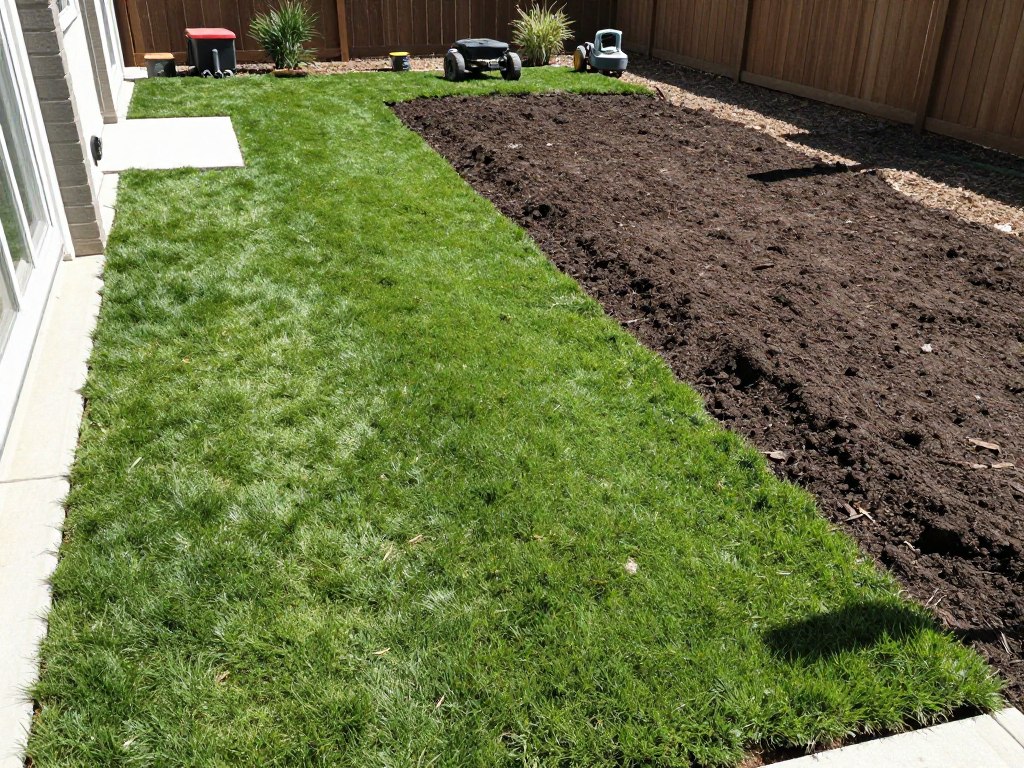
Once your soil is ready, the critical choice between seeding and sodding determines how quickly you will see green results. This stage defines the future resilience and appearance of your yard. You must weigh your budget against your desire for an immediate transformation.
Establishing a healthy turf requires a thoughtful decision between the long-term process of planting or the instant gratification of rolls. Both methods have specific requirements for success during the installation phase. Professional guidance can help you navigate these choices based on your property goals.
Comparing Seeding vs. Sodding Options
Choosing between these methods is a major decision that affects your timeline and budget. Seeding is very economical, costing between $0.10 and $0.25 per square foot for most lawn projects. However, it takes two to three weeks for germination and up to twelve weeks before the first mowing.
By contrast, sod provides an instant green surface that is usable within two to three weeks. This method typically costs between $0.35 and $0.85 per square foot. It is the ideal service choice for erosion-prone slopes or high-visibility areas.
Selecting the Right Grass Varieties
Picking the right grass involves matching species to your climate zone and sun exposure. You should also consider foot traffic and maintenance preferences for long-term success. The pros can help you select the best varieties for your specific property needs.
Using a mix of different types can create a more resilient lawn. This diversity helps lawns handle varying conditions, from shaded corners to sunny patches. Proper selection ensures your yard stays healthy through the changing seasons.
Professional Seeding Methods
A professional service often uses slit-seeding equipment to cut grooves directly into the earth. This process places each seed in direct contact with the soil for better germination. It is much more effective than simply throwing material over the surface.
These advanced methods improve growth rates and create a thicker grass cover. Experts also understand the optimal timing to maximize establishment while preventing waste. This approach ensures your investment results in a dense and healthy yard.
Sod Installation Best Practices
Successful installation requires quality grass that is freshly harvested from a reputable grower. You must install the material within 24 hours to prevent the roots from drying out. Proper laying techniques ensure there are no gaps between the pieces.
Immediate watering is essential to help the new lawn establish its root system. You should also ensure the soil is perfectly level before the first piece is placed. This careful approach results in beautiful lawns that stay healthy for years to come.
Step 6: Fertilization and Initial Care
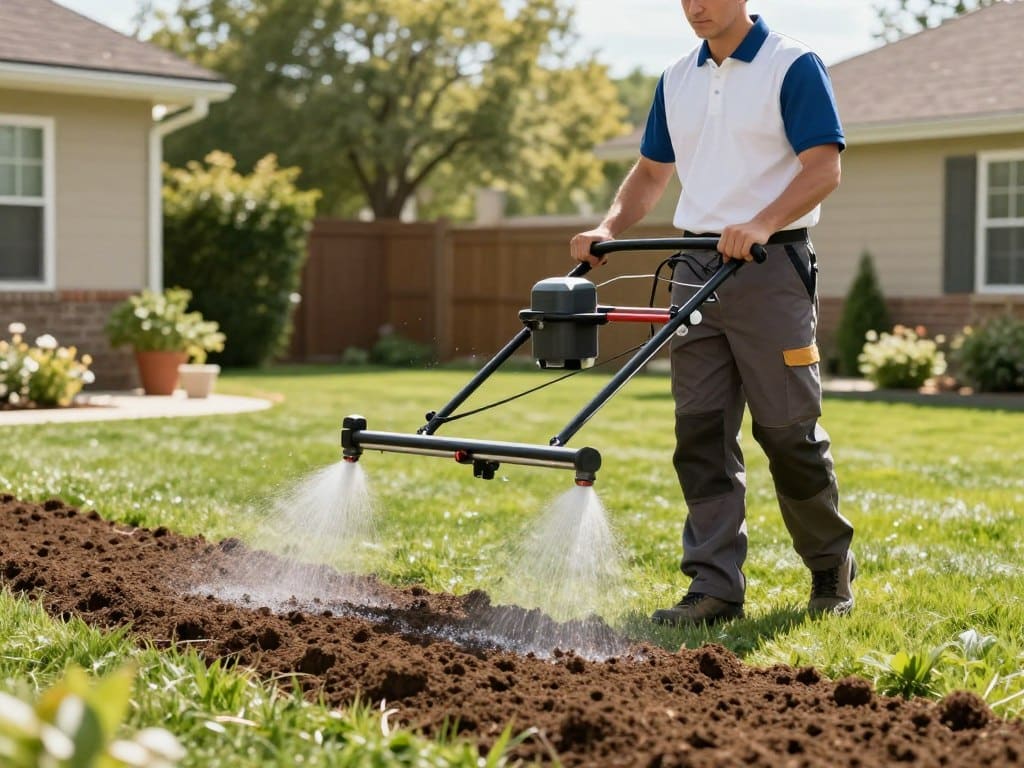
The final phase of a complete lawn overhaul involves precise nourishment and hydration. The critical first 4-6 weeks after installation determine long-term lawn health. Attentive care during this period is essential for renovation success and ensures the investment thrives for years.
Applying Starter Fertilizer
Applying starter fertilizer immediately after seeding or sodding provides nutrients that support rapid growth. These formulations contain higher phosphorus levels than standard maintenance products to promote deep root establishment. Use a starter blend with a 1-2-1 NPK ratio to anchor your turf and improve its resistance to future drought.
Establishing Proper Watering Routines
Establishing proper watering routines determines if the new grass succeeds or fails. Newly seeded areas need light, frequent moisture two to three times daily for the first three weeks. This keeps the top inch of soil consistently damp until the seeds finally germinate and establish themselves.
New sod requires deep watering immediately after installation to help it bond with the underlying soil. Daily watering is necessary for the first week to ensure the roots do not dry out or pull away. Professional guidance on lawn schedules helps homeowners avoid common mistakes like waterlogging or allowing the ground to crust over.
Protecting Newly Established Grass
Protecting newly established grass from heavy traffic and pets prevents permanent damage to fragile root systems. You should restrict traffic from seeded areas for three to four weeks to allow for uniform growth. If you installed sod, keep people and animals off the surface for at least two to three weeks.
Initial care also involves monitoring for signs of stress or disease that may require intervention during the first month. Proper care creates strong, deep-rooted turf that requires less intensive maintenance once fully matured. Following these protective measures ensures your lawn stays healthy and thick after the renovation is complete.
Essential Residential Lawn Care Services
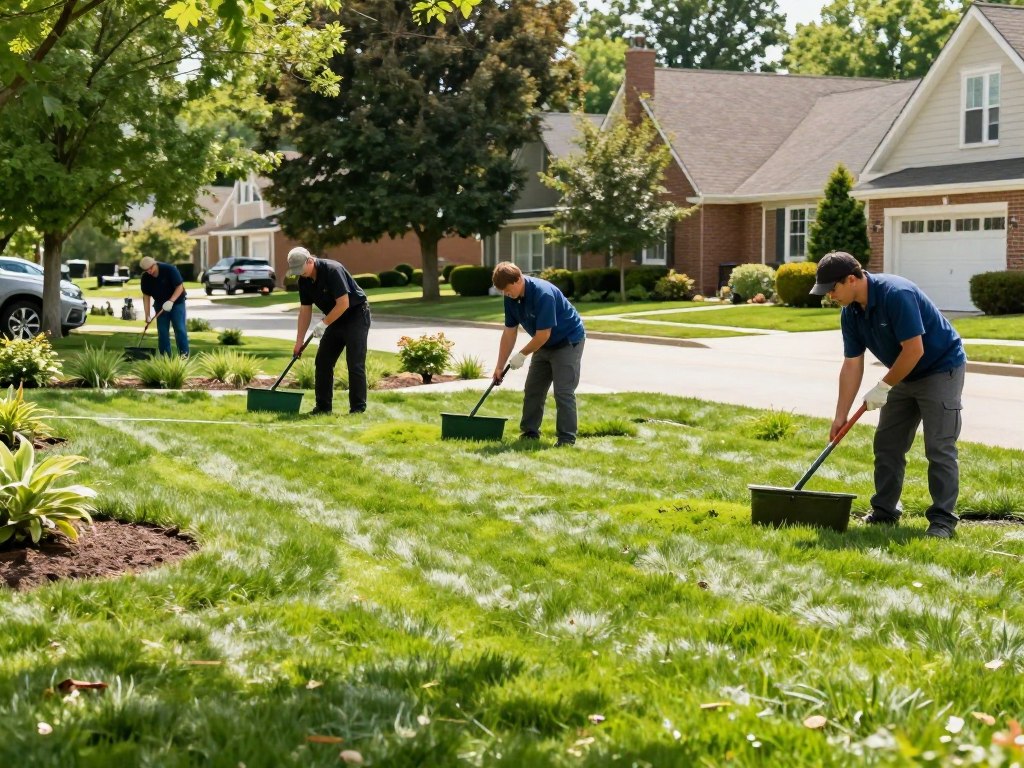
Keeping a healthy green space involves a variety of recurring residential lawn care services designed for long-term growth. These essential tasks maintain the health and appearance achieved through renovation. Regular upkeep prevents the deterioration that often leads to another major financial investment in your yard.
Professional lawn maintenance provides more than just a tidy look. It ensures your grass stays vibrant and resilient against local climate shifts. By choosing consistent care, you protect the grass from pests and nutrient depletion throughout the year.
Weekly and Bi-Weekly Lawn Mowing
Consistent lawn mowing keeps your grass at an optimal height to promote dense growth. Weekly mowing accounts for 12-24% of service frequency during the peak growing season. Meanwhile, bi-weekly schedules represent 38-77% of standard maintenance plans. Most experts recommend a mowing height between 2.5 and 4 inches to keep the turf competitive against intruders.
Professional services use sharp blades and advanced equipment to ensure a clean cut every time. Alternating the mowing patterns prevents soil compaction and keeps the grass from growing in a single direction. Many teams now use battery-powered mowers to reduce noise and eliminate gas odors in your neighborhood.
Professional Edging and Trimming
Detailed edging creates crisp boundaries along sidewalks, driveways, and garden beds. This process dramatically enhances curb appeal and gives your lawn a manicured, professional appearance. Without these finishing touches, even a freshly cut lawn can look unfinished or messy.
While a mower handles the main areas, trimming focuses on the spots the blades cannot reach. This includes detailed work around trees, fences, and various landscape features. Professional trimming ensures complete coverage and a uniform height across the entire property.
Weed Control and Prevention Programs
Effective weed control and prevention programs are vital for maintaining the integrity of your turf. These programs use targeted treatments timed to stop germination before it starts. By eliminating existing problems before they spread, you ensure your grass does not have to compete for water and sunlight.
Applying these treatments requires specific timing and professional-grade products. These lawn care services are often more cost-effective than sporadic interventions. Consistent prevention keeps your yard healthy and prevents invasive species from taking over your outdoor space.
Ongoing Fertilization Services
Ongoing fertilization services provide essential nutrients throughout the growing season. These treatments are based on your specific grass type and current soil conditions. Using seasonal data ensures your lawn gets exactly what it needs to thrive in every weather cycle.
Comprehensive lawn care programs bundle these applications with other essential tasks like mowing and edging. This approach ensures nothing gets overlooked during the busy spring and summer months. Investing in professional care guarantees a consistent schedule regardless of your personal availability or local weather events.
Seasonal Lawn Maintenance Services
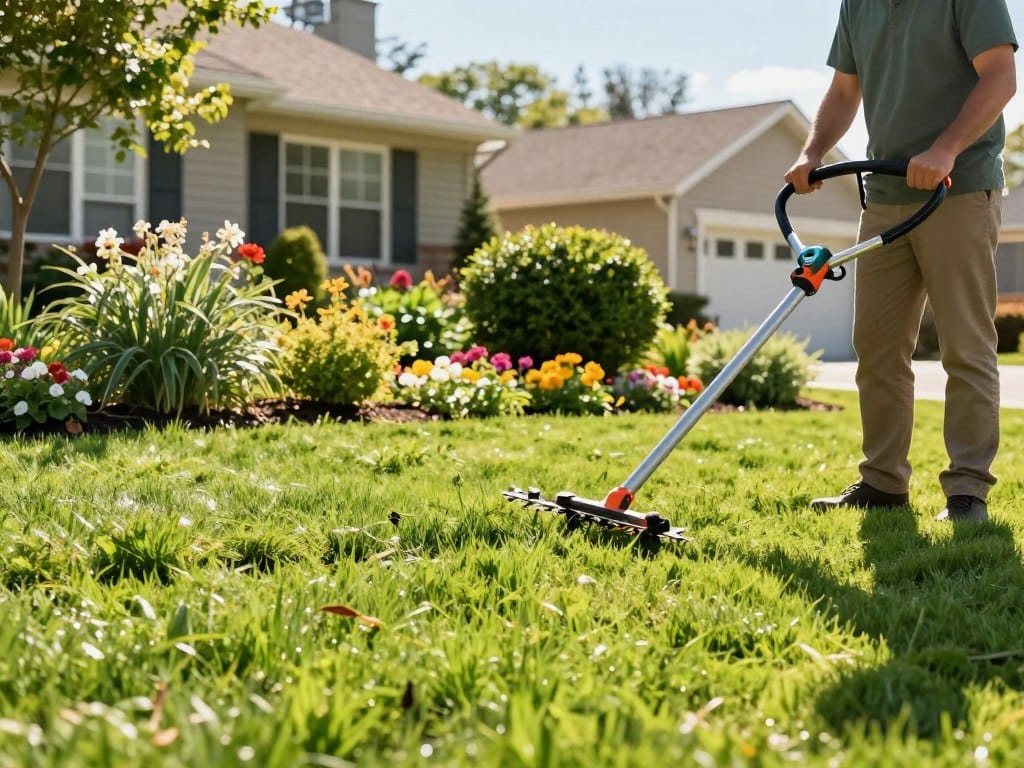
Effective turf management involves a year-round commitment that aligns with the changing weather patterns. These seasonal programs ensure your grass receives targeted treatments based on its natural growth cycle. Professional lawn care services simplify this process by providing specific maintenance at the right time. Utilizing expert services eliminates the guesswork for homeowners and maximizes the health of your yard.
Spring Cleanup and Preparation
The first step in a healthy growing season starts with clearing away the remnants of winter. Spring cleanup involves the removal of fallen branches, dead leaves, and other debris that accumulated over the colder months. This process addresses damage caused by heavy snow and ice pressure. Experts also evaluate the lawn for thatch buildup during this time.
If the thatch layer exceeds half an inch, specialists perform dethatching to allow water and nutrients to reach the soil. Early spring care services also include the first application of fertilizer to jumpstart green-up. Applying pre-emergent weed control during these services prevents crabgrass from germinating as the soil warms up.
Summer Watering and Maintenance
The heat of summer places significant stress on residential turf. Proper maintenance during this period focuses on deep and infrequent irrigation. This method encourages roots to grow deeper into the soil, which increases drought resistance. Many professional care services suggest adjusting your irrigation system to provide an inch of water per week.
Adjusting your mowing habits is equally important when temperatures rise. Keep your lawn at a higher setting to provide shade for the soil and the grass crowns. Taller grass reduces moisture evaporation and prevents the soil from overheating. These small changes help the yard stay vibrant even during the most intense heatwaves.
Fall Aeration and Overseeding
Autumn offers the most favorable conditions for repairing a lawn after a stressful summer. Professional lawn care services often prioritize core aeration during the fall months. This process removes small plugs of soil to relieve compaction. It creates channels that allow air, water, and nutrients to penetrate the root zone more effectively.
Combining aeration with overseeding produces the best results for thinning grass. The holes created by the aerator provide an ideal environment for new seeds to establish deep roots. Fall temperatures provide the perfect balance of warm soil and cool air for grass germination. This annual routine ensures a thick and lush appearance for the following year.
Winter Preparation and Leaf Removal
Preparing for dormancy is vital to protect your investment during the frost and snow. Leaf removal prevents the smothering of grass that often leads to dead patches and fungal diseases. Piles of wet leaves trap moisture and block essential sunlight from reaching the blades. Prompt removal also eliminates habitats for pests that might damage the turf over winter.
The final mowing of the year should occur at a slightly lower height than usual. This prevents the grass from matting down under heavy snow, which can cause snow mold. Once the grass stops growing, ensure the surface stays clear of heavy debris. These final care services help your grass survive the dormant season and emerge healthy in the spring.
| Season | Main Activity | Primary Goal |
|---|---|---|
| Spring | Debris Removal | Promote new growth |
| Summer | High Mowing | Reduce heat stress |
| Fall | Core Aeration | Relieve soil compaction |
| Winter | Leaf Clearing | Prevent fungal disease |
| Year-Round | Professional Services | Maintain lawn health |
Costs and Pricing for Lawn Renovation Services
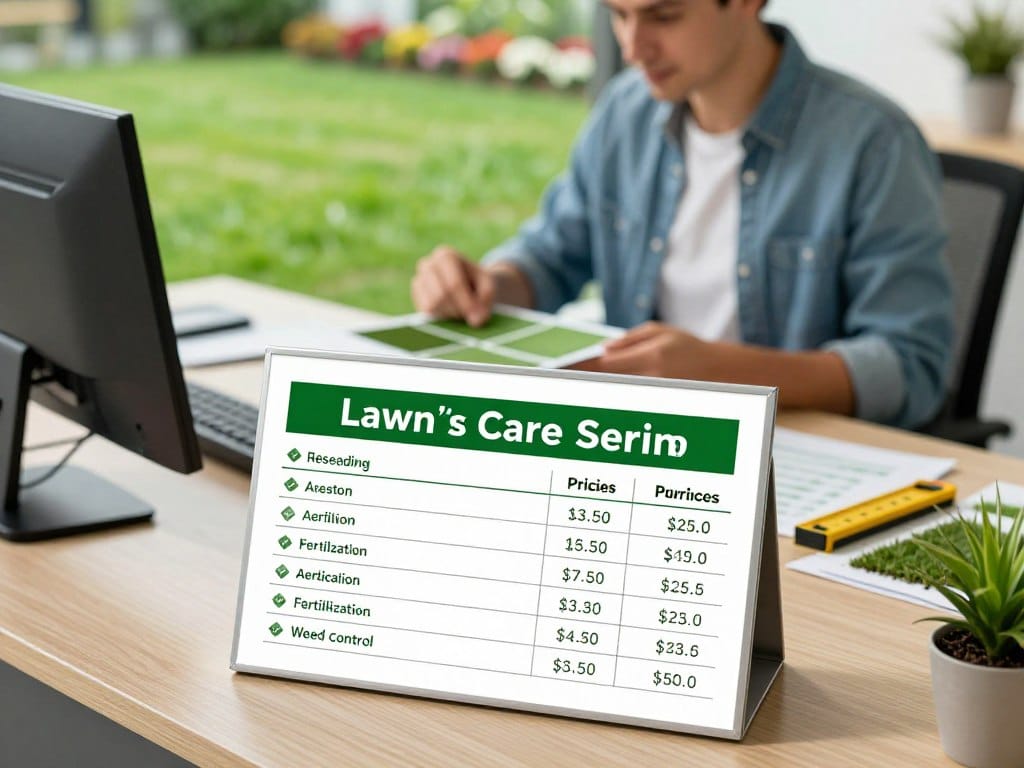
Planning a complete overhaul of your lawn requires a clear understanding of the financial commitment involved. Knowing the potential cost helps you choose the right lawn care services for your specific needs.
This transparency ensures you get the best value for your outdoor investment. Understanding market rates allows you to budget properly for a healthy and green landscape.
National Average Lawn Renovation Costs
Most homeowners spend between $1,500 and $4,000 for a standard residential lawn renovation. This price covers a wide range of professional tasks to revive the soil and turf effectively.
Regional differences and the total scope of work can move this number up or down. A full restoration is an investment that increases property value and curb appeal over time.
Factors That Influence Pricing
Several variables affect the final price of your project. Yard size is the biggest factor, with typical American lawns ranging from 4,450 to 8,830 square feet.
The complexity of the job also plays a major role in the final bill. Slopes, obstacles, and severe soil damage can increase the overall pricing for labor and materials.
Choosing between seeds or sod will also change your total expense. While sod provides instant results, it costs more than traditional seeding methods.
Service-by-Service Price Breakdown
Different services have specific market rates that vary based on the equipment used. For example, a single mowing visit usually ranges from $39 to $48 for most residential yards.
Larger tasks like core aeration might cost between $75 and $200 per application. If you choose seeding, expect to pay $0.10 to $0.25 per square foot for the work.
Getting Free Estimates and Quotes
It is wise to get a free estimate from several local providers before starting your project. A professional quote will detail the labor and material expenses for your specific yard.
Comparing quotes from different experts helps you find a fair price for a high-quality job. Many providers offer bundled services that save you money compared to hiring individual contractors.
Always ask for a written quote to avoid any surprise fees later. This document should list every step of the renovation process clearly.
| Service Type | Average Price Range | Unit of Measure |
|---|---|---|
| Soil Nutrient Testing | $50 – $150 | Per Test |
| Core Aeration | $75 – $200 | Per Service |
| Grass Seeding | $0.10 – $0.25 | Per Sq. Ft. |
| Sod Installation | $0.35 – $0.85 | Per Sq. Ft. |
| Standard Mowing | $39 – $48 | Per Visit |
Choosing the Right Lawn Care Provider
Your lawn renovation success depends heavily on the expertise and reliability of the team you hire. A poor choice can lead to a costly disappointment that requires expensive rework and extra fees. Choosing a reputable lawn care service ensures your project stays on track and delivers a vibrant green space.
The right partner will guide you through soil tests, seed selection, and long-term maintenance. Investing time in research now prevents frustration once the machinery arrives at your home. Quality work adds significant value to your property and enhances curb appeal for years to come.
Verifying Licenses and Insurance Coverage
Proper licensing and insurance protect homeowners from significant financial risks during the project. Professional providers should carry liability insurance of $1-2 million to cover potential property damage. They must also maintain workers’ compensation to protect you if an injury occurs on your property.
Always ask to see physical copies of these documents before signing a contract. Valid licenses for pesticide application are also required by most states for chemical treatments. This verification ensures you are working with a legitimate business that follows safety protocols.
Checking Experience and Customer Reviews
Long-term experience in the industry usually signals a provider who understands local soil and climate challenges. Online reviews offer unfiltered perspectives on reliability and work quality that marketing brochures might hide. Reading these reviews helps you gauge how they handle complicated renovation tasks for other customers.
| Verification Step | Professional Standard | Homeowner Benefit |
|---|---|---|
| Liability Insurance | $1 – $2 Million | Financial Protection |
| Workers’ Comp | Full Coverage | Legal Safety |
| Success Rate | 90% – 95% | Quality Results |
Understanding Service Guarantees
A pro team stands behind their work with clear satisfaction guarantees. High-quality operators often maintain satisfaction rates exceeding 90-95% because they value their customers. These guarantees mean the care service will return for re-treatment if the initial results do not meet expectations.
Verify the specific terms of any guarantee before the work begins. Some companies offer partial refunds, while others promise to re-seed areas that fail to germinate. Clear terms show that the contractor is confident in their methods and equipment.
Evaluating Communication and Responsiveness
Responsive communication during the quoting process predicts how well the pro team will perform later. A quality company responds quickly to questions and clarifies every step of the renovation process. Detailed reviews often highlight how well a customer service team handles scheduling and unexpected site issues.
Background verification ensures only qualified and trustworthy professionals gain access to your home. This process provides peace of mind while the lawn care service works on your property. Happy customers frequently mention how a dedicated customer support team makes the entire process stress-free.
Selecting a team with extensive experience and excellent reviews ensures long-term satisfaction. A reliable care service focuses on customer needs to build a healthy, beautiful landscape.
Maintaining Your Renovated Lawn
After you finish the hard work of renovating, a dedicated routine becomes essential for protecting your green space. Consistency in your care habits keeps the grass resilient against heat and pests. This phase transforms a fragile area into a durable and lush lawn.
Protecting your investment means moving from construction to consistent oversight. This early stage determines if your grass will flourish or fade over several seasons. A proactive approach saves you from repeating expensive repairs later.
Critical First-Year Maintenance
A new lawn needs more attention than older turf during its first twelve months. You must check soil moisture levels daily to prevent the young roots from drying out. Avoid walking on the new grass as much as possible during this sensitive time.
Heavy foot traffic in the yard can compact the soil and crush tender shoots. Wait until the grass reaches at least three inches before your first mowing session. Setting a high blade height helps the plants establish a deeper root system quickly.
Creating a Year-Round Care Schedule
Establishing a calendar ensures you provide the right maintenance at the right moment. Apply fertilizer three to four times annually to sustain growth and vibrant color. Spring treatments should include pre-emergent products to block invasive weeds from entering your yard.
Fall is the perfect time for aeration and overseeding to thicken any thin patches. This proactive care prevents problems before they develop into major issues. Well-timed treatments support the long-term health of your outdoor space.
| Activity | First-Year Focus | Established Focus |
|---|---|---|
| Watering Frequency | Daily light cycles | Deep, infrequent sessions |
| Foot Traffic | Very limited access | Standard recreational use |
| Nutrient Needs | Phosphorus-rich starter | Nitrogen-based maintenance |
Avoiding Common Post-Renovation Mistakes
Many homeowners accidentally damage their lawns by cutting the grass too short. Scalping the turf removes the nutrient-producing part of the plant and invites disease. Proper mowing requires sharp blades to ensure clean cuts on the grass blades.
Overwatering is another common error that creates soggy soil conditions. Excess moisture encourages fungus and prevents oxygen from reaching the roots. Follow a balanced watering plan to keep your yard thriving throughout the summer.
Building Long-Term Lawn Health
Consistency builds the foundation for beautiful lawns that last for many decades. Focus on improving the soil structure through organic matter and seasonal aeration. This approach creates a dense canopy that naturally crowds out common weeds.
Patient care during the first season pays off with reduced work in the future. As the grass matures, it becomes more resistant to drought and environmental stress. A healthy lawn provides a beautiful backdrop for your home for many years to come.
Conclusion
A successful renovation changes your outdoor space from a source of stress into a beautiful highlight of your home. This process transforms a struggling lawn into a healthy environment that increases your property value. Choosing professional residential lawn care ensures that every step receives the attention it deserves. These services use specialized tools and proven methods to handle the job correctly from the start.
Following a systematic six-step process addresses deep soil issues instead of just fixing surface symptoms. Ongoing care keeps your yard looking great and builds healthier turf over time. Selecting a provider with high customer satisfaction and proper insurance protects your long-term investment. Healthy grass requires a solid foundation of prepared soil to thrive and resist future problems.
Reliable lawn maintenance services help homeowners make informed decisions about their specific outdoor goals. Taking time for detailed care during the initial preparation stages creates a lasting foundation for a beautiful green yard. High-quality results make your home a neighborhood standout for the right reasons. Investing in professional services ensures your lawn remains a functional and attractive space for your family for many years.