Seal a paver patio if you want easier stain cleanup, a chosen finish, or added resistance to water and weather, and the pavers are clean and fully dry. It is optional, not a maintenance requirement. Check the surface and product label; many paver protection products recommend renewal every 3-5 years, but timing varies.
Could paver protection help your patio, or would it change a surface you already like? In Worcester, Massachusetts, the choice depends on the pavers’ condition and your priorities. Compare paver protection options before choosing a finish or product.
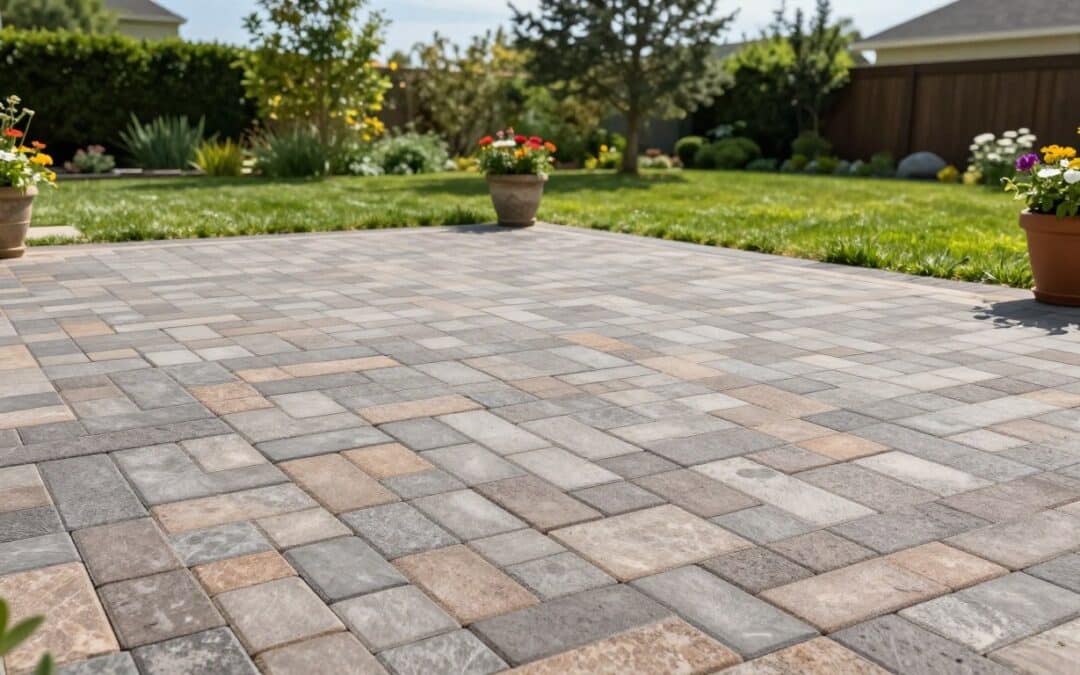
The photo file is paver-patio-sealing-new-england.jpg.
Key Takeaways
- Sealing is optional, not a required patio task.
- Clean, fully dry pavers are key to a sound application.
- Renewal timing varies by product and surface condition.
- Choose a treatment based on the finish and protection you want.
- Check for moisture or deposits before applying a product.
What sealing actually does
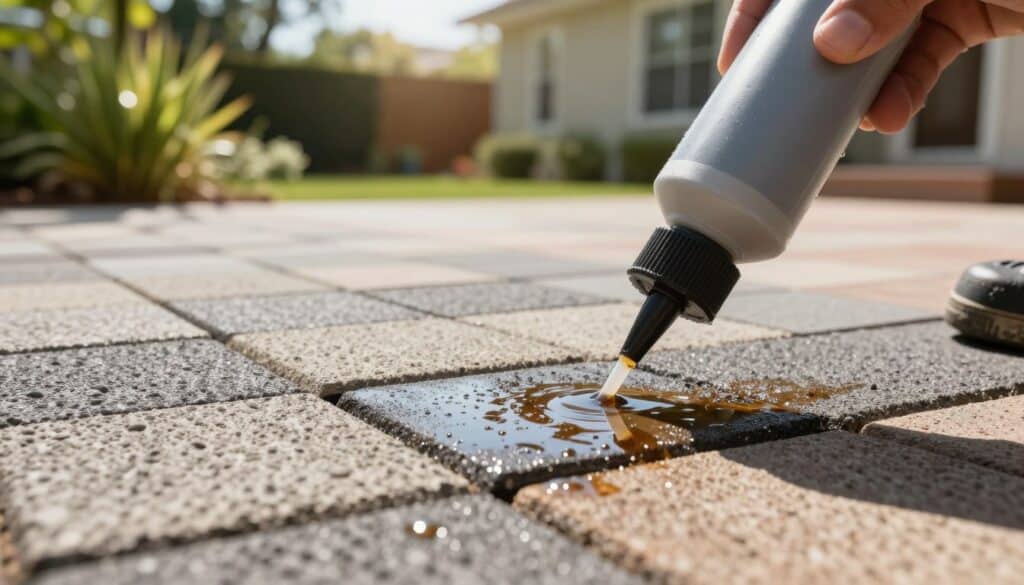
If oil spills on porous pavers, a penetrating sealer can reduce how much the spill sinks in. This treatment enters the material and helps resist water, oil, and other stains while keeping a natural look.
Efflorescence is white, chalky mineral deposits that can appear on masonry surfaces as moisture moves through them and evaporates. A sealer may make routine cleaning easier, but it cannot make pavers indestructible or prevent all weather damage.
Water-based paver sealers include penetrating formulas that dry with a natural, no-gloss finish. One listed natural-finish product covers up to 125 square feet per gallon, depending on surface porosity. That figure applies to that product, not every sealer.
A paver joint sealer serves a different purpose when you want to help stabilize joint sand. A surface sealer does not automatically stop weeds or ants, so check the product’s stated uses.
These surface benefits do not make sealing worthwhile for every patio. Some pavers need no treatment, while others need repairs first.
When it is a waste of money
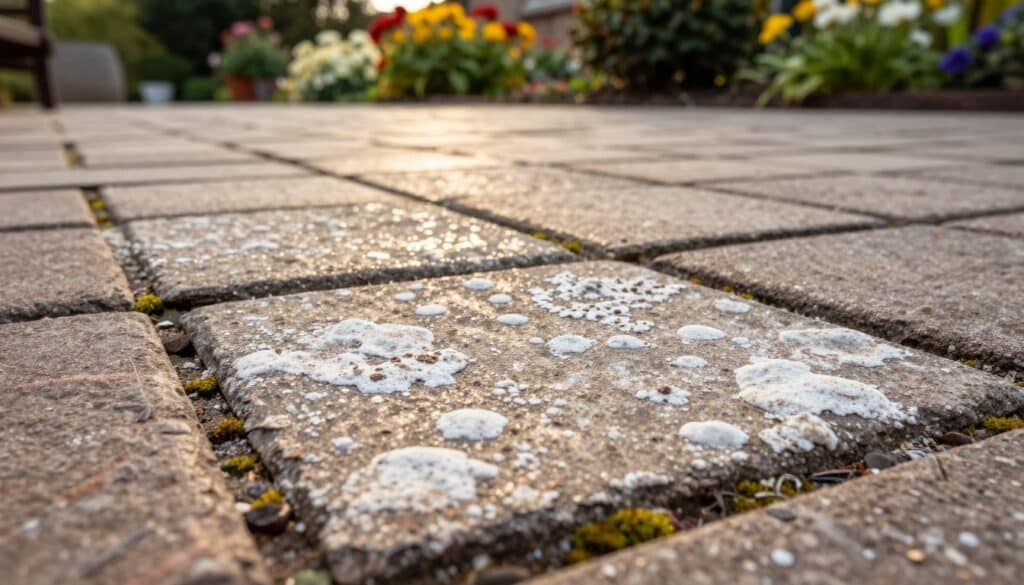
A lightly used patio may already look and work just as its owner wants. Sealing may add little value if you prefer natural weathering and do not need stain resistance or a changed appearance.
Wait if pavers stay damp, efflorescence keeps returning, or drainage problems remain. An unsuitable film-forming coating on a damp or incompatible surface can cause problems; this does not mean every sealer traps moisture.
Check these conditions before buying patio paver protection:
- Persistent dampness across the paver surface
- Recurring white deposits after cleaning
- Standing water or poor drainage near the patio
- An unknown or failing prior coating
Fix the cause of moisture or coating failure first. If you still want added protection afterward, compare the treatment choices and match one to the surface.
How paver protection options differ
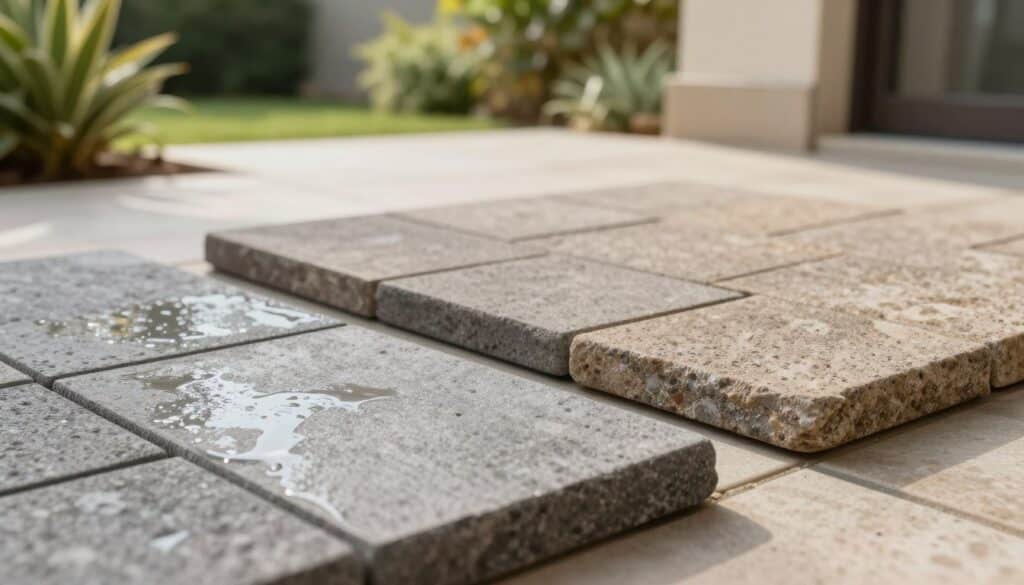
A homeowner who wants to keep the natural finish may choose a penetrating sealer. Someone who wants added sheen may prefer a film-forming sealer, but the right choice depends on the pavers and formula.
Each product can behave differently, so use the label to judge appearance and performance. A guide to paver protection also explains how sealers differ in finish and moisture handling.
Penetrating sealers for a natural finish
A penetrating sealer soaks into porous material instead of leaving a surface film. It can preserve a natural appearance, though the exact color change and level of protection depend on the formula and paver.
This option may suit you if you want the surface to look close to its untreated state. Check the label for the approved materials and the finish description.
Film-forming sealers for a changed appearance
A film-forming sealer leaves a layer on the surface. That layer may add sheen or deepen color, but the result varies by formula and paver type.
If you want a paver sealer with a wet look, confirm that exact finish on the product label. A glossy appearance is not promised by every film-forming product, and a surface layer may affect traction.
Breathable protectants for moisture-sensitive settings
A breathable protectant is designed to protect while allowing moisture vapor to pass. That feature may suit some settings where moisture movement matters, but it does not fix poor drainage or make every surface a match.
One listed breathable protectant covers up to 300 square feet per gallon and calls for reapplication every 3-5 years. Those are product-specific label details, not guarantees for all breathable protectants.
| Treatment type | Appearance | Surface action | Main consideration |
|---|---|---|---|
| Penetrating sealer | Often natural, formula-dependent | Soaks into porous material | Check material fit and stain claims |
| Film-forming sealer | May add sheen or color | Leaves a surface layer | Confirm finish and surface suitability |
| Breathable protectant | Often low-change, formula-dependent | Allows moisture vapor to pass | Does not correct drainage problems |
There is no single best paver sealer for every patio. Once you know the type and finish you want, estimate the amount needed, since coverage varies by product and paver porosity.
How much coverage does a paver sealer provide?
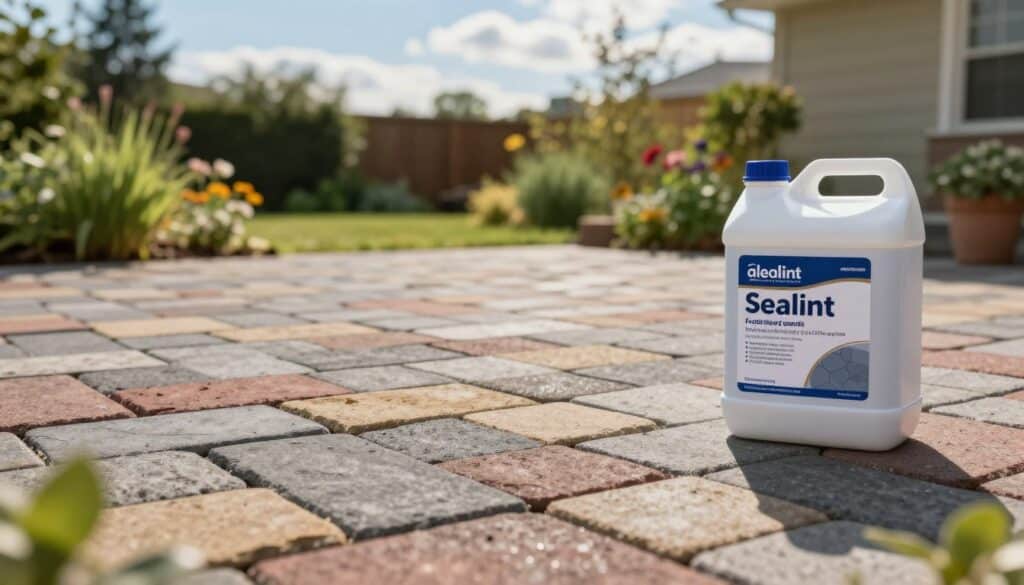
Measure the patio area, then use the product label’s coverage rate as an estimate. Actual coverage depends on porosity, surface condition, and application method, so the listed rate is not a guaranteed result.
How much does a 5 gallon bucket of paver sealer cover? One listed product’s maximum rate is 125 square feet per gallon, or up to 625 square feet for five gallons. More porous pavers may need more product.
| Quantity | Calculation at 125 square feet per gallon | Maximum labeled-rate example |
|---|---|---|
| 1 gallon | 1 × 125 | Up to 125 square feet |
| 5 gallons | 5 × 125 | Up to 625 square feet |
| 10 gallons | 10 × 125 | Up to 1,250 square feet |
This calculation shows one product’s listed maximum rate, not a general coverage promise. Check the label for product details, then account for the patio’s area and surface condition when comparing price.
After estimating the amount, choose an application window that allows the surface to dry and the product to cure.
Timing it around New England winters
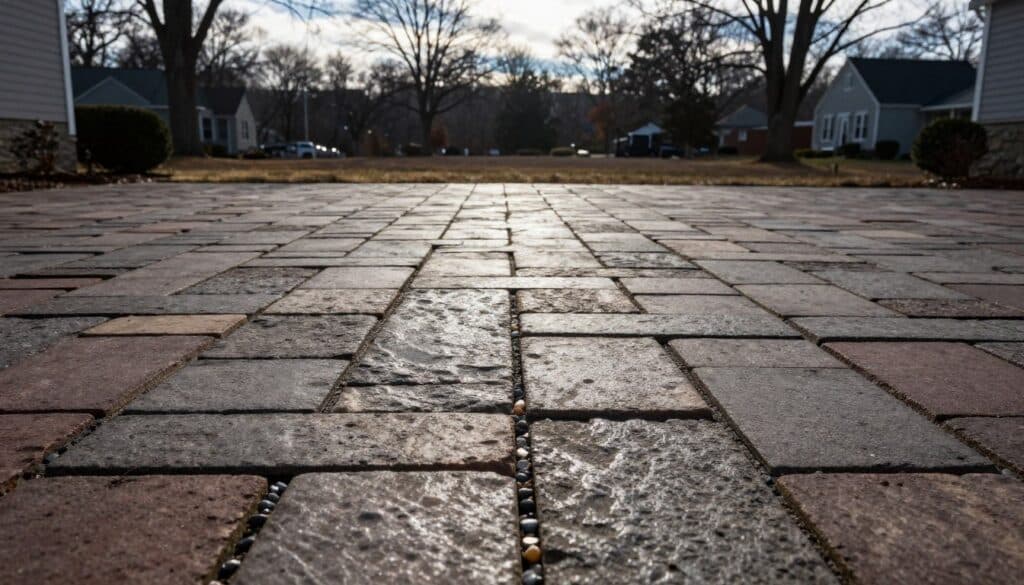
An early fall patio project needs a dry surface and a suitable forecast before winter arrives. Clean pavers must dry fully, and the application and curing window must fit the product label and local weather.
Repeated freeze-thaw cycles can damage porous surfaces over time as water enters and freezes. A sealer may help reduce water absorption, but it cannot remove all winter risk or prevent every kind of damage.
Choose a dry, mild application window
Plan around the label’s temperature limits and rain-free period. One listed sealer calls for application between 40°F and 80°F, at least two flood coats, and extra coats if surface porosity requires them.
That product’s directions specify a hand-pump garden sprayer. Other products may call for a different tool or coat pattern, so do not treat these instructions as universal.
Leave time for the surface to dry and cure
Leave enough time for pavers to dry before treatment and for the product to cure afterward. Rain, cold, and damp conditions can disrupt the window, so follow the selected product’s stated limits.
Concentrates also need careful mixing. One listed product uses 1 part concentrate to 7 parts water for a 2-gallon yield; another uses 1 part concentrate to 19 parts water for a 5-gallon yield.
Use the exact directions for your product rather than copying another formula’s mix. Before starting, check label fit, surface compatibility, and available application support.
How to choose a paver protection product or installer
Choose a product by its label and fit, not by appearance alone. The right paver protection depends on the material, finish, setting, and steps you can follow.
Product directions differ. One natural-finish sealer calls for at least two sprayed flood coats; another paver sealer says to brush or roll it on, wait 15 minutes, then remove excess before it dries.
Check the label against the pavers and the finish you want
Check compatibility with the exact paver material, including stone, the desired finish, and any existing coating. Confirm that the product suits an indoor or outdoor setting and the application method you plan to use.
Read the label’s cure conditions before starting. Painted pavers may need a product made for painted surfaces rather than an ordinary paver sealer.
Use these questions to compare paver protection products:
- Is the product compatible with this paver material?
- What finish will it leave?
- What preparation and application steps are required?
- How long must the area stay dry and unused?
Decide whether to apply it yourself or hire locally
For paver protection near me, ask a local installer how they prepare the surface and handle joint sand. Ask how they assess drainage, choose weather timing, and describe the expected finish.
Also ask how often the product may need renewal and what maintenance it needs. The best paver protection is the compatible choice for your surface, not a product that claims to suit every patio.
Ask how project terms treat staining and later cleaning. Some warranty terms exclude paver areas affected by stains or paver cleaning and maintenance work, so read the terms before hiring.
Make the decision based on surface condition, desired finish, and your ability to follow the application instructions.
Conclusion
Seal pavers when their condition and the finish you want justify the added treatment. If the patio already meets your needs, leaving it unsealed is a sound choice.
Renew the sealer according to its instructions and the surface’s condition, not a fixed calendar alone. Product results depend on a compatible formula and careful use.
Inspect the patio for dampness, efflorescence, and failing coatings. Then check the label for compatibility and timing before buying or applying anything.