
What Are Retaining Walls and Why Your Property Needs One
Retaining walls are engineered structures designed to hold back soil. They prevent erosion and create level areas on sloped properties. These walls transform unusable terrain into functional outdoor space.
The primary function of retaining walls extends beyond aesthetics. These structures manage water drainage effectively. They protect foundations from soil pressure and moisture damage. Property value increases significantly with properly installed retaining walls.
Core Functions of Retaining Wall Systems
Retaining walls serve multiple critical purposes on your property. Soil stabilization ranks as the primary function. The structure holds back earth on slopes and prevents downhill movement.
Water management becomes more effective with retaining walls. Built-in drainage systems channel moisture away from foundations. This prevents water accumulation that could cause damage to your property over time.
Usable space creation transforms sloped yards into functional areas. Level terraces provide room for gardens, patios, or lawn space. Properties gain valuable square footage for outdoor activities and landscape features.
When Your Ludlow Property Requires a Retaining Wall
Several indicators signal the need for retaining wall construction. Visible soil erosion patterns require immediate attention. Slumping earth near foundations threatens structural integrity of buildings.
Warning Signs
- Cracks appearing in existing walls or foundations
- Water pooling near building structures
- Soil washing away after rainfall
- Uneven or sinking landscape areas
- Difficulty maintaining slopes
Ideal Applications
- Hillside property development
- Driveway elevation changes
- Garden terrace creation
- Basement walkout construction
- Property boundary definition
New construction projects often require retaining walls for proper grading. Landscape redesign initiatives benefit from strategic wall placement. Commercial properties use these structures for parking lot terracing and site development.
Why Concrete Block Construction Delivers Superior Results
Concrete block materials offer distinct advantages for retaining wall construction. Durability stands unmatched among available materials. These blocks withstand harsh New England weather conditions year after year.
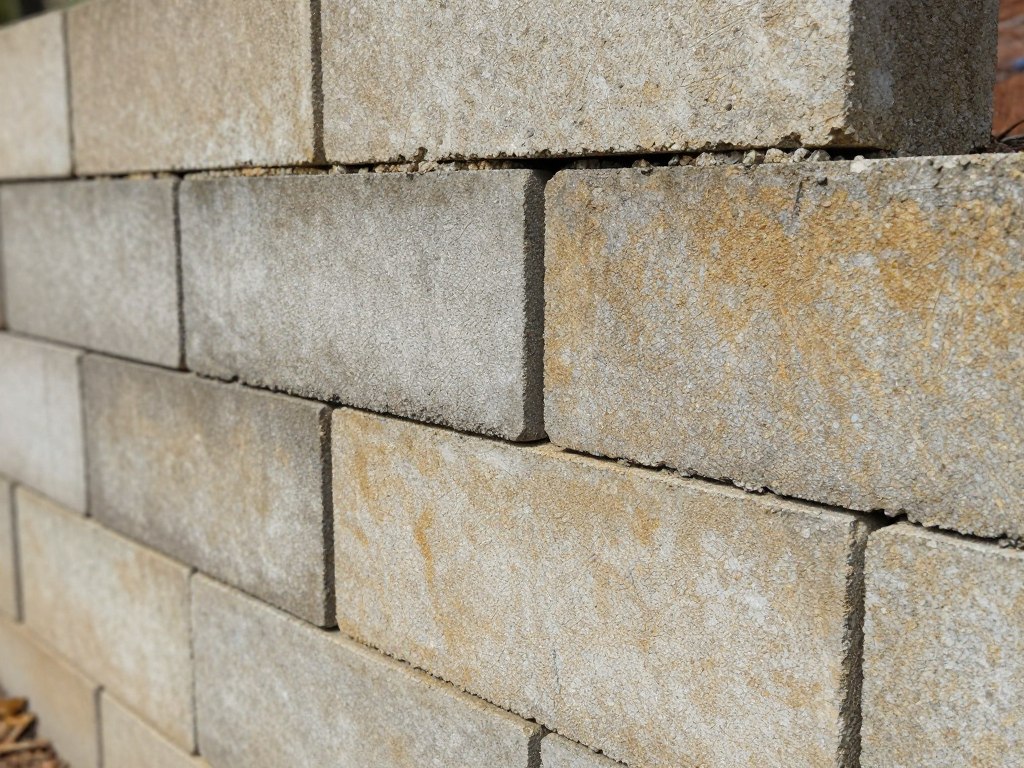
Installation flexibility makes concrete blocks ideal for various projects. The modular design allows for curves and angles. Complex landscape features become achievable with proper planning and execution.
Material Strength and Longevity
Concrete blocks provide exceptional structural integrity. The dense composition resists pressure from retained soil. Properly installed walls last fifty years or more with minimal maintenance requirements.
Freeze-thaw cycles pose challenges in Ludlow winters. Concrete blocks handle temperature extremes without cracking. The material composition allows for slight expansion and contraction without structural failure.
Weight distribution occurs evenly across the wall structure. Each block interlocks with adjacent units for stability. This design eliminates weak points that could compromise the entire system over time.
Ready to Build Your Retaining Wall?
St Clair Landscaping brings decades of experience to every project. Our expert team ensures proper installation for long-lasting results.
Design Versatility and Aesthetic Options
Color choices range from natural stone appearance to contemporary finishes. Manufacturers offer dozens of style options. Your retaining wall can complement existing architecture and landscape design seamlessly.
Texture variations create visual interest and depth. Smooth finishes provide modern elegance. Rough-hewn surfaces mimic natural stone for traditional aesthetics. The appearance suits any property style or personal preference.
Natural Stone Look
Realistic texture and color variation mimics quarried stone. Perfect for traditional New England properties.
Contemporary Smooth
Clean lines and uniform appearance suit modern architecture. Creates sleek, sophisticated landscape features.
Textured Finishes
Split-face and weathered options add dimensional interest. Complements both classic and transitional designs.
Cost-Effectiveness for Long-Term Value
Initial investment in concrete blocks proves economical over time. Lower maintenance requirements reduce ongoing expenses. Replacement costs remain minimal compared to other materials that deteriorate faster.
Installation efficiency keeps labor costs reasonable. The modular nature allows faster construction than poured concrete. Projects complete on schedule without weather-related delays affecting curing times.
Property value increases significantly with quality retaining walls. Functional landscape space appeals to future buyers. The investment returns substantial value through enhanced property appeal and usability.
Types of Concrete Blocks for Retaining Walls in Ludlow
Multiple concrete block systems serve different project requirements. Understanding available options helps property owners make informed decisions. Each type offers specific benefits for particular applications and site conditions.
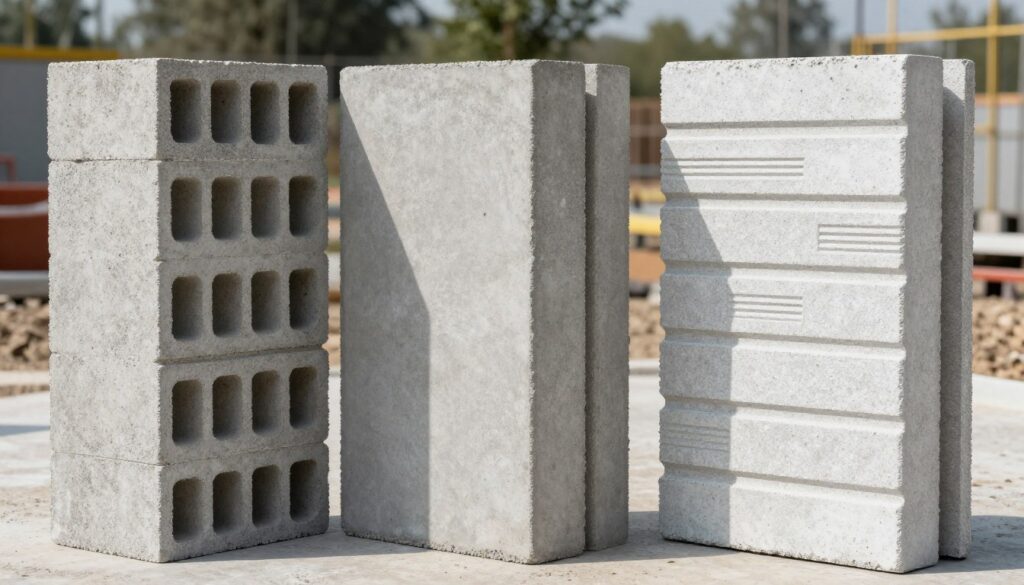
Interlocking Concrete Block Systems
Interlocking blocks feature precision-engineered connection points. Lips and grooves ensure proper alignment during installation. This design creates inherent stability without requiring mortar or adhesives.
The system relies on gravity and friction for structural integrity. Weight distribution occurs automatically through the interlocking design. Walls resist lateral pressure effectively while remaining flexible enough to accommodate minor ground movement.
Installation speed increases significantly with interlocking systems. Workers position blocks quickly with minimal adjustment needed. The design reduces labor costs while maintaining high quality standards for finished walls.
Segmental Retaining Wall Units
Segmental units offer maximum design flexibility for complex projects. These blocks accommodate curves and radius walls easily. Manufacturers engineer units specifically for varying angles and wall heights.
Drainage capabilities integrate directly into segmental block design. Built-in channels allow water passage through the wall structure. This prevents hydrostatic pressure buildup that could compromise wall integrity over time.
Advantages of Segmental Systems
- Exceptional curve capability for landscape designs
- Integrated drainage reduces moisture problems
- Wide variety of colors and textures available
- Suitable for walls up to substantial heights
- Easy replacement of individual damaged units
Considerations
- Higher initial material costs than basic blocks
- Requires skilled installation for optimal results
- Complex projects need engineering consultation
- Base preparation must be extremely precise
Standard Concrete Masonry Units
Traditional concrete blocks provide economical solutions for many applications. These rectangular units work well for straight wall sections. Commercial properties often utilize standard blocks for utilitarian structures.
Reinforcement options enhance strength for taller walls. Steel rebar fits through hollow cores for added stability. Concrete fill transforms hollow blocks into solid structural elements when needed.
Surface treatment options allow customization of standard blocks. Stucco, stone veneer, or paint create desired appearances. The basic structure provides strength while finishes deliver aesthetic appeal.
Decorative Faced Concrete Blocks
Decorative blocks combine structural performance with premium aesthetics. One or more faces feature attractive finishes or textures. The other sides remain functional for proper installation and stability.
These blocks eliminate the need for separate facing materials. Cost savings result from simplified construction processes. Projects achieve upscale appearance without complex multi-material installation requirements.
Call (413) 566-8866 today! Discuss the Best Concrete Block Options for Your Project
Professional Installation Process for Concrete Block Retaining Walls
Proper installation determines retaining wall performance and longevity. St Clair Landscaping and Irrigation LLC follows proven construction methods. Each project phase receives careful attention to ensure structural integrity and lasting beauty.
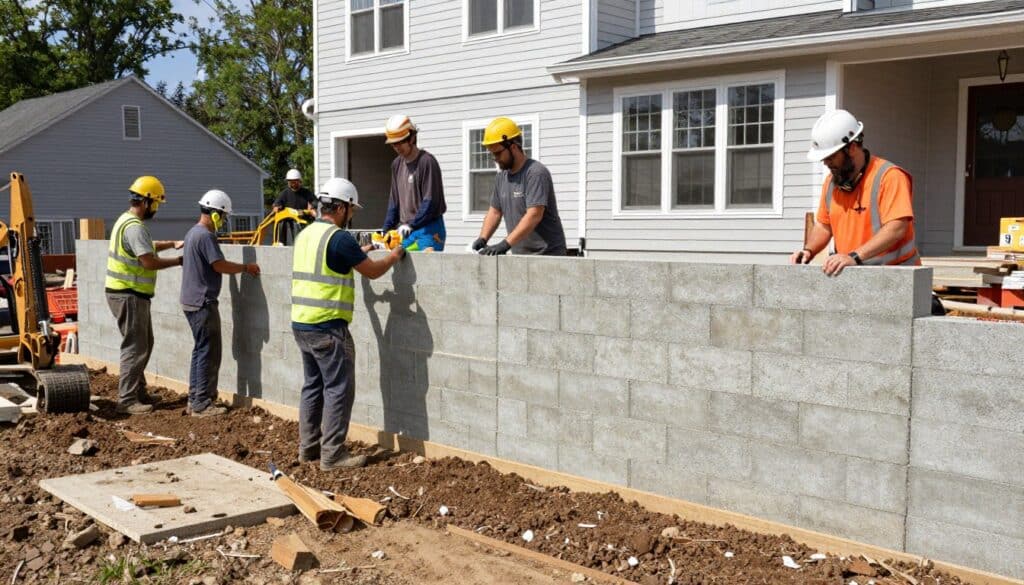
Site Evaluation and Design Planning
Initial assessment identifies all relevant site conditions. Soil type affects wall design and drainage requirements. Slope angle determines necessary wall height and reinforcement needs.
Underground utilities require location before excavation begins. We contact utility companies for marking services. This prevents costly damage and dangerous situations during construction activities.
Design specifications account for intended wall function. Load calculations ensure adequate strength for soil retention. Aesthetic preferences integrate into structural planning from the project start.
- Conduct thorough site inspection and measurements
- Analyze soil composition and drainage patterns
- Create detailed design drawings with specifications
- Obtain necessary permits from local authorities
- Schedule material delivery and crew assignments
Excavation and Base Preparation
Foundation preparation proves critical for wall stability. Excavation depth extends below frost line to prevent heaving. The trench width accommodates the wall base plus working space.
Compacted gravel creates a stable, level foundation. Base material depth typically ranges from four to six inches. Proper compaction prevents settling that could compromise wall alignment over time.
Drainage installation occurs during base preparation. Perforated pipe placement behind the wall directs water away. Gravel backfill surrounds pipes to maintain flow capacity and prevent clogging.
Block Installation and Wall Construction
First course placement establishes wall alignment and level. This bottom row requires meticulous attention to detail. Even slight deviations multiply through upper courses, affecting final wall quality.
Each subsequent course follows manufacturer specifications exactly. Block positioning accounts for designed setback or batter. The slight backward lean increases stability and improves appearance.
| Installation Phase | Key Requirements | Quality Checkpoints | Typical Timeline |
| Base Preparation | Compacted gravel, level surface, proper depth | Grade verification, compaction testing | 1-2 days |
| First Course | Precise leveling, proper alignment | Laser level verification, spacing check | Half day |
| Wall Construction | Consistent setback, block interlock | Batter angle, joint alignment | 2-4 days |
| Drainage System | Pipe placement, gravel backfill | Slope verification, outlet location | 1 day |
| Backfilling | Proper material, staged compaction | Compaction tests, wall alignment | 1-2 days |
| Cap Installation | Adhesive application, level placement | Secure attachment, appearance | Half day |
Geogrid reinforcement integrates at specified intervals for taller walls. These fabric sheets extend into backfill material. The reinforcement increases wall capacity to retain soil pressure significantly.
Drainage System Integration
Effective drainage prevents water pressure buildup behind walls. Perforated drainage pipes run along the wall base. Gravel-filled zones allow water movement to drain outlets.
Weep holes provide additional drainage at the wall face. Strategic placement ensures moisture escapes rather than accumulating. This prevents staining and extends wall lifespan considerably.
Surface water management complements subsurface drainage systems. Grading directs runoff away from wall areas. Proper slope prevents water from flowing toward retained soil zones.
Backfilling and Final Grading
Backfill material selection affects wall performance significantly. Free-draining gravel or crushed stone works best. This material allows water passage while providing structural support.
Staged compaction prevents excessive pressure on new walls. Material placement occurs in lifts of six to eight inches. Each layer receives compaction before adding the next level.
Final grading creates proper water flow patterns. Slopes direct surface water away from the wall structure. Top soil placement allows for landscaping that enhances wall appearance and function.
Expert Installation Ensures Lasting Performance
St Clair Landscaping and Irrigation LLC has installed hundreds of retaining walls throughout Ludlow. Our experienced team delivers quality results on every project.
Call (413) 566-8866 today! for Professional Installation
Design Considerations for Concrete Block Retaining Walls
Successful retaining walls balance functionality with aesthetic appeal. Design choices affect both structural performance and property appearance. Careful planning creates features that enhance landscape value while solving practical problems.
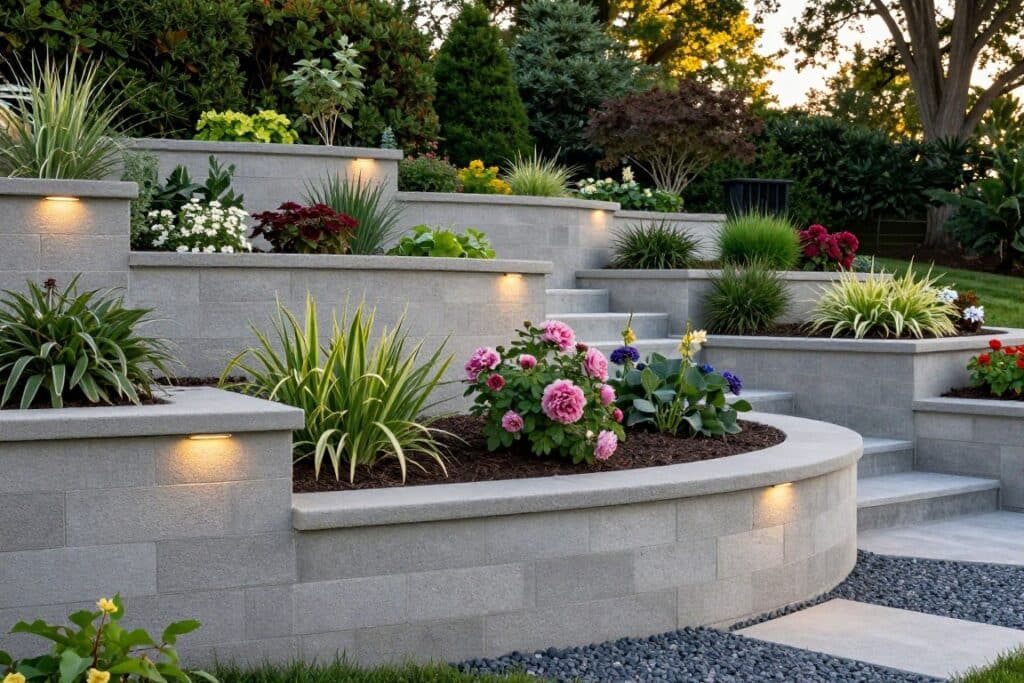
Height and Structural Requirements
Wall height determines engineering and reinforcement needs. Walls under four feet often require minimal engineering. Taller structures demand professional calculations and possible building permits.
Local building codes specify requirements for retaining walls. Ludlow regulations address height limits and setback requirements. Compliance ensures safety and prevents future legal complications with property improvements.
Load-bearing capacity increases with proper reinforcement methods. Geogrid layers add strength without excessive cost. Strategic placement maximizes effectiveness while maintaining construction efficiency.
Curves, Angles, and Layout Options
Curved walls create visual interest and complement natural landscapes. Radius calculations ensure blocks fit properly without gaps. Special units designed for curves simplify complex wall layouts.
Corner construction requires specific techniques for strength. Inside and outside corners demand different block arrangements. Professional installation ensures corners maintain structural integrity under soil pressure.
Layout Principles
Effective retaining wall design follows established principles that ensure both beauty and function. Consider these essential factors during planning.
- Follow natural contours when possible
- Create terraced levels for steep slopes
- Plan access points and stairs strategically
- Allow for future landscape additions
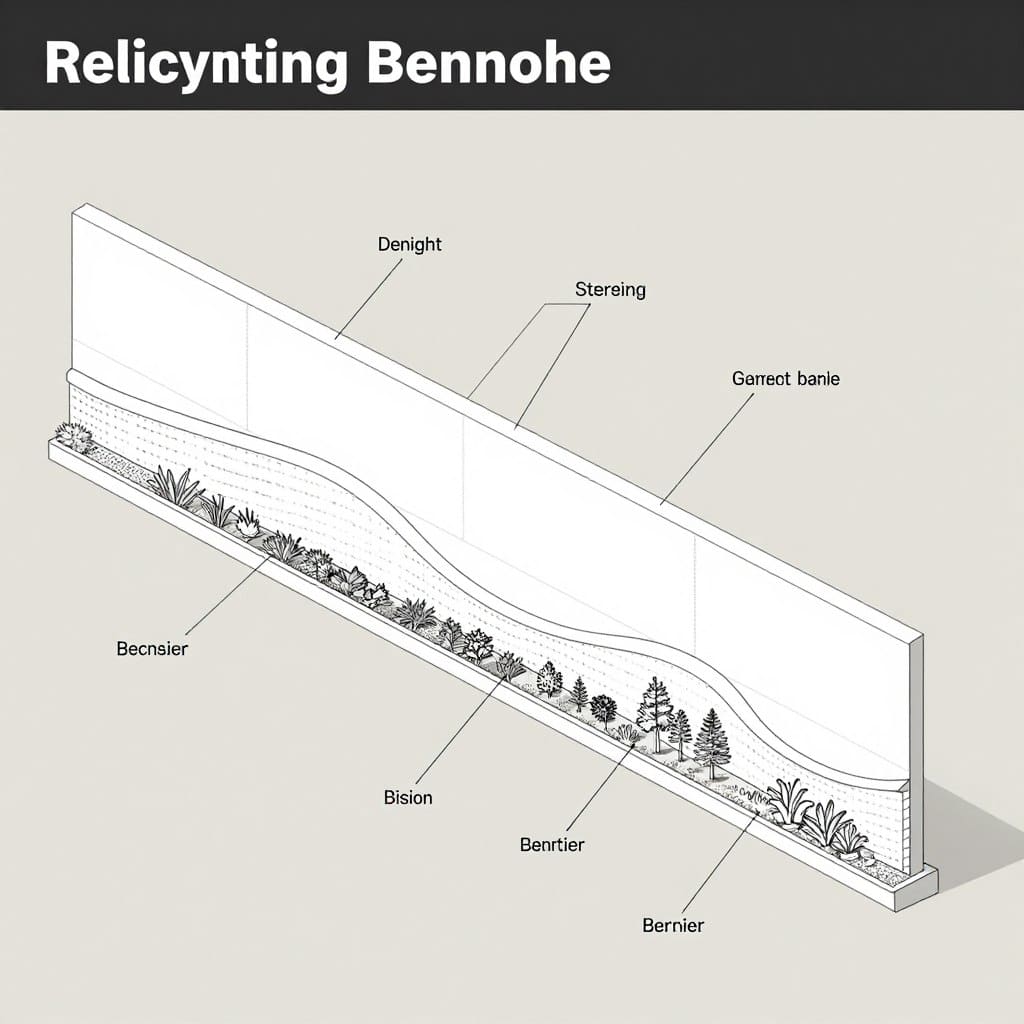
Color Selection and Aesthetic Integration
Block color should complement existing property features. Natural earth tones blend with traditional New England architecture. Contemporary colors suit modern design preferences and create bold statements.
Multiple colors within a single project add depth and visual interest. Random color blending mimics natural stone appearance. Banding creates horizontal lines that emphasize wall length and proportion.
Surrounding landscape elements influence color choices significantly. Consider plant selections, hardscape materials, and building colors. Cohesive design creates harmonious outdoor spaces that enhance property value.
Integrating Steps and Access Features
Built-in steps provide functional access between levels. Step design must account for comfortable riser and tread dimensions. Safety considerations include proper depth and non-slip surfaces.
Lighting integration enhances safety and appearance. Low-voltage systems illuminate steps and wall faces. Strategic placement creates dramatic nighttime effects while improving visibility.
Access points should align with traffic patterns and usage needs. Frequent access areas require wider, more gradual approaches. Occasional-use zones can accommodate steeper, narrower passages.
Essential Materials and Components for Retaining Wall Construction
Quality materials ensure retaining wall longevity and performance. Each component serves specific functions within the complete system. Understanding material roles helps property owners appreciate construction quality and value.
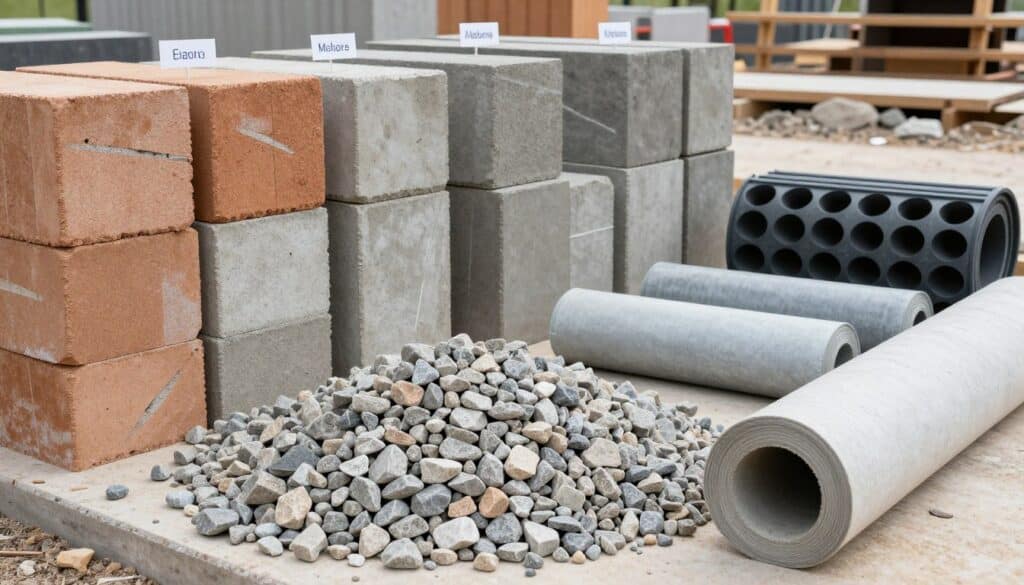
Concrete Block Selection Criteria
Block quality varies significantly among manufacturers and product lines. Compression strength ratings indicate load-bearing capacity. Higher ratings cost more but provide superior performance for demanding applications.
Dimensional consistency affects installation ease and final appearance. Premium blocks maintain tight tolerances across production runs. This precision simplifies construction and improves finished wall quality.
Density influences weight, strength, and durability characteristics. Denser blocks resist freeze-thaw damage more effectively. The added weight also contributes to overall wall stability through increased mass.
Standard Grade Blocks
- Economy pricing for budget projects
- Adequate for walls under three feet
- Limited color and texture options
- Basic dimensional tolerances
- Suitable for utilitarian applications
Premium Grade Blocks
- Superior strength ratings
- Extensive aesthetic options
- Tight dimensional tolerances
- Enhanced durability features
- Ideal for visible, high-quality projects
Specialty Blocks
- Designed for specific applications
- Curved wall compatibility
- Integrated drainage features
- Unique aesthetic treatments
- Premium pricing reflects specialization
Base and Drainage Materials
Crushed stone creates stable, draining base foundations. Angular particles interlock when compacted properly. Size gradation affects both stability and drainage performance.
Base depth requirements depend on soil conditions and wall height. Minimum depths start at four inches for small walls. Larger structures may require eight inches or more of compacted base material.
Drainage aggregate differs from base material in several ways. Larger, uniform stones create void space for water movement. Clean stone without fines prevents drainage system clogging over time.
Reinforcement and Stabilization Systems
Geogrid fabric provides tensile reinforcement for retained soil. These engineered textiles extend back into the fill zone. Friction between fabric and soil creates a reinforced mass that resists movement.
Grid spacing and strength ratings match specific project requirements. Engineering calculations determine placement intervals and product specifications. Proper installation maximizes reinforcement effectiveness.
Fabric barriers prevent soil migration into drainage zones. These permeable materials allow water passage while blocking particles. Strategic placement maintains drainage system function throughout wall lifespan.
Cap Stones and Finishing Materials
Cap units provide finished appearance and weather protection. These specialized blocks often feature different profiles than wall units. Flat caps create seating areas while beveled caps shed water effectively.
Adhesive bonds cap stones to the top wall course. Construction adhesive designed for masonry ensures secure attachment. This prevents displacement from frost heave or physical impact.
Color coordination between caps and wall blocks creates cohesive appearance. Contrasting caps add visual definition to wall tops. Matching tones provide subtle, integrated aesthetics.
Call (413) 566-8866 today! Get Expert Material Recommendations for Your Project
Cost Factors for Concrete Block Retaining Walls in Ludlow
Retaining wall project costs vary based on multiple factors. Understanding price components helps property owners budget appropriately. St Clair Landscaping and Irrigation LLC provides transparent pricing for all installations.

Material Cost Variables
Block selection significantly impacts overall project expense. Basic concrete blocks start at lower price points. Premium decorative units with special finishes cost substantially more per unit.
Wall height directly affects material quantities needed. Taller walls require more blocks, reinforcement, and backfill material. Foundation requirements also increase with wall height specifications.
Wall length multiplies per-foot costs across the entire project. Longer walls need proportionally more materials and labor time. Quantity discounts may apply for large-scale projects requiring extensive materials.
| Cost Component | Low Range | Mid Range | High Range | Factors Affecting Cost |
| Concrete Blocks | $3-5 per block | $6-10 per block | $12-20+ per block | Style, finish, manufacturer |
| Base Material | $30-40 per ton | $40-50 per ton | $50-70 per ton | Type, delivery distance |
| Drainage Stone | $35-45 per ton | $45-60 per ton | $60-80 per ton | Size, cleanliness, source |
| Geogrid | $0.50-1 per sq ft | $1-2 per sq ft | $2-4 per sq ft | Strength rating, brand |
| Cap Stones | $5-8 per unit | $8-15 per unit | $15-30 per unit | Style, size, finish quality |
Labor and Installation Expenses
Professional installation ensures structural integrity and longevity. Experienced crews complete projects efficiently with quality results. Labor costs reflect skill level, project complexity, and regional wage rates.
Site accessibility affects installation time and equipment needs. Easy access allows standard equipment usage and efficient workflows. Challenging sites require additional labor hours and specialized equipment.
Excavation requirements vary based on existing conditions. Rocky soil increases excavation difficulty and time. Soft soils may need additional base preparation for adequate stability.
Additional Project Considerations
Permits and engineering add to total project costs. Building departments charge fees for permit applications and inspections. Engineering services ensure compliance with local codes and structural standards.
Site preparation may reveal unexpected conditions. Hidden utilities require relocation or protection measures. Poor soil conditions necessitate additional foundation work or soil stabilization.
Landscaping restoration completes the project aesthetically. Disturbed areas need grading, topsoil, and plant replacement. Including restoration in initial budgets prevents surprise expenses.
Get Accurate Pricing for Your Retaining Wall Project
St Clair Landscaping provides detailed estimates with transparent pricing. We evaluate your specific site conditions and design requirements for accurate cost projections.
Long-Term Value and Return on Investment
Quality retaining walls add substantial property value. Real estate appraisers recognize functional landscape improvements. Well-designed walls often return seventy to one hundred percent of installation cost.
Maintenance costs remain minimal with proper installation. Concrete blocks resist deterioration and require little upkeep. Occasional cleaning and minor repairs keep walls looking attractive for decades.
Energy efficiency improvements occur with strategic wall placement. Windbreaks created by walls reduce heating costs. Proper drainage prevents foundation moisture problems that increase energy usage.
Maintenance and Care for Concrete Block Retaining Walls
Proper maintenance extends retaining wall lifespan significantly. Regular inspections identify minor issues before major repairs become necessary. Simple care procedures protect your investment and maintain appearance.
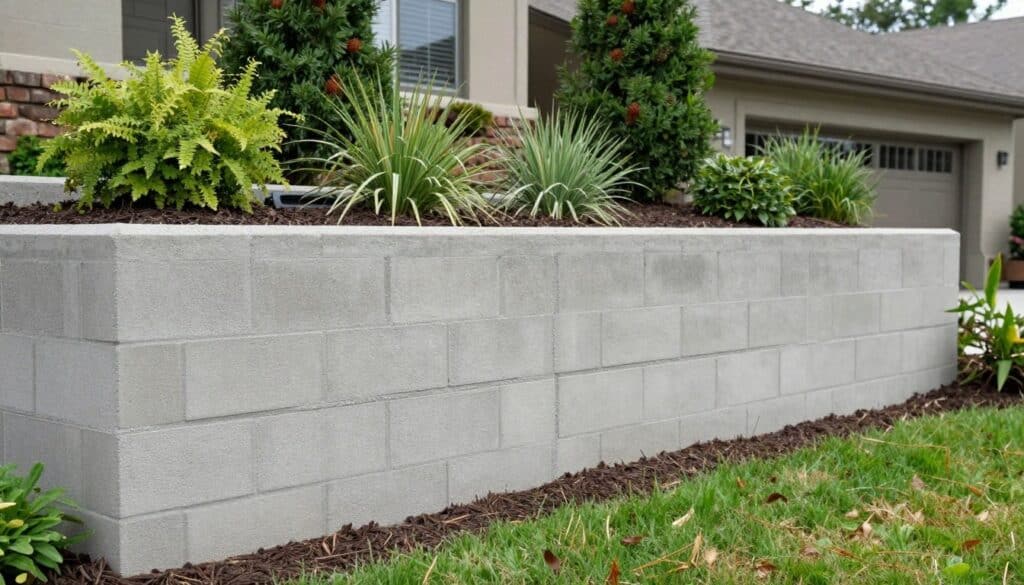
Routine Inspection Procedures
Annual inspections should occur each spring after winter freeze-thaw cycles. Check for visible cracks, bulging, or leaning sections. These indicators signal potential structural problems requiring professional assessment.
Drainage system function requires regular verification. Ensure water flows freely from weep holes and outlets. Blocked drainage creates hydrostatic pressure that damages walls over time.
Joint condition between blocks affects overall integrity. Look for separation or shifting between individual units. Minor movement caught early prevents progressive failure of larger wall sections.
- Examine entire wall length for alignment changes
- Test weep hole function after heavy rainfall
- Inspect cap stone attachment and stability
- Check for soil erosion behind or below wall
- Verify proper grade and water flow patterns
- Look for vegetation growth in joints
- Assess staining or efflorescence patterns
Cleaning and Appearance Maintenance
Regular cleaning prevents buildup that degrades block surfaces. Simple washing with water removes most dirt and organic matter. Pressure washing provides deeper cleaning for stubborn stains.
Efflorescence appears as white powder on block faces. This mineral deposit comes from water migration through concrete. Brushing with stiff bristles removes surface deposits effectively.
Stain treatment depends on the source material. Rust stains require different products than organic stains. Always test cleaning solutions on inconspicuous areas before widespread application.
Drainage System Maintenance
Weep hole clearing should occur at least annually. Use thin wire or water pressure to remove blockages. Proper function prevents moisture accumulation behind wall structures.
Outlet pipes require periodic inspection and cleaning. Ensure water flows freely to designated discharge areas. Blocked outlets defeat entire drainage system effectiveness.
Surface grading maintenance directs water away from walls. Erosion can alter slopes over time. Restore proper grades to prevent water from flowing toward retained soil.
Addressing Minor Repairs
Small cracks in individual blocks rarely threaten structural integrity. Monitor crack progression through regular documentation. Stable cracks need no immediate intervention beyond monitoring.
Loose cap stones require re-attachment with appropriate adhesive. Remove old adhesive completely before reapplication. Ensure clean, dry surfaces for maximum bond strength.
Vegetation removal from joints prevents root damage. Plants growing in walls create pressure and moisture problems. Remove vegetation promptly including root systems when possible.
Preventive Maintenance Schedule
Following a regular maintenance schedule prevents costly repairs and extends wall lifespan considerably.
- Spring: Complete inspection after winter
- Summer: Clean surfaces, check vegetation
- Fall: Clear debris, verify drainage
- Winter: Monitor during freeze-thaw
- Annual: Professional assessment for tall walls
When to Call Professionals
Some conditions require expert evaluation and repair to prevent progressive damage.
- Visible bulging or leaning sections
- Significant cracking patterns
- Drainage system failures
- Foundation settlement evidence
- Major staining or deterioration
Ludlow-Specific Considerations for Retaining Walls
Local climate and soil conditions affect retaining wall design and performance. Ludlow property owners face specific challenges requiring informed solutions. Understanding regional factors ensures successful project outcomes.
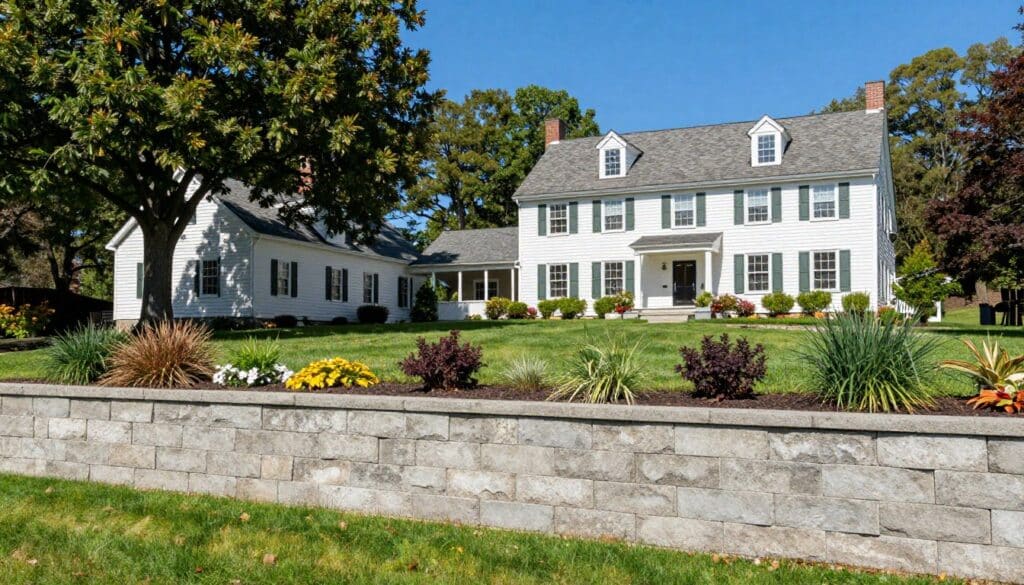
Climate Impact on Wall Design
New England winters demand frost-resistant construction methods. Foundation depth must extend below frost line. Ludlow’s frost line typically reaches forty-eight inches or deeper.
Freeze-thaw cycles challenge retaining wall materials annually. Moisture in concrete can expand when frozen. Quality blocks resist this stress through proper composition and manufacturing processes.
Snow load considerations affect cap stone selection and attachment. Heavy snow accumulation creates additional weight on wall structures. Secure cap attachment prevents displacement during winter months.
Soil Conditions in Ludlow Area
Local soils vary from sandy loam to heavy clay. Soil type affects drainage requirements and wall design. Clay soils retain moisture and create higher pressure against walls.
Bedrock depth varies across Ludlow properties. Shallow bedrock complicates excavation and base preparation. Deep excavation costs increase significantly when bedrock is encountered.
Soil testing reveals bearing capacity and drainage characteristics. Professional analysis informs foundation design decisions. This prevents failures caused by inadequate base support.
Regulatory Requirements and Permits
Ludlow building codes govern retaining wall construction. Walls exceeding certain heights require building permits. Permit requirements ensure compliance with safety standards.
Setback requirements affect wall placement near property lines. Local zoning ordinances specify minimum distances from boundaries. Verify regulations before finalizing wall locations.
Historic district properties face additional restrictions. The Historic Commission reviews proposed changes to properties. Compliance ensures preservation of neighborhood character and property values.
Ludlow Building Department Contact
Before starting your retaining wall project, contact the Ludlow Building Department to verify permit requirements and regulations specific to your property location and project scope.
Local Landscape Integration
Native plants complement retaining wall installations effectively. Species adapted to local conditions require less maintenance. Hardy perennials thrive in Ludlow’s climate and enhance wall appearance.
Traditional New England aesthetics influence design choices. Natural stone appearance blocks suit colonial and traditional architecture. Contemporary properties benefit from modern concrete finishes and clean lines.
Seasonal color changes affect landscape planning around walls. Spring bulbs, summer perennials, and fall foliage create year-round interest. Strategic planting enhances retaining wall aesthetics throughout seasons.
Planning Your Concrete Block Retaining Wall Project
Successful projects begin with thorough planning and preparation. Understanding the complete process helps property owners make informed decisions. St Clair Landscaping and Irrigation LLC guides clients through every project phase.
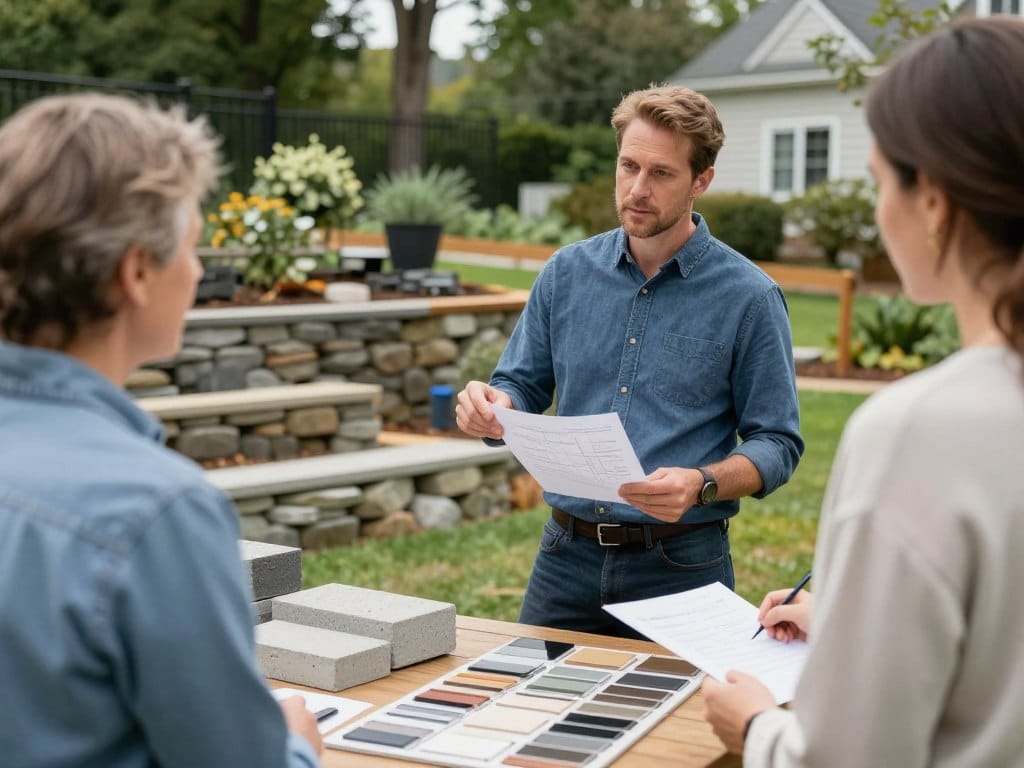
Initial Consultation and Site Assessment
Professional evaluation identifies all relevant site factors. Our team examines slope conditions, drainage patterns, and soil characteristics. This information guides design recommendations and material selections.
Property goals discussion clarifies intended wall functions. Whether preventing erosion, creating level space, or enhancing aesthetics, understanding objectives shapes design decisions. Multiple functions often combine in single projects.
Budget parameters established early guide material and design choices. Transparent cost discussions prevent misunderstandings. We develop solutions that meet both functional needs and financial constraints.
Design Development Process
Preliminary designs illustrate proposed wall configurations. Sketches show wall placement, height, and basic features. This visualization helps property owners understand project scope and appearance.
Material selection follows design concept approval. We present concrete block options matching aesthetic preferences and budget. Color samples and texture examples facilitate confident decisions.
Final plans include detailed specifications and measurements. These documents guide construction and serve permitting requirements. Accurate planning prevents costly changes during construction.
- Schedule initial property consultation
- Discuss project goals and budget parameters
- Receive preliminary design concepts
- Review and select materials and colors
- Approve final plans and specifications
- Obtain necessary permits and approvals
- Schedule construction timeline
Timeline and Scheduling Considerations
Project duration depends on wall size and complexity. Small residential walls may complete in several days. Larger commercial installations require weeks of construction time.
Weather conditions affect construction scheduling significantly. Extreme cold or heavy rain delays progress. We schedule projects during favorable weather windows when possible.
Material availability influences project start dates. Custom color blocks may require extended lead times. Early ordering ensures materials arrive when construction begins.
Selecting the Right Contractor
Experience with retaining wall construction proves essential. General landscapers may lack specialized wall expertise. Choose contractors with proven track records in retaining wall installation.
Local references provide insight into contractor quality. Contact previous clients about their project experiences. Satisfied customers indicate reliable service and quality workmanship.
Insurance and licensing protect property owners from liability. Verify contractor coverage before signing contracts. Proper credentials demonstrate professionalism and accountability.
Partner with Ludlow’s Retaining Wall Experts
St Clair Landscaping and Irrigation LLC brings years of experience to every retaining wall project. Our team handles everything from initial planning through final completion.
Residential and Commercial Applications
Concrete block retaining walls serve diverse property types and purposes. Residential and commercial projects share similar construction principles. However, each application presents unique requirements and design considerations.
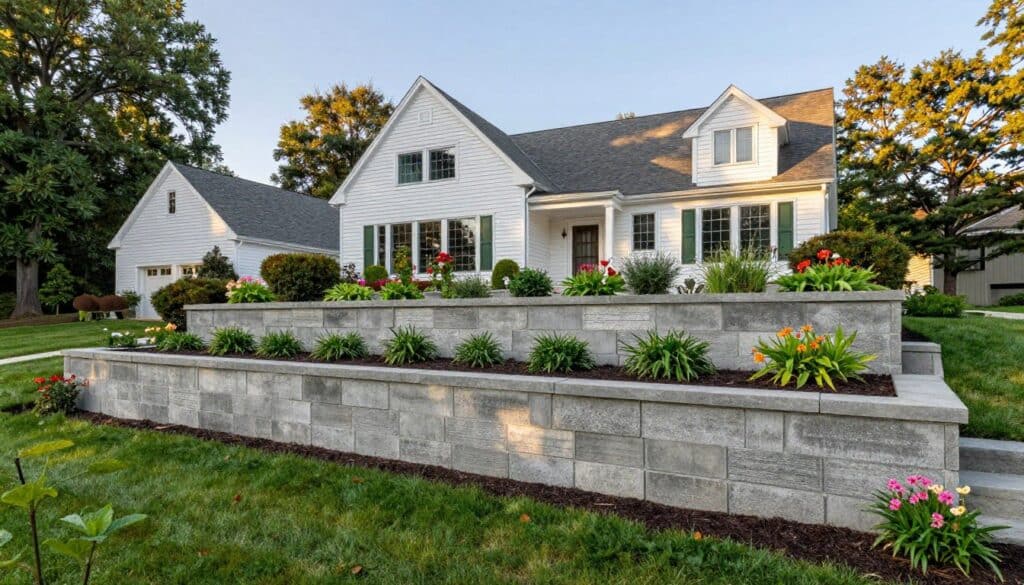
Residential Property Solutions
Homeowners benefit from retaining walls in multiple ways. Sloped yards transform into functional outdoor living spaces. Level areas accommodate patios, gardens, and recreational features.
Driveway approaches often require retaining walls for grade changes. These structures create safe, accessible entry to homes. Proper design integrates walls seamlessly with residential architecture.
Backyard privacy increases with strategic wall placement. Raised garden beds created by walls block sight lines. The added elevation provides natural screening from neighboring properties.
Garden Terracing
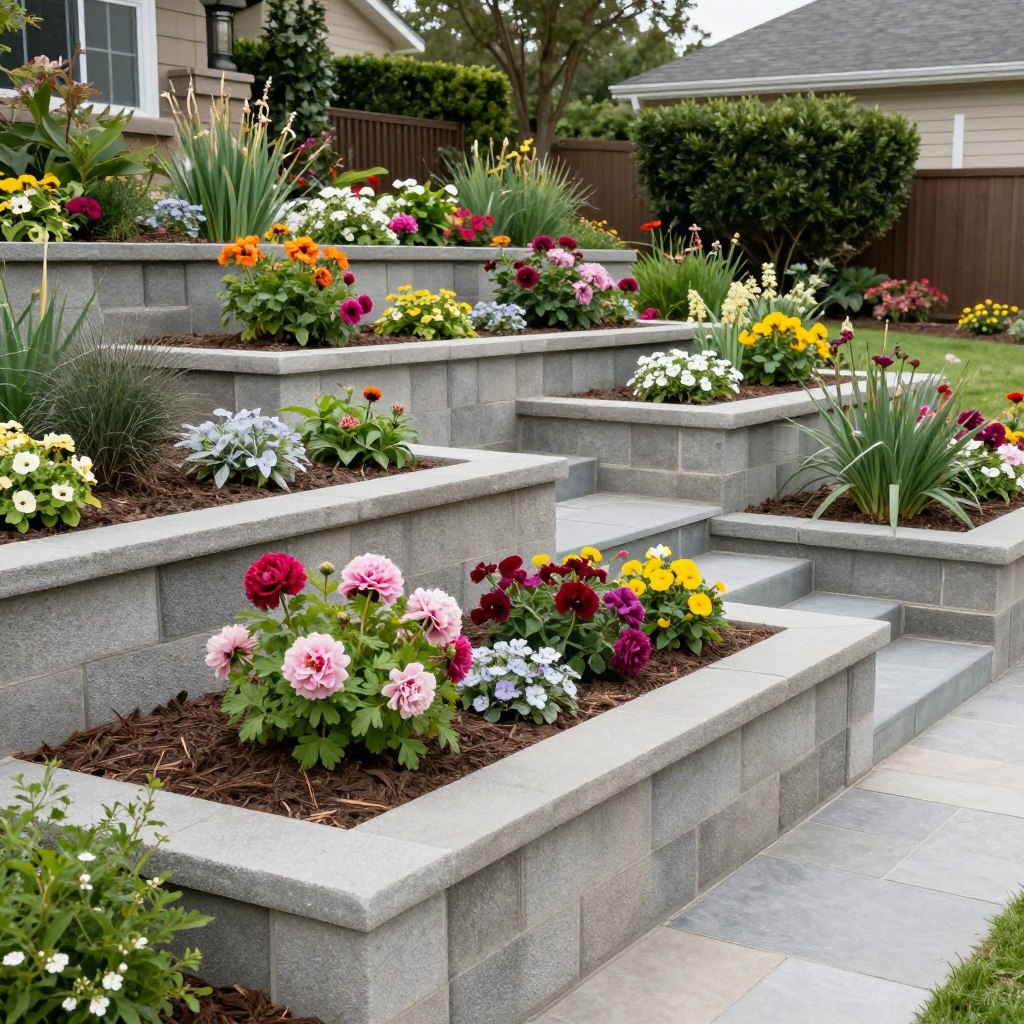
Multiple level gardens maximize planting space on slopes. Each terrace provides ideal growing conditions for different plants.
Patio Creation
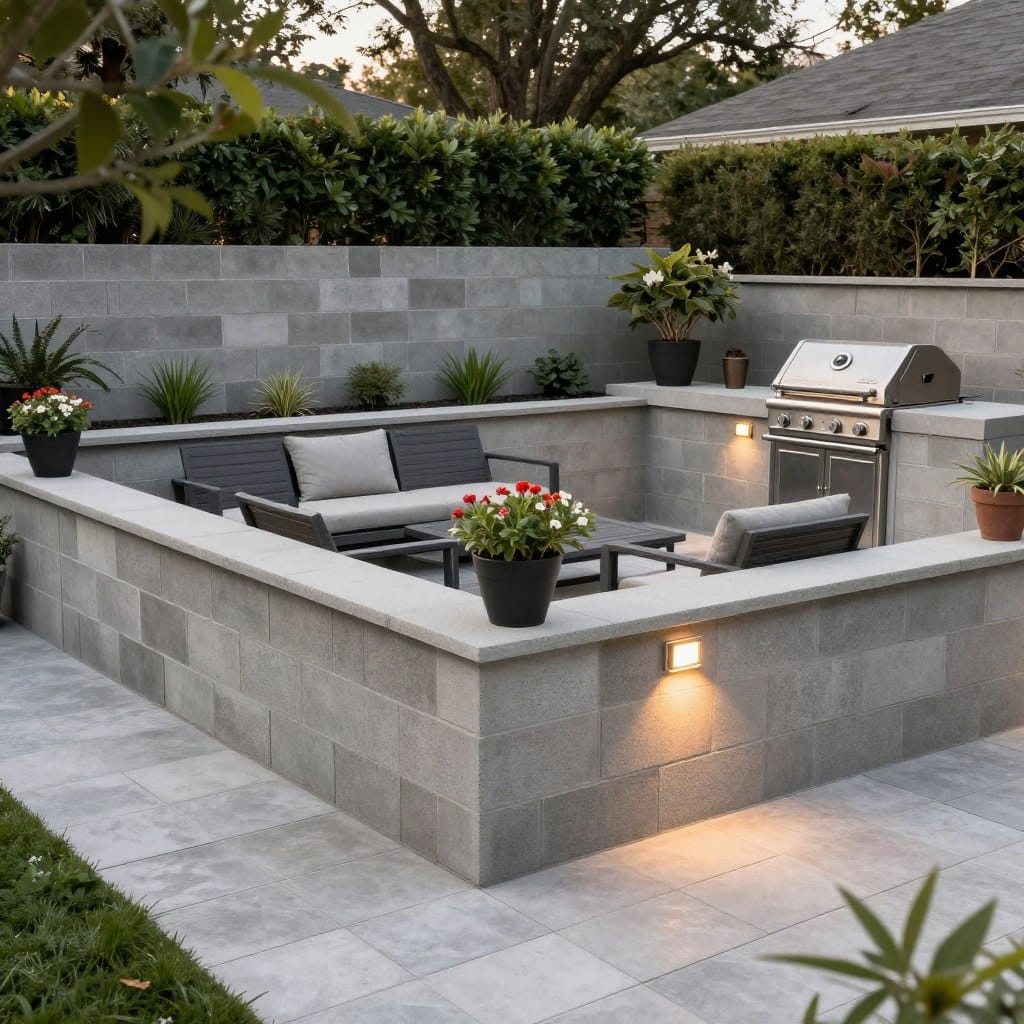
Flat entertainment areas emerge from sloped terrain. Retaining walls create stable foundations for outdoor living spaces.
Pool Surrounds
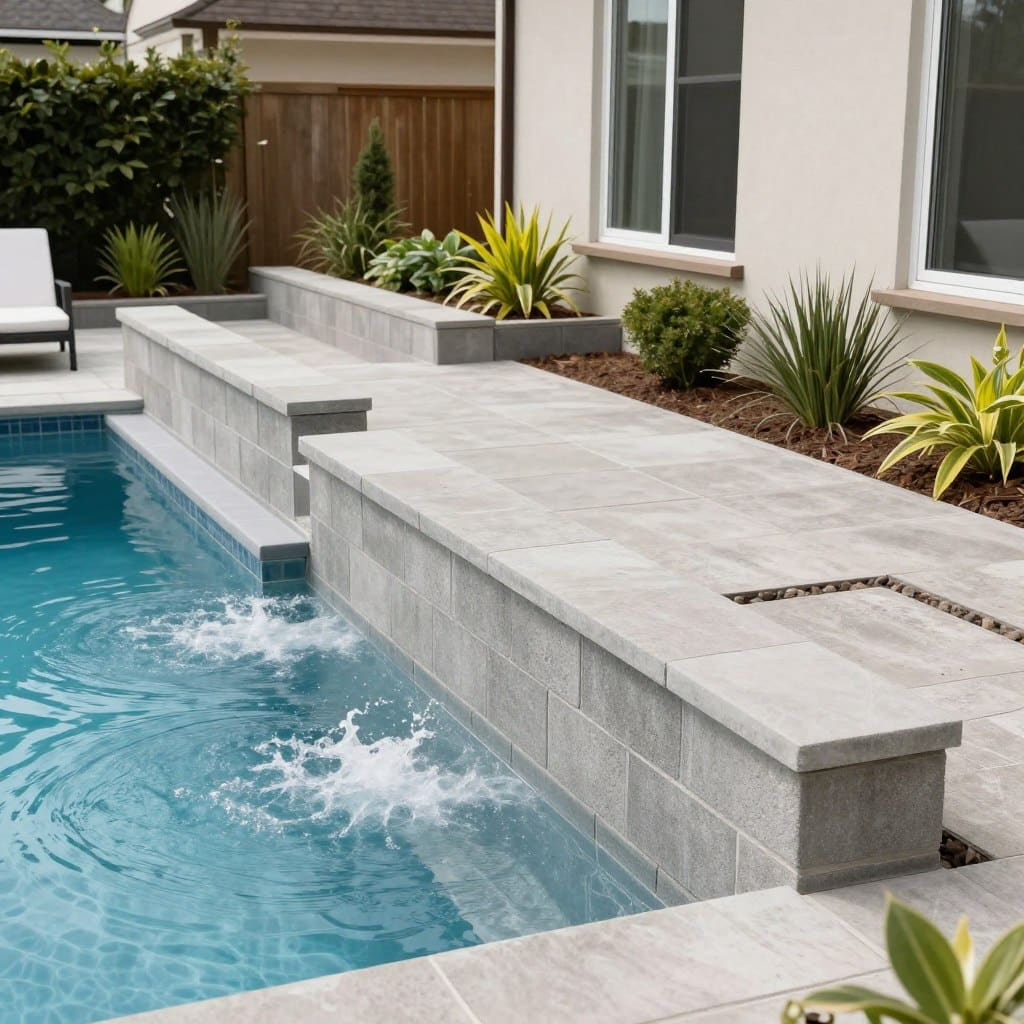
Swimming pool installation on slopes requires extensive retaining walls. These structures ensure safety while enhancing pool area aesthetics.
Commercial Property Applications
Commercial sites often face challenging grading requirements. Parking lots on sloped terrain need extensive retaining structures. Walls create level parking while managing stormwater effectively.
Retail properties use walls for landscaping definition. Raised planting beds add visual appeal to commercial developments. Quality landscaping enhances customer perception and property value.
Industrial facilities require durable, functional retaining solutions. Loading dock areas benefit from retaining wall construction. These structures accommodate grade changes while providing long-term reliability.
Multi-Family Housing Developments
Apartment complexes frequently incorporate retaining walls into site design. These structures create buildable pads on sloped properties. Efficient land use maximizes unit density while maintaining attractive grounds.
Common area amenities benefit from retaining wall installation. Playgrounds, courtyards, and gathering spaces require level terrain. Walls enable these features on properties with natural slopes.
Parking area development often necessitates extensive retaining systems. Multi-level parking utilizes walls for elevation changes. Proper design ensures safety while optimizing available space.
Environmental Benefits of Concrete Block Retaining Walls
Retaining walls provide significant environmental advantages beyond structural function. Proper installation protects natural resources and improves site ecology. Understanding these benefits demonstrates the value of quality retaining wall systems.
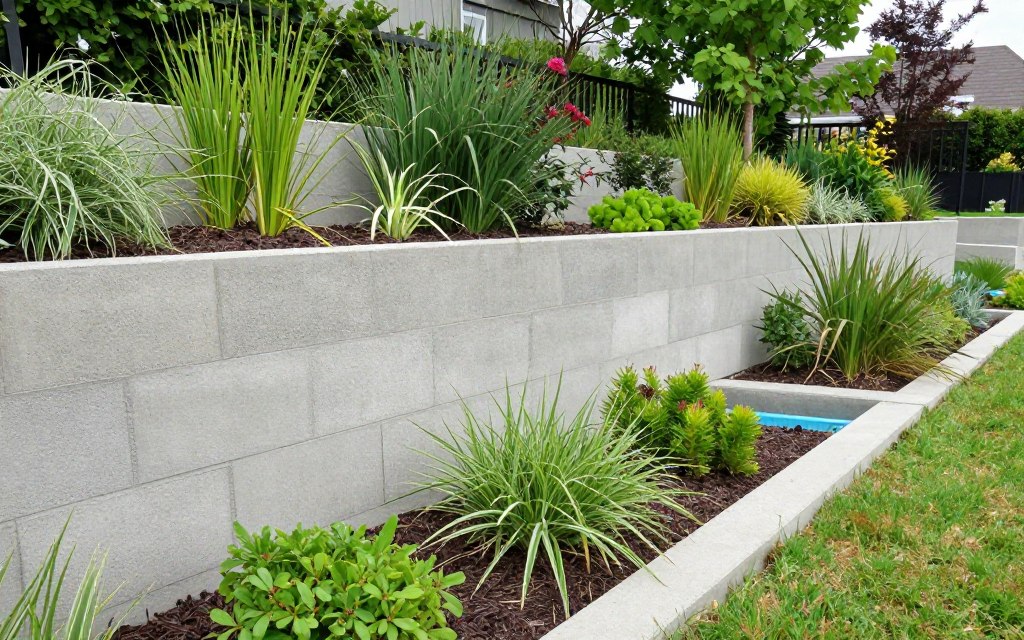
Erosion Control and Soil Conservation
Retaining walls halt soil loss from sloped properties. Unprotected slopes shed topsoil during rainstorms. This erosion degrades property value and harms downstream waterways.
Nutrient retention improves with effective erosion control. Topsoil contains vital organic matter and minerals. Keeping this valuable resource in place supports healthy plant growth.
Sedimentation reduction benefits local water quality. Eroded soil enters storm drains and natural waterways. Retaining walls prevent this pollution at the source location.
Stormwater Management Enhancement
Integrated drainage systems control runoff effectively. Walls with proper drainage slow water movement across properties. This reduces flooding risk and allows groundwater recharge.
Terraced landscapes created by walls increase water infiltration. Multiple level changes slow runoff velocity significantly. More water soaks into soil rather than running off quickly.
Rain garden integration with retaining walls treats stormwater naturally. These planted areas filter pollutants from runoff. Combined systems provide both structural and water quality benefits.
Habitat Creation and Biodiversity
Retaining walls enable diverse planting opportunities. Different elevation zones support varied plant species. This diversity attracts beneficial insects and wildlife.
Wall faces provide habitat for certain beneficial species. Gaps between blocks shelter small creatures. These microhabitats contribute to overall ecosystem health.
Native plant integration enhances ecological value significantly. Species adapted to local conditions require minimal maintenance. They provide food and shelter for native wildlife populations.
Sustainable Material Benefits
Concrete blocks offer environmental advantages over alternative materials. Local manufacturing reduces transportation impacts. Recycled content in many blocks lowers resource consumption. Durability means fewer replacements over decades of service.
Frequently Asked Questions About Retaining Walls
What are retaining walls?
Retaining walls are structures designed to hold back soil and create level areas on sloped properties. They prevent erosion, manage water drainage, and transform unusable terrain into functional outdoor space. These walls resist lateral pressure from retained earth through mass, reinforcement, or structural design.
Concrete block retaining walls specifically use modular concrete units that interlock or stack to create stable structures. The blocks provide strength through their mass and interlocking design. Proper installation includes foundation preparation, drainage systems, and backfill materials that work together as a complete system.
Beyond their functional purpose, retaining walls enhance property aesthetics and value. They create defined landscape areas, support gardens and patios, and solve drainage problems. Well-designed walls complement property architecture while providing decades of reliable performance.
How much do retaining walls cost?
Retaining wall costs vary significantly based on multiple factors. Simple concrete block walls typically range from fifteen to thirty dollars per square foot of wall face. This includes basic materials and professional installation. More complex projects with premium materials and extensive site work cost more.
Height affects pricing substantially. Walls under four feet cost less per square foot than taller structures. Taller walls require engineering, permits, reinforcement, and more substantial foundations. These additional requirements increase both material and labor expenses.
Several factors influence final project costs:
- Block type and quality selected for the project
- Wall height and total length requirements
- Site accessibility for equipment and materials
- Soil conditions and excavation difficulty
- Drainage system complexity and extent
- Permits, engineering, and inspection fees
- Landscaping restoration after construction
St Clair Landscaping and Irrigation LLC provides detailed estimates accounting for your specific site conditions. We explain all cost components clearly so you understand exactly what your investment includes. Call us at (413) 566-8866 for an accurate quote tailored to your project.
What are retaining walls used for?
Retaining walls serve multiple important functions on residential and commercial properties. Primary uses include erosion control on sloped terrain, creating level outdoor living spaces, and managing water drainage. These structures solve practical problems while enhancing property aesthetics and usability.
Common retaining wall applications include:
- Terracing hillside properties for gardens and lawns
- Creating level areas for patios and outdoor entertainment
- Supporting driveways and walkways on slopes
- Preventing soil erosion that damages property
- Managing stormwater runoff and drainage
- Defining property boundaries and landscape beds
- Protecting foundations from soil pressure
- Enabling construction on challenging terrain
Commercial properties use retaining walls for parking lot construction, site development, and landscape definition. Multi-family housing developments incorporate walls to maximize usable land. Industrial sites rely on retaining structures for loading areas and site grading.
Beyond practical functions, retaining walls add substantial aesthetic value. They create architectural interest and define outdoor spaces. Quality walls enhance curb appeal and increase property values through improved functionality and appearance.
How much are retaining walls per linear foot?
Per linear foot pricing for retaining walls depends primarily on wall height. A three-foot tall concrete block wall typically costs forty to seventy-five dollars per linear foot installed. This includes materials, labor, base preparation, and basic drainage.
Height dramatically affects linear foot pricing. Four to six foot walls range from seventy-five to one hundred fifty dollars per linear foot. Walls exceeding six feet often cost one hundred fifty to three hundred dollars per linear foot due to engineering, permits, and reinforcement requirements.
Additional factors influencing per-foot costs include:
- Block style and finish quality selected
- Curves, corners, and design complexity
- Site access and working conditions
- Soil conditions requiring extra base work
- Drainage system extent and complexity
- Steps, lighting, or other integrated features
Linear foot pricing provides useful comparison between projects. However, total project cost depends on wall length multiplied by height. A forty-foot wall at sixty dollars per foot totals twenty-four hundred dollars. Accurate estimates require site evaluation of specific conditions.
Contact St Clair Landscaping at (413) 566-8866 for precise pricing based on your property. We evaluate your site, discuss design preferences, and provide detailed cost breakdowns. Our transparent pricing ensures you understand the complete investment before work begins.
What is the difference between retaining walls and garden walls?
Retaining walls hold back soil and resist significant lateral pressure. They require engineered design, proper foundations, and drainage systems. These structures serve critical functions preventing erosion and managing grade changes on properties.
Garden walls primarily define landscape areas and provide visual separation. They face minimal lateral pressure and serve mostly aesthetic purposes. Construction requirements remain simpler without extensive drainage or reinforcement needs.
Key distinctions include:
- Structural requirements and engineering needs
- Foundation depth and base preparation
- Drainage system integration requirements
- Height limitations and permit requirements
- Material specifications and construction methods
Some walls combine both functions. Raised garden beds using retaining wall blocks serve aesthetic and functional purposes. The construction methods must account for any soil retention even in primarily decorative applications.
Why Choose St Clair Landscaping and Irrigation LLC
St Clair Landscaping and Irrigation LLC delivers exceptional retaining wall installation throughout Ludlow and surrounding communities. Our commitment to quality craftsmanship and customer satisfaction sets us apart from competitors. We transform challenging properties into beautiful, functional outdoor spaces.
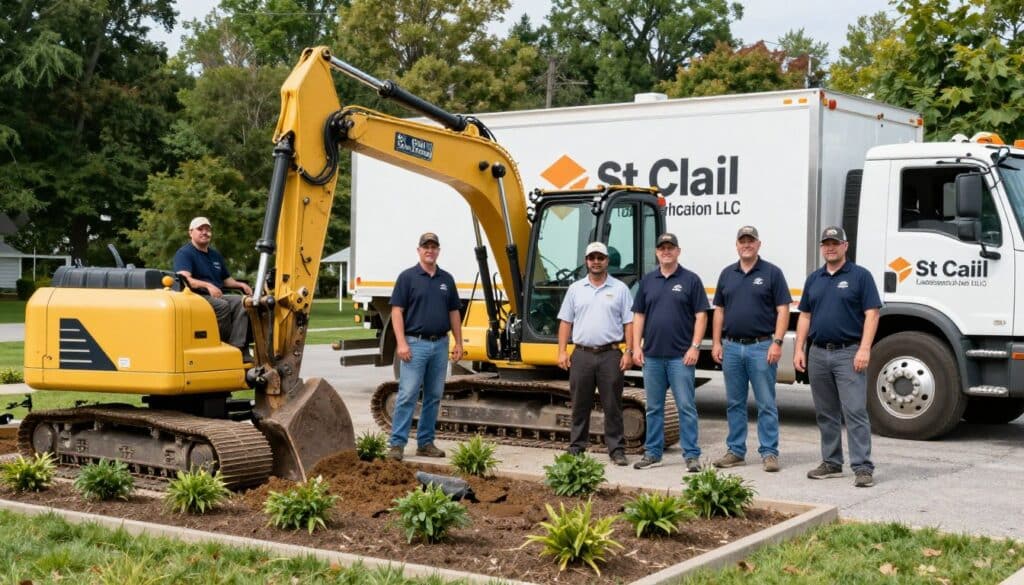
Experience and Expertise
Our team brings years of specialized experience to every project. We have installed hundreds of retaining walls across residential and commercial properties. This extensive background ensures efficient construction and superior results.
Continuous training keeps our crew updated on best practices. We stay current with new materials, techniques, and building codes. This knowledge translates to better outcomes for our clients.
Complex site challenges do not intimidate our experienced team. We have solved drainage problems, worked with difficult soils, and built on steep terrain. Every project adds to our problem-solving capabilities.
Quality Materials and Workmanship
We source premium concrete blocks from trusted manufacturers. Quality materials ensure long-lasting performance and appearance. Our supplier relationships provide access to extensive product selections.
Installation standards exceed industry minimums consistently. Proper base preparation, drainage integration, and block placement receive meticulous attention. These details determine long-term wall performance.
Quality control occurs throughout every project phase. Supervisors verify work meets our high standards before proceeding. This approach prevents problems and ensures client satisfaction.
Comprehensive Project Management
Clear communication keeps clients informed throughout projects. We explain each phase, address concerns promptly, and provide progress updates. You always know what to expect next.
Scheduling accuracy minimizes disruption to your property. We provide realistic timelines and honor our commitments. Projects proceed efficiently from start to completion.
Site cleanliness remains a priority during construction. Daily cleanup prevents debris accumulation. We leave your property neat and organized when work concludes.
Local Knowledge and Commitment
As a Ludlow-based company, we understand local conditions intimately. Soil types, climate challenges, and municipal requirements are familiar territory. This knowledge improves project planning and execution.
Community relationships matter to our business approach. We build long-term connections with clients through quality work. Many customers return for additional projects and refer neighbors.
Prompt service remains available when you need assistance. Local presence means quick response times for questions or concerns. We stand behind our work and support our clients long-term.
Experience the St Clair Difference
Partner with Ludlow’s trusted retaining wall specialists. We deliver exceptional results through quality materials, expert installation, and outstanding customer service.
Serving Ludlow and Surrounding Communities
St Clair Landscaping and Irrigation LLC proudly serves properties throughout Ludlow, Hampden, Wilbraham, and surrounding western Massachusetts communities. Our service area extends to properties within reasonable distance of our Ludlow base.
St Clair Landscaping serves Ludlow and surrounding western Massachusetts communities
Ludlow Retaining Wall Services
Ludlow properties present diverse retaining wall opportunities. From historic neighborhoods to newer developments, we handle all project types. Our local expertise ensures compliance with town regulations and architectural standards.
Residential projects range from small garden walls to extensive terracing systems. We work with homeowners to create functional, beautiful outdoor spaces. Every installation reflects our commitment to quality and customer satisfaction.
Commercial and municipal projects benefit from our professional approach. We understand the unique requirements of business properties and public facilities. Timely completion and minimal disruption characterize our commercial work.
Start Your Retaining Wall Project Today
Transform your Ludlow property with professional concrete block retaining wall installation. St Clair Landscaping and Irrigation LLC makes the process straightforward and stress-free. Contact us today to discuss your project vision and requirements.
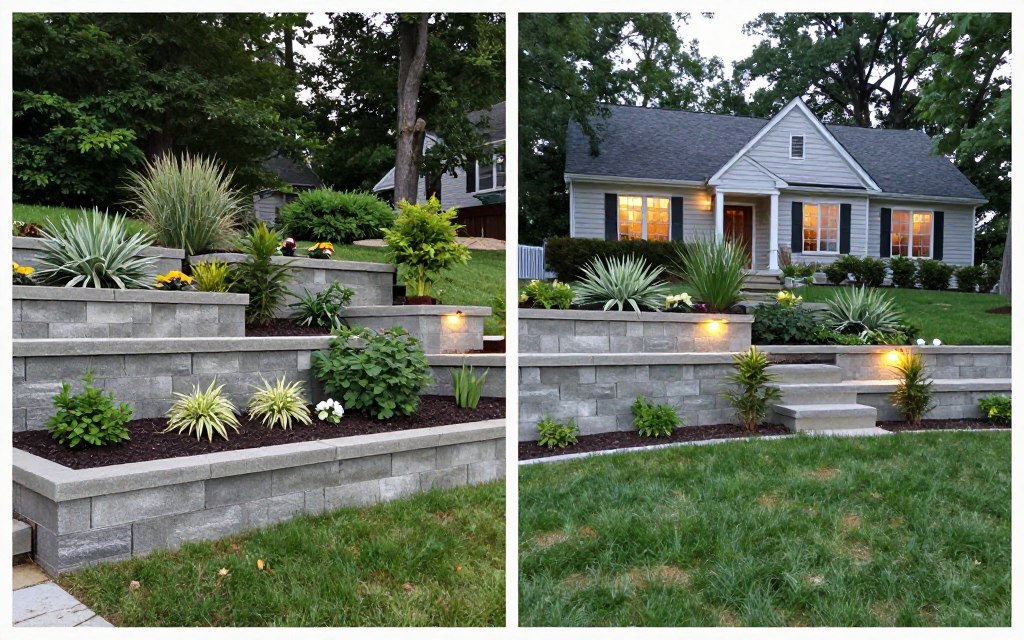
Our Simple Process
- Call (413) 566-8866 to schedule your free consultation
- Meet with our team for on-site evaluation and discussion
- Receive detailed proposal with design options and pricing
- Review and approve plans, materials, and timeline
- We handle permits and coordinate all project details
- Expert installation creates your beautiful new retaining wall
- Final walkthrough ensures your complete satisfaction
Free Consultation and Estimate
We provide complimentary site visits and project estimates. Our team evaluates your property, discusses your goals, and answers all questions. You receive detailed pricing with no obligation to proceed.
During consultation, we explain available options clearly. Material choices, design possibilities, and cost factors become understandable. This information empowers informed decision-making about your project.
Estimates include comprehensive cost breakdowns. You see exactly what your investment covers from materials through completion. Transparent pricing builds trust and prevents surprises.
What to Expect Next
After receiving your inquiry, we respond within one business day. Our team schedules a convenient time for your property visit. Consultations typically last thirty to sixty minutes depending on project scope.
We arrive prepared with material samples and reference photos. This helps visualize possibilities for your specific property. Questions receive thorough, honest answers from experienced professionals.
Written estimates arrive within several days of consultation. Detailed proposals outline all project aspects clearly. We remain available to discuss estimates and answer additional questions.
Invest in Quality Concrete Block Retaining Walls
Concrete blocks for retaining walls in Ludlow provide lasting solutions for sloped properties. These structures prevent erosion, create usable space, and enhance property value significantly. Professional installation ensures performance and beauty for decades.
St Clair Landscaping and Irrigation LLC delivers exceptional retaining wall services throughout the Ludlow area. Our experienced team combines quality materials with expert craftsmanship. We transform challenging terrain into functional, attractive landscape features.
Whether your property needs erosion control, landscape terracing, or outdoor living space creation, we provide solutions. Residential and commercial clients trust us for reliable, professional service. Your satisfaction remains our top priority from consultation through project completion.
Ready to Transform Your Property?
Contact St Clair Landscaping and Irrigation LLC today. Let’s discuss how concrete block retaining walls can solve your property challenges and enhance your outdoor spaces.