


Have you ever wondered why your backyard looks tired and patchy despite your best efforts to revive it? A full lawn renovation is the ultimate way to transform a dull outdoor space into a lush, green masterpiece. Over time, soil surfaces often harden or thick thatch builds up and chokes the roots.
Improving soil health promotes vigorous growth and restores the ground’s ability to resist pests. Spring and early autumn provide the best time to start this work. These seasons support rapid grass growth and ensure a strong establishment for the future.
This guide explores a systematic process to restore health and vitality. We combine traditional methods with modern technology for faster results. This approach addresses drainage issues and low grass vigor to create long-lasting beauty.
Proper lawn care involves addressing underlying issues rather than just cosmetic fixes. Whether dealing with bare spots or weeds, these renovation techniques offer tailored results for any climate. You will learn how to make informed decisions for your next project.
Key Takeaways:
- Restoring soil health and addressing compaction are essential for long-term turf vitality.
- Combining traditional renovation with modern hydroseeding achieves faster results than standard seeding.
Why Lawn Renovation Is Essential
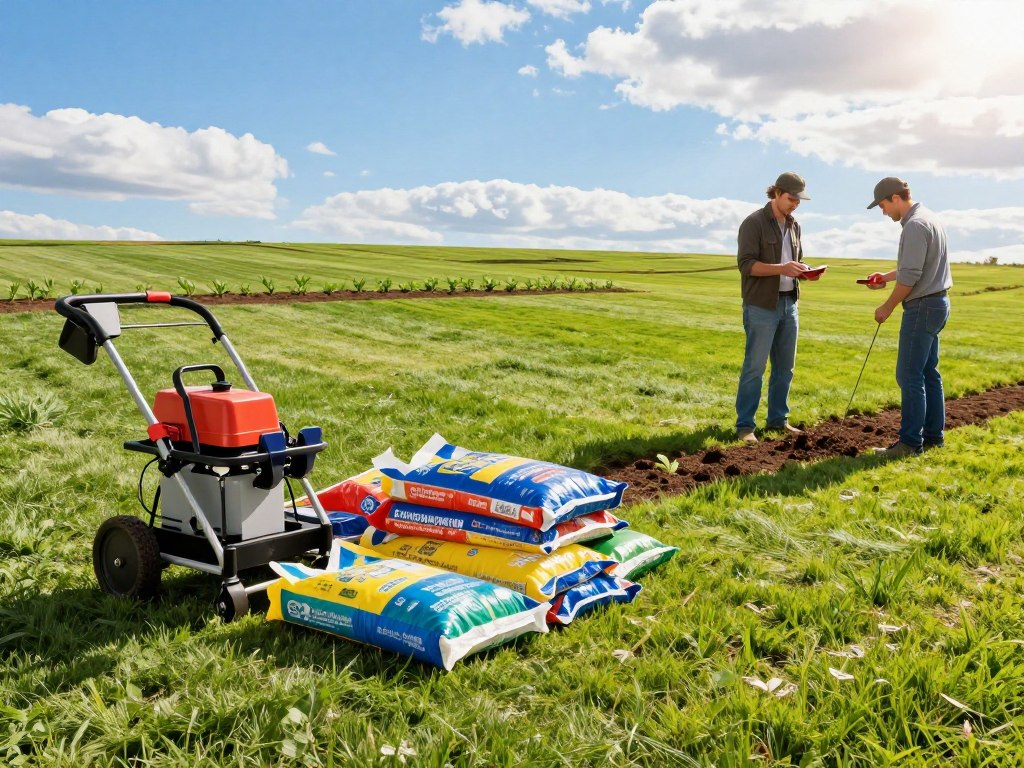
A healthy outdoor space starts with understanding when your turf needs a complete overhaul. Regular care keeps things green, but it often fails to fix deep-seated issues that develop over many years. When these issues accumulate, standard maintenance is no longer enough to save the grass.
Common Problems That Require Action
When weeds cover 30 to 50 percent of your area, spot treatments usually fail. You might notice the ground feels soft or spongy under your feet. This feeling often signals a thatch layer thicker than 3/4 inch, which is a major problem for root health.
Severe soil compaction is another common problem that blocks water and nutrients. If your grass responds poorly to fertilizer, the soil likely needs a full restoration. Persistent disease or large bare patches also indicate that the biological system has broken down.
Long-Term Benefits of Complete Renewal
A complete renewal improves soil structure to support robust root development. This process removes old thatch and levels out uneven surfaces for a smoother finish. It essentially resets the environment to allow for healthy, vigorous growth.
New grass becomes more resistant to pests and diseases. Your lawn will spread more effectively, creating a uniform and attractive look. When a renovation removes accumulated waste, it ensures your outdoor space remains resilient for the long term.
Best Timing for Local Projects
The right time plays a huge role in the success of your project. Early autumn is often the best window because warm soil helps seeds sprout while cool air reduces plant stress. This timing allows the lawn to establish itself before winter arrives.
Spring is another option, though it requires more intensive watering during the summer. Planning your work during the late season transition ensures the most efficient use of resources. Proper timing leads to a thicker, healthier lawn that lasts.
| Condition | Visible Sign | Corrective Step |
|---|---|---|
| Thick Thatch | Spongy surface | Dethatching |
| Hard Soil | Water runoff | Core Aeration |
| Weed Invasion | >40% weeds | Full Renewal |
Assessing Your Lawn’s Current Condition
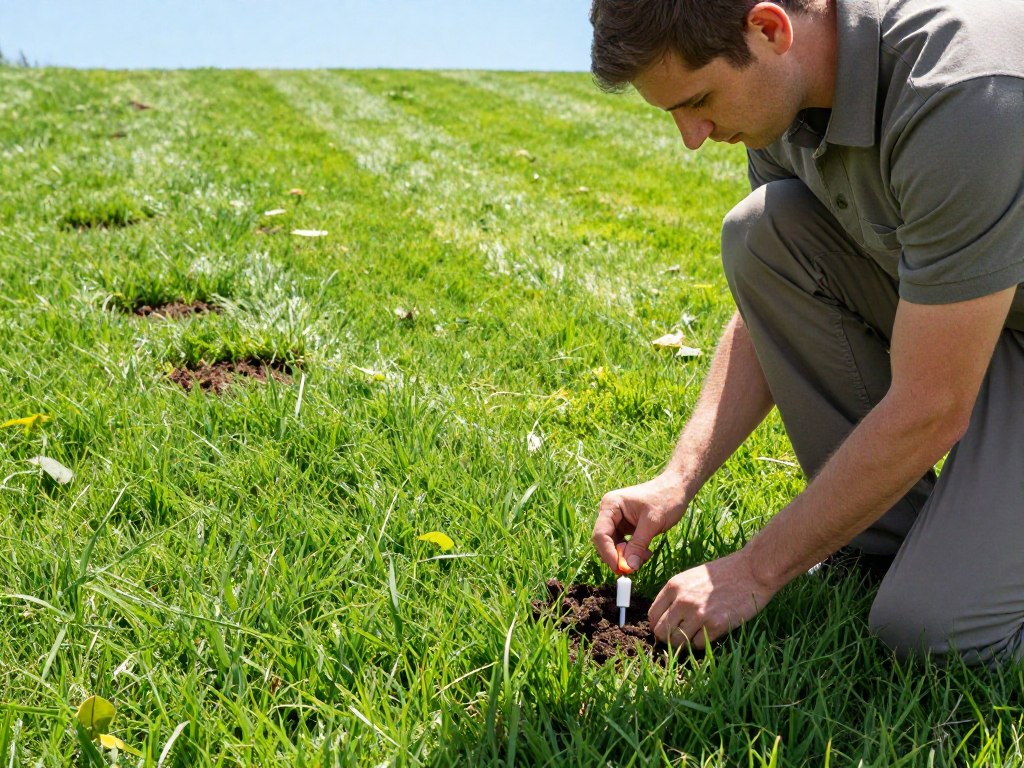
A systematic evaluation of your lawn’s condition helps you decide if a simple fix or a full overhaul is needed. Before starting any work, you should inspect the grass to understand its specific needs. This process involves checking the soil and health across various areas to ensure long-term success.
Measuring Thatch Depth and Density
Use a small spade to extract a cross-section of the turf. Measure the brown, spongy layer of organic matter between the green blades and the soil surface. If this thatch level exceeds 3/4 inch, it acts as a waterproof barrier against nutrients.
Excessive thatch also harbors pests that damage plant health. This layer prevents air from reaching the roots, causing the grass to thin over time. Identifying this buildup early helps you plan for proper dethatching or scarification.
Testing for Soil Compaction
Compaction prevents air and water from reaching the grass roots. Perform a screwdriver test by pushing a metal tool into the ground to check for resistance. If the tool is difficult to push or if water pools on the surface, you likely have a compaction problem.
Hard ground restricts root growth and limits the effectiveness of fertilizers. You may notice these issues in high-traffic zones or where heavy equipment has traveled. Aeration is often required to open up the earth and allow the landscape to breathe again.
Calculating Weed and Bare Patch Coverage
Divide the yard into sections to estimate the percentage of weeds versus healthy grass. Invasive plants or large bare spots indicate a struggling environment. When weeds cover more than 40 percent of the space, a full renovation is usually the best choice.
Note the locations of aggressive broadleaf varieties that might require pre-treatment. Large patches of exposed dirt are vulnerable to erosion and further infestations. Accurate mapping of these spots ensures you apply the right amount of seed later.
Determining If Renovation Is Necessary
Consider the grass type and local environmental stress when making your final decision. A professional soil test reveals pH imbalances and nutrient deficiencies that impact growth. If more than half of the lawn remains healthy, its condition may only require minor repairs.
The composition of the earth directly impacts how well your lawn recovers. Understanding these factors allows you to choose between overseeding or a complete restart. Proper planning at this stage saves significant time and money during the actual renovation process.
| Indicator | Testing Method | Warning Threshold |
|---|---|---|
| Thatch Layer | Spade cross-section | Greater than 3/4 inch |
| Soil Compaction | Screwdriver test | High resistance or pooling |
| Weed Coverage | Visual estimation | Exceeds 40% of the area |
| Grass Health | Coverage assessment | Less than 50% healthy turf |
Essential Lawn Renovation Steps
Executing a comprehensive overhaul of your turf involves several critical stages that prepare the ground for fresh growth. Following specific lawn renovation steps ensures that your grass establishes quickly and remains healthy for years. This structured approach helps you transform a struggling yard into a lush, green landscape with confidence.
Step 1: Apply Pre-Treatment Weed Control
Success begins with clearing the canvas of any invasive species that might compete with your new seed. If weeds are a problem, apply a suitable herbicide about one to two weeks before you start the physical labor. This timeline allows the chemicals to kill the root systems completely before you disturb the earth.
Selecting Appropriate Herbicides
Identify whether you are dealing with broadleaf weeds like clover or grassy weeds like crabgrass. Select selective herbicides that target your specific invaders without leaving long-term residuals that hinder new growth. Using the right product ensures you don’t accidentally prevent your future grass from sprouting.
Timing Your Weed Treatment
Apply your chosen treatment 7 to 14 days before your scheduled renovation work. This week or two of waiting is vital for the chemical to break down in the soil. Avoid pre-emergent herbicides at this stage if you plan to overseed, as they will stop your new seed from germinating.
Step 2: Scalp the Existing Lawn
Scalping is a crucial stage that involves cutting the grass extremely short to expose the soil. This process allows sunlight to reach the surface and promotes vigorous new growth from the ground up. It removes excess leaf material that could otherwise block the new seed from making contact with the dirt.
Proper Mowing Height for Scalping
Lower your mower height gradually over two or three separate sessions to avoid shocking the plants too suddenly. For the final pass, set your blades as low as possible, typically to one inch or less. This aggressive cut prepares the area for the mechanical dethatching that follows.
Removing Clippings and Debris
Always bag your clippings during the scalping process rather than letting them fall. The massive amount of debris generated can smother the soil and prevent water from reaching the roots. Removing this organic material makes the subsequent steps much easier to manage.
Step 3: Dethatch or Scarify the Surface
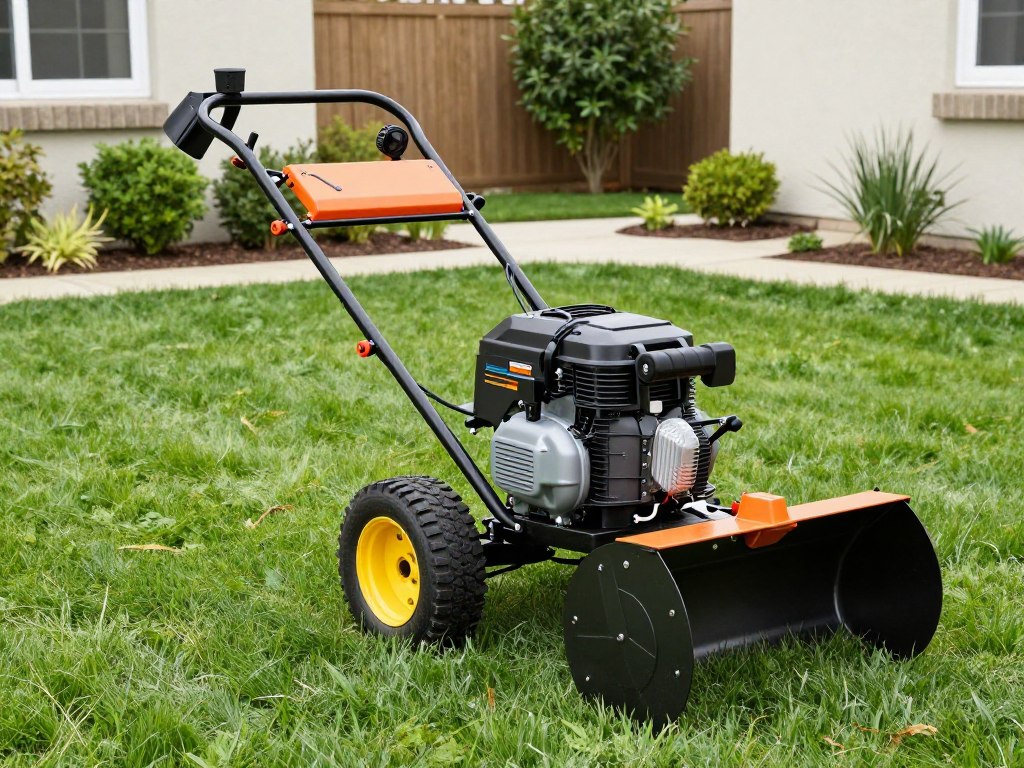
Thatch is a spongy layer of organic matter that builds up between the grass blades and the soil. Using a dethatcher or scarifier helps remove this barrier so that nutrients and water can flow freely. For larger areas, many homeowners find that a powered unit provides a better experience and more consistent results.
Equipment Options for Dethatching
You can use a manual thatch rake for small patches, but a power scarifier is best for a full renovation. These machines use vertical blades to slice through the turf and pull up dead material. This work clears the way for new seedlings to take root in the actual soil.
Proper Scarification Depth
Set your equipment to a depth of 1/8 to 1/2 inch, depending on the thickness of your thatch layer. Spreading grasses can handle more aggressive treatment than fine-textured turf. Make sure to leave some healthy grass behind to help the lawn recover quickly after the process.
Step 4: Perform Core Aeration
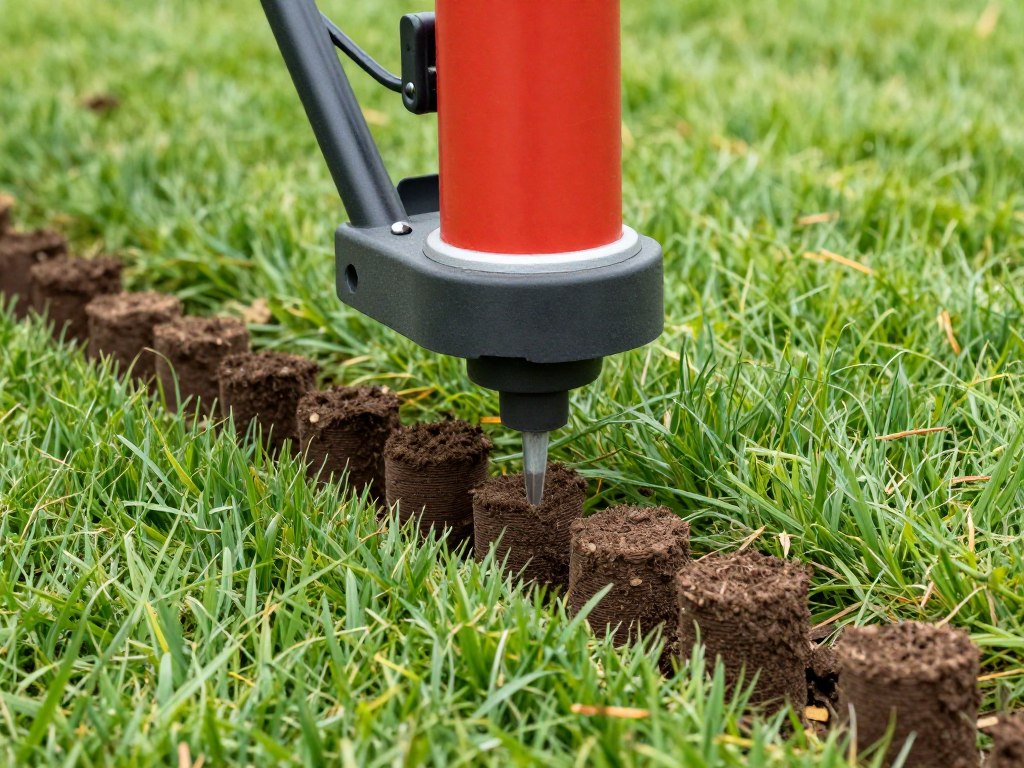
Core aeration is the best way to relieve soil compaction and improve the overall health of your yard. The machine pulls cylindrical plugs out of the ground, creating channels for oxygen and fertilizer to reach the root zone. This step is especially important in high-traffic areas where the ground has become hard and dense.
Aeration Pattern and Depth
Make three to five passes with the aerator in different directions to ensure you cover the entire surface thoroughly. Aim for a depth of 2 to 3 inches to maximize the benefits for the root systems. This repetitive pattern helps break up the hard crust of the Earth effectively.
Handling Soil Cores
You can either collect the soil cores for a clean look or leave them on the surface to break down naturally. Leaving the cores actually helps return beneficial organisms to the top layer of the soil. They usually disappear after a few mowings or a heavy rain.
Step 5: Level and Topdress Problem Areas
Uneven ground can make mowing difficult and lead to drainage issues over time. Topdressing involves applying a thin layer of material to fill in low spots and smooth out the surface. This creates a uniform base that is much easier to maintain throughout the year.
Choosing Topdressing Materials
Washed river sand or a specialized sand-soil mix works best for most leveling projects. Sand provides excellent drainage and stays in place better than pure organic compost. Make sure the material is free of weed seeds to avoid introducing new problems to your lawn.
Application Techniques
Apply about 5 to 10 mm of material and use a lawn leveling rake to spread it evenly. Work the mix into the turf until you can see the tips of the grass blades peeking through. This ensures the existing plants can still photosynthesize while the new level settles into place.
Step 6: Test and Amend Your Soil
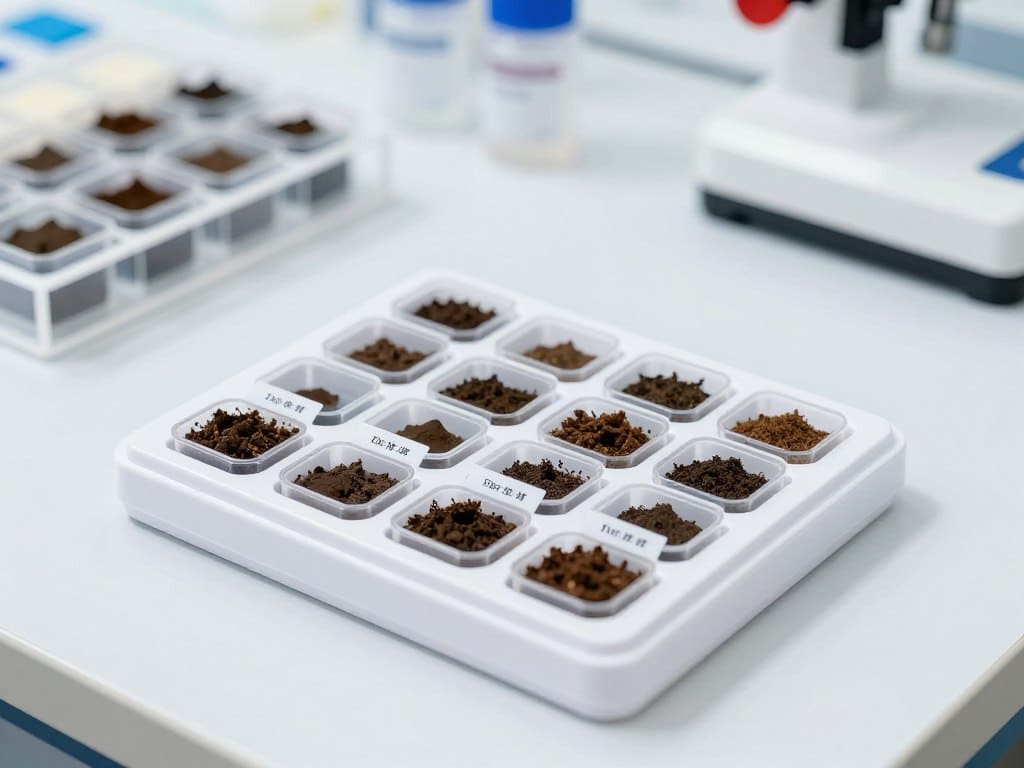
Applying the right nutrients is the final step in preparing the ground for new seed. A professional test reveals exactly what your dirt needs to support healthy growth. Taking the time for a lab analysis prevents you from wasting money on the wrong fertilizer.
Understanding Soil Test Results
Your results will show the current pH balance and levels of nitrogen, phosphorus, and potassium. Use this data to determine if you need lime to raise the pH or sulfur to lower it. Understanding these numbers allows for precision care during the renovation process.
Adding Necessary Amendments
Apply a starter fertilizer that is high in phosphorus to encourage strong root development in new seedlings. Avoid adding too much nitrogen at this stage, as it can over-stimulate existing grass. This careful balance gives your new seed the best chance to establish without being crowded out.
Understanding Hydroseeding for Fast Results
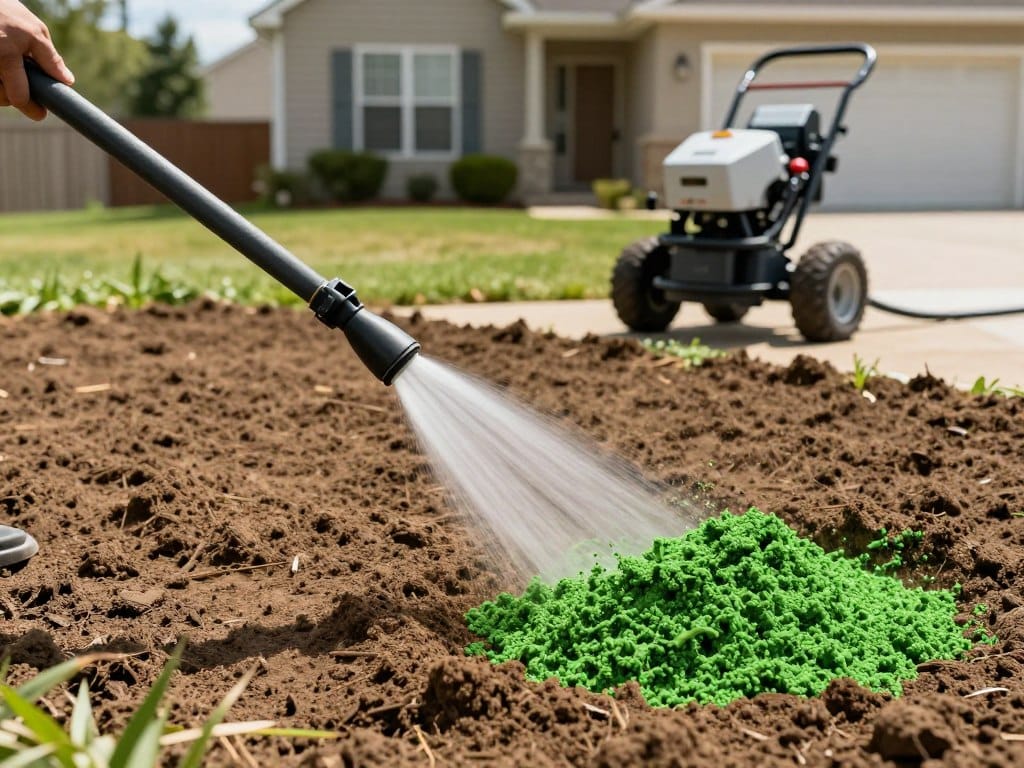
When you want to renovate lawn areas efficiently, hydroseeding offers a high-tech alternative to traditional methods. This process creates a thick, green lawn in a shorter amount of time than standard broadcasting. It is an increasingly popular way to renovate lawn surfaces for a lot of homeowners.
What Is Hydroseeding and How It Works
This method involves mixing grass seed with water, fertilizer, and mulch in a large tank. A technician then sprays this liquid slurry onto prepared soil through a high-pressure hose. The mulch creates a protective coating around each seed to keep it safe.
Advantages Over Traditional Seeding Methods
Choosing this technique provides more uniform coverage across the entire renovation area. It ensures that your grass seed is distributed evenly even on irregular terrain. This leads to a much fuller appearance as the yard establishes.
Faster Germination Rates
The mulch layer keeps the grass seed moist, which is essential for rapid growth. You can typically see new grasses sprouting five to seven days earlier than with dry seed. This speed helps you get your yard back to normal quickly.
Better Seed-to-Soil Contact
A wet slurry maintains constant contact between the seed and the earth. This helps the roots take hold quickly in the soil once they emerge. Stronger roots mean a healthier yard in the long run.
Erosion Control Benefits
The bonding agents in the mixture act like a blanket that holds the lawn surface in place. This prevents the turf from washing away during heavy rain or watering. It is the perfect solution for steep banks or slopes.
Cost Comparison: Hydroseeding vs. Sod vs. Seed
Hydroseeding costs more than traditional dry seeding because it requires special equipment. However, it is usually only one-third of the price of installing sod. It offers a great middle ground for those who want fast results without the high cost of instant turf.
Ideal Conditions for Hydroseeding Application
Success depends on applying the mix to freshly prepared, loose soil. You must also have a reliable water source to keep the area moist during the first few weeks. Proper care and timing during moderate temperatures will ensure your lawn renovation is a success.
Selecting the Right Grass Seed Mix
Your choice of seed mix determines the future beauty and resilience of your home turf. When you decide to renovate lawn areas, matching the grass type to your environment is vital for long-term health. Different species offer various levels of drought tolerance and shade adaptation.
For a low-maintenance lawn in sunny spots, use a mix of 60% Kentucky bluegrass and 40% fine fescue. This combination survives with minimal fertilizer and just one mowing per week. It provides a durable layer that handles foot traffic well throughout the year.
Shady areas require a lot more care during the selection stage. Focus on fine fescues like creeping red or hard fescue. These varieties thrive where other species thin out and die over time.
Avoid perennial ryegrass in the shade, as it rarely survives the winter in those spots. Establish new grass when the soil reaches the right temperature. Plan for autumn or early spring for cool-season varieties to avoid the winter frost.
If you have experience with warm-season species, wait for the summer heat to plant. This ensures your seed has enough time to root before the ground freezes. Always read seed labels to avoid choosing low-quality grass types that fail.
Investing in quality grass seed pays dividends over the years of ownership. Select mixtures appropriate for your region to keep the grass healthy. A thick lawn requires the right foundation before planting new grass.
High-maintenance lawn preferences often involve improved Kentucky bluegrass blends. Check the soil temperature before planting your grass seed. Proper variety selection reduces the total cost of your lawn. Quality grass helps your lawn resist disease better. Invest substantial research time before your purchase to ensure success.