
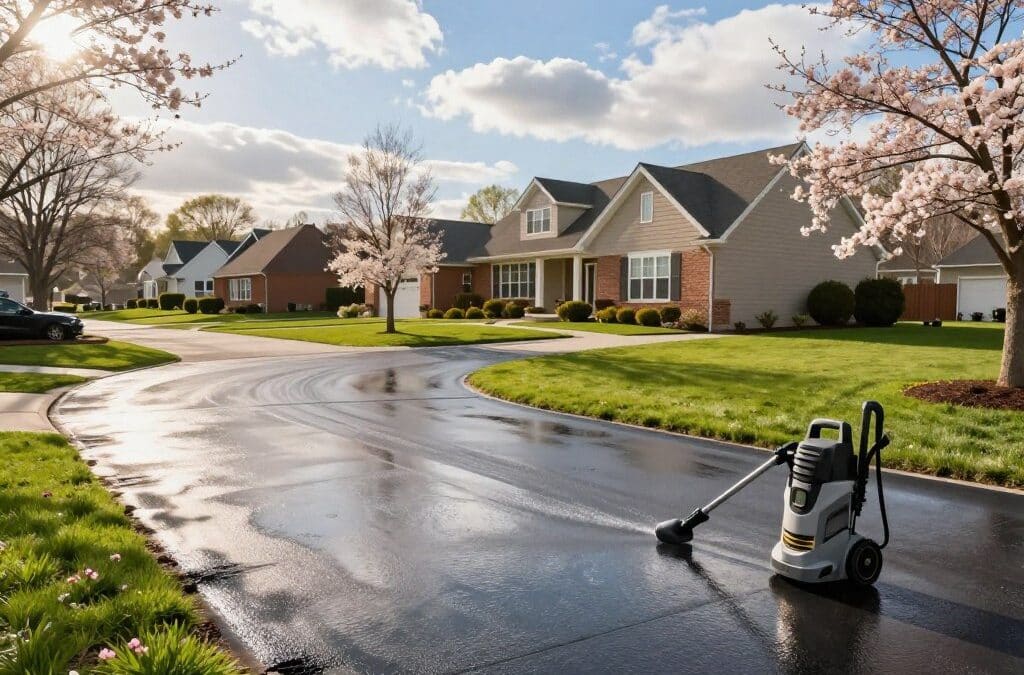
Have you ever wondered if cleaning your driveway at the wrong time could actually do more harm than good to your property? Choosing the ideal time to clean driveway surfaces is key for every homeowner who wants to protect their home. Proper timing ensures that you remove dirt without exposing the material to harsh weather. For those living near the area, scheduling professional Pressure Washing in Ludlow requires a good sense of local weather patterns. Each season brings unique challenges like winter salt or spring pollen that can hurt exterior surfaces. This care helps maintain the strength of your pavement throughout the year.
Planning maintenance around the climate prevents cracks and staining. This simple step extends the life of your driveway while keeping the property looking its best. Our guide explores how to handle these seasonal changes well.
We are proud to share insights for experts serving Ludlow and the surrounding communities. This list will help you find the perfect window for your next project. By following these tips, you can boost curb appeal and avoid high costs in the future.
Why Seasonal Timing Matters for Driveway Maintenance
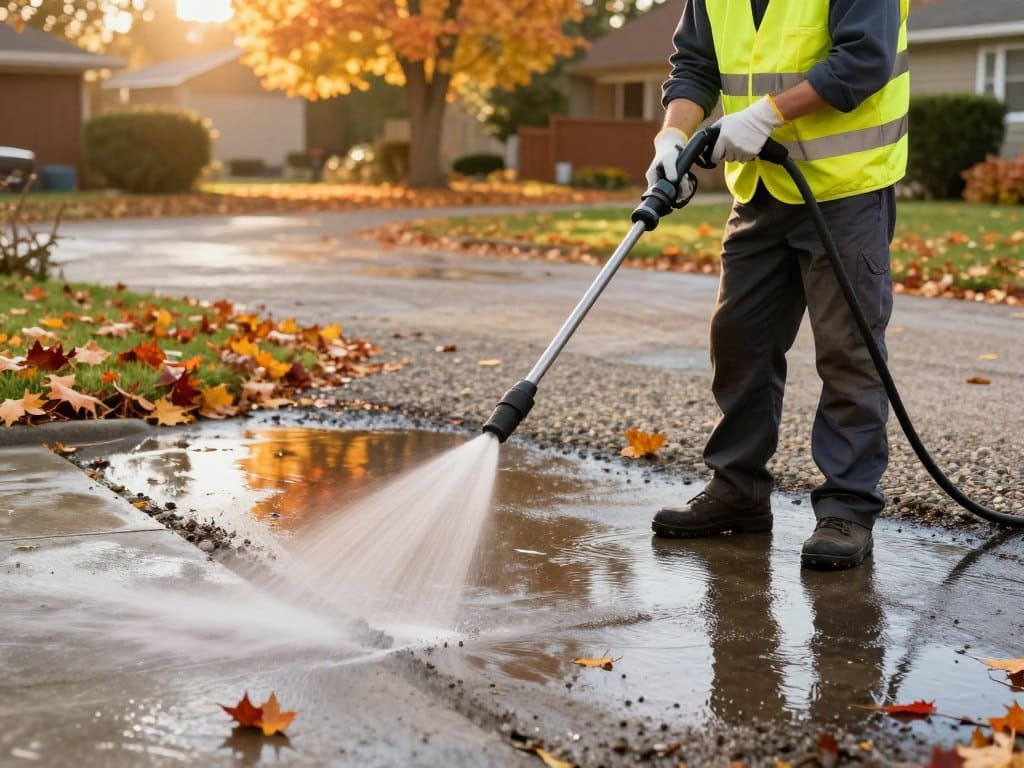
Strategic timing for driveway maintenance is vital because New England weather patterns create unique buildup on exterior surfaces. These shifting seasons directly impact how well treatments work. Temperature fluctuations often change water pressure and how cleaning solutions perform on the ground.
Timing your maintenance around seasonal shifts prevents damage from freeze-thaw cycles. Excessive moisture and extreme heat can compromise the integrity of your driveway surface. Each season brings specific problems, such as winter salt residues or organic stains from fall leaves.
| Season | Main Contaminant | Maintenance Goal |
|---|---|---|
| Winter | Road Salt & Ice Melt | Corrosion Prevention |
| Fall | Leaf Tannins & Debris | Stain Removal |
| Spring | Mud & Winter Grime | Surface Restoration |
Proper seasonal cleaning maximizes your return on investment and ensures results last longer. Many neighbors recently discovered that scheduling during optimal windows reduces how often they need service. This smart business approach to home care keeps your property safe and cuts long-term maintenance costs. Effective pressure washing depends on picking days with the right humidity and temperature for the best outcome.
1. Spring: The Optimal Season for Driveway Pressure Washing
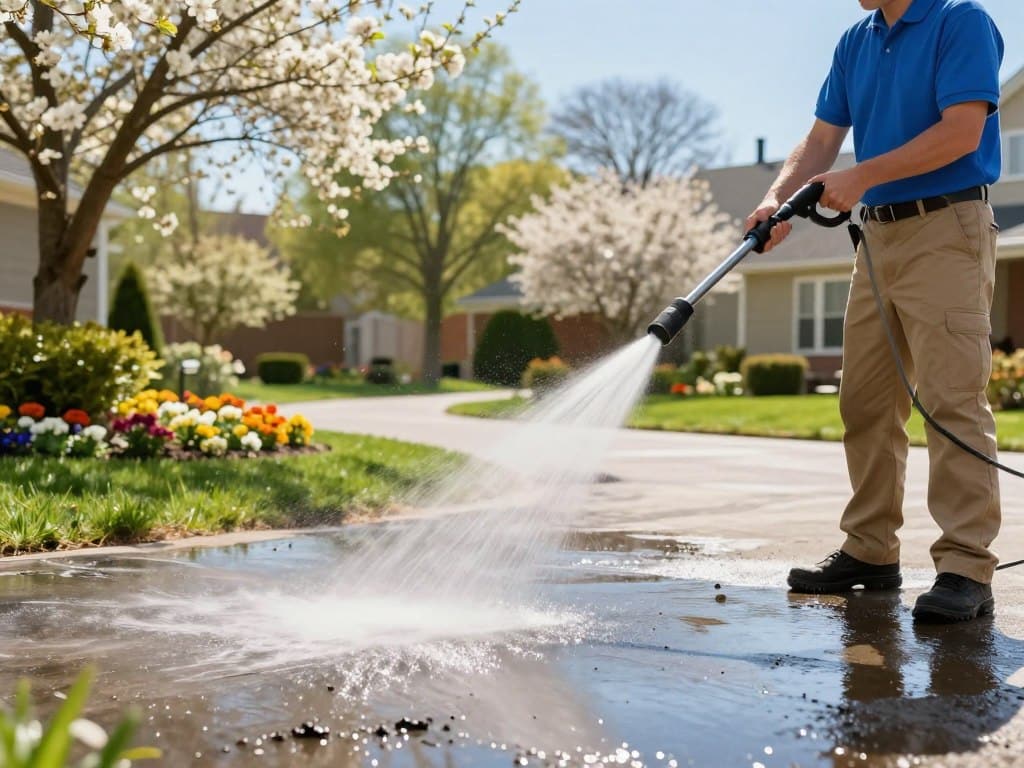
Spring offers a unique combination of mild weather and necessary maintenance that other seasons lack. Experts agree that temperatures between 50 and 70 degrees Fahrenheit provide the best environment for surface restoration. This range ensures that your cleaning solutions activate properly without drying too fast or freezing on the ground.
Homeowners who have recently requested quotes for home maintenance often prioritize this time of year to prepare for summer. Stable weather patterns and longer daylight hours provide the perfect window for thorough, high-quality work. Maintaining a clean exterior has been a core part of the property business since residential standards first emphasized curb appeal.
| Factor | Spring Condition | Benefit for Homeowners |
|---|---|---|
| Average Temp | 50°F – 70°F | Optimal chemical activation |
| Surface State | Moderately Damp | Deeper pore penetration |
| Daylight | Increasing Hours | Consistent project completion |
Removing Winter Salt and Grime Buildup
Winter leaves behind a destructive layer of salt, sand, and chemical deicers on your driveway. These corrosive materials can cause permanent staining and structural cracks if you leave them untreated for too long. A professional pressure washing session removes these contaminants before the hot summer sun bakes them into the porous surface.
Prompt action prevents long-term deterioration and keeps your property looking its best during the outdoor entertaining season. It also clears away organic debris that accumulated under the snow during the colder months. Removing this grime early prevents it from bonding permanently to your concrete or asphalt.
Moderate Temperatures and Moisture Levels
Moderate spring moisture keeps concrete and asphalt surfaces slightly damp, which helps specialized soaps work much better. This moisture allows the detergents to penetrate deep into the pores of your driveway material without drying out instantly. You can achieve a deeper clean with less water usage compared to the hot, dry summer months.
Using the power of high-pressure water during these balanced conditions ensures the most effective results for any driveway surface. These conditions facilitate a thorough rinse that leaves no sticky residue behind. Stable weather ensures that your freshly cleaned driveway dries evenly and looks uniform across the entire area.
2. Summer: Peak Performance Period
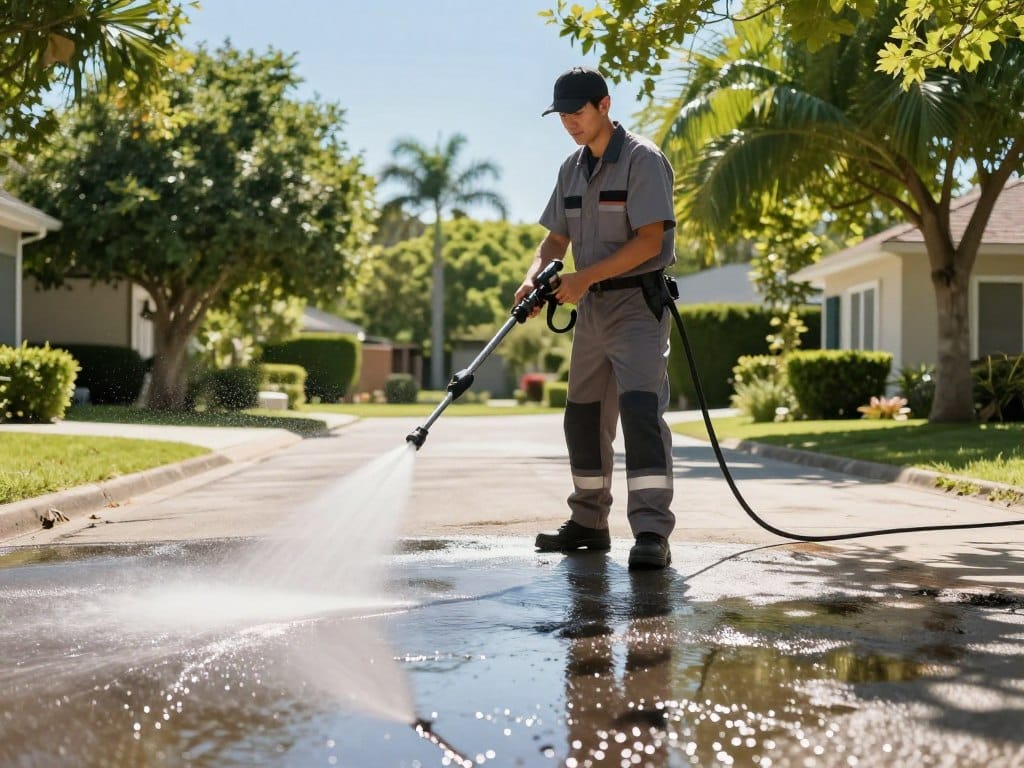
The arrival of summer signals the most efficient window for deep cleaning concrete surfaces. Consistent temperatures between 70 and 90 degrees Fahrenheit enhance the effectiveness of cleaning solutions. This ensures your driveway looks its best without any risk of water freezing or causing surface damage.
Fast Drying Times and Warm Weather Benefits
Warmth allows for rapid evaporation, which prevents unsightly water spots and reduces slip hazards. You can return to using your driveway within hours of a professional pressure washing service. Heat also helps the cleaning process do a great job at releasing stubborn oil stains and tire marks.
High temperatures ensure that organic growth like moss or algae dries out quickly after treatment. These stable conditions provide the perfect environment for a comprehensive restoration before the autumn leaves begin to fall. Warm surfaces release embedded dirt much more readily than cold concrete.
Extended Daylight Hours for Projects
More sun means a local business can offer flexible scheduling throughout the day. Many specialists are open nowserving ludlow neighborhoods during these long summer days. Stable weather patterns minimize delays, giving every service business a predictable and reliable maintenance schedule.
Property owners can choose early morning or late afternoon slots to avoid the peak midday heat. This flexibility ensures the work happens at a time that fits your busy lifestyle. The extra power of the summer sun ensures every corner of your property receives the attention it deserves.
| Summer Feature | Cleaning Advantage | Homeowner Benefit |
|---|---|---|
| Warm Surfaces | Easier Oil Breakdown | Thorough Stain Removal |
| Low Humidity | Rapid Evaporation | Quick Driveway Access |
| Longer Days | Flexible Timing | Convenient Scheduling |
3. Fall: Pre-Winter Preparation
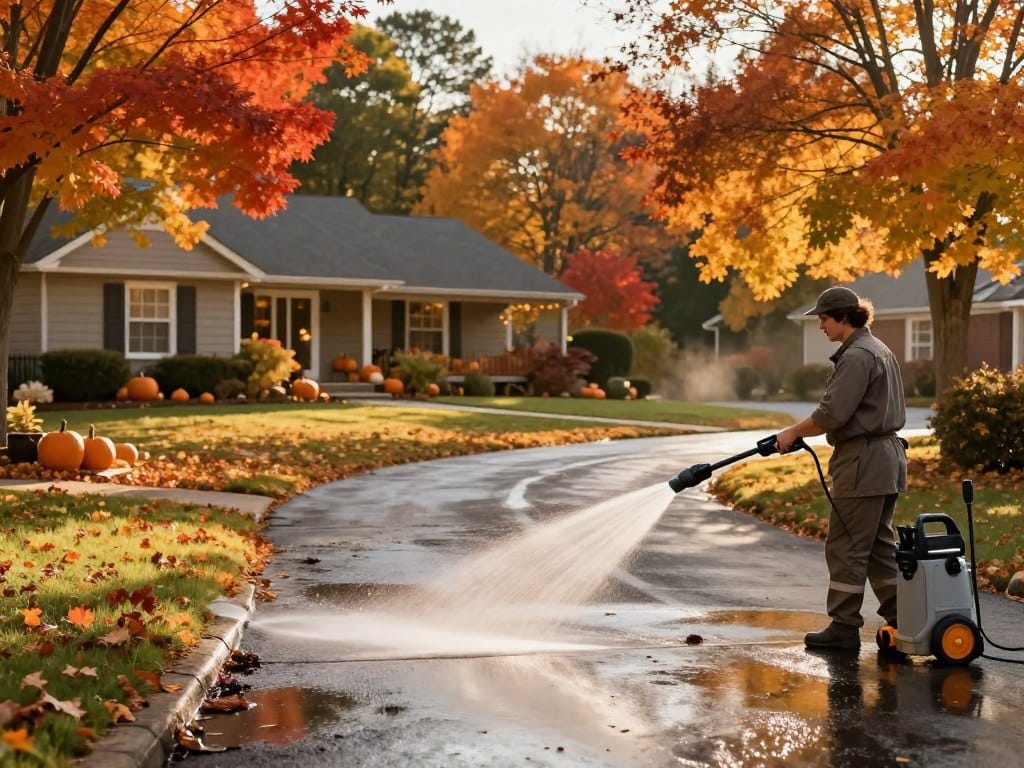
As leaves begin to change, focusing on driveway care becomes essential for long-term surface protection. Fall is a strategic preparatory season before the harsh winter arrives. Many neighbors recently requested this service to keep their properties looking pristine before the first snowfall hits.
Clearing Leaf Stains and Organic Debris
Leaf debris and acorns create stubborn stains during heavy autumn rains. These organic materials cause permanent discoloration and surface deterioration if left too long.
Professional pressure washing removes these tannins before they freeze into the concrete pores. Experts in business since 2021 suggest this is the best way to avoid costly spring repairs and restoration.
Preventing Mold and Mildew Growth
The damp conditions of autumn often lead to mold and algae establishment on porous surfaces. Thorough cleaning creates a protective baseline that stops biological growth during the cold months.
This practice is standard in areas approved in business since residents value consistent home maintenance. Removing these hazards now ensures a safer, slip-resistant surface throughout the snowy season.
| Fall Maintenance Goal | Specific Action | Long-Term Benefit |
|---|---|---|
| Tannin Removal | Wash away wet leaf debris | Prevents permanent staining |
| Organic Clean | Clear acorns and berries | Stops surface pitting |
| Growth Control | Kill mold and algae spores | Reduces winter slip hazards |
4. Winter: When to Avoid Pressure Washing
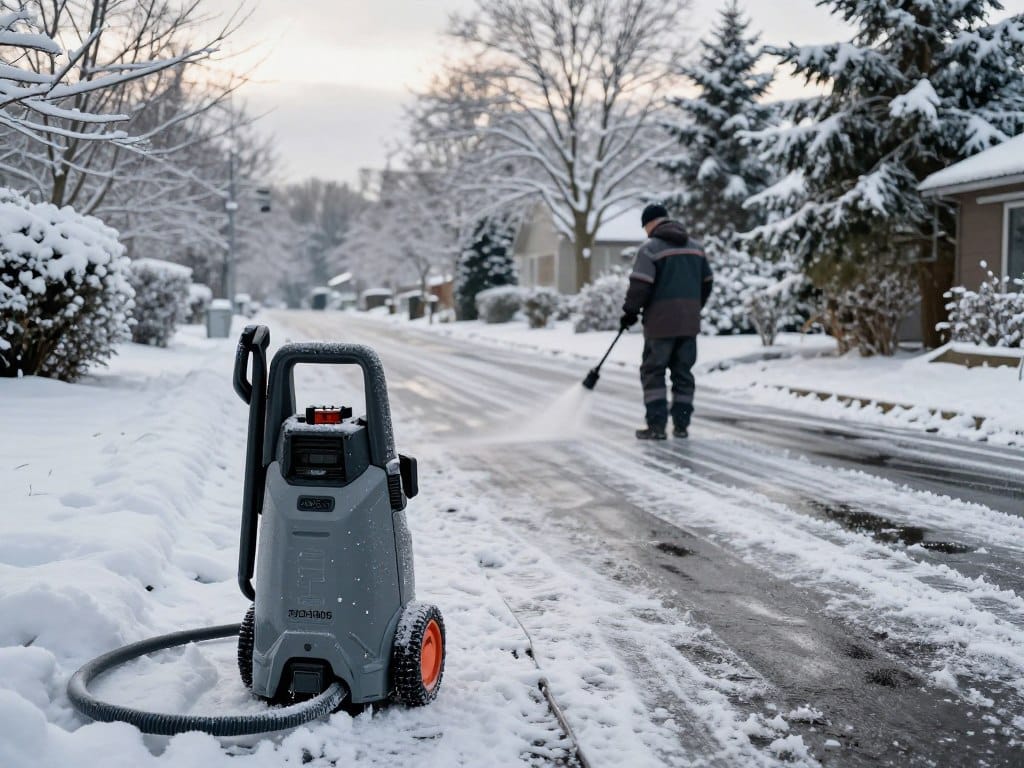
Freezing temperatures below 40°F make water-based cleaning a difficult and risky task for any homeowner. During these months, the air and ground stay too cold for water to work effectively. Most professional service providers in the surrounding areas, approved in business operations, suggest avoiding wet cleaning methods until the spring thaw begins.
When you use water in sub-freezing weather, you risk damaging the structural integrity of your driveway. Water often penetrates the pores of concrete or asphalt. If that water freezes, it expands and causes the material to crack or flake. Waiting for warmer weather is the best way to protect your investment from costly repairs.
Specialists only recommend cleaning in winter for extreme emergencies. These rare cases require specialized tools and heat to prevent instant freezing. For standard maintenance, it is safer to rely on dry sweeping to remove debris and salt buildup.
Freezing Temperature Hazards
Cold weather can quickly ruin your cleaning equipment. Water left inside a pump or hose can freeze and expand, leading to a burst line or a cracked internal seal. This damage reduces the cleaning power of the machine and creates leaks. Frozen components also increase the risk of injury for the person operating the equipment.
Ice Formation and Safety Concerns
Safety is the primary reason to delay winter pressure washing. Water applied to a cold surface can freeze on contact, creating a dangerous and invisible layer of ice. This creates a major slip-and-fall risk for everyone at the business or home. Unless temperatures stay above 50°F for the entire day, it is better to skip the wash.
| Maintenance Type | Ideal Temp | Primary Risk | Recommended Action |
|---|---|---|---|
| Pressure Washing | Above 50°F | Surface Cracking | Wait for Spring |
| Dry Sweeping | Any Temp | None | Remove Debris Weekly |
| Ice Management | Below 32°F | Chemical Damage | Use Concrete-Safe Melt |
Temperature Requirements for Effective Pressure Washing
Achieving the best cleaning results requires more than just water and pressure; it depends heavily on the thermometer. Specific temperature requirements significantly impact pressure washing effectiveness and safety. Most experts recommend an optimal range between 50°F and 85°F to ensure cleaning solutions work properly.
Temperatures below 40°F reduce the power of detergents and slow down the dirt removal process. Using water in freezing weather also risks equipment damage or ice formation on your home exterior. These conditions can cause long-term damage to concrete surfaces if moisture expands inside cracks.
High heat above 90°F causes water and soap to evaporate too quickly, leading to streaks. Remember that dark driveways absorb solar heat and may be 20°F warmer than the surrounding air. This extra heat can cause certain materials to etch or scar during the cleaning process.
| Temperature Range | Cleaning Efficiency | Recommended Action |
|---|---|---|
| Below 40°F | Very Low | Avoid cleaning to prevent ice |
| 50°F – 85°F | Maximum | Ideal conditions for best results |
| Above 90°F | Moderate | Work in shade or early morning |
Reliable experts in business since their founding years have always monitored daily forecasts before starting a project. A professional business, since its early days, knows when to reschedule a job for better weather. Always allow enough time for the driveway to dry completely before night temperatures drop.
Weather Conditions That Impact Cleaning Results
Achieving a spotless finish requires looking at more than just the thermometer on your wall. Humidity levels between 40% and 60% offer the best conditions for pressure washing. This specific range prevents the surface from drying too quickly.
Overcast skies also provide superior results compared to direct sunlight. Clouds allow cleaning solutions to stay wet longer for deeper penetration into the concrete. Intense sun often causes soap to bake onto the surface before you can rinse it away.
Precipitation remains a major concern for any outdoor project. Rain within 24 hours of your work can dilute chemicals or ruin a fresh coat of paint. In areas approved for super service, experts monitor multi-day forecasts to ensure perfectly stable conditions.
Windy days create dangerous spray drift and uneven cleaning patterns. Professionals in surrounding areas approved super service use local climate knowledge to avoid these safety hazards. This careful planning ensures the high quality found in areas approved super service recognized locations.
| Weather Factor | Optimal Range | Impact on Cleaning |
|---|---|---|
| Relative Humidity | 40% to 60% | Prevents rapid evaporation |
| Wind Speed | Below 10 mph | Reduces chemical spray drift |
| Sky Conditions | Overcast/Cloudy | Increases solution contact time |
| Air Pressure | High Pressure | Signals stable, dry weather |
Pressure Washing in Ludlow: Climate-Specific Considerations
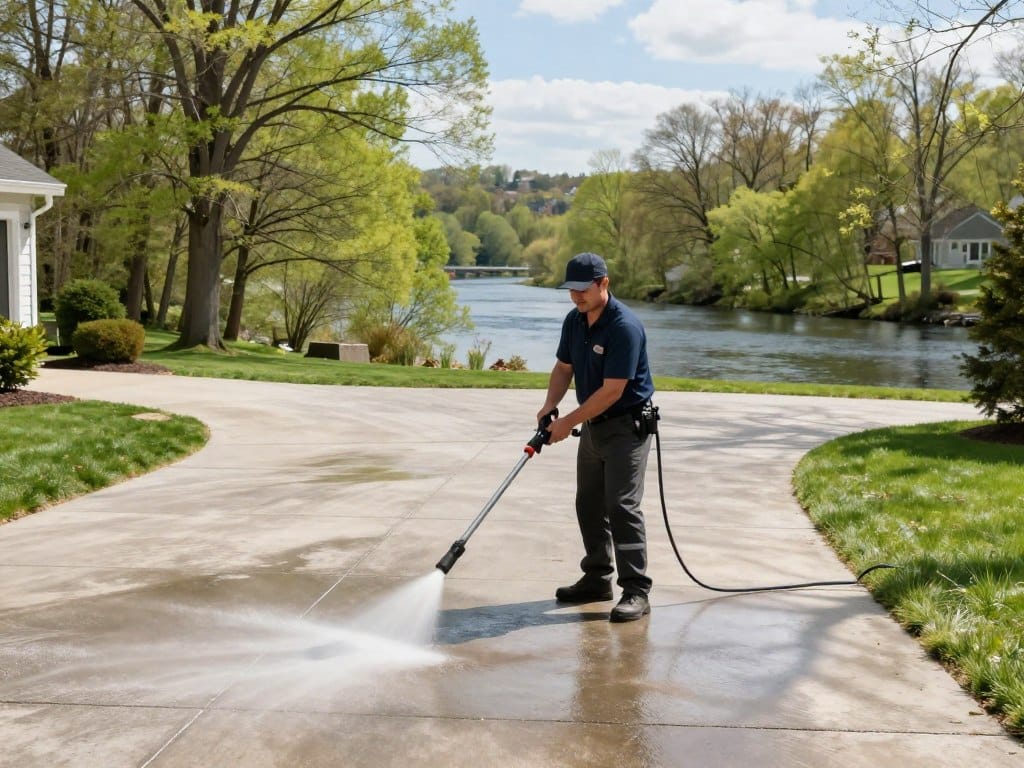
Effective pressure washing in Ludlow depends on the region’s seasonal shifts and local geography. Providers serving Ludlow understand how the Chicopee River increases local humidity. This extra moisture slows drying times and affects when you should schedule a deep clean.
Professionals in categories recognize how these microclimates impact your pavement. The local freeze-thaw cycle lasts from November through March. This creates a small gap for safe work after the spring thaw finally arrives.
Experts now serving Ludlow neighborhoods prioritize clearing away winter salt and chemical deicers. Fall brings heavy leaf debris from deciduous trees that can cause deep organic stains. If you are planning exterior painting, you must time the washing carefully to ensure the surface is ready.
Teams in areas approved for the Super Service Award circles coordinate these treatments to protect your property investment. This precise timing is essential when serving Ludlow properties to ensure the best results before the winter freeze returns.
How to Prepare Your Driveway for Pressure Washing
Getting your driveway ready for a deep clean involves more than just hooking up a hose. You should first clear the area of vehicles, outdoor furniture, and toys. This prevents accidental water damage and ensures a smooth cleaning process without any obstructions.
Perform a detailed inspection to identify loose materials and existing cracks. Locating deep oil stains early helps you plan for specific treatment needs. This step is vital before you begin the pressure washing to avoid making existing damage worse.
Protect your landscaping by wetting down the grass and covering delicate plants with plastic sheeting. You must also verify that all windows and doors are tightly sealed. This prevents high-pressure water from entering your home and damaging interior spaces.
Consulting with an award-winning business can provide peace of mind regarding delicate surfaces. An experienced service award winner will understand how to handle previous repairs or fragile stone. They can also recommend specialized degreasers for stubborn petroleum spots.
Apply these degreasers at least 24 hours before the main project for the best results. Proper preparation ensures that the surface is ready for future painting or sealing. A clean, debris-free driveway allows painting materials to adhere correctly for long-lasting protection.
| Preparation Step | Primary Action | Benefit |
|---|---|---|
| Site Clearance | Move cars and furniture | Prevents property damage |
| Surface Inspection | Identify cracks and stains | Ensures targeted treatment |
| Plant Protection | Wet down or cover greenery | Prevents chemical burn |
| Post-Wash Planning | Schedule sealing or painting | Extends driveway lifespan |
Frequency Guidelines for Driveway Maintenance
Knowing the right interval for surface care helps protect your home’s curb appeal and structural integrity over time. Most residential properties benefit from annual pressure washing to prevent permanent stains and extend the surface lifespan.
Factors like heavy vehicle traffic or nearby trees can increase how often you need to clean. Regular maintenance depends heavily on your local climate and the material composition of the driveway surface.
Commercial locations often require quarterly cleaning to meet safety standards and maintain a professional look. Properties kept in good shape by a winning business since their start often see fewer repairs. Those who have maintained their business since 2020 usually avoid expensive restoration costs later.
Coordination is key to total property care. You should schedule cleaning before other tasks like painting or sealing. Homeowners who have requested a quote for full maintenance programs often find that integrated schedules save money and time.
| Property Type | Recommended Frequency | Primary Benefit |
|---|---|---|
| Standard Residential | Once Per Year | Prevents permanent staining |
| High-Traffic Commercial | Every 3 Months | Ensures pedestrian safety |
| Wooded/Shaded Area | Every 6 Months | Removes mold and debris |
| Industrial Zones | Semi-Annually | Clears chemical pollutants |
Conclusion
Strategic timing for driveway maintenance avoids damage and keeps curb appeal high. Many neighbors recently requested seasonal cleaning to prepare for shifting weather. Good planning determines how much cost you save on future repairs.
Experts do a great job during the mild spring or fall months. If you recently requested quote info, you know professional advice helps. They provide a requested quote for a recommended plan to keep your surfaces safe and clean.
When considering the 2026 cost totals, early care prevents deep cracks. Your neighbors recently requested service to ensure specialists do a great job. Wise scheduling protects your property investment for years to come.