

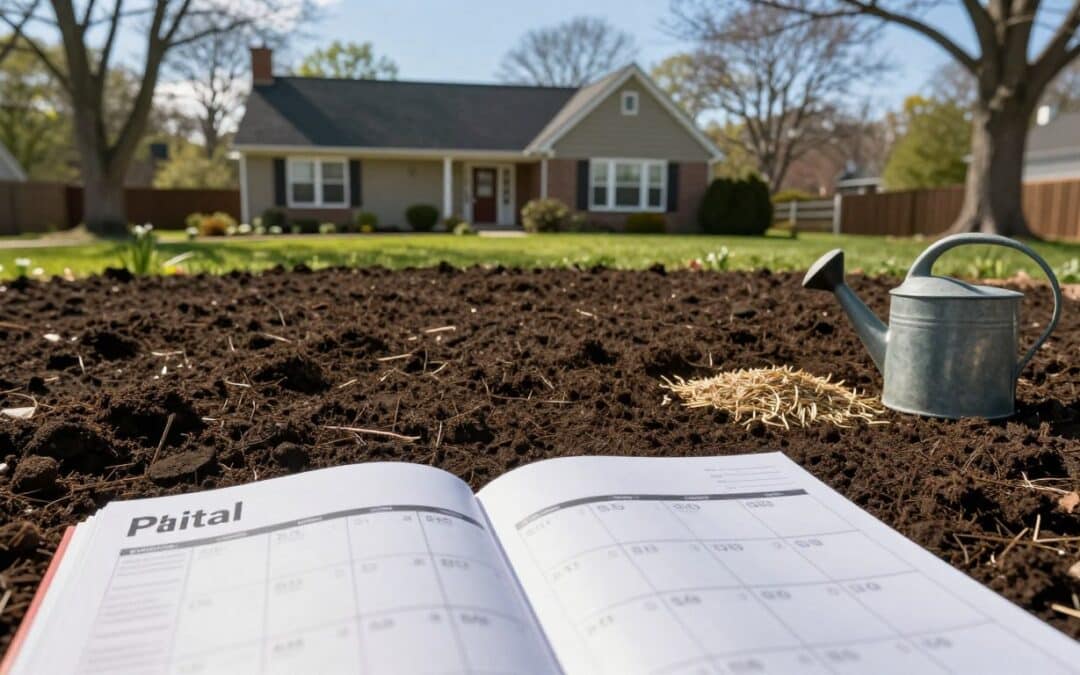
UMass Extension recommends Aug. 15 to Sept. 15 for hydroseeding cool-season grass in Massachusetts. Spring is another workable time, but late summer into early fall is the clearest date range for a new lawn. Weather, soil readiness, and watering ability still shape the choice.
Could waiting a few weeks give a bare yard a better start? In Worcester, Massachusetts, the answer often depends on the season and whether you can keep the seedbed damp. A tackifier is a sticky binding agent added to a slurry to help it adhere to soil and resist runoff.
Key Takeaways
- UMass Extension recommends Aug. 15 to Sept. 15 for cool-season grass.
- Spring can work, but the young grass will face summer heat sooner.
- Prepared soil and steady moisture help seed establish.
- Choose a seed mix for the yard’s light, use, and slope.
- Hydroseeding does not create an instant grass surface like sod.
Spring is another option when the fall window has passed. The two seasonal windows have different tradeoffs, and the calendar is only one part of choosing a sound planting plan.
The two planting windows that work
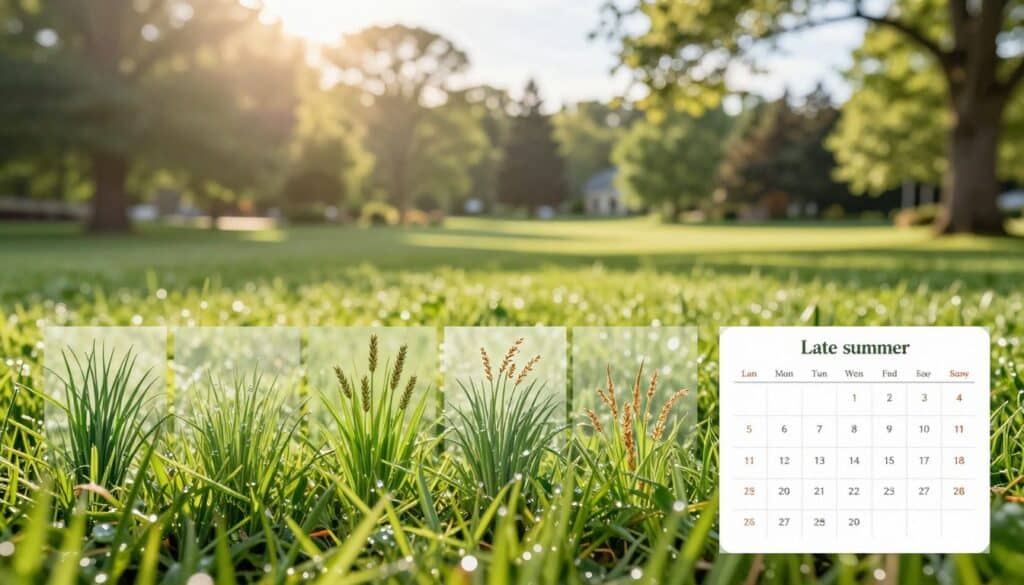
UMass Extension recommends Aug. 15 to Sept. 15 for establishing cool-season grass in Massachusetts. Spring is also a workable seeding season, though it is not the specific date range in that recommendation.
Late summer into early fall is the main window to mark on your calendar. Spring gives you another chance when work, weather, or construction delays the job. The best time also depends on whether the site is ready and you can water it reliably.
Late summer into early fall
Use Aug. 15 to Sept. 15 as the recommended Massachusetts window for cool-season grass. During this period, the seed can start growing before colder weather arrives. A hydroseeding job still needs prepared soil and follow-up care.
Spring
Spring seeding can establish a lawn, especially when the ground is ready and you can keep it moist. It is a broader option, not a second set of official dates. Check local conditions before scheduling the work.
| Window | Timing | Potential advantage | Main concern |
|---|---|---|---|
| Late summer to early fall | Aug. 15 to Sept. 15 recommended | Cool-season seed has time to start before winter | Dry weather can still stress new grass |
| Spring | After the ground is workable | Useful when fall seeding was missed | Young grass faces summer heat |
| Summer | Hot, dry part of the year | May fit urgent site work | Heat and dry soil make establishment harder |
UMass Extension’s lawn renovation and overseeding guidance covers timing and seedbed care. The dates help set the calendar, but late summer often gives Massachusetts lawns a stronger start.
Why late summer beats spring here
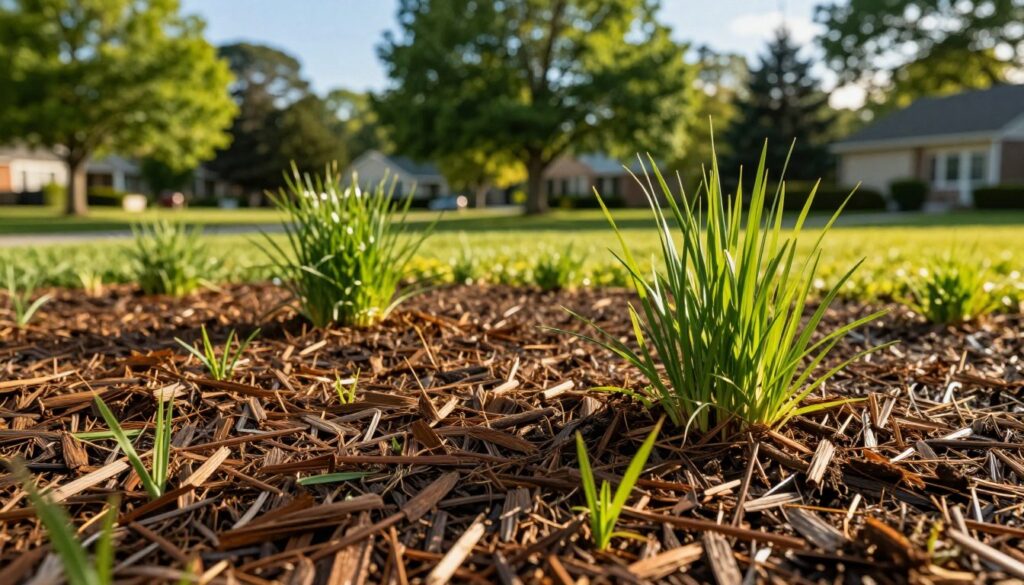
A late-summer planting has time to establish before winter, while a spring planting must face summer heat sooner. That difference can matter for a new lawn, even when both seasons offer a chance to seed.
Cool-season grass can grow during moderate weather before winter. As roots and shoots develop, mulch helps hold moisture near the seed. Good conditions give the seedlings time to become more settled before cold weather.
More time before the next summer
Late-summer seed gets a period of milder weather before the next summer arrives. This can help grass build a stronger start than seed planted in spring. The timing is useful, not a promise of success.
Rain, soil condition, and aftercare all affect growth. A dry stretch can slow germination, while heavy rain may move seed or mulch. Watch the site rather than assuming the season will do the work.
Spring’s heat and watering challenge
Spring grass may grow well at first, then meet heat and dry weather while still young. The seedlings can dry out unless the soil stays moist. A spring planting may need more frequent attention to water as summer approaches.
Hydroseeding can cover soil with a layer of mulch, but that layer does not remove the need for water. Weather and care shape the result in either season. The seasonal edge is real, but it is not a guarantee.
Late summer generally gives cool-season grass more time before its first summer stress. If the calendar slips, heat or cold can make establishment harder, so consider the risks before proceeding.
What happens if you seed outside the window
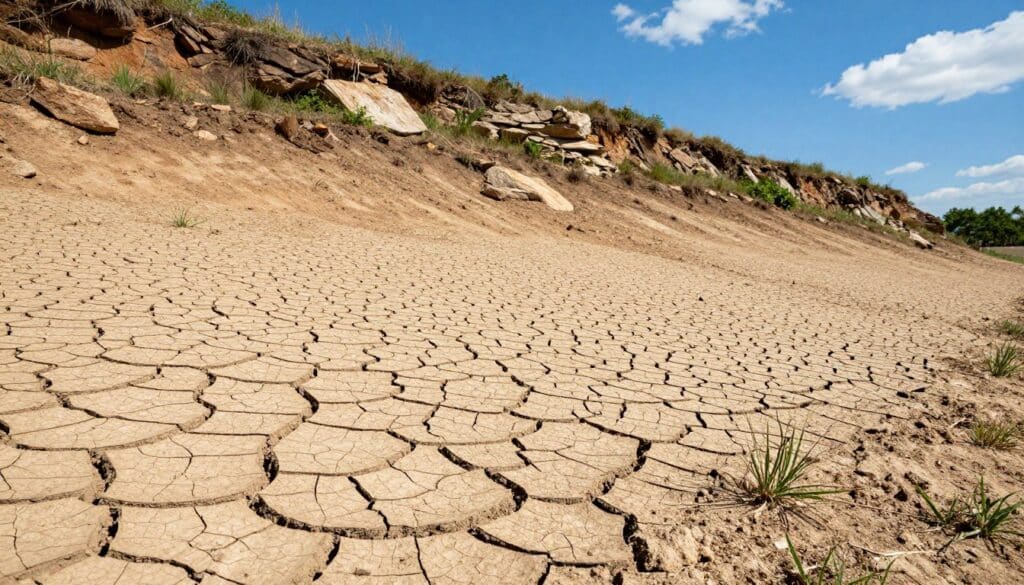
A bare, newly graded Massachusetts yard can struggle when a hot, dry stretch follows seeding. Summer heat and low soil moisture can slow germination or dry young grass before it takes hold.
Seeding very late in the season brings a different problem. The grass has less time to establish before colder weather. On a slope or a recently disturbed site, exposed soil also needs erosion control while you decide when to plant.
When the planned time has passed, consider these practical responses:
- Wait for the next suitable planting window.
- Protect exposed soil from erosion while you wait.
- Ask a local lawn professional whether the site and forecast support proceeding.
Covering or otherwise protecting bare ground matters most on a slope, where runoff can carry soil away. Keep the site stable rather than leaving loose soil exposed through rain or wind.
Some projects cannot wait because construction or repairs have left the ground bare. In that case, weigh the forecast, soil moisture, and erosion risk before scheduling the work.
The calendar matters, but it is only one part of success. The ground and local weather must also be ready for seed to establish.
When Massachusetts soil and weather are ready
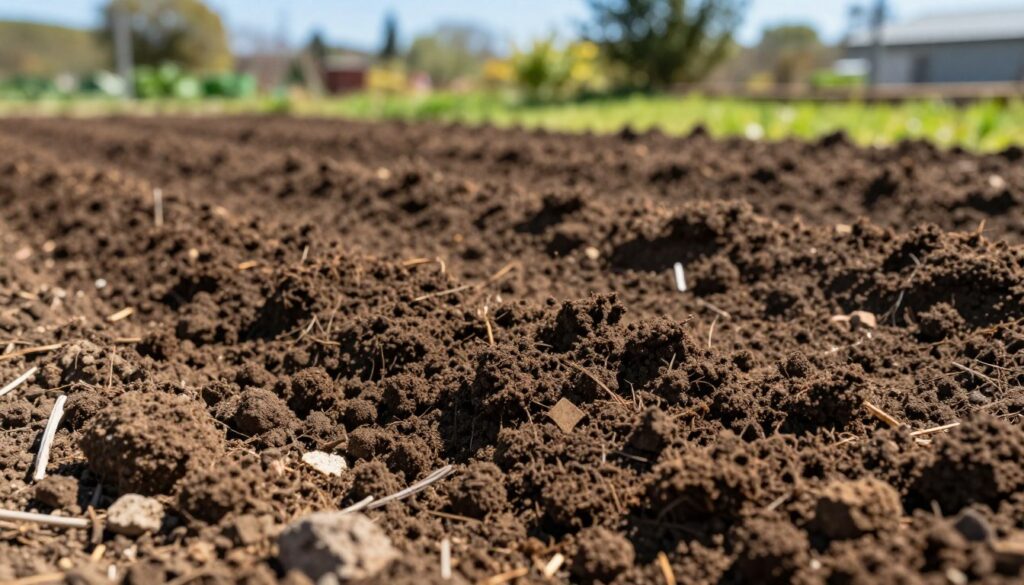
A suitable date cannot make up for poorly prepared or compacted ground. Hydroseeding is applied to prepared soil, and tight or uneven ground can limit seed establishment.
Start by clearing debris, then check whether the surface lets water drain without washing soil away. Compaction can block roots and keep seed from settling into the ground. A level, firm seedbed still needs a loose surface for good seed contact.
Prepare the ground for seed contact
Remove branches, stones, and thick plant debris that could leave gaps. Break up compacted areas so the seed can reach soil and young roots can grow. Grade the site to guide water away without creating new runoff paths.
Keep the surface ready for seed contact, not hard and sealed. If a soil test points to a need for lime or fertilizer, use its results to guide those choices. Avoid adding material without a reason tied to the soil.
Check the forecast and site moisture
Moderate weather and dependable moisture support germination. A brief dry spell may be manageable if you can water the site, but repeated dry conditions make consistent watering harder.
Look at the forecast and your water access before booking. If you cannot keep the seedbed damp during early growth, delay the job if possible. Check low areas too, since standing water can damage the seedbed.
These conditions matter across small and large areas, including slopes and newly graded ground. Once the soil is prepared and moisture is manageable, choose a grass seed mix that fits the site.
Which grass seed fits a new Massachusetts lawn?
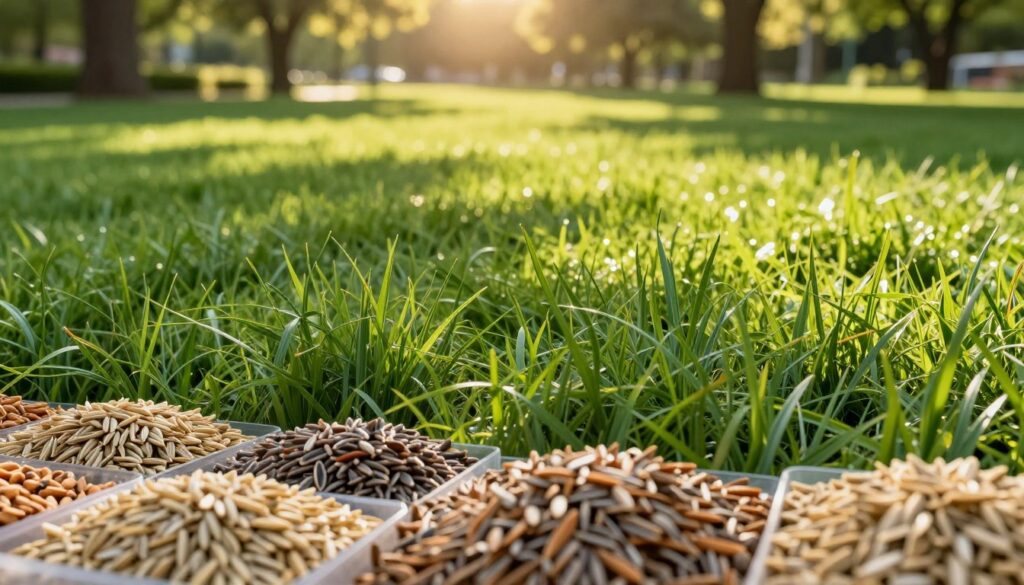
Choosing a locally suitable cool-season mix matters as much as choosing a planting date. Massachusetts lawns commonly use tall fescue, Kentucky bluegrass, and perennial ryegrass, but no one mix fits every yard.
Start with the site’s sunlight, soil, slope, and intended use. A play area may need a different blend than a lightly used patch beneath trees. Seed selection also affects how the lawn responds to wear and care.
Match the seed mix to sun and shade
Notice how much direct light each part of the yard gets. A sunny front lawn and a shaded strip along a building may need different seed choices. Tell the installer about these changes across the site.
Soil and drainage matter too. A wet low spot, dry bank, or compacted path may not support the same mix as the rest of the yard. A single blend can be a poor fit when conditions vary sharply.
Choose for the site’s use and risks
Think about foot traffic, pets, and the time you can give the lawn. A slope may need seed and mulch suited to erosion risk. Ask how a proposed mix fits the site instead of choosing by a label alone.
| Grass type | Typical use | Selection consideration |
|---|---|---|
| Tall fescue | General-purpose lawns | Check whether its traits fit the site’s light and soil |
| Kentucky bluegrass | Common cool-season turf | Match it to the yard’s care needs and conditions |
| Perennial ryegrass | Often part of a cool-season mix | Consider traffic, sun, and the blend’s other seeds |
Seed can be combined with fertilizer as part of a project, but the soil’s needs should guide that choice. Good landscaping starts with a mix suited to the ground, not a promise that one grass type will thrive everywhere.
Once you settle on the seed, hydroseeding offers one way to deliver it across the prepared ground.
How Hydroseeding Protects Seed and Soil
The visible application is a wet layer sprayed over prepared soil. That slurry carries seed, water, and mulch, with fertilizer and a tackifier included in some mixes.
Wood fiber or another mulch helps hold moisture around the seed and shields it from wind and rain. A tackifier can help the material stick to the soil, especially on slopes where runoff may move seed.
What the slurry contains
Slurry is the sprayed mixture of seed and other materials used in hydroseeding. Its exact mix can vary by job. Wood fiber is one common mulch material, while other products may use a different mulch or include fertilizer.
The tackifier is the sticky binding agent in the slurry. It helps the mix adhere to soil and resist runoff. The mulch supports moisture retention, though it does not replace the need for follow-up watering.
How the mix is applied
A hydroseeding machine holds and mixes the materials in a tank. A worker directs the mix through a hose and sprays an even layer across the site. The goal is to cover the prepared ground without leaving bare gaps or piles.
Hydroseeding lawn jobs can cover large areas, while small kits may suit limited projects. A hydroseeding DIY setup still needs proper soil preparation and careful follow-up. A kit does not make uneven spraying or poor ground conditions disappear.
Equipment and materials vary by project size and access. On a steep or tight site, the machine and hose setup may change. After the application, new seedlings still need steady moisture and protection.
What should you do after hydroseeding?
Steady moisture is the key early task after application, while heavy watering can wash slurry away. Keep the seedbed damp as directed, and protect it while germination begins.
The mulch helps with moisture retention, but it cannot water itself. Watch the surface and adjust to rain, sun, and wind. Follow the installer’s directions for the specific seed and site.
Use these four early-care steps:
- Follow the installer’s watering instructions.
- Keep the seedbed consistently moist without washing seed away.
- Limit foot and pet traffic on the planted area.
- Wait to mow until the grass is established and ready.
Germination time depends on grass type and weather. Some seeds sprout before others, so the surface may look uneven at first. Do not assume every bare patch has failed before the seed has had time to grow.
Wait until the grass is established before mowing. Cutting too soon can disturb young plants and their root system. The right time varies with growth, weather, and the mix used.
Good aftercare gives the new lawn a better chance to fill in, but it does not turn seed into instant turf. That difference helps explain how hydroseeding compares with sod and dry seeding.
How does hydroseeding compare with sod and dry seeding?
Choose sod for an immediate grass surface, while either seeding method requires patience as grass grows. Hydroseeding vs. dry seeding is mainly a choice between a sprayed slurry and seed spread onto prepared soil.
Both seeding methods need time to establish. Sod covers the ground with living grass as soon as it is laid, though it still needs care to take hold. How quickly a seeded lawn looks full depends on conditions and follow-up.
| Method | What is installed | When it looks like a lawn | Relative cost |
|---|---|---|---|
| Hydroseeding | Seed, water, and mulch slurry | After seed grows and fills in | Generally less than sod, more than dry seeding |
| Sod | Established grass in strips or rolls | Immediate grass surface | Generally more than hydroseeding |
| Dry seeding | Seed spread over prepared soil | After seed grows and fills in | Generally less than hydroseeding |
Hydroseeding is generally less expensive than sod, but more involved and costly than dry seeding. The process can work well for larger or sloped areas where a sprayed layer helps cover the ground.
Sod may suit a site where immediate cover matters. Dry seeding can suit a smaller, accessible area. These methods do not work the same way on every site, so balance speed, ground conditions, and care needs.
Each method has tradeoffs in cost, coverage, and time. The best choice depends on the site and how quickly you need a grass surface. An established lawn raises a separate question: can hydroseeding help there?
Can you hydroseed an existing lawn?
Yes, you can hydroseed an existing lawn when seed can reach suitable soil. Thick grass can block seed-to-soil contact, which limits the chance that new seeds will establish.
A bare patch or badly damaged area may need different work than routine overseeding. If old turf is thin, seed may reach open soil. If it forms a dense mat, the area may need thinning or turf removal first.
Do not assume every existing lawn needs full removal. The size and condition of the area guide the application and prep. A professional can assess whether seed has a path to soil and whether the root system can support new growth.
For a small bare spot, focus on opening the surface enough for seed to contact soil. A larger renovation may call for more extensive work before hydroseeding. The area and preparation needs also shape the project budget.
How much does hydroseeding cost in Massachusetts?
Two hydroseeding projects with the same area can receive different estimates when access, slope, or preparation needs differ. Cost also changes with seed and mulch choices, plus any erosion-control work.
For “How much does it cost to hydroseed a 3000 sq ft lawn?” square footage alone is not enough for a dependable estimate. A site visit can show whether the ground needs grading, clearing, or other preparation first.
Hydroseeding costs depend on the amount of work as well as the size of the area. Limited access can make equipment setup harder. A steep or disturbed site may need more care to control erosion and keep material in place.
Seed mix and mulch also affect the scope. Ask what the estimate includes, such as preparation, materials, and application. A written scope makes it easier to compare work rather than looking at a total alone.
U.S. estimates may use square feet, while hydroseeding cost per m2 may appear in other settings. Make sure a local estimate names the unit and states what preparation and materials it covers.
Once you understand the estimate’s scope, you can compare local contractors on the work they plan to do.
How to choose a local hydroseeding contractor
Compare written scopes from local providers before choosing based on convenience alone. A nearby crew may not be the best fit if its plan leaves out soil prep, slope needs, or aftercare instructions.
Search “hydroseeding near me” to find local options, then compare the work each provider includes. A hydroseeding machine and application method should suit the size and access of your job.
Use this checklist when you review a proposal:
- Ask whether the seed mix suits the site’s light, use, and soil.
- Confirm which soil preparation and grading the price includes.
- Ask how the provider handles slopes and erosion-control needs.
- Get clear written directions for aftercare.
For a narrow side yard, equipment access may affect how the crew reaches the ground. A larger open site may need a different setup. Ask how the proposed application will cover the area without leaving missed strips.
Look for a clear description of the landscaping work, not just a promise to spray seed. You can review these details about local hydroseeding services and the application process as a concrete example of what a project may include.
Written plans make it easier to compare providers on scope rather than distance alone. Once the site and crew are settled, the main decision returns to the planting calendar.
Conclusion
UMass Extension recommends Aug. 15 to Sept. 15 for establishing cool-season grass in Massachusetts. Spring remains a workable alternative when the fall window does not fit.
The site still needs prepared soil and dependable moisture for seed to establish. Check your ground and the local forecast, then arrange a planting plan for a suitable window.