
Commercial pressure washing uses a concentrated, forceful water stream to remove soil. Soft washing applies a cleaning solution at low pressure, then rinses away loosened buildup. The right choice depends on the surface and the kind of soil you need to remove.
For a Nashville property, the surface material and soil help determine the safer, more useful method. This comparison can help you discuss the work with a local contractor and give your customer clear information before cleaning begins.
Key Takeaways
- Pressure washing uses a higher-force stream to remove soil.
- Soft washing uses low pressure, a cleaning solution, and a rinse.
- Surface material and condition affect the method choice.
- Water flow, nozzle, distance, and chemistry affect cleaning.
- Ask for a written scope before booking the work.
You can review commercial pressure washing services and guidance as you compare options. First, consider what each method does at the surface.
What each method does to a surface
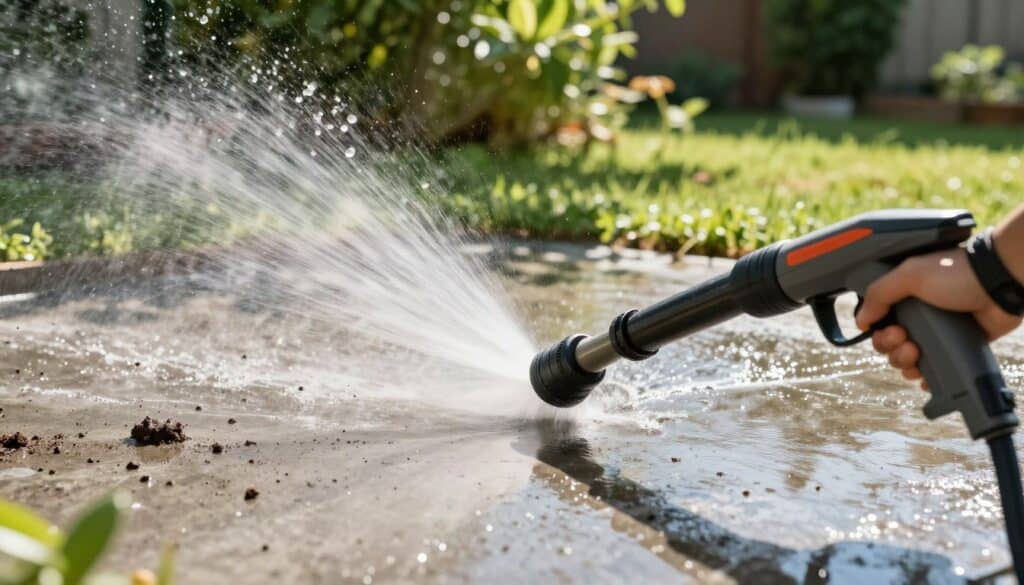
Pressure washing uses the force of a concentrated water stream to remove soil, while soft washing relies on a cleaning solution and rinse. The methods differ in how they loosen or lift buildup from a surface.
GPM means gallons per minute, the volume of water a machine delivers each minute. Along with pressure, that flow helps describe how a pressure washer works during cleaning.
Pressure washing directs a higher-force stream toward the surface. The contractor adjusts the setup to the task, since suitable pressure depends on the surface and equipment.
Soft washing applies a solution at low pressure, typically below 500 PSI. The solution acts on buildup, and a rinse removes or loosens it.
Neither method is defined by a number alone. Pressure matters, but water volume, nozzle type, distance from the surface, and cleaning chemistry also affect results.
A narrow nozzle can focus the stream into a smaller area. A wider spray spreads it out, while greater distance can reduce impact at the surface.
The water volume affects how much soil the washer can rinse away over time. A pressure washer with more flow does not automatically suit every surface or job.
Cleaning solutions also change the work. Some soils respond to a cleaner and rinse away, while others may need direct water force or a different treatment.
The table gives a broad comparison, not a setting for a specific job. A contractor still needs to consider the material and condition before choosing a method.
| Method | How it cleans | Typical pressure |
|---|---|---|
| Pressure washing | Concentrated water force removes soil | Higher force, set for the surface and setup |
| Soft washing | Solution loosens buildup, then rinse removes it | Typically below 500 PSI |
These differences can guide a first choice, but they do not replace a close look at the material. Next, match the method to the surface.
Which surface needs which
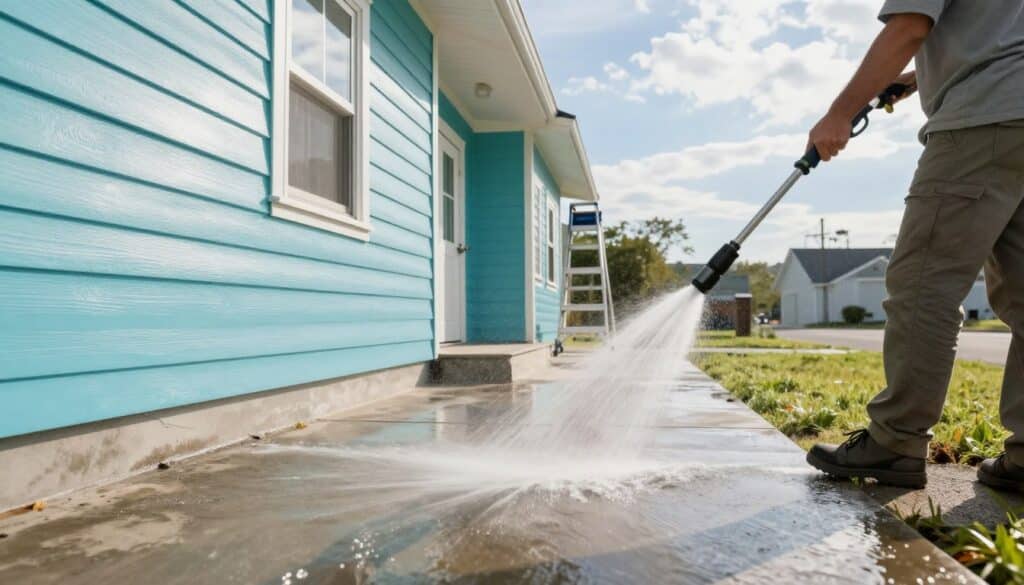
A concrete walkway may suit pressure washing, while a painted facade often needs a gentler approach. The same commercial site can call for different cleaning methods across nearby surfaces.
Material, age, and existing wear all matter. A pressure washer setting that works on one part of a building can be unsuitable a few feet away.
Concrete, brick, and masonry
Concrete can often tolerate pressure washing when the contractor chooses an appropriate setup. A test on a small, less visible area helps show how the surface responds.
Brick and mortar need more care. Older or weak mortar can erode, so a lower-pressure wash or another gentle method may be a better starting point.
Brick faces also vary in strength and finish. Check a test area before cleaning the full wall, and watch for loose joints or prior repairs.
For a concrete walkway, the contractor can assess its condition and soil, then choose a suitable nozzle and distance. A stained, cracked, or patched area may need a different plan.
Roofs, siding, and painted surfaces
Roof shingles, siding, and painted finishes often call for lower pressure or soft washing. A forceful stream can affect a finish or push water into areas that should stay dry.
Roof materials differ, and age or existing damage changes the choice. A worn shingle surface may need a careful inspection before any cleaning starts.
Painted siding can also have loose paint, open joints, or damaged trim. Those conditions make a low-pressure approach and a test area more important.
Use the table as a starting point, not a fixed rule. The contractor should adjust the method to the surface and its condition.
| Surface | Usual starting method | Key caution |
|---|---|---|
| Concrete | Pressure washing with a suitable setup | Check cracks, patches, and weak areas first |
| Brick and mortar | Gentle, lower-pressure cleaning | Test for loose or weak mortar |
| Roof shingles | Soft washing or another low-pressure plan | Check shingle condition before cleaning |
| Painted siding | Soft washing or low-pressure rinsing | Look for loose paint and open joints |
A surface-specific choice can limit unwanted wear. Poorly matched pressure can still harm material, even when the job begins with a reasonable plan.
The damage pressure does to the wrong material
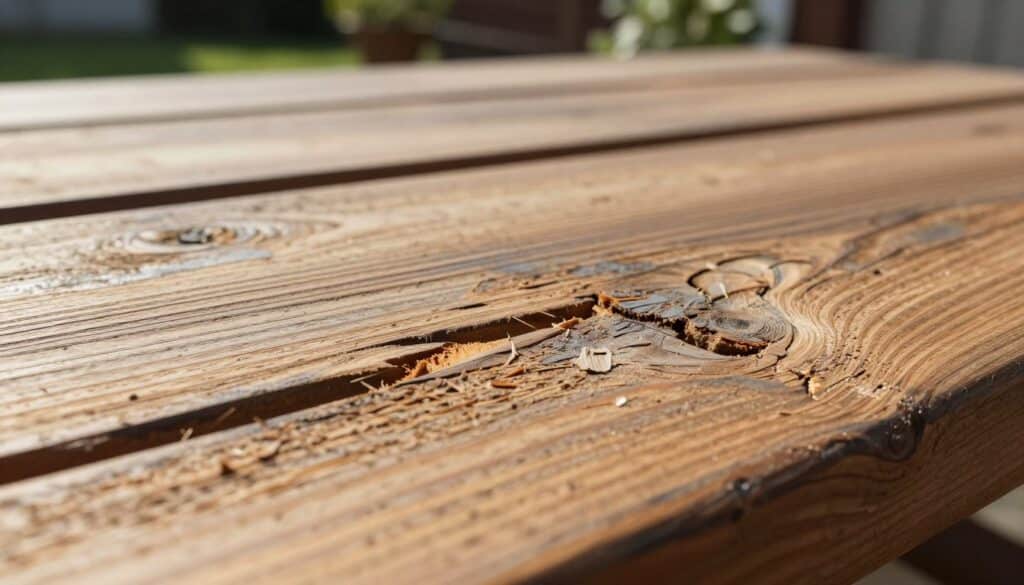
Wood fibers can lift under an overly forceful pass, leaving a rough surface instead of a clean one. Excessive or poorly directed pressure can harm many materials, though pressure washing does not damage every surface.
Four warning signs help show when the force has gone too far:
- Raised wood grain or gouges in the surface.
- Paint loss or peeled patches after a pass.
- Water intrusion behind siding or trim.
- Crumbling or eroded mortar between masonry units.
Close nozzle distance increases the force at the surface. A narrow spray pattern can also focus that force into a small area.
Deteriorated material has less ability to withstand cleaning. Holding the stream in one spot for too long can raise the risk of visible damage.
Water behind siding may not show right away. A contractor should avoid directing a concentrated stream toward seams, vents, or damaged joints.
Paint loss may expose the material below and leave an uneven finish. On wood, a gouge or rough patch can remain after the area dries.
Mortar can crumble when pressure wears away weak joints. Brickwork with loose or damaged mortar needs a gentler plan and close checks during cleaning.
Sturdy concrete can still be damaged when pressure is misapplied. An unsuitable nozzle, close range, or long pass over one spot can mark the surface.
Stop if a test area changes the finish or exposes a weak spot. A contractor can then lower the force, increase distance, or use another approach.
These risks matter across a full commercial site, where materials and conditions often change. Operators need to plan the method for the property as a whole.
Commercial Pressure Washing or Soft Washing for a Business?
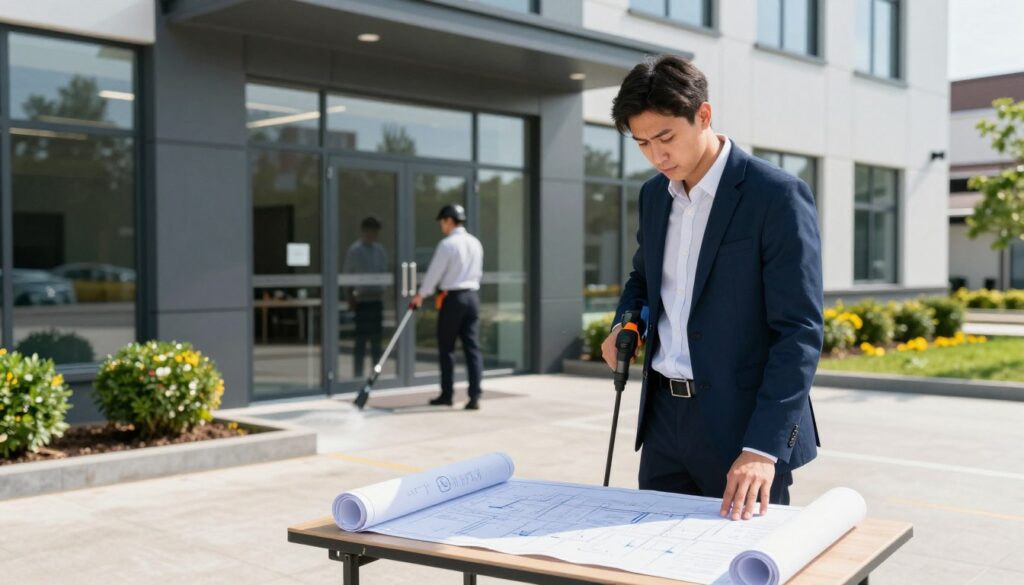
A mixed-use commercial site may have concrete walkways, painted walls, and roof areas that need different cleaning methods. One approach rarely suits every surface on the property.
A contractor should weigh the material, soil, access, and foot traffic before setting the work plan. The choice can also depend on nearby landscaping and active business operations.
Concrete near an entrance may need direct soil removal, while painted walls may need a lower-pressure treatment. Roof areas bring their own surface and access concerns.
Soil type also guides the plan. Oily residue may call for heat or a compatible cleaner, while loose dirt may need less treatment.
Foot traffic can affect when and how the contractor works. A busy entrance may need a work window, clear access, and controls to keep people away from wet areas.
Nearby landscaping, doors, signs, and outdoor equipment also need protection. The contractor should account for runoff and overspray, especially where the work sits beside an active entrance.
Ask how the contractor will divide the site into work areas. A clear plan can show which surfaces need cleaning first and how the crew will manage access.
The best commercial pressure washing depends on the job, not on one method being best for every property. The plan should fit each surface and its operating limits.
A property-wide approach may include more than one type of wash. Once the broad plan is clear, pressure and water flow help explain how the impact changes.
How PSI and water flow affect cleaning

Two machines can share the same PSI rating and still clean at different speeds if one delivers more water each minute. Pressure and flow describe different parts of the wash.
PSI means pounds per square inch, a measure of water pressure. GPM describes flow, or how much water the machine delivers over time.
What PSI tells you
PSI tells you how much pressure the water stream can exert. An unsuitable pressure setting can harm a surface, so the number must fit the job.
What PSI is a commercial pressure washer? Commercial machines cover a range of pressure ratings because businesses clean many types of surfaces and soils.
No single rating defines every commercial pressure washer. The right pressure depends on the work, the surface, and how the contractor sets up the machine.
A 3,000 PSI pressure washer may suit some commercial work, but that rating does not make it safe for every material. Flow, nozzle, distance, and technique also matter.
The pressure at the surface can change with the nozzle and its distance. A narrow spray used too close can have a stronger impact than a wider pattern farther away.
Why GPM matters too
GPM describes the water volume delivered each minute. More flow can help rinse away loosened soil faster, though it does not make every task suitable for a machine.
When you compare pressure washers, look at pressure and flow together. A high PSI figure alone does not explain how quickly a machine can rinse a large area.
Water access can shape the work as well. The site needs a supply that supports the chosen setup and allows steady cleaning.
Pressure and flow work with the nozzle, distance, and technique. Those settings affect both the cleaning result and the force reaching the surface.
Once the contractor has chosen a suitable setup, water temperature can offer another way to treat certain soils.
When hot water helps, and when it does not
An oil-marked service area may benefit from hot water, while cold water may be enough for dust on a walkway. Heat can help loosen oily soil, but it does not suit every job.
A loading area with greasy residue presents a different cleaning task from ordinary dirt on concrete. The contractor should consider the soil before choosing hot or cold water.
Hot water can help loosen oil and grease from a compatible surface. It may make the soil easier to remove during the wash.
Heat does not replace a suitable cleaner when the soil calls for one. It also does not remove the need for surface-compatible pressure or safe handling.
A concrete walkway with dust or loose dirt may clean well with cold water. Adding heat does not necessarily improve a job with no oily soil.
Surface condition still matters. A contractor should account for the material before using hot water, since heat and pressure can both affect the finish.
Hot-water equipment also changes the way a job is planned. The operator needs to follow the equipment directions and keep the work area controlled.
For many routine washes, the soil type gives a useful first clue. Oily residue may benefit from heat, while non-oily dirt may not need it.
Temperature is only one part of the cleaning process. Cleaning solutions also have a role, along with limits that matter for safe use.
What cleaners do in a soft wash
Biological growth on a shaded exterior may not come off through water force alone. A cleaning solution can treat that buildup before a low-pressure rinse.
The solution needs the right product, contact time, and rinse plan for the task. Stronger or longer application is not automatically better.
How solution and dwell time work
A cleaner works on soil while it remains on the surface for its label-directed contact time. That period is often called dwell time.
The solution may loosen or treat buildup, making it easier to remove during rinsing. The contractor should use the product only as its label directs.
Soil type and surface condition affect the result. A product meant for one task may not suit another material or kind of buildup.
Leaving a solution on longer does not guarantee a better clean. Too much contact can create problems, so the label’s time and directions matter.
Choosing and rinsing a cleaner safely
Check the label for use directions and material limits before applying a cleaner. The product must suit the surface and the cleaning task.
Nearby plants, fixtures, signs, and outdoor equipment may need protection. The contractor should plan for overspray and runoff before applying the solution.
Rinse the surface as directed by the product label. Thorough rinsing can help remove residue and protect nearby materials from unwanted contact.
Keep the solution away from areas where it could cause harm. The right precautions depend on the site, product, and surfaces around the work.
Do not mix products based on guesswork. Follow label directions and use chemical-safe parts in any application system.
A solution supports cleaning, but it does not replace good site planning. The soil and setting help determine which commercial jobs call for a specific approach.
Which method fits common commercial cleaning jobs
A greasy commercial service area calls for a different starting point than routine dirt on pavement. The soil and material help guide the first method choice.
Grease, ordinary dirt, and biological growth each respond to different cleaning approaches. The table shows a starting method, subject to surface condition and safe chemical use.
| Job or soil | Starting approach | Why |
|---|---|---|
| Greasy kitchen surfaces | Hot-water pressure washing on compatible surfaces | Heat can help loosen oily soil; use safe cleaners |
| Ordinary dirt on concrete | Pressure washing on suitable durable concrete | Water force can remove routine soil |
| Biological growth on a building exterior | Soft washing on compatible surfaces | Solution can treat growth before a low-pressure rinse |
Kitchen areas may include more than one material. A contractor should check the surface and choose any cleaner for safe use on that material.
Hot water can help with grease, but it does not make every surface suitable for pressure washing. The setup still needs to fit the material.
For concrete, a suitable pressure-washing method can remove routine dirt. Stains, wear, or repairs may call for a test or adjusted approach.
Biological growth on an exterior may suit soft washing when the material can handle the selected solution. Protect nearby plants and fixtures during application.
Commercial washers and pressure washers can serve different jobs, but the method must match the soil and surface. A professional process turns that choice into controlled work.
The next step is to understand what a careful wash should include from inspection through final review.
What a professional wash should include
Before anyone pulls a trigger, the contractor should inspect the surface, nearby property, and work area. That first check helps shape a safe plan for the site.
A professional wash should change with the material and setting. The crew should follow equipment and chemical directions throughout the work.
- Inspect the surface and nearby risks, including openings, plants, and equipment.
- Choose a method, then test it in an inconspicuous area.
- Protect people, openings, plants, and equipment before cleaning starts.
- Control overspray and runoff as the crew washes.
- Rinse or inspect the result, then adjust if needed.
Eye protection and suitable footwear help protect the crew during the wash. Keep the spray away from people, even when the work area appears clear.
The contractor should follow the equipment instructions and any cleaner label directions. A site with nearby doors or outdoor equipment may need extra care.
Runoff can move soil or cleaning solution away from the work area. The crew should plan how to control it before washing begins.
A small test can show whether the method suits the material. If the surface changes or soil remains, the contractor can adjust the plan.
Some crews use a staged process of consultation, site preparation, washing, finishing, and a final review. You can read about a pressure-washing process for exterior surfaces to see how those steps fit together.
Work steps vary with the site and material, but inspection and control matter throughout. The equipment should support the chosen method, not dictate it.
Choosing commercial equipment for each method
A contractor cleaning durable concrete needs different tools from one applying a low-pressure solution to a building exterior. Equipment choices should follow the work planned.
No single machine handles every job in the same way. Pressure washing and soft washing rely on different equipment roles and compatible parts.
Pressure-washing machines and accessories
A commercial pressure washing machine may use cold water or heat water for tasks where heat can help. The choice depends on the work and the surfaces involved.
Compare the power source, flow, and pressure ratings. The machine also needs hoses, guns, and nozzles suited to the work and compatible with its setup.
A commercial pressure washer gun connects the operator to the hose and nozzle. Its fit and condition matter during controlled use.
Cold-water machines can support many cleaning tasks. Hot-water machines add heat for compatible work, such as oily soils, but need suitable handling.
Soft-wash systems and application tools
A separate low-pressure application system can apply cleaning solution without relying on a pressure-washing stream. Its tanks and hoses must suit the product and job.
Choose chemical-safe components for any parts that contact the cleaner. Tanks, hoses, and application tools need to match the product directions.
A pressure washing business start up kit should fit intended work, transport, safety gear, and accessories. A universal bundle may include tools that do not fit your jobs.
Plan how the equipment will travel to each site. The vehicle or trailer, hoses, and other supplies all need space and safe storage.
Pressure washers may share some accessories, but one setup does not make every method interchangeable. Match each part to the equipment and work.
Once equipment needs are clear, a customer can ask a contractor how those tools fit the job and site plan.
How to choose a commercial washing provider
A property manager can start by asking how a contractor will treat a painted facade beside a concrete entrance. A clear answer should address both surfaces and the site conditions.
Compare commercial pressure washing companies by their proposed scope and method, not just the headline rate. These five checks can help define the work:
- Experience with the relevant surface and soil.
- A clear method explanation and plan for a test area.
- Insurance details and safety practices.
- A written scope naming surfaces, preparation, and runoff handling.
- A plan for access and protection of people or operations.
Ask how the contractor will protect nearby areas and keep people clear. The plan should fit your hours, entrances, and ongoing operations.
You can search for a pressure washing business near me, then compare what each contractor proposes. A nearby result is only a starting point, not proof that the scope fits.
How do I quote a pressure washing job? You can quote a pressure washing job by assessing area, soil severity, access, water availability, protection, and the chosen method.
Ask each pressure washer business to name the surfaces and work included. A written scope makes it easier to compare service plans and customer service.
Ask who will manage the work and how the contractor will handle changes at the site. Clear communication can help your customer and crew avoid confusion.
A detailed scope lets you compare similar work across bids. The quoted cost can then be judged against the method and work included.
What affects the cost of a commercial wash
Two jobs with the same area can need different time and equipment. A clear quote reflects the work conditions, not just the square footage.
Cost depends on area, soil level, surface type, access, water and runoff requirements, selected method, and any hot-water or specialty equipment needed. Each item can change the crew’s time or setup.
A pressure washing business start-up cost can include equipment, a vehicle or trailer, insurance, and supplies. Those startup needs differ from the factors that shape a customer’s job quote.
Ask for the work area, preparation, and method to appear in writing. A surface-specific scope gives you a sound basis for booking the service.
Conclusion
Match the force to the material, and choose soft washing when low-pressure, solution-led cleaning is the safer fit. Surface condition should guide the decision, not a machine’s rating alone.
Ask for a written plan that names the surface, method, precautions, and expected scope. Your concrete next step is to request a surface-specific assessment and written scope before booking.