

Have you ever wondered how to achieve a stunning front yard without the constant upkeep? The truth is, low maintenance front yard landscaping can transform your home’s curb appeal while saving you time and effort. By embracing smart design choices, you can create a beautiful outdoor space that requires minimal work.
In this article, we will explore 15 budget-friendly ideas that not only look expensive but also prioritize sustainability and practicality. From selecting the right plants to incorporating durable materials, these tips will help you enjoy your yard without the hassle of regular chores.
With the right approach, you can design a front yard that thrives on natural beauty and requires less water and care. Let’s dive into the world of effortless outdoor aesthetics!
Key Takeaways
- Smart planning can significantly reduce yard work.
- Choosing native plants supports local ecosystems and lowers upkeep.
- Durable materials like gravel and mulch minimize routine maintenance.
- Evaluate your yard’s sun and soil conditions for optimal plant selection.
- Incorporate hardscaping to enhance both function and beauty.
Why Opt for Low Maintenance Front Yard Landscaping?
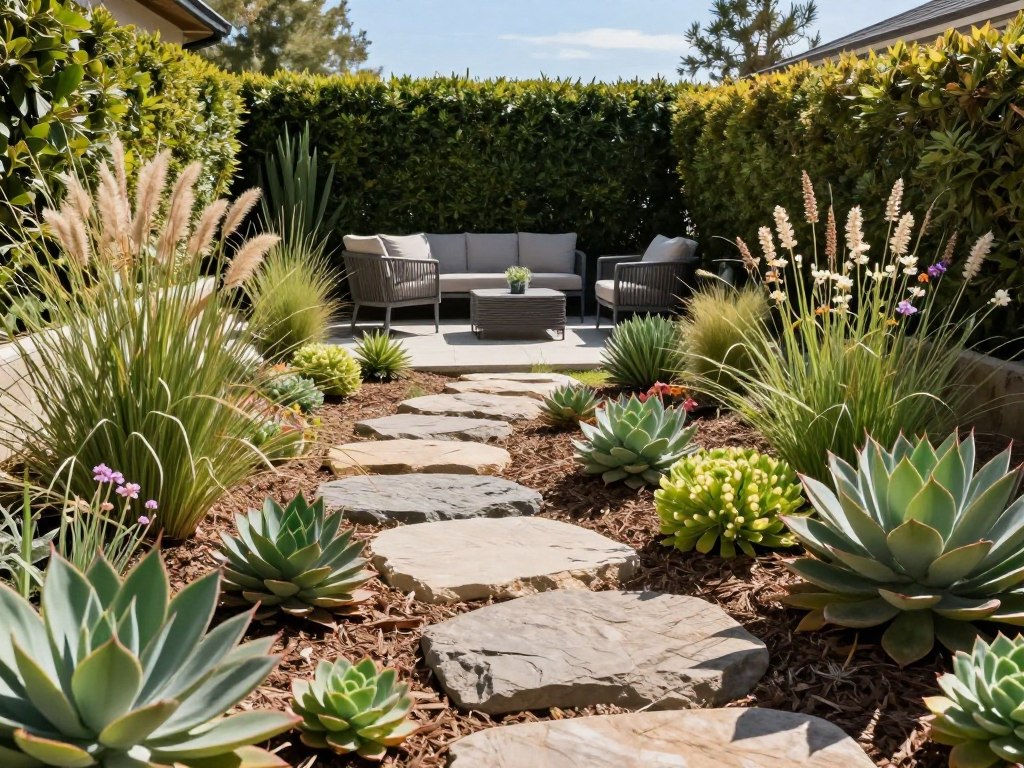
Enjoying a breathtaking exterior while minimizing the time spent on upkeep is achievable. This approach not only enhances your home’s appeal but also provides significant cost savings. By focusing on sustainable choices, homeowners can reduce both labor and expenses.
Here are some measurable benefits:
- Replacing high-input grass with native plants or durable materials reduces ongoing labor.
- Native plants require fewer fertilizers and pesticides, as they thrive in local conditions.
- Eliminating excess grass decreases the need for mowing and watering, limiting harmful runoff.
- While lower upkeep is a goal, some care is still necessary, like seasonal monitoring and occasional pruning.
- A well-planned design saves money over time by cutting down on irrigation, chemical use, and labor.
Planning Your Front Yard Design for Practical Curb Appeal
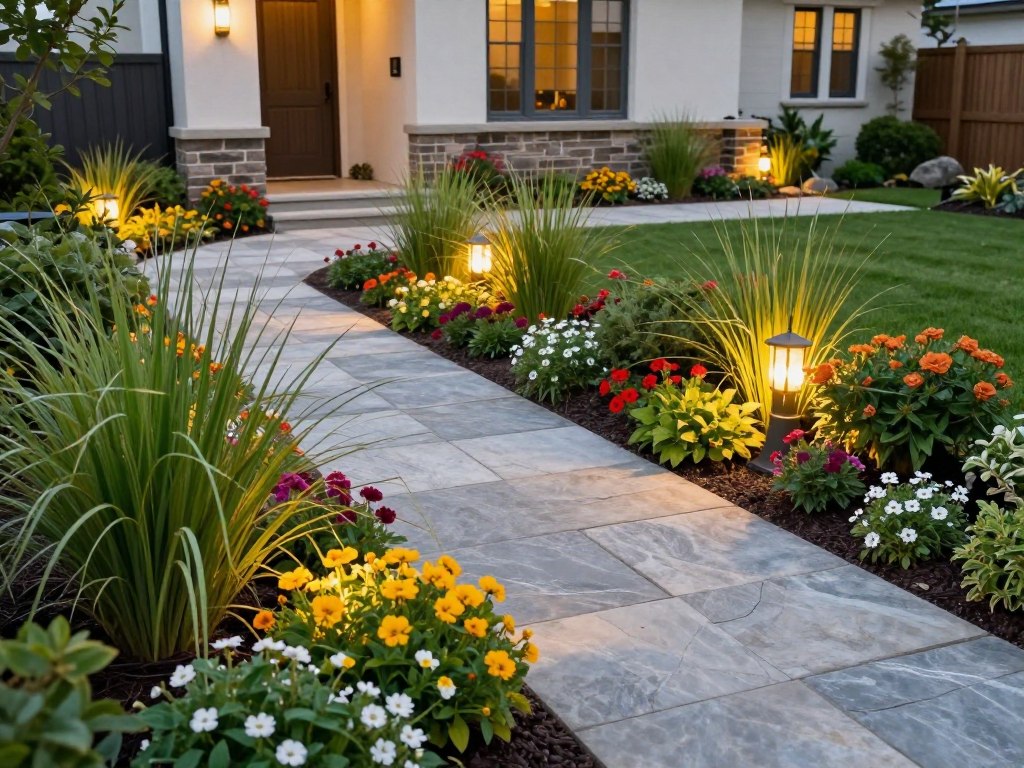
Creating an inviting entrance that serves your lifestyle can be simple and effective. Before diving into a landscape project, it’s crucial to prioritize how you want to use your outdoor space. Bower & Branch suggests that understanding your needs will guide your design choices.
Here’s a straightforward planning process to follow:
- Rank the intended uses of your outdoor area: family play, neighbor conversations, quiet relaxation, outdoor dining, or visual appeal.
- Identify high-traffic areas that may require a walkway, using bare spots as indicators.
- Reserve the most visible spaces near the entry for planting beds, containers, or a defined path.
- Ensure that your choices for materials and plants align with your budget, climate, sunlight, and drainage needs.
- A well-structured priority list will help eliminate unnecessary features and optimize the use of your space.
Choosing Native and Drought-Tolerant Plants for Longevity
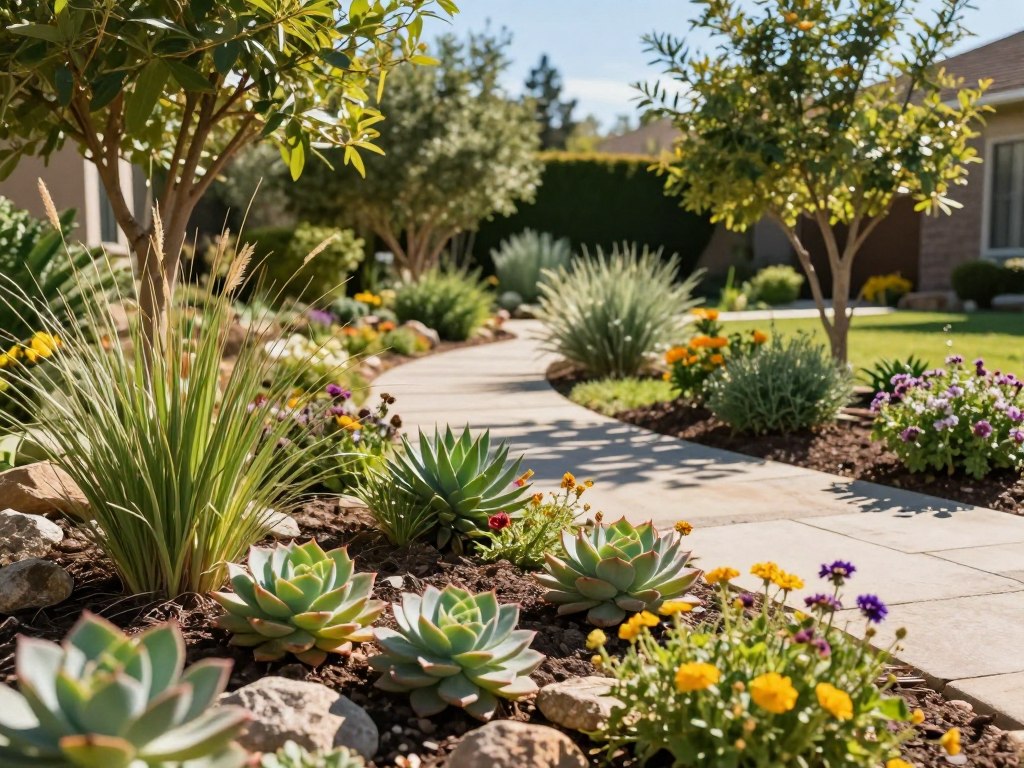
Utilizing native plants is a smart way to create a vibrant and easy-to-care-for landscape. These plants have adapted to local soil and climate, making them resilient and low in upkeep. By selecting the right plant for the right place, you can enjoy a flourishing garden with minimal effort.
Here are some key points to consider:
- Choose native plants first; they thrive in local conditions, reducing the need for fertilizers and extra watering.
- Always read plant tags to ensure they match your sunlight and soil conditions.
- Consider drought-tolerant options like Russian sage and lavender, which are both pollinator-friendly and deer-resistant.
- Opt for native trees, shrubs, flowers, and grasses that suit your space, avoiding plants that struggle in unsuitable conditions.
- Group plants with similar water and sunlight needs to streamline irrigation and care.
Incorporating Smart Hardscape Strategies for Reduced Upkeep
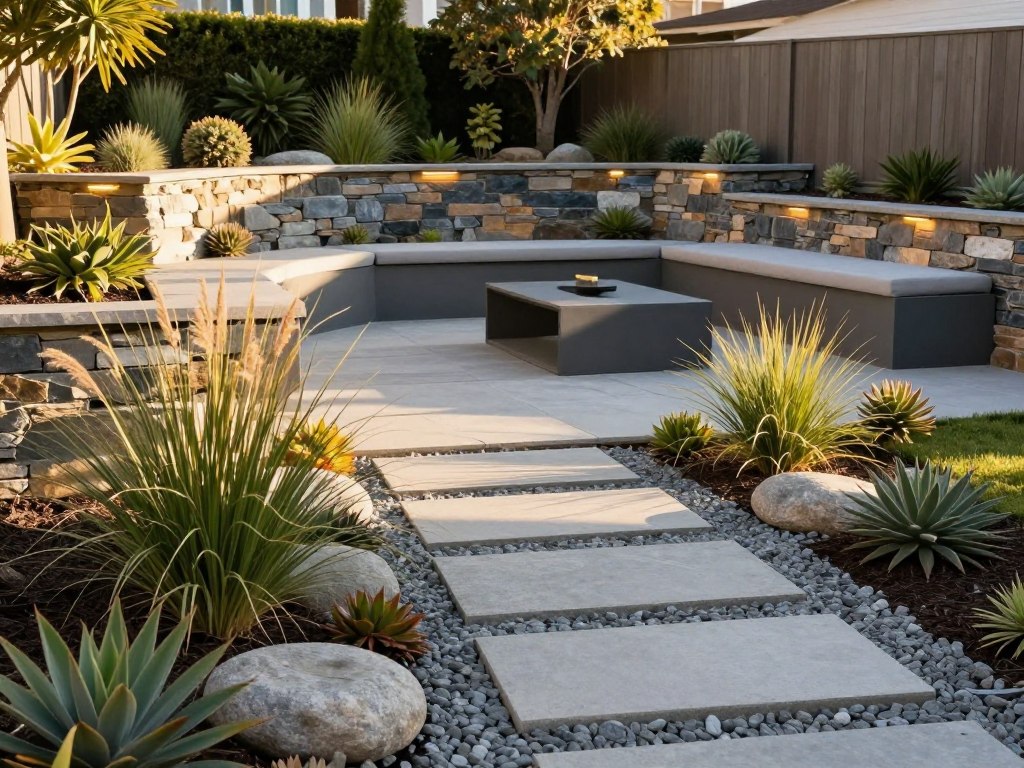
Transforming your outdoor space can be achieved with the right hardscape materials. Using options like gravel, river rocks, and mulch can significantly reduce your upkeep. These materials not only enhance your yard’s appearance but also cater to various climate needs.
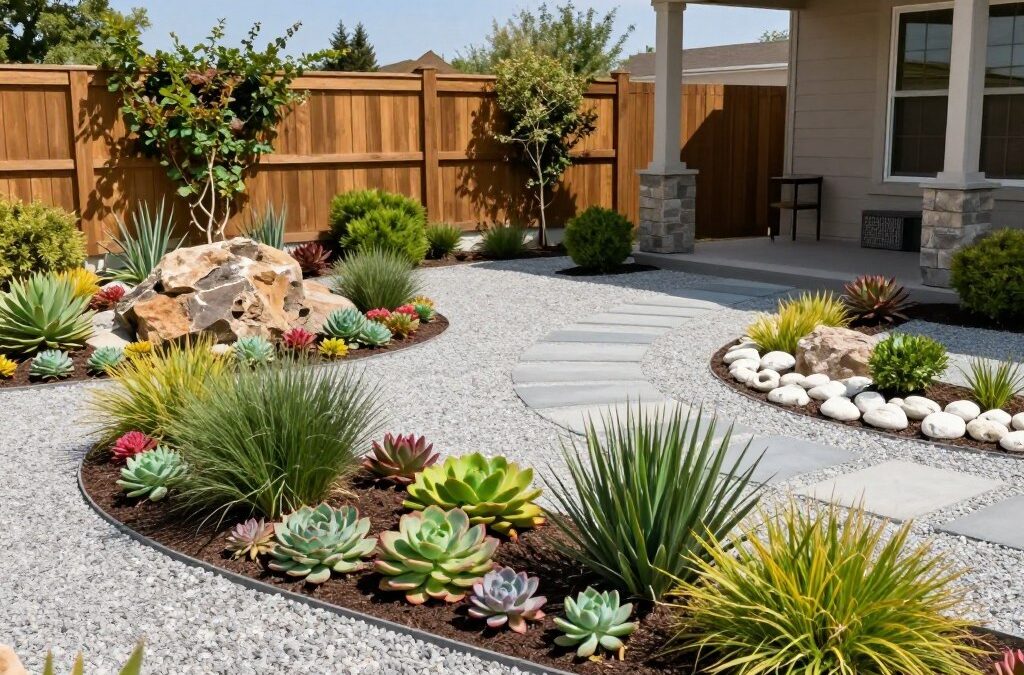
Gravel and river rocks are ideal choices. They require no watering, fertilizing, or sunlight, making them practical for beds, driveways, and pathways. Gravel is especially suited for the Southwest and parts of the South, though local design standards may affect its appeal.
Mulch serves a dual purpose. It protects plants from heat and reduces evaporation around roots, ensuring that water reaches where it’s needed most. On the other hand, artificial turf has come a long way in the last 60 years. It provides a grass-like look without the need for mowing or regular watering, although you should consider installation costs and drainage options.
By combining hardscape materials with native plants, boulders, or simple lighting, you can create an expensive-looking design without the intensive upkeep.
Replacing Lawn with Practical Alternatives
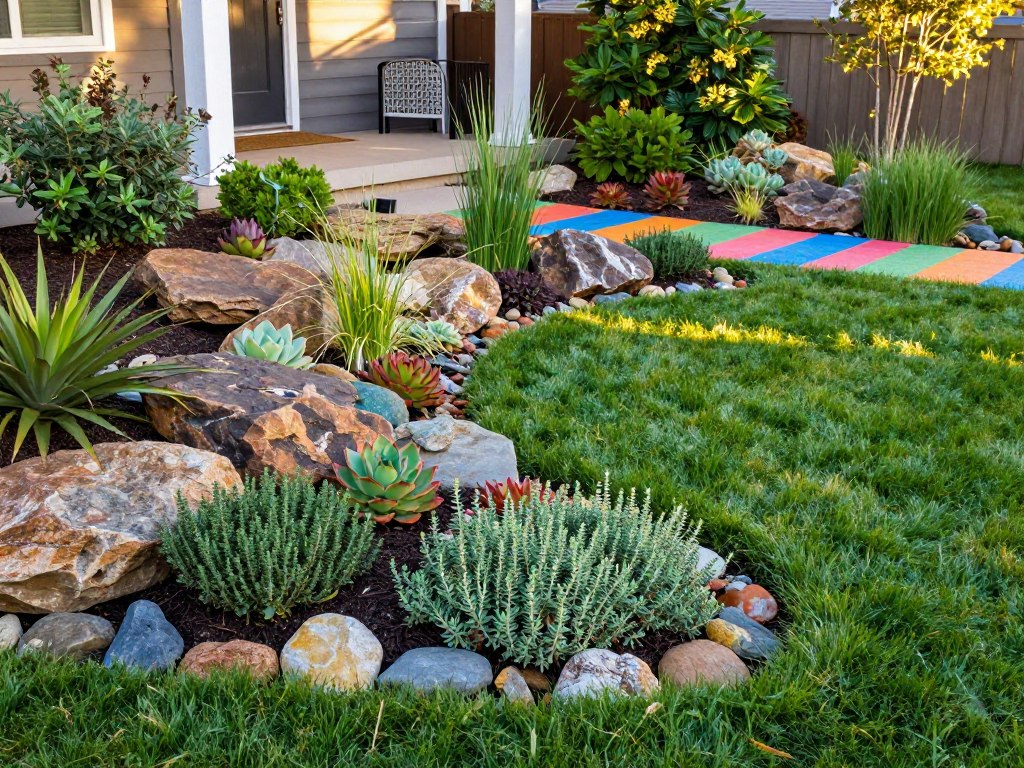
Finding alternatives to traditional grass can greatly reduce your outdoor workload. Conventional grass requires frequent mowing, watering, and fertilizing. By opting for practical alternatives, you can create a beautiful space that needs less attention.
Here are some effective options to consider:
- Replace unnecessary grass with patios, porches, or decks that encourage outdoor living.
- Convert heavily trafficked areas into gravel or mulch pathways to prevent muddy spots.
- Incorporate native flower beds, vegetable gardens, or fire pits to give former lawn areas a clear purpose.
- Use mulch and gravel for a low-input surface, while pavers and concrete create stable walkways.
- Keep a small patch of grass only where it serves a specific function, like for kids or pets.
| Alternative | Benefits | Maintenance Level |
|---|---|---|
| Patios/Decks | Encourages outdoor living | Low |
| Gravel Paths | Prevents muddy areas | Very Low |
| Native Flower Beds | Attracts pollinators | Low |
| Fire Pits | Enhances social gatherings | Moderate |
| Vegetable Gardens | Provides fresh produce | Moderate |
Selecting Durable Materials and Low Maintenance Plant Varieties
Selecting the right plants and materials can make a lasting impact on your outdoor space. By choosing long-lived options, you can enjoy a vibrant landscape with minimal effort. Perennials, evergreens, and ornamental grasses are excellent choices for durability.
Perennials like black-eyed Susans, catmint, and iris return each year, providing color and texture. Evergreens, such as dwarf varieties, offer year-round structure and require only occasional pruning. Ornamental grasses, including Carex and Hakonechloa, add movement and are deer-resistant.
When it comes to materials, consider durable options like Brazilian ipe and domestic black locust for decking. Composite materials and vinyl also provide longevity, outlasting cheaper alternatives like pressure-treated pine. By selecting plants and materials according to their mature size, you can avoid future costs related to pruning and repairs.
Optimizing Irrigation with Underground Sprinkler Systems
Efficient irrigation is key to a thriving garden, even with drought-resistant plants. Installing underground irrigation systems protects your landscape investment and eliminates the hassle of dragging hoses across paths and beds. This setup ensures that water reaches the root zones effectively.
While drought-resistant plants require less water, they still need adequate moisture during their establishment phase. Newly planted roots cannot tolerate dry conditions as well as mature plants can. Therefore, it’s essential to water them properly during this critical time.
Consider using zone-based scheduling to cater to the different water needs of your landscape. This method allows you to separate lawns, shrubs, perennials, containers, and drought-tolerant beds. Adjust your irrigation schedule based on changing weather patterns instead of watering automatically every day.
Lastly, after installation, inspect emitters and sprinkler heads to ensure your system is efficient. This will help prevent water waste and ensure your landscape thrives.
Leveraging Planters and Window Boxes for Simple Solutions
Creating vibrant displays with planters and window boxes can enhance your home’s appeal effortlessly. These accessible container strategies not only beautify your space but also simplify care. For instance, concrete planters can be placed near steps, while staggered clay containers can be positioned beside your door. This approach adds charm without the need for extensive planting beds.
Elevated window boxes are another great option. They reduce bending and kneeling, making planting and maintenance easier. Self-watering containers can also be beneficial, requiring watering approximately once per week instead of daily. This feature is perfect for busy homeowners.
For seasonal appeal, consider rotating your plants. Use pansies in spring, geraniums or begonias in summer, and mums in fall. During winter, potted evergreens can provide year-round greenery. Drought-tolerant succulents and hardy annuals are excellent choices for containers that need to look attractive throughout the year.
Implementing Xeriscape Techniques for Dry Climates
Xeriscaping offers a comprehensive approach to creating a sustainable landscape that thrives in dry climates. This design system utilizes native, drought-resistant plants to significantly reduce the need for regular watering. By carefully planning your garden, you can create an aesthetically pleasing environment that conserves water.
Incorporating elements like gravel, rigid boulders, ornamental grasses, and perennials can enhance your landscape while minimizing water usage. Additionally, landscape lighting can add charm without relying on thirsty turf.
Key Elements and Plant Selections for Xeriscaping
- Xeriscaping reduces irrigation demand by combining native drought-resistant plants with gravel, boulders, efficient watering, and deliberate planting zones.
- Use gravel instead of grass where local conditions and neighborhood expectations support a dry-climate landscape appearance.
- Add rigid boulders, ornamental grasses, perennials, and subtle lighting to create structure without relying on thirsty turf.
- Choose plants that tolerate the site’s heat, drainage, sunlight, and winter conditions rather than treating xeriscaping as a universal formula.
- Apply mulch or mineral ground cover around plants to reduce evaporation, discourage weeds, and keep root zones more stable.
| Element | Function | Benefits |
|---|---|---|
| Native Plants | Reduce watering needs | Thrive in local conditions |
| Gravel | Soil moisture retention | Suppresses weeds |
| Boulders | Structural interest | Enhances visual appeal |
| Ornamental Grasses | Add texture | Low water requirement |
| Mulch | Moisture conservation | Reduces evaporation |
Enhancing Front Yard Appeal with Low Maintenance Accents
Elevating your outdoor space can be achieved with thoughtful accents that require minimal upkeep. Consider adding elements that create visual impact without demanding extensive care.
For instance, planting a Kousa dogwood or a redbud tree can provide stunning spring flowers while being less messy than other options. These trees are more disease-resistant and perfect for a low-care approach.
Additionally, using raised beds with natural stone edges creates clear boundaries that are visually appealing and easier to maintain. Repeating a single shrub type, such as boxwood, privet, or catmint, fosters a tidy and cohesive look.
- Plant a Kousa dogwood or redbud tree for significant visual impact with less maintenance.
- Utilize raised beds with natural stone edges to define your space attractively.
- Group boxwood, privet, or catmint to achieve a sophisticated appearance without the hassle of managing many varieties.
- Add landscape lighting around paths and focal plants to enhance curb appeal during evening hours.
- Incorporate a planting bed in the center of a round or U-shaped driveway to break up large asphalt areas.
For more ideas on creating a stunning outdoor space, check out this resource.
Using Creative Ground Cover and Mulch to Minimize Work
Creative ground cover options can drastically reduce the effort needed to maintain your outdoor space. Living ground covers and mulch serve different purposes based on site conditions. Ground covers can thrive in areas where grass struggles, such as steep slopes and shady spots.
Here are some effective ground cover varieties to consider:
- Clover
- Honeysuckle
- Vinca minor
- Creeping phlox
- Creeping Jenny
- Creeping thyme
Dense planting helps suppress weeds, while sparse planting surrounded by mulch offers a more minimal appearance. For optimal results, loosen the soil about 12 inches deep and incorporate compost before planting. This ensures better aeration and drainage for the roots.
- Choose clover, honeysuckle, vinca minor, creeping phlox, creeping Jenny, or creeping thyme for areas where turf is difficult to sustain.
- Use ground cover on steep slopes and shady locations because these sites often make mowing, watering, and grass establishment inefficient.
- Plant densely when rapid coverage is desired, since closely spaced plants can suppress weeds and reduce exposed soil.
- Surround widely spaced specimen plants with mulch when a restrained, architectural appearance is preferred over a dense living carpet.
- Loosen soil approximately 12 inches and add compost before planting so roots receive aeration, drainage, and improved growing conditions.
For more insights on effective garden strategies, check out this resource.
Innovative Ideas for Low Maintenance Front Yard Landscaping
Transforming your outdoor space with innovative ideas can simplify upkeep and enhance beauty. Consider a cottage-style planting scheme, which creates an intentionally informal look. This approach allows minor growth variations to appear intentional rather than neglected.
Planting a Japanese maple is another great option. These trees provide stunning fall color and typically have smaller leaves, reducing the need for raking. For colorful blooms with less work, self-cleaning Knock Out shrub roses are ideal. They require less pruning compared to traditional varieties.
Reliable spring bulbs like daffodils, hyacinths, and muscari can be planted in the fall for recurring color. Unlike tulips, which often need replanting annually, these bulbs provide consistent beauty year after year.
Lastly, combining artificial turf, durable paving, and evergreen structures with seasonal flowers can create an expensive-looking landscape with controlled upkeep.
Conclusion
A well-planned outdoor area can seamlessly blend beauty with functionality. By combining climate-appropriate plants, reduced lawn space, and efficient irrigation, you can create a stunning landscape that requires less effort. Incorporating mulch and durable hardscape elements further enhances your design while ensuring ease of care.
Consider using native plants, such as Russian sage and lavender, alongside evergreens and perennials for lasting structure. Ground covers and ornamental grasses also provide visual interest with minimal upkeep.
For those looking to minimize traditional grass areas, gravel, river rocks, and pavers can effectively replace lawns while maintaining functionality and curb appeal.
- What is the lowest-maintenance garden? A garden designed for its climate with native plants, limited lawn, efficient irrigation, mulch, and durable surfaces requires less routine labor.
- Are native plants maintenance-free? No; native plants still need establishment watering and periodic maintenance, but they generally need fewer fertilizers and pesticides.
- Is gravel a good lawn replacement? Gravel can work well in the Southwest and parts of the South, especially for paths, driveways, and dry-climate beds.
- Which plants provide year-round interest? Evergreens provide consistent structure, while hellebores, winterberry, red-twig dogwood, Japanese maple, and seasonal containers extend visual interest through the year.