

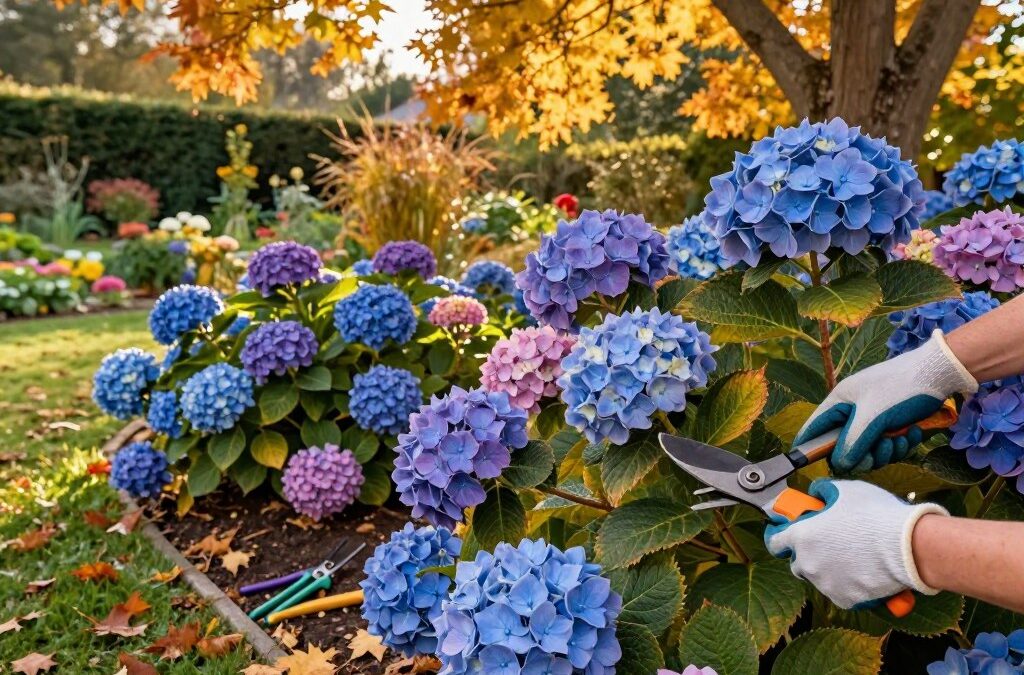
“Are you ready to unlock the secrets of keeping your hydrangeas thriving? Proper care during the fall season is crucial for ensuring vibrant blooms next year, especially when learning about what to do with hydrangeas in the fall. Many gardeners overlook the importance of this time, believing their work is done once summer ends.”
However, understanding how to care for these beautiful plants can make all the difference. Whether you have a specific type of hydrangea or a mix of varieties, knowing how to manage soil, stems, and mulch is vital for success. With the right steps, you can protect your plants from harsh climates and ensure they remain healthy throughout the cold winter months.
At St. Clair Landscaping and Irrigation, we emphasize that proper care during this season prevents damage to delicate flower buds. Let’s explore five vital steps that will help your garden flourish and produce beautiful flowers in the coming year.
Understanding Your Hydrangea Types
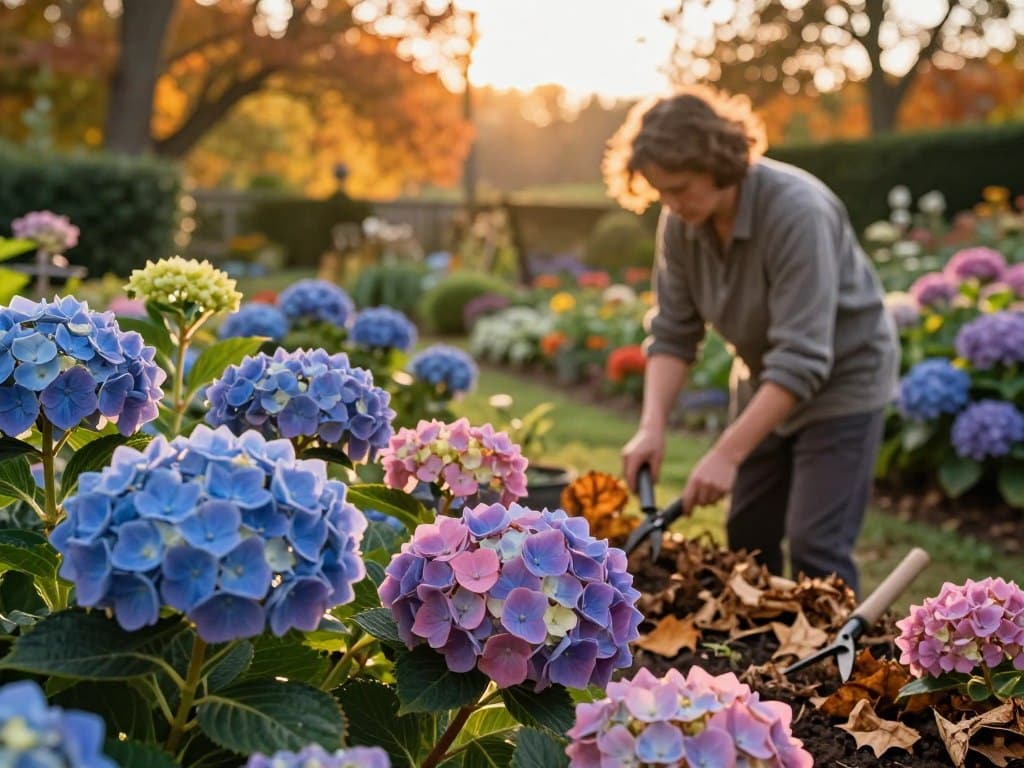
Understanding the unique needs of your hydrangeas can enhance their beauty and longevity. Each type has distinct characteristics that dictate how you should care for them. This knowledge is vital for maintaining vibrant blooms and healthy plants.
Identifying Old Wood and New Wood Varieties
Identifying whether your hydrangeas bloom on old wood or new wood is the most critical step in your fall garden maintenance routine. According to experts, there are six primary types of hydrangeas, including the popular oakleaf and hydrangea paniculata varieties. Each type requires different care strategies.
Plants that bloom on old wood set their flower buds in the leaf axils during the previous year. This means that fall pruning can destroy next season’s flowers. On the other hand, new wood varieties can be pruned in the fall without impacting their blooms.
Spotting Reblooming Cultivars
Reblooming cultivars are unique because they produce flowers on both old wood and new growth. This trait provides a longer season of color for your landscape. Always check your specific plant type before applying mulch or pruning to avoid removing future blooms.
Timing Is Everything: What to Do with Hydrangeas in the Fall
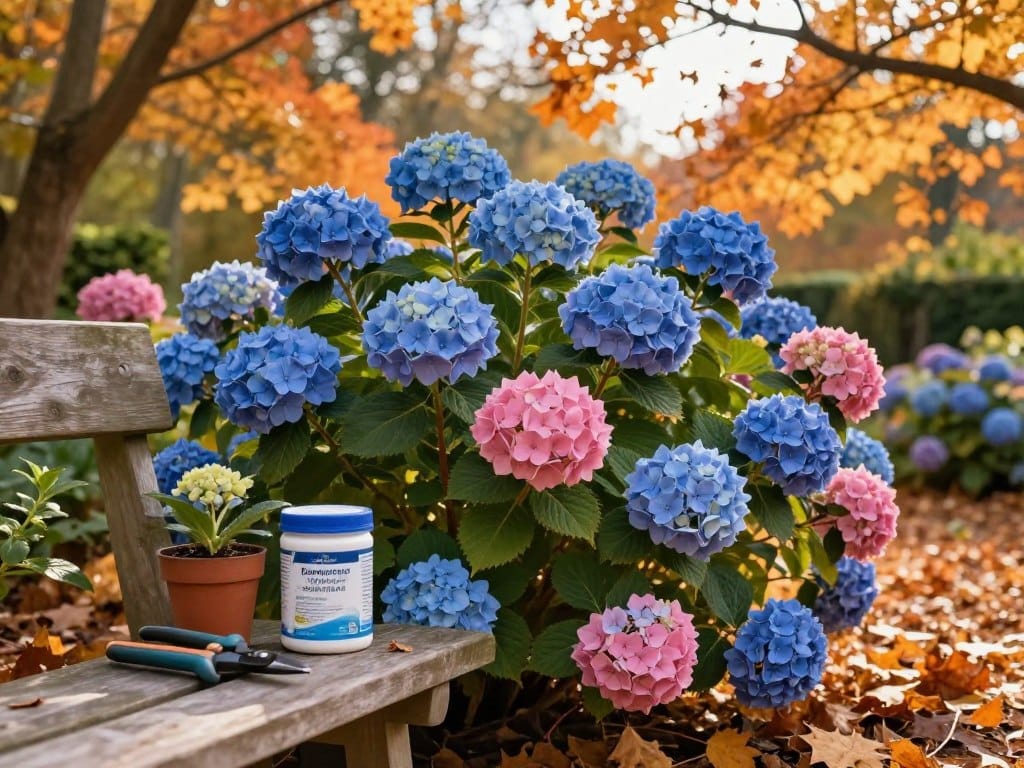
Proper timing is essential for ensuring your hydrangeas thrive as winter approaches. Understanding when to prune can help you avoid damaging the flower buds that set the stage for next year’s blooms.
For varieties that bloom on new wood, such as smooth hydrangeas, pruning can be safely performed in late fall once the plant has gone dormant. This timing allows for healthy growth in the spring.
However, if you have hydrangeas that bloom on old wood, it’s crucial to hold off on pruning until the following spring. Cutting them back too early can remove the buds, resulting in no flowers the next year.
Additionally, early pruning can stimulate new growth that is vulnerable to cold damage. Always inspect your stems and soil conditions before making any cuts to ensure you preserve the flower buds for the upcoming year.
Essential Fall Care Techniques for Hydrangeas
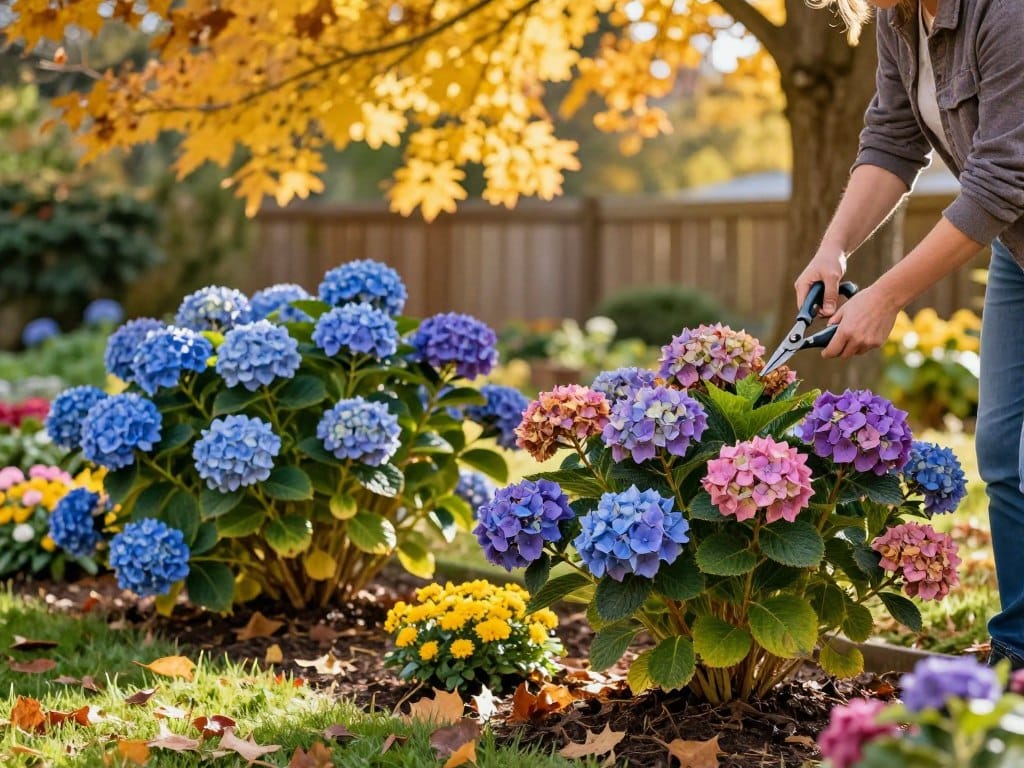
Taking proactive steps in the fall can set your hydrangeas up for success next year. Proper care during this season ensures your plants are well-prepared for the winter months. Here are some essential techniques to consider:
Mulching for Winter Protection
Mulching is crucial for protecting your hydrangeas. Here are some tips:
- Apply a 2 to 3 inch layer of mulch around the base of your hydrangeas to shield the root zone from winter freezes, as advised by gardening expert Janet Loughrey.
- Add compost to the soil to improve water retention, which is especially beneficial for plants that struggled during the summer, according to Lorraine Ballato.
Preparing for Harsh Winter Conditions
In colder climates, it’s vital to prepare your hydrangeas for harsh conditions:
- Consider moving potted hydrangeas against your home to prevent root damage from extreme temperatures.
- Remove fallen leaves that show signs of leaf spot to avoid fungal spores overwintering and affecting your garden in the spring.
- Protect your plants from icy storms and heavy snow to ensure they return healthy next year.
Hydrangea Pruning Best Practices and Common Pitfalls
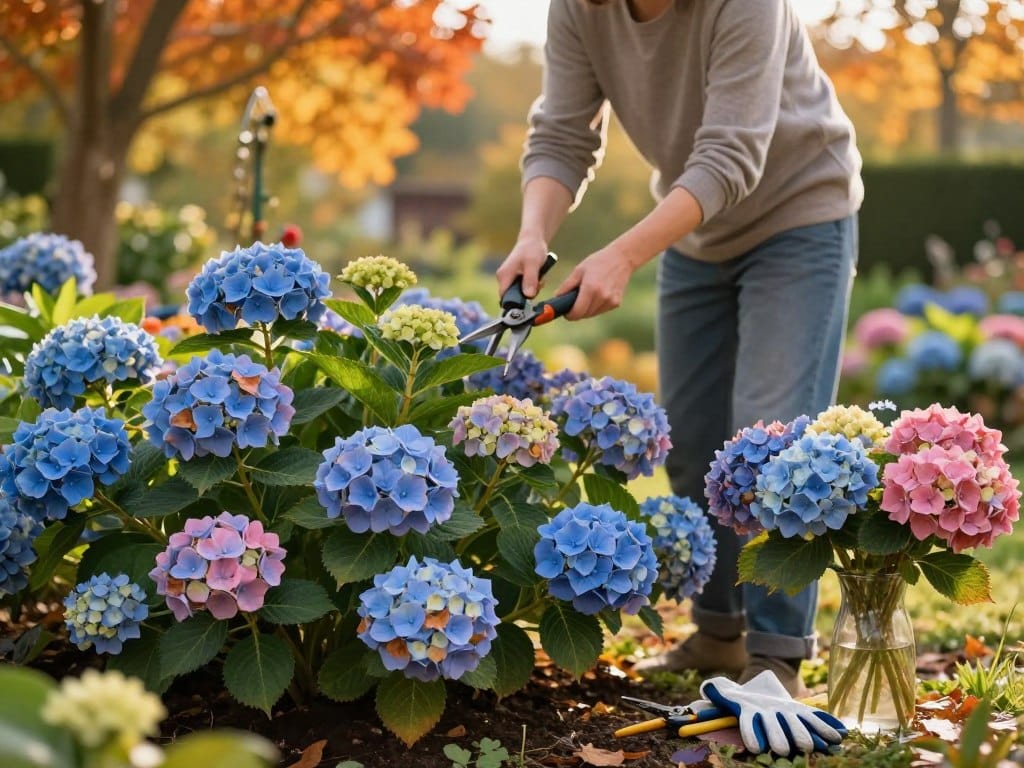
Pruning your hydrangeas correctly can significantly impact their health and bloom quality. Understanding the differences between new wood and old wood varieties is crucial for effective pruning. Each type requires a unique approach to ensure the best results.
When pruning hydrangeas that bloom on new wood, it is generally safe to remove up to one-third of the plant’s height. This helps maintain a tidy shape while promoting healthy growth. Using high-quality tools like Fiskars pruning shears allows for clean cuts on stems up to 1.5 inches thick, minimizing damage.
On the other hand, pruning old wood varieties can lead to significant issues. Cutting these plants too early can result in the loss of all flower buds for the next season. Therefore, it’s best to avoid pruning old wood altogether if you are unsure of your hydrangea type.
| Pruning Type | Safe Pruning Amount | Recommended Tools | Common Mistakes |
|---|---|---|---|
| New Wood | Up to 1/3 of height | Fiskars pruning shears | Pruning too late |
| Old Wood | Avoid pruning | Fiskars pruning shears | Pruning in fall |
Advanced Tips from St. Clair Landscaping and Irrigation
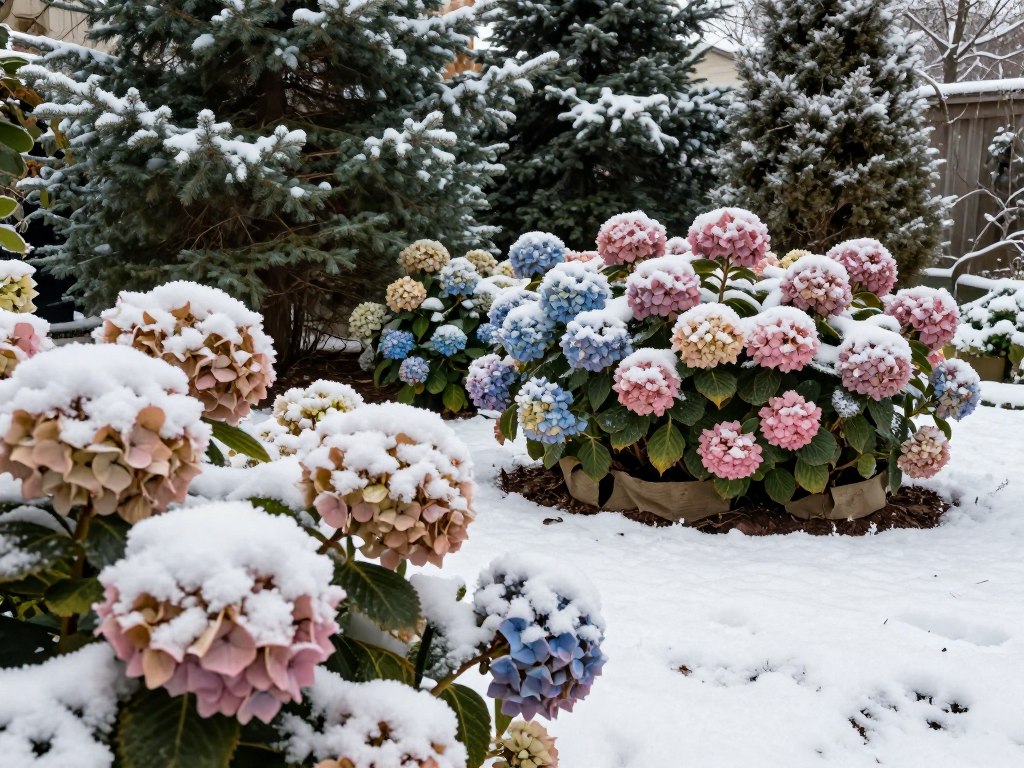
Caring for your hydrangeas as winter approaches can make a significant difference in their growth. Proper maintenance during this time helps ensure that your plants remain healthy and vibrant.
Managing dried flower heads and cleaning up your garden are essential tasks. Here are some helpful tips:
- Our team specializes in removing diseased leaves to prevent future damage to your plants.
- If you enjoy the aesthetic of dried flower heads, consider leaving them on your hydrangeas for winter interest.
- In colder climates, we can install protective barriers to shield your shrubs from harsh winds.
- A light application of fertilizer or soil amendments can promote vigorous new growth in the spring.
Raking up leaves is also crucial. This practice helps control pests like Chilli Thrips, which can damage foliage. For more detailed care strategies, check out general care for hydrangeas.
Conclusion
Taking the right steps during fall care for your hydrangeas can lead to stunning blooms next year. By resisting the urge to prune old wood and applying sufficient mulch, you safeguard your plants against the winter chill. This season is all about preparation, and patience will reward you with beautiful flowers come spring.
St. Clair Landscaping and Irrigation is here to offer expert guidance and professional services, ensuring your landscape thrives year-round. With these simple yet effective strategies, your hydrangeas will continue to bring beauty and joy to your garden through every season.
For more detailed care strategies, visit our guide on pruning hydrangeas in the fall.