

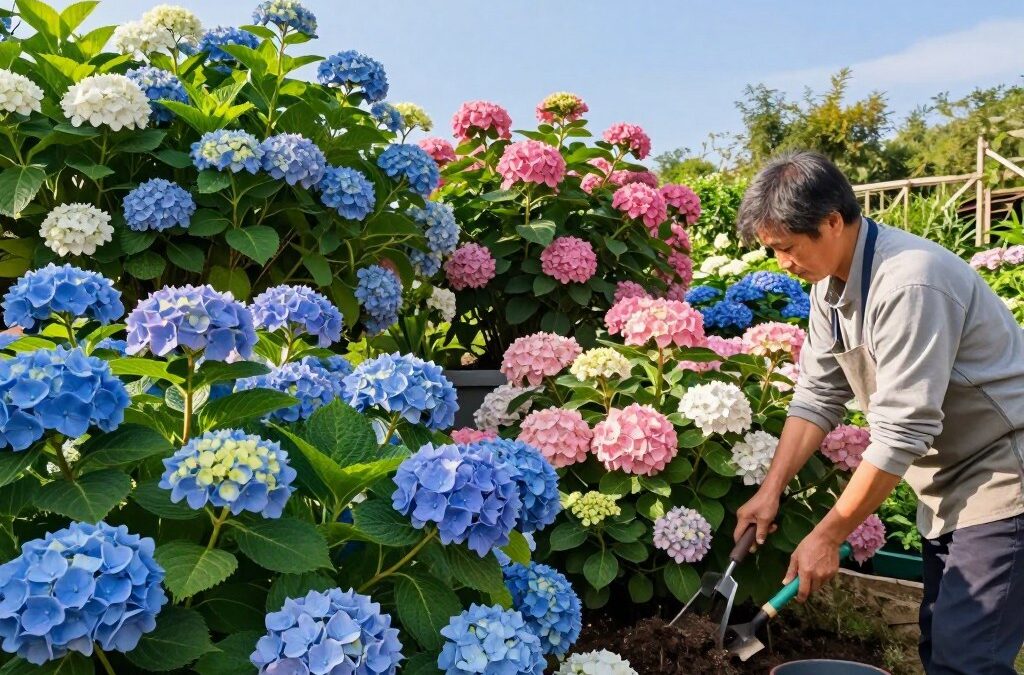
Have you ever wondered why some gardens burst with vibrant hydrangeas while others struggle to bloom? Understanding the secrets behind these stunning flowers can transform your landscape into a colorful oasis. Learning how to care for hydrangeas outdoors is the key to healthy growth, abundant blooms, and long-lasting beauty. From proper watering and pruning to choosing the right location, a few simple steps can help your hydrangeas thrive and enhance your landscape all season long.
Hydrangeas are beloved for their large, lush blooms that come in shades of blue, pink, and white. These remarkable plants can elevate the aesthetic appeal of any garden. At St. Clair Landscaping and Irrigation, we believe that every homeowner deserves to enjoy the lush, bountiful flowers that these shrubs provide.
Whether you are a novice or an experienced gardener, grasping the specific needs of each hydrangea variety is crucial for success. Proper attention and knowledge ensure that your investment in these beautiful plants pays off with years of reliable, breathtaking blooms.
Key Takeaways
- Hydrangeas thrive in rich, moist soil and require regular watering.
- Morning sun is beneficial, while afternoon shade can reduce heat stress.
- Soil pH influences bloom color; acidic soil yields blue flowers, while alkaline promotes pink.
- Mulching helps retain moisture and protects roots during winter.
- Adjusting soil conditions can take time, so patience is key.
Understanding Hydrangeas and Their Varieties
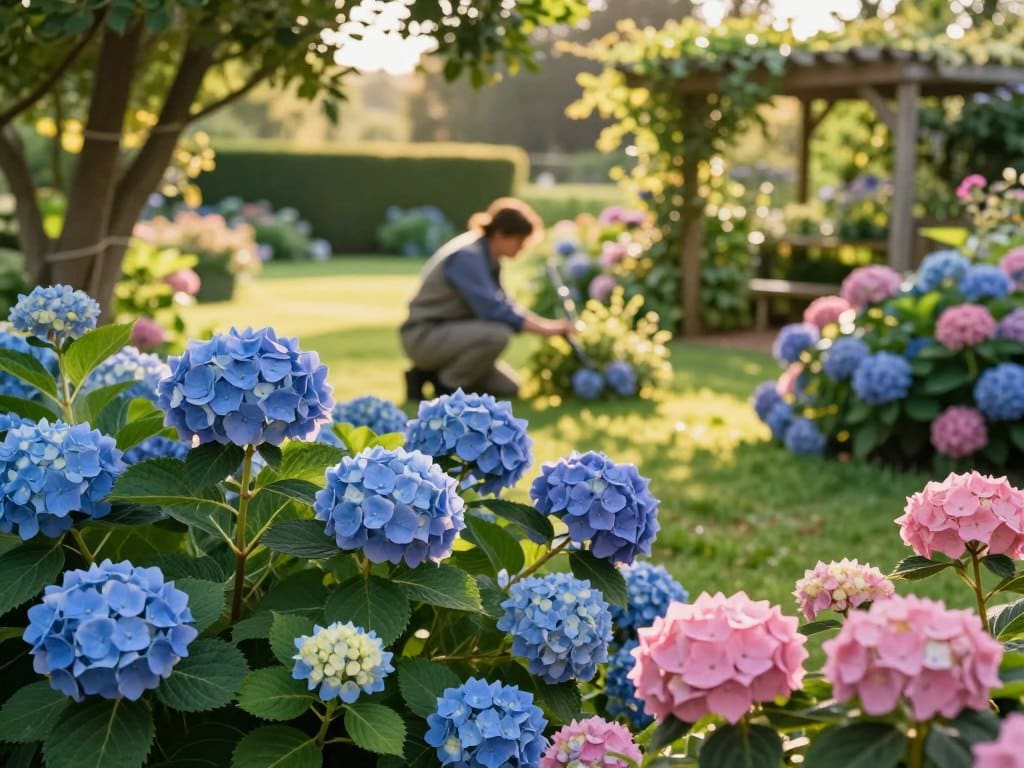
Exploring the world of hydrangeas reveals a stunning variety of types that can transform any garden. Each variety offers unique characteristics that cater to different gardening needs.
The Hydrangea macrophylla, often called bigleaf, is cherished for its large blooms. This type thrives in USDA zones 5 through 9 and can grow between 6 to 10 feet tall.
For those looking for a smooth hydrangea, the Hydrangea arborescens is an excellent choice. It flourishes in zones 3 through 9, reaching heights of 3 to 5 feet.
If space is a consideration, the Hydrangea paniculata can grow impressively tall, up to 15 feet, making it ideal for larger gardens. In contrast, the Hydrangea quercifolia, known as oakleaf, features unique foliage and is hardy in zones 5 through 9, reaching 6 to 8 feet.
Selecting the right type of shrub depends on your specific climate zone and available space. Each hydrangea variety can bring distinct beauty to your landscape.
How to Care for Hydrangeas Outdoors
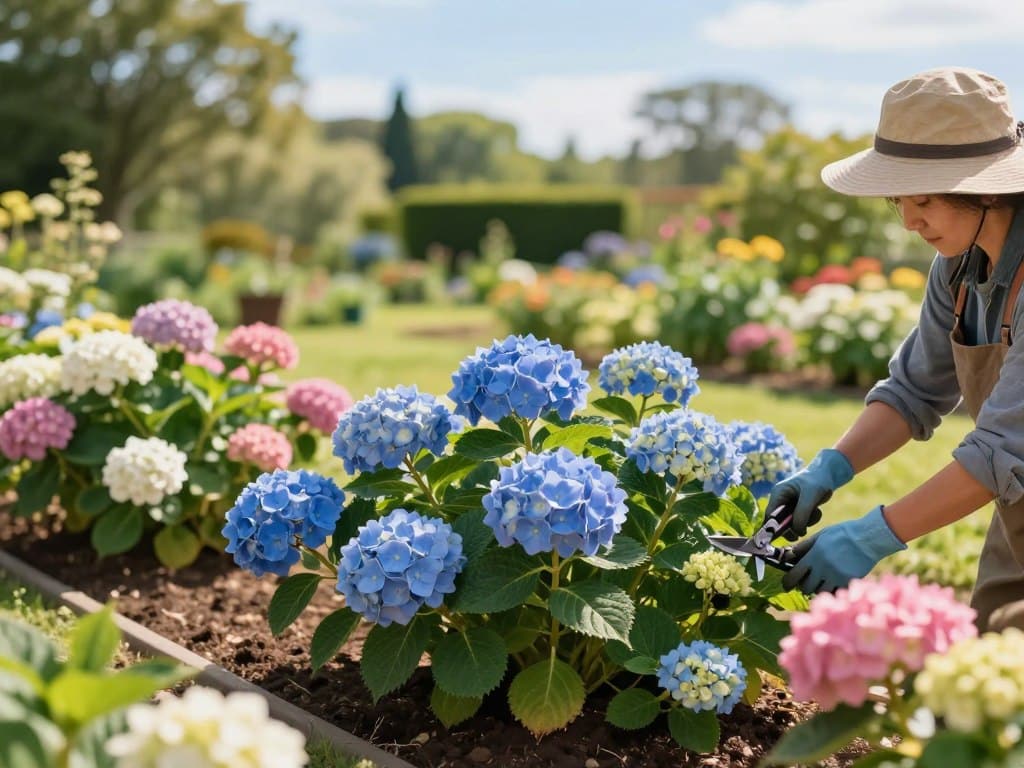
Creating a vibrant display of hydrangeas in your garden begins with knowing their care requirements. Most hydrangeas prefer partial shade, especially during the intense afternoon heat. This helps prevent heat stress, ensuring the plants remain healthy.
These beautiful plants thrive in rich, moist soil that drains well. Proper drainage is essential to avoid waterlogged roots, a common issue in many gardens. Consistent moisture is vital for the health of your hydrangeas, as their name is derived from the Greek word for water vessel.
St. Clair Landscaping and Irrigation recommends monitoring your plants regularly. This way, you can ensure they are not suffering from excessive sun exposure or drought. By following these fundamental care guidelines, your shrubs can remain healthy and vibrant throughout the growing season.
For more information on irrigation services that can support your garden, visit St. Clair Landscaping and Irrigation.
Seasonal Hydrangea Care: Spring Essentials
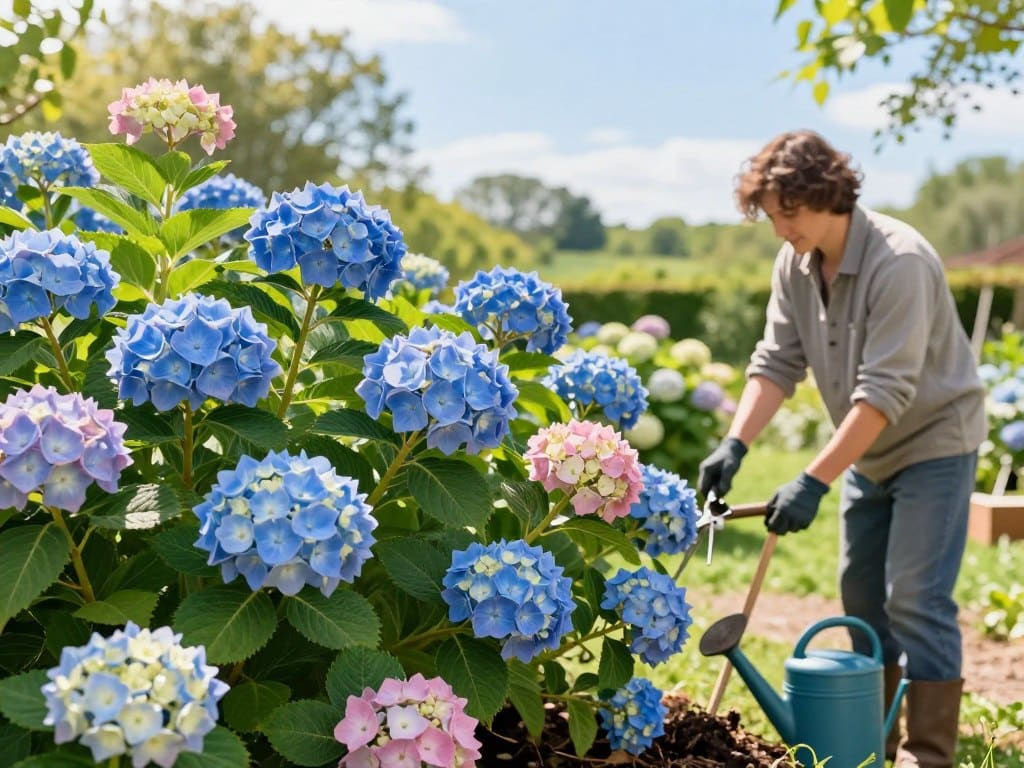
Spring is a pivotal time for nurturing your hydrangeas as they awaken from winter dormancy. Proper attention during this season ensures robust growth and vibrant blooms throughout the year.
During early spring, it is crucial to begin a consistent watering schedule. Aim to provide at least 1 inch of water per week to support healthy root development.
Additionally, applying a layer of organic mulch helps retain soil moisture. This practice keeps the root zone cool as temperatures begin to rise.
For bigleaf hydrangeas, light fertilization in March, May, and June is beneficial. This provides essential nutrients for vigorous spring growth.
Oakleaf and panicle varieties benefit from a different approach, requiring two specific fertilizer applications in April and June.
St. Clair Landscaping and Irrigation recommends checking soil quality in early spring. This ensures your plants receive any necessary amendments for optimal health.
Proper fertilization during spring is vital. It guarantees that your shrubs have the energy needed to produce abundant, healthy blooms later in the year.
Seasonal Hydrangea Care: Summer and Fall Tips
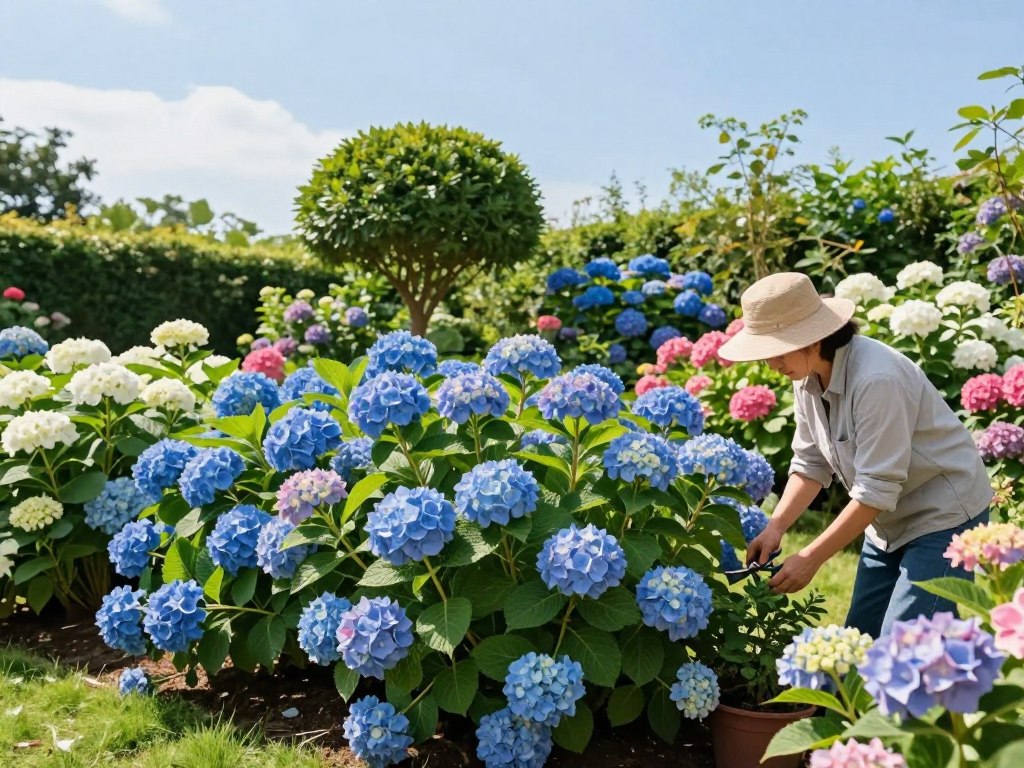
Maintaining vibrant hydrangeas during the summer and fall seasons is essential for their health and beauty. Understanding the specific needs of these plants during these months can ensure they thrive in your garden.
During the heat of summer, it’s crucial to provide your hydrangeas with adequate moisture. This prevents wilting and keeps the flower heads intact. Always monitor soil moisture levels, as these plants can quickly suffer if the ground dries out.
Fall is widely considered the best season for planting new hydrangeas. The cooler temperatures allow roots to establish before winter sets in. When planting in summer, aim for early morning or late afternoon to minimize heat stress.
As fall approaches, prepare your garden by ensuring your shrubs are well-mulched and hydrated before dormancy. This will help them withstand the winter months.
St. Clair Landscaping and Irrigation emphasizes that fall planting offers significant advantages for long-term plant health and vigor in your landscape.
| Season | Key Activities | Moisture Needs |
|---|---|---|
| Summer | Monitor soil moisture, water regularly | High |
| Fall | Plant new hydrangeas, mulch | Moderate |
| Winter | Protect roots, maintain mulch | Low |
For additional support, check out St. Clair Landscaping and Irrigation for expert advice and services.
Hydrangea Pruning Techniques for Optimal Blooms
Understanding the right pruning techniques can elevate the blooming potential of your hydrangeas. Proper pruning is crucial for ensuring these plants produce beautiful flowers year after year. Knowing whether your hydrangea blooms on old wood or new wood is essential for successful pruning.
Bigleaf and oakleaf hydrangeas bloom on old wood. For these varieties, pruning should occur immediately after the flowers fade in the summer. This timing allows the plants to develop new buds for the following year.
On the other hand, panicle and smooth hydrangeas bloom on new wood. These should be pruned in late winter, encouraging the growth of large, showy flower buds. If you prune the old wood of a bigleaf hydrangea in spring, you risk removing the buds that would become blooms.
St. Clair Landscaping and Irrigation experts recommend using sharp, clean tools for pruning. This practice helps remove dead wood and maintain the desired shape of your shrubs. Proper techniques ensure that your plants remain healthy and continue to produce the spectacular blooms you expect every single year.
| Hydrangea Type | Blooming Wood | Pruning Timing |
|---|---|---|
| Bigleaf | Old Wood | After Flowering |
| Oakleaf | Old Wood | After Flowering |
| Panicle | New Wood | Late Winter |
| Smooth | New Wood | Late Winter |
Soil, Watering, and Mulching Strategies
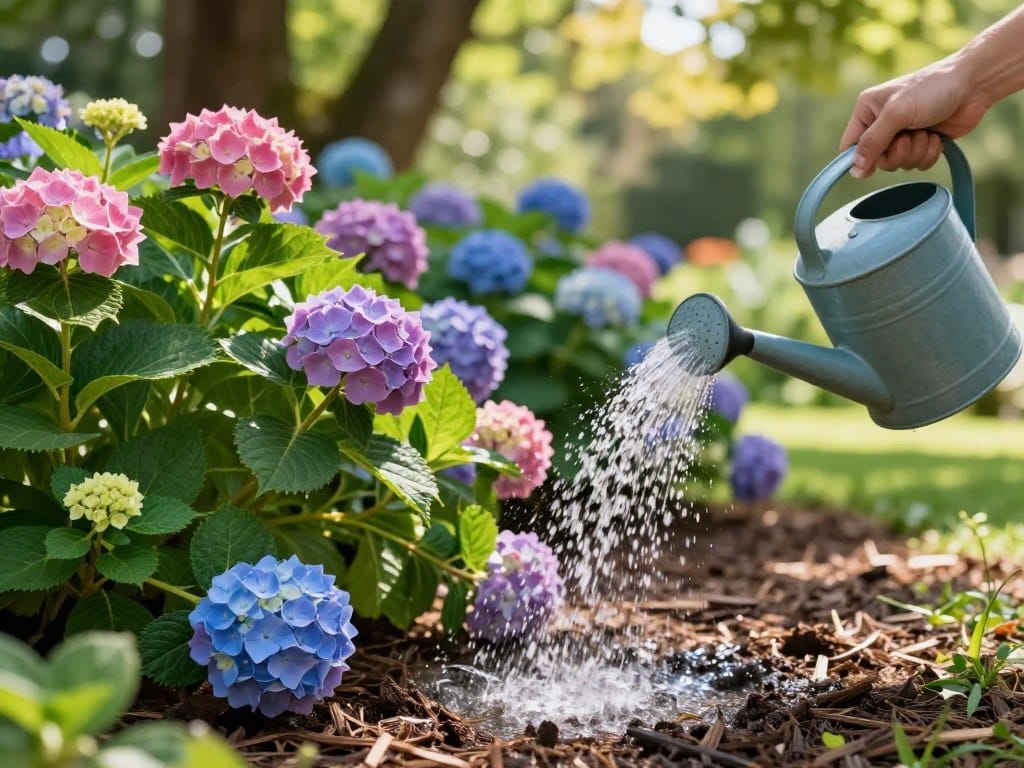
The foundation of thriving hydrangeas lies in understanding their soil and watering needs. Proper soil quality is essential for long-term health and beautiful blooms. Improving your native soil by adding organic matter is a key strategy for successful hydrangea gardening.
Roberta Clark of UMass Amherst emphasizes the importance of checking root quality. If roots appear pot-bound, loosening them before planting is crucial. This step ensures that your hydrangeas can establish themselves effectively.
To maintain consistent moisture, apply a 2- to 3-inch layer of mulch around your hydrangeas. Be sure that the mulch does not touch the stems or leaves. If your soil drains too quickly, PennState suggests adding mulch or compost to help retain the necessary water.
Regularly checking the soil moisture ensures that your hydrangeas have the hydration they need to support their large, vibrant green leaves. St. Clair Landscaping and Irrigation can assist you in testing your soil, ensuring it provides the perfect environment for your garden shrubs.
Enhancing Flower Color and Plant Health
The secret to achieving stunning hydrangea colors lies in understanding soil pH. The acidity or alkalinity of the soil can greatly influence the hues of your blooms. For instance, acidic soil with a pH below 5.5 will typically yield beautiful blue flowers on bigleaf hydrangea varieties.
If you prefer pink blooms, aim for a soil pH greater than 6.0. This can be accomplished by adding ground limestone to your garden beds. It’s important to note that white flower varieties are unaffected by pH changes and will remain white regardless of soil amendments.
St. Clair Landscaping and Irrigation recommends performing a soil test before attempting to change the color of your blooms. Consistent monitoring of your soil pH is essential. This ensures that your hydrangeas maintain the desired color and overall health throughout the growing season.
| Soil pH | Bloom Color | Recommended Action |
|---|---|---|
| Below 5.5 | Blue | Maintain acidic conditions |
| 6.0 and above | Pink | Add ground limestone |
| Neutral | White | No change needed |
Planting Guidelines and Timing Considerations
Successful hydrangea growth begins with thoughtful planting strategies and proper timing. When you decide to plant, it’s crucial to dig a hole that is twice as wide as the container. This allows the roots to expand freely.
Additionally, always space your shrubs 3 to 10 feet apart, depending on the expected size of the variety at maturity. This spacing ensures adequate airflow and prevents overcrowding.
Whether you choose to plant in containers or garden beds, make sure the root ball is level with the surrounding soil surface. This positioning promotes optimal growth.
St. Clair Landscaping and Irrigation suggests that the best time to plant is typically early spring or fall when the weather is mild. Proper light exposure is essential, so select a spot that provides morning sun and afternoon shade for the best results.
Taking the time to plant correctly will provide your hydrangeas with the foundation they need to thrive for many years in your landscape.
| Aspect | Guideline |
|---|---|
| Hole Size | Twice as wide as the container |
| Spacing | 3 to 10 feet apart |
| Best Planting Time | Early spring or fall |
| Light Requirements | Morning sun, afternoon shade |
For more detailed information, visit this guide on hydrangea care.
Expert Tips from St. Clair Landscaping and Irrigation
Transforming your garden into a hydrangea paradise starts with expert insights and tailored strategies. At St. Clair Landscaping and Irrigation, we provide professional tips to ensure your hydrangeas receive the care they deserve throughout the year.
Our knowledgeable team understands the specific challenges of local gardening. We can help you troubleshoot issues before they impact your beautiful blooms. Don’t wait until your plants show signs of stress; contact us today to schedule a consultation for your landscape maintenance needs.
We offer flexible booking times to fit your busy schedule, ensuring your garden gets the attention it requires for optimal health. Let our experienced professionals handle the complex tasks of pruning and soil management, allowing you to simply enjoy your stunning outdoor space.
Call St. Clair Landscaping and Irrigation now to secure your spot and transform your yard into the envy of the entire neighborhood.
- Expert tips for year-round hydrangea care.
- Personalized consultations to address local gardening challenges.
- Flexible booking options for your convenience.
- Professional pruning and soil management services.
Conclusion
Caring for hydrangeas is a rewarding journey that brings vibrant flowers and lasting beauty to your landscape each year. By understanding the unique needs of your variety, you can ensure healthy blooms throughout the growing season.
Consistent watering, proper soil management, and timely pruning are essential for success with these magnificent plants. Whether adjusting soil pH for color or preparing for winter, these steps will help your hydrangeas thrive.
St. Clair Landscaping and Irrigation is here to provide the expert support you need for a flourishing garden. Start your journey today and enjoy the timeless elegance these incredible plants bring to your outdoor living space.