Have you ever thought about using paver protection in Ludlow to help your walkway survive a cold Western Massachusetts winter? Many homeowners across the area face freeze-thaw cycles that lead to cracked stones. This vital practice helps defend your hardscape from the unique local climate.
Keeping your stones durable is vital during seasonal rain and snow exposure throughout Hampden County. A professional sealing service ensures that outdoor surfaces remain bright and strong throughout the year.
Proper application acts as a critical shield against moisture and ice damage for long-term protection. This guide explores how to select sealers and provides a maintenance schedule for your stone features.
Learning how to care for these surfaces prevents costly repairs or early replacement of your investment. This service has helped residents since 2007. It ensures that property owners maintain the beauty and strength of their outdoor features.
Why Paver Sealing Is Essential in Ludlow
Ludlow’s harsh climate makes sealing protection vital for any outdoor surface. The diverse weather in New England creates unique challenges for your driveway and patio. Without a shield, the moisture from rain and snow seeps deep into the pores of your masonry.
This trapped water causes major issues when temperatures drop. As it turns to ice, it expands and puts pressure on the concrete and stone. Over the years, this cycle leads to cracking and spalling that ruins your property’s curb appeal.
Investing in high-quality protection saves you money in the long run. Professional sealing enhances the natural beauty of natural stone while increasing its overall durability. It also stops moss and algae from growing in the gaps between the blocks.
A well-sealed surface can last for many years without needing expensive repairs or a full replacement. You preserve the color and strength of your installation year after year.
| Comparison Factor | Sealed Paver Surface | Unsealed Paver Surface |
|---|---|---|
| Moisture Resistance | Blocks water and ice penetration | Absorbs moisture and cracks |
| Color and Beauty | Vibrant and resists UV fading | Fades and looks dull quickly |
| Structural Health | Stays strong and resists shifting | Suffer from spalling and failure |
| Organic Growth | Resists moss, mold, and weeds | Prone to rapid weed growth |
Understanding Ludlow’s Weather Impact on Outdoor Surfaces
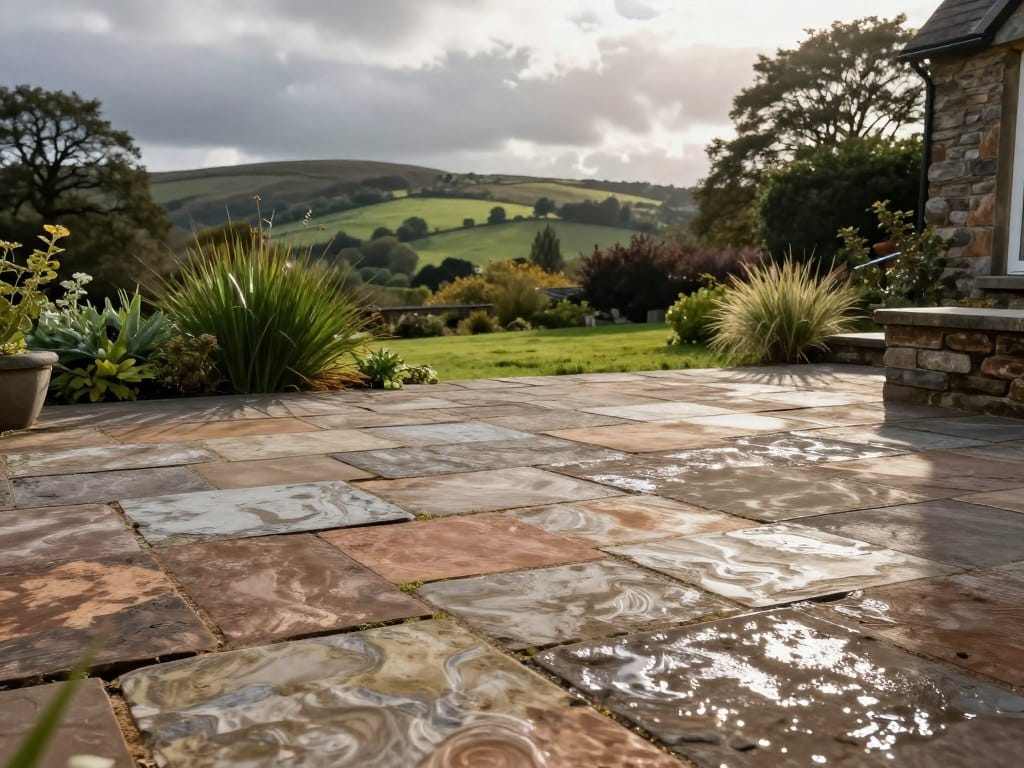
The unique environmental conditions in Ludlow present a serious challenge for maintaining durable and attractive hardscape. Outdoor surfaces must endure dramatic temperature shifts that happen throughout the year. Without a proper barrier, the local climate can quickly age your exterior installations.
Homeowners often overlook how much stress a simple driveway or walkway undergoes. In New England, the air moisture and temperature change rapidly. This creates a cycle of stress that forces materials to expand and contract constantly.
Over several seasons, this movement weakens the bond between the particles in concrete and natural materials. Sealing provides the necessary defense against these local weather patterns. It acts as a transparent shield that keeps out harmful elements and preserves the integrity of the surface.
By understanding these impacts, you can take the right steps to protect your property. Protection is not just about looks; it is about maintaining structural strength against the forces of nature. These forces work together to break down unprotected materials day after day.
New England’s Freeze-Thaw Cycles
Ludlow sits in a region where temperatures frequently swing above and below the freezing point. These fluctuations create a destructive process for any unsealed material. When moisture enters the pores of your pavers and freezes, it expands with immense force.
This expansion causes tiny cracks to form in the material. While one cycle might not show immediate damage, repeated cycles over time lead to significant structural failure. These microscopic fractures eventually grow into large breaks that ruin the entire installation.
This constant pressure acts like a slow-motion hammer against your hardscape. The density of the material does not matter if water can find a way inside. Only a high-quality sealant can stop this cycle of destruction and prevent deep cracking.
Seasonal Rain and Snow Exposure
Constant moisture is another major threat to your outdoor areas in Massachusetts. A patio is especially vulnerable because horizontal surfaces naturally collect and hold water more easily than walls. During the winter, heavy snow accumulation melts and saturates the underlying materials for weeks.
Rain during the spring and fall also penetrates deep into the joints and the stone itself. This trapped water remains inside the substrate, waiting for the next temperature drop. This saturation weakens the foundation and the pavers over several months.
Proper sealing creates a vital shield that prevents this moisture from ever entering the surface. By repelling water, you ensure that the elements cannot settle into the material. This protection is essential for maintaining the beauty and safety of your investment throughout the seasons.
| Weather Element | Physical Impact | Long-term Consequence |
|---|---|---|
| Freeze-Thaw Cycles | Internal Expansion | Deep Structural Cracks |
| Heavy Snow Melting | Material Saturation | Foundation Softening |
| Seasonal Rain | Joint Erosion | Paver Shifting and Unleveling |
| High Humidity | Organic Growth | Surface Staining and Moss |
Types of Paver Materials and Their Protection Needs
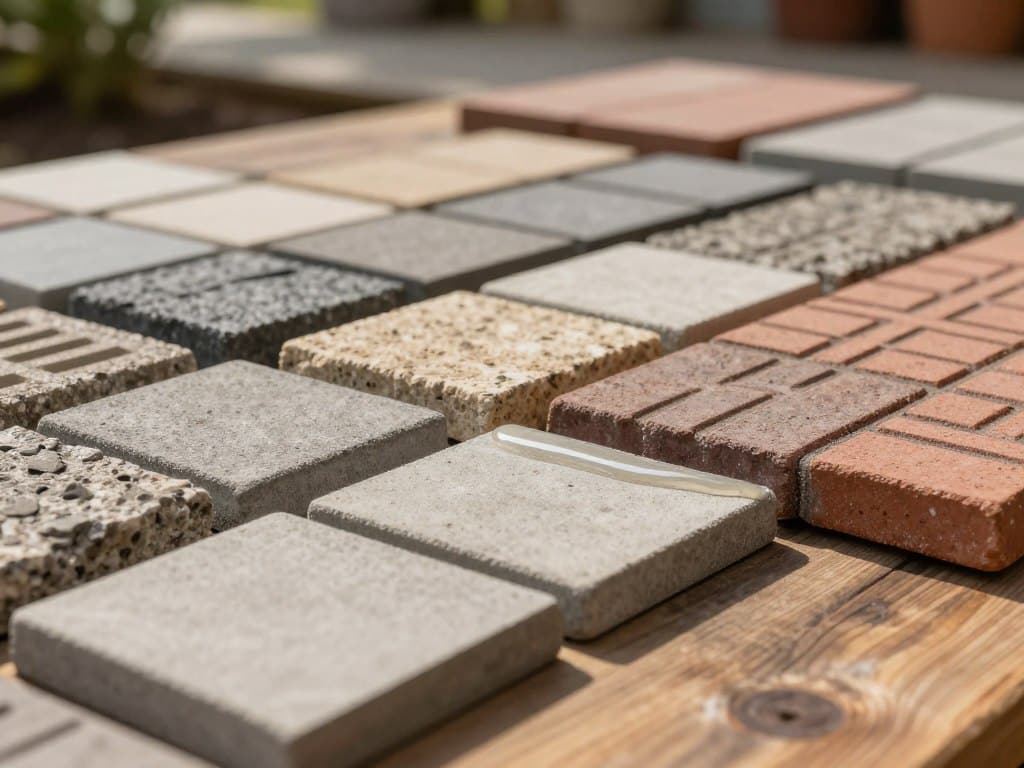
Homeowners must recognize that different hardscape components possess varying levels of porosity and chemical needs. Understanding the specific protection needs of different materials helps you select the right sealer for long-term performance.
Professional assessment of your surface ensures the application technique aligns with unique product characteristics. Every material responds differently to New England weather and physical wear.
Concrete Pavers
Manufacturers produce concrete units in numerous colors and patterns. They require sealers that enhance and preserve their pigmented color while protecting against surface degradation. These units benefit from color-enhancing sealers that prevent UV fading and maintain a vibrant appearance.
Many brands offer exceptional strength and lasting durability through consistent, rich color technology. Professional sealants also shield against oil spills and tire marks. This prevents the surface from wearing down prematurely under heavy foot traffic or local weather conditions.
| Material Type | Porosity Level | Recommended Sealer | Primary Benefit |
|---|---|---|---|
| Concrete Units | Medium | Color-Enhancing | UV Protection |
| Natural Stone | Low to High | Penetrating | Natural Appearance |
| Brick & Clay | Medium | Breathable Film | Salt Protection |
Natural Stone and Bluestone
Natural stone options like bluestone offer timeless beauty with inherent variation. Suppliers provide premium thermal bluestone uniformly cut in 1-1/2″ or 2″ thickness with an even texture. These stones come in various sizes, ranging from 12″ x 12″ up to 36″ x 36″.
Since stone possesses different porosity levels, every paver variety demands specific sealer formulations. Penetrating sealers are typically best to preserve their natural appearance while blocking moisture. This specialized approach ensures the repellent barrier remains effective without creating a slippery film on the surface.
Brick and Clay Pavers
Brick and clay represent traditional choices with distinctive warm tones and textures. These surfaces need protection that prevents efflorescence, which is the white salt residue that often appears after heavy rain. Maintaining their characteristic finish requires material-specific sealing approaches to achieve optimal longevity.
Homeowners often choose clay for its ability to withstand extreme temperatures without cracking or fading. Proper care ensures these classic blocks retain their structural integrity and earthy aesthetic for many decades. Each material responds differently to chemical contact, making the right product choice essential.
Selecting the Right Sealer for Your Patio or Driveway
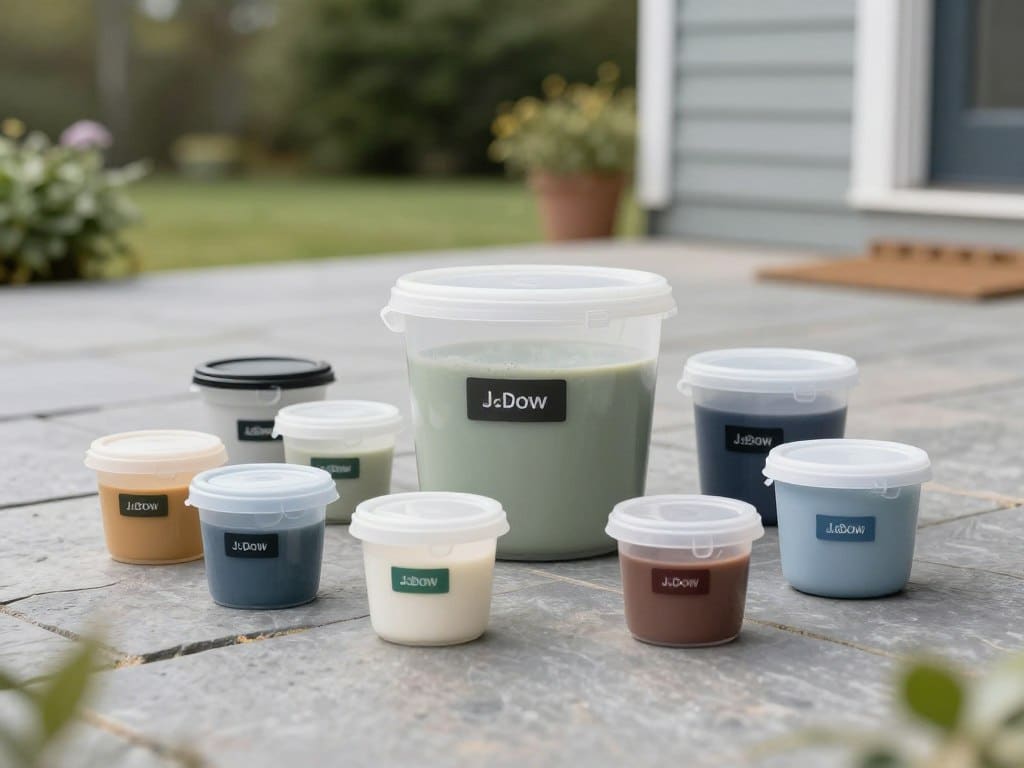
Picking the correct sealant product stands as one of the most important choices in the maintenance process. This decision affects how well your stones resist the elements and how they look. Most homeowners choose based on the level of shine they want for their project.
Selecting the right product impacts both performance and aesthetic outcomes over many years. You must weigh the protection levels against your specific visual goals. Proper planning ensures you achieve the best possible result for your outdoor space.
Penetrating Sealers for Maximum Protection
These products absorb deep into the substrate to offer invisible protection. They guard against water intrusion, acid rain, and harsh deicing chemicals. This type of sealer is perfect if you want to keep the natural look of your pavers.
Each gallon covers approximately 150 square feet of surface area. Because the liquid stays below the top layer, it does not change the original color or texture. These products excel at preventing moisture damage while letting the material breathe naturally.
Low-Gloss Finish Sealers
A low-gloss finish creates a subtle sheen that enriches the depth of each stone. It offers a refined look without making the ground too reflective. This choice suits those who want a visible improvement while keeping an understated appearance.
Expect coverage of around 150 square feet per gallon for this specific product. These formulas work only on standard concrete materials. Do not apply them to clay, granite, or bluestone surfaces as they will not bond correctly.
High-Gloss Wet-Look Sealers
High-gloss products create a dramatic wet look that intensifies the visual appeal of your hardscape. They produce a reflective surface that makes a bold statement in any yard. This is the best choice for maximizing visual impact and bringing out dark tones.
You can cover approximately 150 square feet with every gallon of this coating. Always measure your patio or driveway carefully to calculate your material needs before starting. These sealants are for concrete only and are incompatible with natural stone or clay bricks.
Professional Paver Protection in Ludlow Services
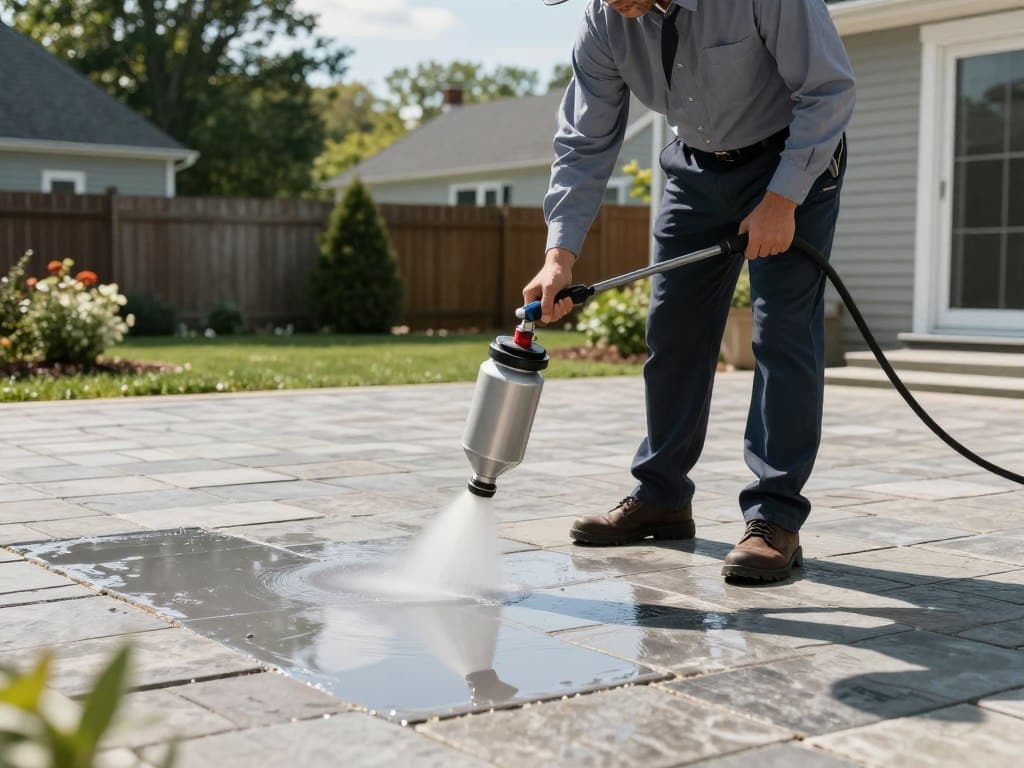
Hiring a specialist for your stone surfaces provides a level of durability that standard DIY methods simply cannot match. Homeowners throughout Western Massachusetts trust experts to handle their hardscape projects with care and precision. These technicians arrive on time, explain the steps clearly, and ensure every detail meets high standards.
What Professional Services Include
A comprehensive service goes far beyond simply spraying a liquid onto the ground. It begins with custom design and precise grading to ensure proper water drainage. Technicians focus on thorough base preparation and surface cleaning to remove dirt and old stains.
The process also includes installing new joint sand to stabilize the stones before the protective layer is added. Skilled professionals address every critical step from the initial assessment through the final curing phase. This thorough approach ensures no shortcuts compromise the aesthetic beauty of your outdoor living space.
You receive a complete restoration that strengthens the pavers and locks in their natural color for the future. Experienced crews also handle repair and restoration work to fix existing damage. This ensures your patio or driveway looks stunning from the moment the job ends.
Quality Materials and Equipment
Using the right product is essential for a finish that withstands the freezing winters and humid summers of Ludlow. Professionals utilize commercial-grade equipment that delivers superior coverage and penetration into the stone. These tools allow for a consistent application that consumer-grade sprayers often fail to achieve.
Premium materials and proven techniques ensure results that look stunning and perform flawlessly for years. Technicians understand the proper coverage rates and environmental conditions needed for the sealant to bond correctly. This specialized knowledge prevents common errors like peeling, bubbling, or clouding.
By choosing high-quality care, you gain peace of mind and a warranty that protects your investment. Professional applicators manage the entire timeline, including strict curing requirements and weather monitoring. You can relax knowing your hardscape will resist wear and tear while maintaining its original charm.
The Complete Paver Sealing Process Explained
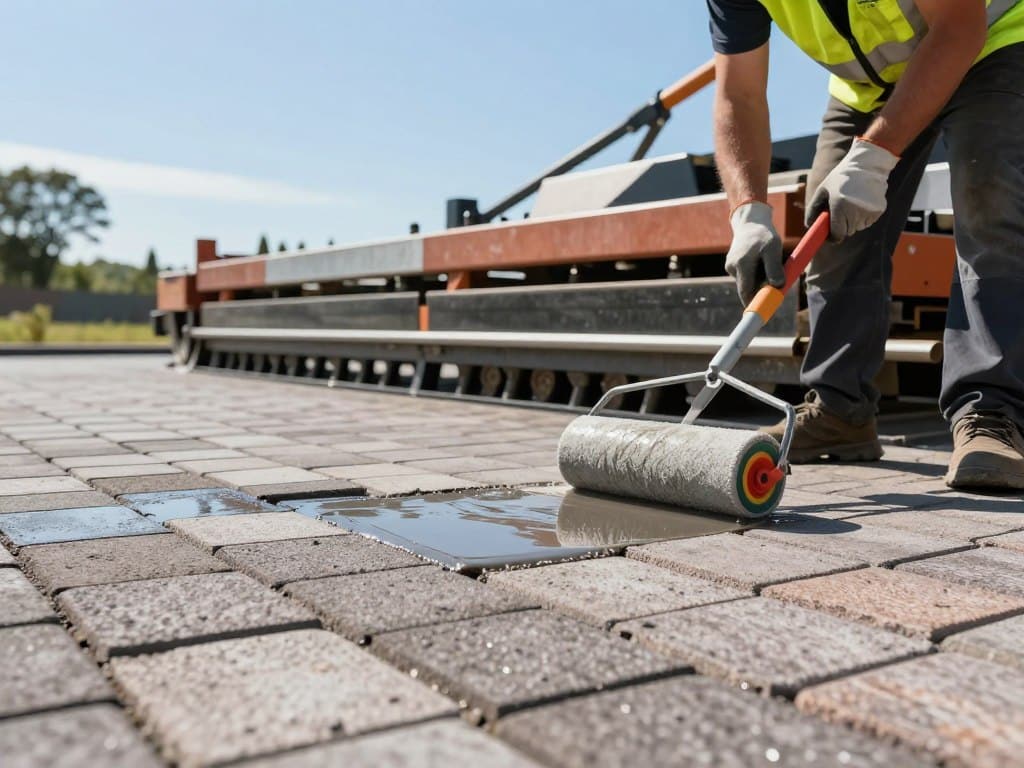
A high-quality finish depends entirely on following a precise sequence of preparation and application steps. This systematic approach ensures that every stone remains stable and beautiful for years to come. By adhering to professional standards, homeowners can transform a weathered patio into a durable outdoor retreat.
| Project Stage | Key Action | Main Goal |
|---|---|---|
| Preparation | Pressure Washing | Remove debris and dirt |
| Stabilization | Sand Application | Lock pavers in place |
| Protection | Sealing | Guard against stains |
Step 1: Thorough Cleaning and Surface Preparation
Technicians start the work by grading the surface and compacting the foundation base. They use high-pressure washers to remove dirt, organic growth, and salt deposits. A clean base allows the new coating to bond perfectly with the stone. During this phase, they inspect the site for drainage issues or broken pavers. After washing, the surface needs at least two hours to dry. This brief wait time ensures the material is ready for the next step of the restoration.
Step 2: Polymeric Sand Application
Technicians sweep specialized polymeric sand into the gaps between each stone. This sand contains a dry adhesive that hardens when wet. Water activates the glue to lock the pavers firmly in place. This step creates a strong, weed-resistant barrier that stops pests from nesting. One bag of sand usually covers 40 to 80 square feet. This stabilization is vital because it prevents the stones from shifting or sinking during the local freeze-thaw cycles.
Step 3: Sealer Application Techniques
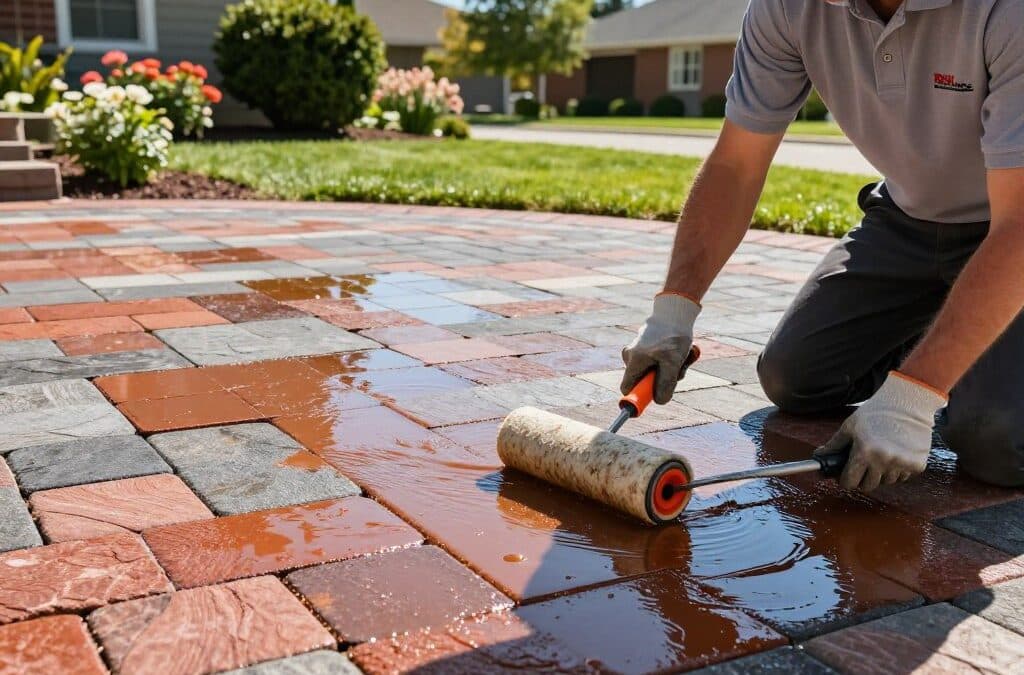
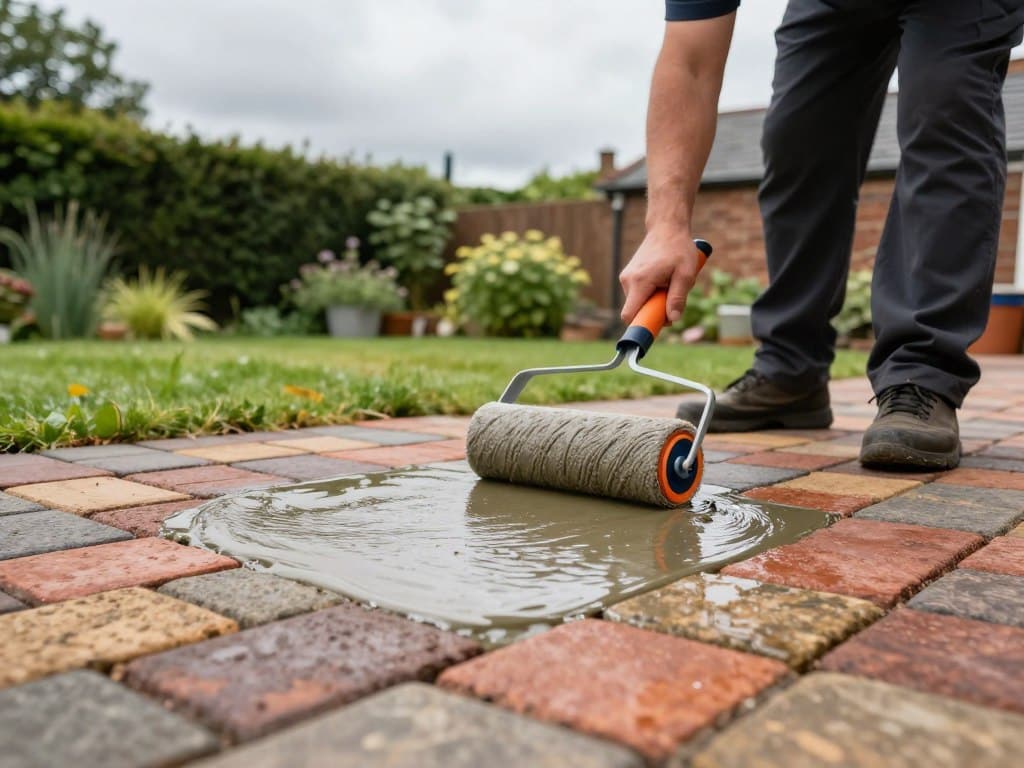
Professional application involves using sprayers or rollers to apply the protective liquid. Technicians focus on thin, even coats to avoid puddles or blotchy spots. This process depends heavily on the current weather and sun exposure. They monitor the temperature and humidity to ensure the product cures at the right speed. Using the correct tools prevents the sealer from sitting on top of the stone. Instead, the liquid sinks deep into the pores for maximum protection.
Step 4: Proper Drying and Curing
Proper curing represents the final step of the restoration. Most modern sealers allow you to walk on your patio within 24 hours. You can usually return your car to the driveway after one day, though 48 hours is often better. This turnaround is much faster than traditional products that take several days to dry. Giving the surface enough rest ensures the bond stays strong against heavy rain. It also helps the stone resist stains and harsh winter conditions.
Key Benefits of Sealing Your Pavers
Sealing your outdoor surfaces offers a wide range of practical and aesthetic rewards. It ensures your investment stays protected from the harsh New England climate while keeping it looking brand new. This simple maintenance step transforms your patio into a durable and low-maintenance sanctuary.
Enhanced Color Retention and Appearance
Sealed pavers show much better color retention than untreated ones. The specialized product shields pigments from UV rays that cause fading over the years of sun exposure. This treatment enriches existing tones and can even restore life to older stones.
Your patio will have a polished, professional look that lasts for years. This process keeps the surface looking fresh and newly installed throughout its service life.
Protection Against Stains and Spills
A high-quality sealer creates a strong barrier against oil, grease, and food spills. Instead of soaking into the porous surface, liquids bead up on top for easy cleanup. Many homeowners highly recommend this step to prevent permanent discoloration.
A quick wipe with a damp cloth is usually all you need. This protection keeps your entertainment areas looking pristine even after backyard barbecues.
Increased Durability and Longevity
Sealing extends the life of your pavers by decades. It protects the material from moisture damage and the physical wear caused by seasonal freeze-thaw cycles. This product works perfectly to provide peace of mind regarding structural integrity.
The treated surface becomes resistant to chemical attacks and physical degradation. Your hardscape stays intact and beautiful with much less effort over time.
Non-Slip Surface Safety
Modern sealers can include additives that improve wet traction without changing the look. This ensures the area is safe for families, especially around pools or during rain. Property owners highly recommend these professional finishes for their effective grip.
Most people highly recommend sealing to ensure the patio has never looked better while remaining safe. It provides a subtle traction that prevents accidents without feeling abrasive to the touch.
| Benefit Feature | Sealed Pavers | Unsealed Pavers |
|---|---|---|
| UV Protection | High; prevents fading | Low; colors fade quickly |
| Stain Resistance | Liquids bead on the surface | Absorbs oil and spills |
| Maintenance Level | Easy, simple washing | Hard; requires deep scrubbing |
| Safety Factor | Added wet traction | Can become slippery when wet |
Optimal Timing for Sealing Pavers
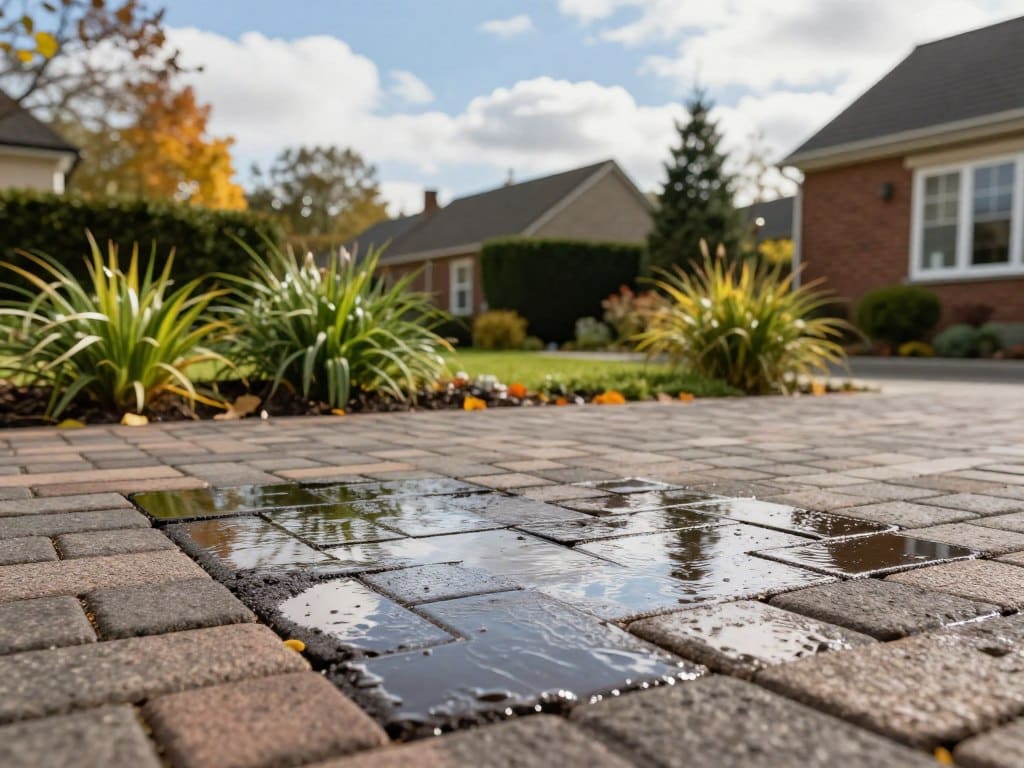
Determining when to apply a protective coat to your walkway involves checking the local thermometer and the age of your stones. Timing represents a critical factor in successful sealing because New England weather can be unpredictable. You must balance temperature, humidity, and rain patterns to ensure the product bonds perfectly to the surface.
Sealing New Paver Installations
New paver installations require patience before you apply any protective products. Most experts suggest waiting between 30 and 90 days after the job is finished. This initial waiting period allows efflorescence, or natural salt deposits, to surface and dissipate naturally from the material.
If you act too soon, you might trap moisture and salts within the stones. This often leads to discoloration and bonding failure over time. Ideally, you should wait for a mild window in late spring or early fall when conditions are most stable.
These seasons offer temperatures between 50 and 75 degrees, which are perfect for curing. Most projects take one to two weeks, depending on the size and design complexity. Waiting for these ideal growth conditions ensures the longest life for your stone investment.
Resealing Existing Surfaces
Existing patio surfaces typically require a fresh coat every two to three years. This schedule depends on foot traffic and how much snow or sun the area receives. You should perform an annual inspection to see if water still beads on the surface correctly.
If the stones absorb water or the colors look faded, it is time for a new application. We performed a maintenance cleaning about one year ago to keep a previous project looking sharp. Proper sealing during these optimal weather windows ensures the bond lasts through harsh winters.
Scheduling during the early fall allows the product to dry when soil temperatures are between 50 and 65 degrees. This timing provides more growing time for the bond under ideal conditions. Spring is the second-best option if you missed the autumn window for your outdoor maintenance.
| Season | Temperature Range | Main Benefit |
|---|---|---|
| Early Fall | 50°F – 65°F | Ideal curing and low humidity |
| Late Spring | 60°F – 75°F | Moderate rain and mild nights |
| Summer | 75°F – 90°F | Fast drying but requires irrigation |
Maintaining Your Sealed Pavers Year-Round
Proper care is the secret to ensuring your outdoor investment stays beautiful and functional for many years. Sealing your outdoor space is a great first step, but it is not a task you can just forget about. A consistent care routine maximizes your investment and extends the time between sealer applications.
This proactive approach helps reduce long-term costs while keeping your stone or concrete surfaces in top shape. By following a few simple steps, you can preserve the curb appeal of your home through every season. Regular attention prevents minor issues from turning into expensive repairs later on.
Cleaning Methods for Sealed Surfaces
Sealed surfaces are much easier to manage than untreated ones because the pores are closed off. For routine care, you should use a soft-bristle broom to remove leaves, dirt, and organic debris. If you notice a fresh spill, you can often just wipe stains off with a damp cloth.
The sealing product works as advertised by creating a barrier that prevents liquids from soaking in. Avoid using high-pressure washers or harsh acidic cleaners, as these can strip the protective layer. Instead, use pH-neutral soaps and low-pressure water for a deeper clean when necessary.
Professional cleaning services provide expert care by using the correct supplies to avoid surface damage. These experts can keep your driveway and patio looking brand new without harming the finish. This gentle approach preserves the integrity of the sealant for a much longer period.
Annual Maintenance and Inspections
Checking your pavers at least once a year helps you catch small issues before they grow. You should walk the surface to look for areas where the sealer might be wearing thin. Pay close attention to high-traffic spots where friction is most common.
Seasonal maintenance also includes clearing drainage areas and checking the levels of your joint sand. If the sand washes away, weeds and moss can begin to take root in the gaps. Many property owners highly recommend scheduling professional inspections to ensure the entire system functions properly.
Experts can identify isolated wear and apply small touch-ups instead of a full resealing job. This targeted maintenance keeps the surface protected without the cost of a complete overhaul. Staying ahead of the weather ensures your outdoor living space remains a safe and attractive part of your home.
| Maintenance Task | Frequency | Primary Benefit |
|---|---|---|
| Surface Sweeping | Weekly | Prevents debris buildup |
| Spot Cleaning | As Needed | Removes potential stains |
| Visual Inspection | Annually | Identifies sealer wear |
| Joint Sand Check | Bi-Annually | Prevents weed growth |
Avoiding Common Paver Sealing Errors
Preventing failures in your outdoor projects starts with recognizing where most DIY enthusiasts and contractors go wrong. Understanding these common errors prevents total project failure and saves you from the high cost of sealer removal. Proper planning ensures the finish lasts and protects the surface effectively.
Surface Preparation Mistakes
Inadequate cleaning is the most frequent error in outdoor maintenance. Using a dirt and grease cleaner is essential to remove oil and stubborn grime. These fast-acting formulas rinse clean with water but should not be used on surfaces that already have a sealer.
Failing to address efflorescence before starting traps mineral deposits under the finish. This creates a permanent white haze or blotches across your patio. An efflorescence cleaner dissolves these minerals and restores the original surface color.
This type of cleaner contains no muriatic acid and is ready to use without diluting. Always ensure the stone is completely dry before you begin. Rushing the process or working in high humidity compromises the bond and leads to premature failure.
| Error Type | Consequence | Prevention Method |
|---|---|---|
| Poor Cleaning | White haze and peeling | Use specific cleaners for oil and salt |
| Weather Timing | Cloudy appearance | Check the forecast for rain and humidity |
| Heavy Coating | Tacky or uneven surface | Apply thin, even layers as directed |
Incorrect Product Selection
Choosing the wrong product for your specific material causes major compatibility problems. One contractor once applied a sealant without a grip additive to a pool deck. This error made the entire backyard unusable until they applied a proper coating.
Applying the sealing liquid too heavily creates puddles and a cloudy appearance. This results in uneven thickness and surfaces that remain tacky for too long. The weather also plays a major role in your ultimate success.
Avoid working in excessive heat, cold, or when rain is imminent. These conditions compromise the curing process and lead to poor results. Always avoid using incompatible maintenance cleaners that can strip the protective layer and cause extra expense later.
Investment Value and Long-Term Savings
Beyond making a driveway look beautiful, sealing represents a strategic investment that makes people feel good about coming home. This simple process protects your outdoor living space from harsh elements and daily wear. It transforms a standard patio into a lasting asset for your property.
With quality materials and professional care, your surface protection can last for decades. Proper maintenance ensures that these surfaces stay functional and attractive for many years longer than untreated ones. You save money by avoiding the intensive restoration efforts often required for neglected stone.
Many homeowners highly recommend this proactive approach after seeing the impressive long-term results. The initial cost is small compared to the price of replacing damaged pavers. Replacing an entire driveway can cost thousands of dollars for even modest-sized properties.
Quality service that fits your budget delivers exceptional value for any home. By preventing cracks and stains, you preserve your property’s market value. This maintenance step ensures your hardscaping remains a highlight of your landscape for a lifetime.
Preventing damage is always more cost-effective than repairing it later. Sealing creates a barrier against oil spills, moss growth, and salt damage. This protective layer keeps your outdoor areas looking brand new for a long time.
| Feature | Sealed Pavers | Unsealed Pavers |
|---|---|---|
| Estimated Lifespan | 20 to 30 Years | 10 to 15 Years |
| Maintenance Needs | Low (Simple Wash) | High (Power Washing) |
| Appearance | Vibrant and Uniform | Faded and Weathered |
| Resale Return | 50% to 100% ROI | Minimal Return |
Conclusion
Protecting your outdoor surfaces against the harsh elements in Ludlow is a vital step for any property owner. Choosing a professional service to manage your paver maintenance ensures your investment remains beautiful for years. Quality products and precise applications provide a barrier that resists the cycles of freezing and thawing common in New England.
Whether you are focusing on a new driveway or refreshing a patio, the right sealing makes a significant difference. Proper paver protection for every stone wall and retaining wall around your home prevents moisture damage and erosion. Expert care for your boundary walls and structural walls ensures these features stay strong and level throughout the changing seasons.
Homeowners throughout the region rely on these expert solutions to maintain their property value and curb appeal. Because professional work delivers such consistent results, many residents highly recommend the service to their neighbors. Investing in your driveway and a garden wall or decorative wall today prevents expensive repairs in the future. Enjoy a cleaner outdoor space by prioritizing premium products for all your exterior applications.